How to Choose a Backpack
Choosing a backpack becomes much easier when you stop asking:
Which backpack has the most features?
and start with:
What do I actually need to carry, and where will I carry it?
A backpack for commuting with a laptop should not be designed like a school backpack. A foldable travel daypack does not need the same support system as a hiking backpack carrying equipment for several days.
For most people, the right order is:
use → capacity → fit → organization → material → weather protection → details
Get the first three right and the rest becomes much easier.
1. Start with What the Backpack Is For
This is the most important decision.
Different uses create different priorities.
| Backpack Use |
Main Things to Look For |
| Daily / city |
Moderate size, comfort, simple organization |
| Office / commuting |
Laptop protection, document storage, comfortable straps |
| School |
Capacity, durability, bottle pockets, organization |
| Travel |
Opening style, capacity, luggage compatibility, security |
| Hiking |
Fit, carrying system, ventilation, load transfer |
| Sports |
Ventilation, easy-clean materials, separate storage |
| Foldable daypack |
Low weight, packability, simple structure |
| Promotional |
Cost, branding area, practical everyday use |
A backpack is easier to choose once you know which of these roles matters most.
Trying to make one bag perfect for every situation usually leads to a bag that is:
Too large for daily use
Too lightly built for travel
Too complicated for promotions
Too heavy to pack as a spare daypack
2. Choose the Capacity from What You Actually Carry
Backpack capacity is commonly expressed in liters.
But liter capacity is only useful when you connect it to real items.
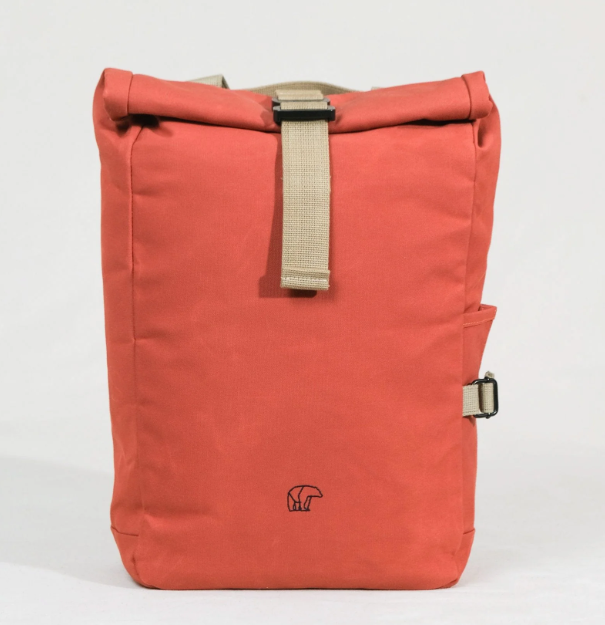
Under 15L
Suitable for very light daily use, such as:
Phone
Wallet
Small bottle
A few personal items
Compact tablet
This size is common for:
It is usually too small for a full work or school load.
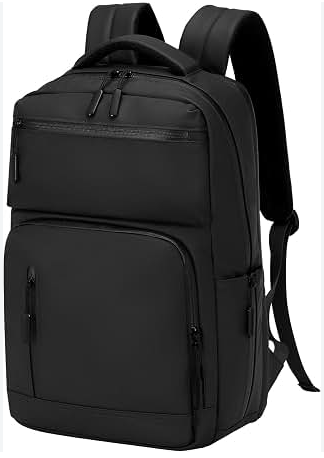
Around 15–25L
This is one of the most useful ranges for everyday backpacks.
It can suit:
Office commuting
School
University
Day trips
Light travel
Depending on the shape, it may hold:
Laptop
Charger
Notebook
Water bottle
Light jacket
Personal items
For many everyday users, this is enough without becoming bulky.
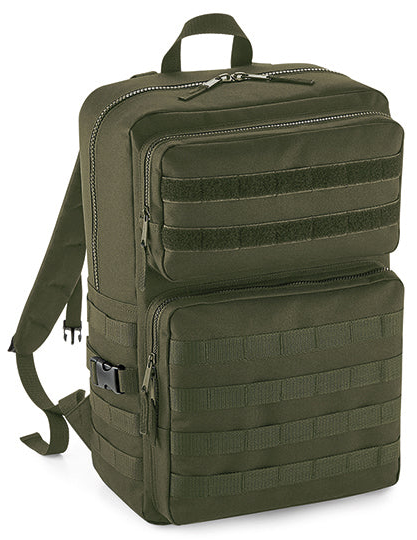
Around 25–35L
Better when more clothing or equipment needs to be carried.
Typical uses include:
Larger school loads
Gym + work
Weekend travel
Day hiking
Travel daypacks
This size gives more flexibility but can begin to feel unnecessarily large if the user normally carries only a laptop and a few accessories.
35L and Above
At this point the backpack is moving more toward:
Travel
Hiking
Outdoor
Multi-day use
For backpacking specifically, trip duration becomes a major factor. REI currently uses roughly 30–50L for many 1–3 night trips, 50–80L for 3–5 nights, and 70L+ for longer trips, although the actual requirement changes with equipment, season and packing style.
Those numbers should not be applied to normal office or school backpacks.
A 50L commuter backpack would be excessive for most people.
Bigger Is Not Always Better
An oversized backpack creates its own problems.
It can:
Encourage unnecessary packing
Move more when partly empty
Add material and weight
Take up more storage space
Feel awkward on public transport
The best backpack is normally the smallest one that comfortably fits the normal load with a little spare room.
Do not choose capacity based on the rare occasion when you might carry twice as much.
Choose for what happens most days.
3. Check the Largest Item First
Before comparing pockets, measure the biggest rigid item the backpack must carry.
For an office backpack, this may be:
For school:
For travel:
Packing cube
Shoes
Camera equipment
For sports:
If the largest rigid item does not fit, total liter capacity does not matter.
A 20L backpack can sometimes fit a 15.6-inch laptop while another 22L design cannot because the internal proportions are different.
Do not choose a laptop compartment from screen size alone.
Two 15.6-inch laptops can have different:
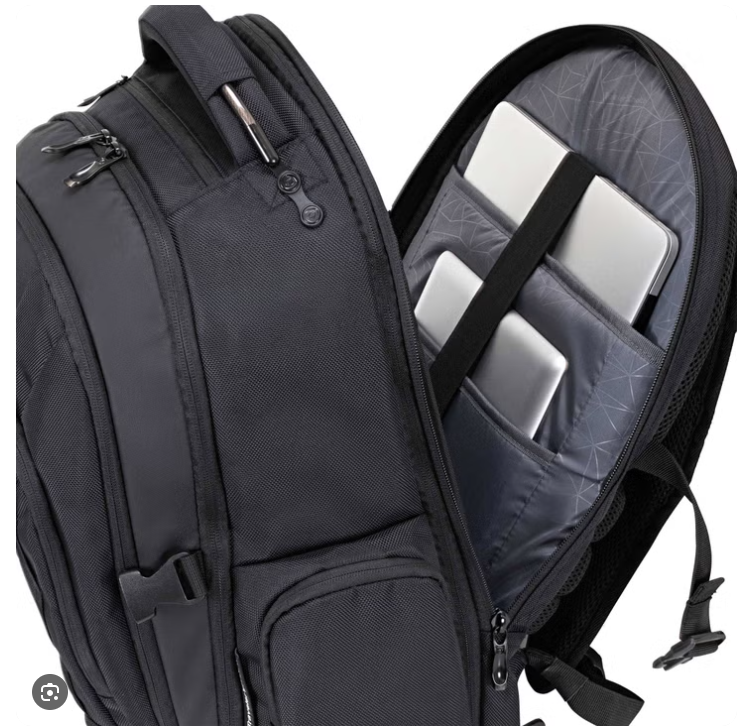
A good laptop compartment should:
Fit the device without excessive movement
Have padding on the front and back
Protect the bottom edge
Keep zippers or hardware away from the laptop surface
A suspended or raised laptop compartment can also help prevent the device from directly hitting the floor when the backpack is put down.
If the backpack is primarily for work, this feature is more useful than adding several small decorative pockets.
4. Fit Matters More as the Load Gets Heavier
For a light everyday backpack, fit is relatively straightforward.
The bag should:
For heavier outdoor backpacks, fit becomes much more technical.
Shoulder Straps
Good shoulder straps should follow the body rather than cutting sharply into the shoulders.
Look for:
Enough width
Appropriate foam
Smooth edges
Adjustable webbing
Very thick straps are not automatically more comfortable.
Foam density, shape and load distribution matter too.
Sternum Strap
A sternum strap connects the two shoulder straps across the chest.
It helps:
It can be useful for:
For a small lightweight city backpack, it may be unnecessary.
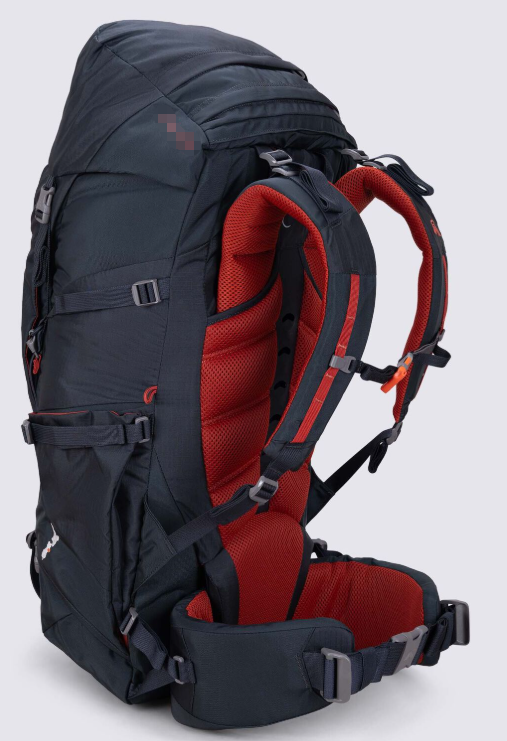
Hip Belt
A proper hip belt becomes valuable when significant weight is being carried for longer periods.
Its purpose is not simply to stop the bag moving.
A correctly designed hiking hip belt helps transfer part of the load away from the shoulders and onto the hips. REI similarly identifies the hipbelt as part of the load-transfer system on daypacks and hiking packs.
For:
Technical hiking
Large travel packs
Heavy outdoor loads
this matters.
For:
School bags
Small laptop backpacks
Promotional packs
a large padded hip belt is usually unnecessary.
Torso Length Matters for Hiking Backpacks
For a technical hiking backpack, choosing only by body height is not enough.
Torso length is the more useful measurement because it determines how the shoulder harness and hip belt line up with the body.
Professional outdoor fitting guides therefore use torso length and hip measurement rather than simply saying:
Small backpack for short people, large backpack for tall people.
For an ordinary 20L office backpack, you normally do not need to measure torso length.
This becomes important as backpack size, load and carrying time increase.
5. Look at the Back Panel
The back panel affects both comfort and structure.
Common constructions include:
Simple Padded Back
Works well for:
School
Office
Everyday use
It provides cushioning without adding too much complexity.
Padded Mesh Back
Adds airflow channels or mesh-covered foam.
Common for:
Commuting
Travel
Outdoor backpacks
It can improve comfort, although no conventional back panel will completely prevent sweating in hot weather.
Suspended Mesh Back
Used mainly on technical hiking packs.
The backpack body is held slightly away from the user's back to improve airflow.
This is useful outdoors but adds:
and is unnecessary for many everyday bags.
6. Choose the Right Opening Style
The way a backpack opens changes how easy it is to use.
Standard Top / U-Shaped Zipper
The most common design.
Good for:
It is simple and familiar.
Clamshell Opening
The backpack opens much further, sometimes almost like a suitcase.
Useful for:
Travel
Clothing
Packing cubes
Business trips
It makes the full compartment easier to access.
Roll-Top
The top rolls down and closes with buckles.
Advantages can include:
Common for:
Cycling
Outdoor
Commuting
The disadvantage is that reaching items at the bottom may be slower.
Drawstring / Flap
Common in:
Lifestyle backpacks
Hiking packs
Fashion bags
It gives a flexible opening but normally needs a flap or another closure if better security is required.
7. Do Not Choose a Backpack by Pocket Count
More pockets do not automatically make a backpack better.
Too many compartments can:
A useful everyday backpack often needs only:
Then add more organization only when there is a reason.
When Extra Compartments Are Useful
Dedicated compartments make sense for things that need separation.
Examples include:
Shoe Compartment
Useful for:
Wet Compartment
Useful for:
Swimming
Fitness
Outdoor use
but only when the materials and construction actually manage moisture appropriately.
Camera Compartment
Requires padding and dividers, not simply another zipper pocket.
Laptop Compartment
Keeps electronics separate from general contents.
Bottle Pocket
Useful for everyday, travel and school bags.
The rule is simple:
A compartment should solve a real storage problem.
8. Choose the Material Based on the Environment
Backpack material affects:
Weight
Abrasion
Appearance
Weather resistance
Printing
Cost
Two of the most common materials are nylon and polyester.
INITIGIFT's existing nylon-vs-polyester analysis reaches the same practical conclusion: the fiber name alone does not determine backpack quality; denier, weave, coating and construction matter just as much.
Polyester is common for:
School
Office
Promotional
Travel
Everyday backpacks
Advantages include:
Common constructions include:
300D polyester
420D polyester
600D polyester
900D polyester
Polyester Oxford
Polyester ripstop
A properly made 600D polyester backpack is adequate for many everyday applications.
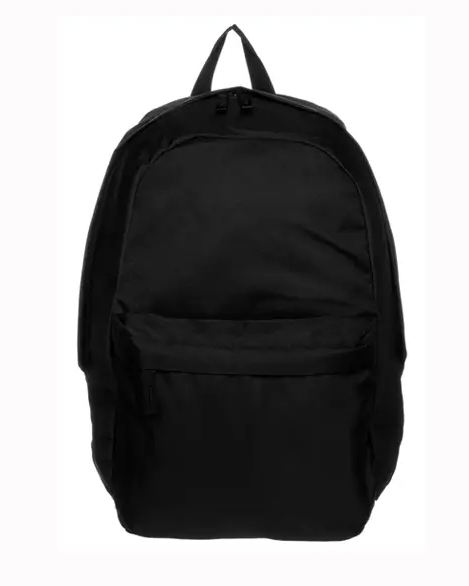
Nylon is common when:
Abrasion resistance
Tear resistance
Lower weight
Technical performance
are important.
Typical uses include:
Hiking
Travel
Outdoor
Technical backpacks
High-tenacity nylon can deliver strong performance at relatively low fabric weights.
But simply seeing the word “nylon” does not guarantee a premium backpack.
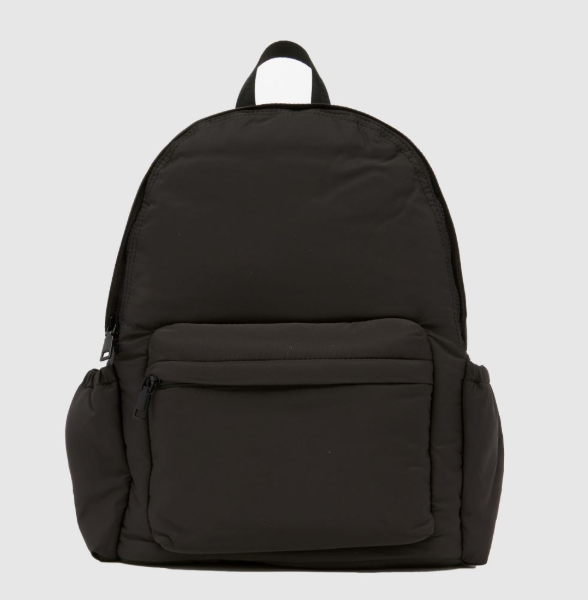
RPET is recycled polyester.
It can be used in:
Oxford fabric
Ripstop
Lining
Mesh
and can perform similarly to conventional polyester depending on the fabric specification.
If recycled content matters, check:
rather than relying only on an RPET label.
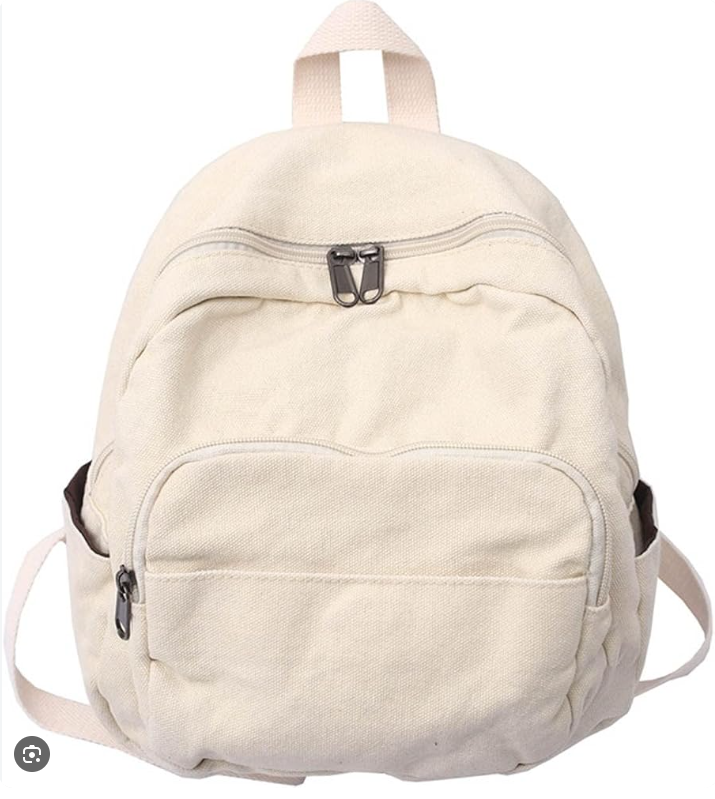
Canvas creates a different style.
It is suitable for:
It usually feels more textile-oriented and less technical than nylon or polyester.
However, cotton canvas:
It can be an excellent daily material without being the best choice for wet outdoor conditions.
PU and Coated Materials
PU or synthetic leather is used where appearance matters more than technical outdoor performance.
Common applications include:
Fashion backpacks
Office bags
Corporate gifts
It provides a smoother, more polished appearance but requires attention to:
Surface durability
Flexing
Abrasion
Coating quality
9. Understand What “Water-Resistant” Really Means
A backpack is not waterproof simply because the fabric resists water.
Water can enter through:
Zippers
Seams
Needle holes
Openings
Mesh pockets
A PU-coated polyester fabric may resist light rain while the finished backpack still leaks through the zipper.
For ordinary commuting, a water-resistant fabric and protected zipper may be enough.
For serious outdoor rain exposure, look for more specific construction such as:
Do not pay for “waterproof” marketing unless the complete backpack actually supports that performance claim.
10. Look at the Bottom
The bottom is one of the highest-wear areas of a backpack.
It repeatedly contacts:
Floors
Pavement
Tables
Vehicle surfaces
For school, travel and outdoor backpacks, useful options include:
Heavier bottom fabric
Double layer
Reinforced stitching
Coated bottom panel
A very good main fabric does little if the bottom wears through first.
11. Check Shoulder Strap Attachment
The strap material itself is only part of the system.
The attachment point carries significant load.
Look for appropriate reinforcement such as:
Bartacks
Box stitching
Reinforced seams
Internal backing
A backpack frequently fails at:
Strap attachment
Zipper
Bottom
Seam
before the main fabric tears.
This is why buying a backpack only because it uses “1000D fabric” is not enough.
12. Check the Zippers
Zippers are among the most frequently used parts of a backpack.
A good zipper should:
Large backpacks and overloaded pockets place greater stress on zipper chains.
For everyday use, reliable construction is generally more important than decorative zipper features.
13. Consider the Backpack's Empty Weight
A durable backpack does not need to be unnecessarily heavy.
Remember:
Backpack weight + contents = total carrying weight.
Heavy:
Fabric
Hardware
Padding
Reinforcement
Extra pockets
can make a bag feel substantial in a shop but uncomfortable after several hours.
For:
Travel
Foldable designs
Daily commuting
lower empty weight is especially useful.
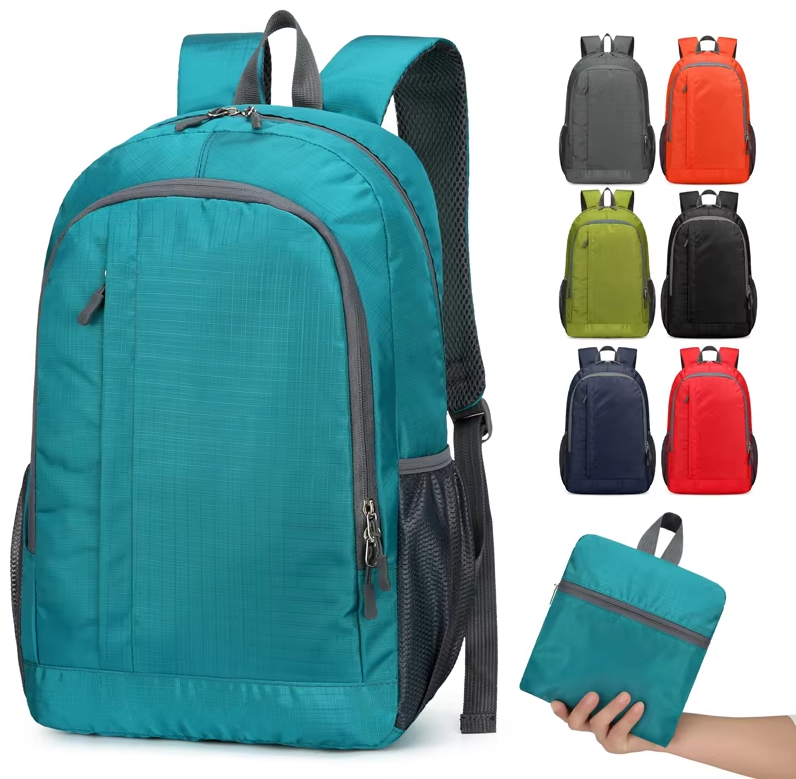
INITIGIFT's current foldable travel backpacks illustrate this trade-off: they use lightweight fabric, limited structure and breathable straps specifically because packability and low storage volume are central to the product.
14. How to Choose a Backpack for Different Uses
Look for:
Do not overcomplicate it.
Prioritize:
A dozen small pockets are less important than protecting the computer properly.
Look for:
Because books can become heavy, strap reinforcement matters.
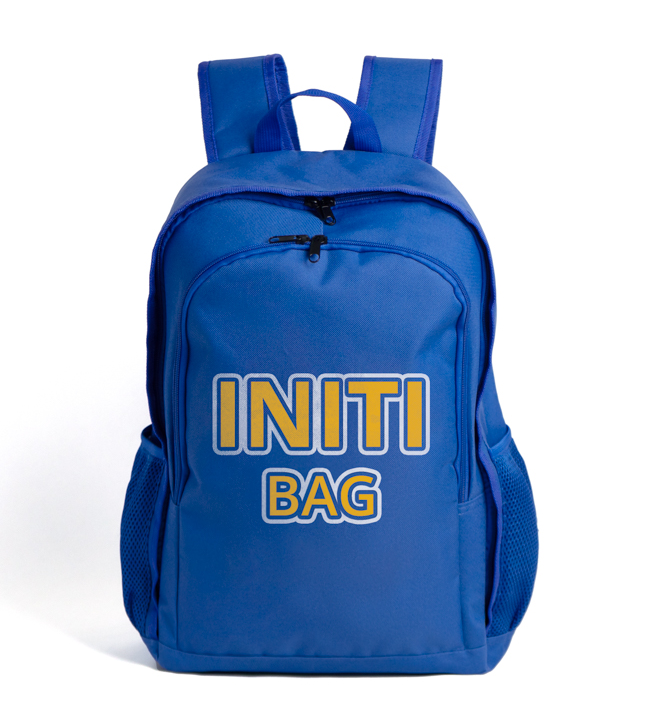
Look for:
Suitable capacity
Wide opening
Internal organization
Comfortable carrying
Luggage compatibility
Security for valuables
A clamshell opening is particularly useful when clothing is the main cargo.
Prioritize:
This is where professional fitting matters most.
Prioritize:
Do not expect a foldable 15–20L daypack to carry like a structured hiking backpack.
They solve different problems.
15. A Simple Backpack Selection Checklist
Before buying or developing a backpack, answer these questions:
What will it be used for?
What are the largest items going inside?
How much capacity is actually needed?
How heavy will the normal load be?
How long will the backpack be worn?
Is laptop protection required?
Does it need separate compartments?
Will it regularly encounter rain?
Does low weight matter?
What usually fails first in this type of use?
If those ten answers are clear, material and feature selection becomes much easier.
Common Backpack Buying Mistakes
Choosing the Biggest Backpack Available
Extra unused space adds bulk and encourages overpacking.
Choosing Only by Liter Capacity
A backpack's proportions and internal structure matter too.
Assuming 15.6-Inch Means Every Laptop Fits
Actual laptop dimensions vary.
Thinking Thick Shoulder Straps Are Automatically Comfortable
Foam quality, shape and fit matter more than visual thickness alone.
Paying for Features You Will Never Use
Extra pockets, straps and buckles can add weight without adding practical value.
Choosing Material by Denier Alone
600D is not a universal durability score.
Fiber, weave, GSM, coating and construction all matter.
Assuming Water-Resistant Fabric Makes a Waterproof Backpack
The seams, zippers and opening still matter.
Ignoring the Bottom and Strap Attachments
These are common high-stress areas.
What Should Buyers Specify for a Custom Backpack?
For a custom project, start with how the finished backpack needs to work.
A useful specification includes:
| Item |
What to Define |
| Use |
School / office / travel / outdoor / promotion |
| Dimensions |
Width × height × depth |
| Target Capacity |
Approximate liters if relevant |
| Expected Load |
Typical contents and weight |
| Main Fabric |
Polyester / nylon / RPET / canvas / PU |
| Fabric Specification |
Denier, GSM, weave, coating if required |
| Laptop Compartment |
Device dimensions and padding |
| Main Opening |
Standard / clamshell / roll-top |
| Pockets |
Front / side / internal |
| Back Panel |
Basic / padded mesh / other |
| Shoulder Straps |
Width and padding |
| Sternum Strap |
Required / not required |
| Hip Belt |
Required / not required |
| Zippers |
Type and specification |
| Branding |
Print / embroidery / patch |
| Quantity |
Estimated order quantity |
| Packaging |
Bulk / individual / retail |
For a custom backpack, the most useful starting information is usually not:
“I need a 600D backpack.”
It is:
“I need a backpack for university students carrying a 15.6-inch laptop, books, charger and bottle.”
The second description makes it possible to build the specification around the real use.
FAQ
What size backpack should I choose for everyday use?
For many commuters and students, around 15–25L is a practical starting range. Choose from the items you actually carry rather than capacity alone.
Is a 30L backpack too big for daily use?
Not necessarily, but it is larger than many people need for basic commuting. A 30L pack makes more sense when you regularly carry gym clothes, extra clothing, equipment or larger school loads.
How should a backpack fit?
For normal daily use, it should sit close to the back without uncomfortable pressure or excessive movement. For heavier hiking packs, torso length, hipbelt position and load transfer become much more important.
Which backpack material is best?
There is no universal best material. Polyester works well for many everyday and school backpacks, nylon suits more demanding technical applications, canvas suits lifestyle designs, and RPET polyester is useful when documented recycled content is required.
Is nylon better than polyester for backpacks?
Nylon generally has an advantage in abrasion resistance and strength-to-weight at comparable specifications. Polyester often provides better cost efficiency, UV stability and everyday performance. The complete fabric specification matters more than the fiber name alone.
What should I look for in a laptop backpack?
Prioritize a correctly sized padded laptop compartment, bottom protection, comfortable shoulder straps and enough space for the charger and normal daily items.
Conclusion
The easiest way to choose a backpack is not to compare dozens of features at once.
Start with three questions:
What will I carry?
How much space does it need?
How long will I carry it?
Then choose the backpack around those answers.
For daily use, keep the design light and simple.
For laptops, prioritize fit and padding.
For school, focus on capacity, straps and high-wear areas.
For travel, consider access and organization.
For hiking, fit and load transfer become much more important than appearance.
After that, compare materials, pockets and smaller details.
A good backpack is not the one with the highest denier, the most compartments or the thickest straps.
It is the one whose size, fit, structure and materials match the load it actually needs to carry.
Inquiry Support
For a custom backpack project, you can provide:
Intended use
Estimated quantity
Preferred size or reference dimensions
Target capacity
Expected contents and load
Laptop size if required
Preferred material
Pocket and compartment requirements
Strap and back-panel requirements
Required colors
Logo artwork
Packaging requirements
If you have not finalized all details, you can first send your intended use and target quantity, and we can recommend a suitable specification.
Related Products


 Hot News