What Is a Drawstring Bag: Types, Materials and Uses
A drawstring bag is a bag that closes when one or more cords are pulled, gathering the fabric around the opening.
That closure is what defines the product.
It does not have to be a backpack, and it does not have to be made from a particular material. A small velvet jewelry pouch, a cotton shoe bag and a polyester gym sack can all be drawstring bags if they use the same basic pull-cord closure.
This simple construction is one reason the category covers such a wide range of products.
Drawstring bags can be used for:
Sports and gyms
Schools
Events
Gifts
Shoes
Product packaging
Storage
Travel
Jewelry
Wine bottles
Promotional merchandise
The right version depends less on the name “drawstring bag” and more on what needs to go inside it and how the bag will be carried.
How Does a Drawstring Bag Work?
The basic structure is straightforward.
A cord passes through a channel, eyelets or loops around the top of the bag.
When the cord is pulled, the opening gathers together.
When tension is released, the opening can be expanded again.
There are two common arrangements.
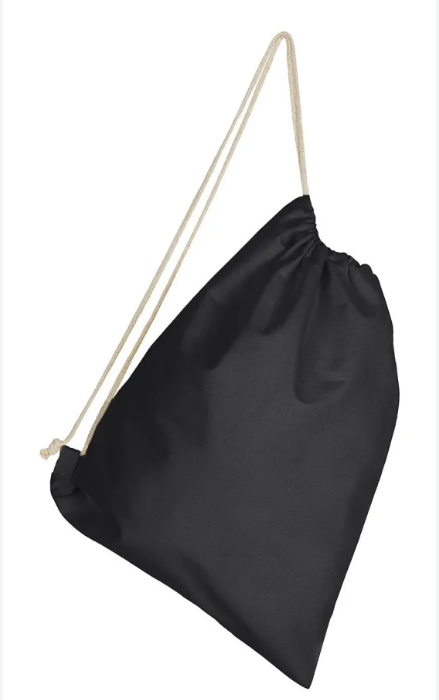
Single Drawstring
One cord controls the opening.
This is common on:
The cord may close from one side or form a loop around the opening.
Double Drawstring
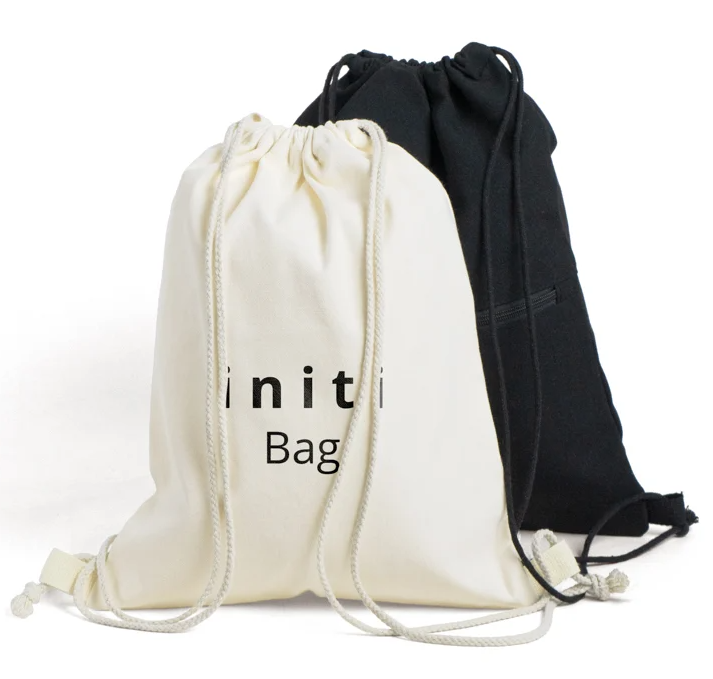
Two cords are pulled from opposite sides.
This gives a more balanced closure and is common on:
Cotton pouches
Gift bags
Product packaging
Storage bags
A drawstring backpack uses a related system, but the cords extend downward and also act as shoulder straps.
Drawstring Bag, Cinch Bag or String Bag?
These names overlap, but they are not always used in exactly the same way.
The broadest term.
It can refer to almost any bag using a drawstring closure.
Usually a larger bag where the drawstrings also function as backpack straps.
Common name for a lightweight drawstring backpack, particularly in sports, schools, events and promotional merchandise.
Sometimes used for drawstring backpacks, although the term can also refer to open-net shopping bags in some markets.
Usually smaller and more packaging-oriented.
Typical uses include:
Jewelry
Cosmetics
Gifts
Accessories
Small retail products
The important point is that drawstring describes the closure, not one fixed bag shape.
Main Types of Drawstring Bags
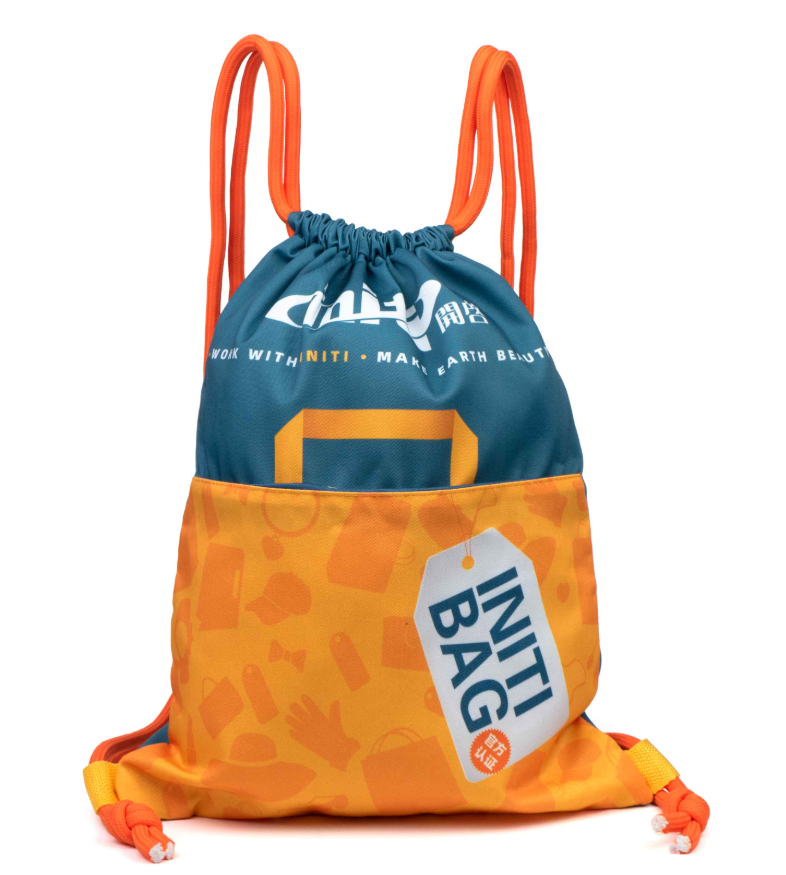
This is probably the most recognizable type.
It usually consists of:
When the cords are pulled, the bag closes and the same cords become shoulder straps.
These bags are common for:
Gyms
Schools
Sports clubs
Fun runs
Trade shows
Camps
Events
Promotional giveaways
They pack relatively flat and can be distributed easily in large quantities, which is one reason they remain common in promotional programs.
A drawstring pouch is smaller and usually does not have backpack straps.
Common shapes include:
Square
Rectangular
Tall narrow pouch
Flat pouch
Small round-bottom pouch
Typical applications include:
Jewelry
Watches
Cosmetics
Candles
Gifts
Handmade products
Small accessories
Here, the bag is often part of the product presentation rather than simply a carrying bag.
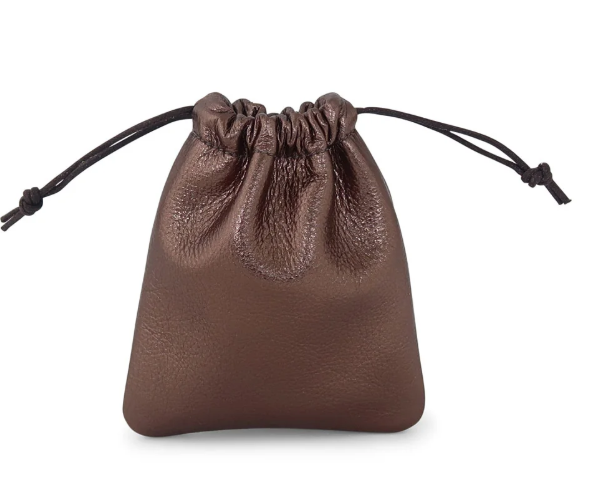
A dust bag is designed primarily to protect another product during storage or handling.
Common applications include:
Handbags
Shoes
Leather goods
Accessories
Fashion products
Many dust bags use drawstring closures, although a dust bag does not have to use one.
The distinction is simple:
Drawstring bag describes the closure.
Dust bag describes the purpose.
A single product can therefore be both a drawstring bag and a dust bag.
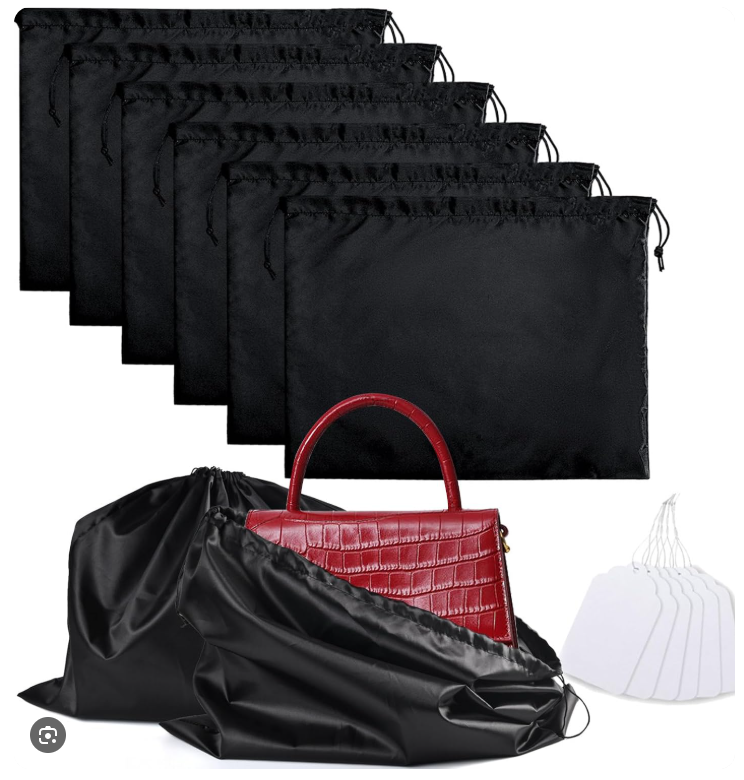
Shoe bags are commonly made in a tall rectangular shape with enough room for:
Sneakers
Dress shoes
Slippers
Sports footwear
They may be used for:
Travel
Retail packaging
Storage
Hotels
Sports
Cotton and nonwoven materials are common for packaging-oriented shoe bags, while polyester and nylon are better suited to products that may encounter more dirt or moisture.
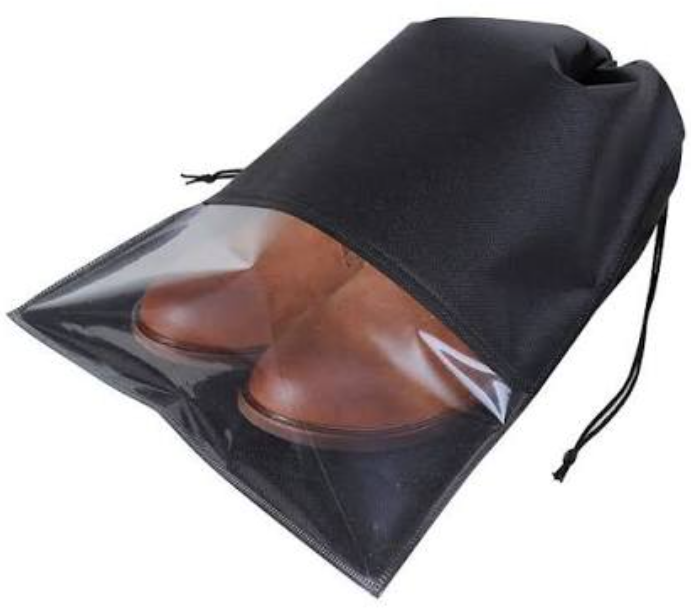
Mesh changes the function significantly.
Instead of creating a closed surface, the open structure provides:
Airflow
Visibility
Faster drainage
Lower weight
Mesh drawstring bags are common for:
Sports balls
Swimming equipment
Beach products
Laundry
Outdoor gear
Toys
They are useful when ventilation matters more than privacy or complete surface protection. Industry material guides likewise distinguish mesh drawstring bags from solid-fabric versions because airflow is their main functional advantage.
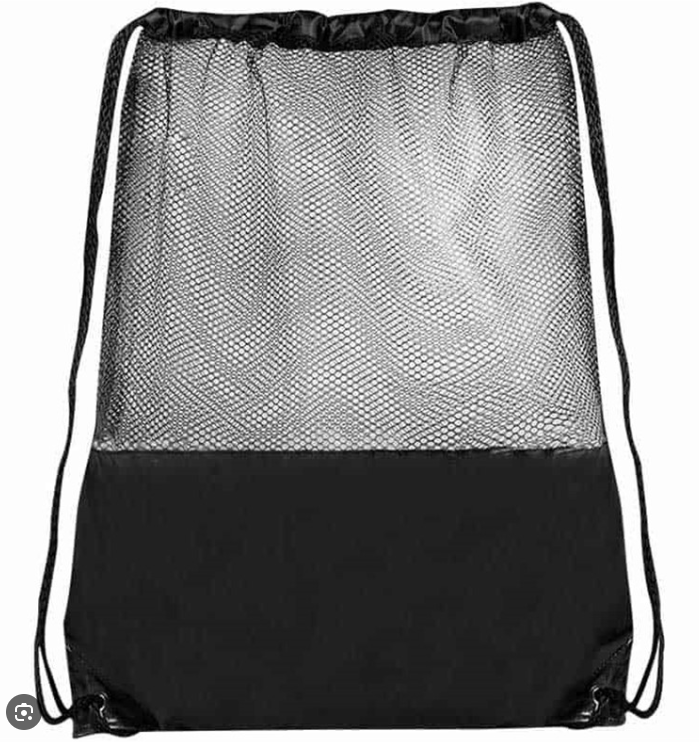
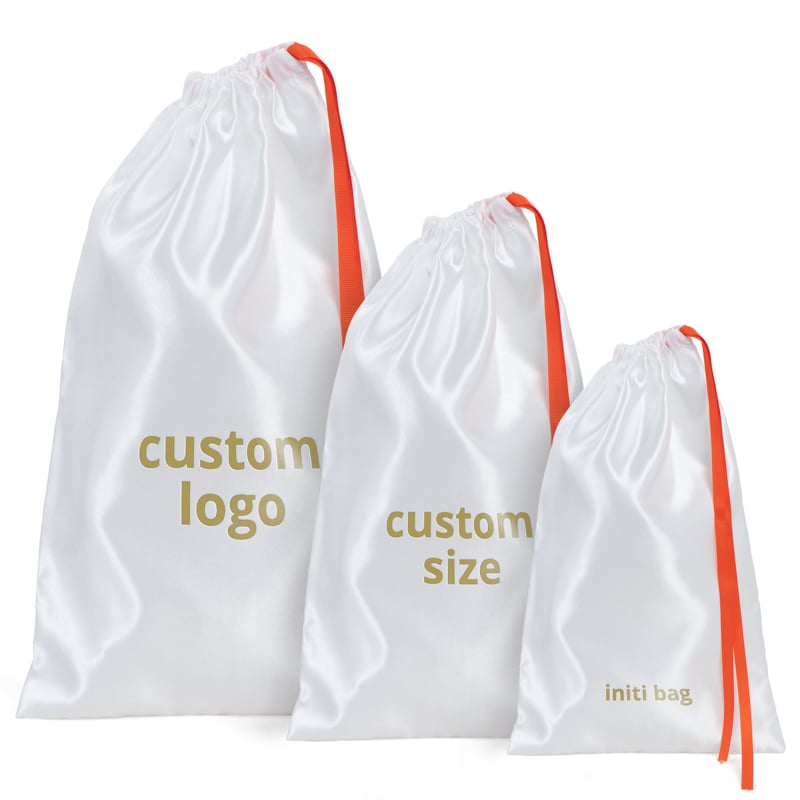
Gift bags can range from simple cotton pouches to more decorative designs made from:
Satin
Velvet
Organza
Cotton
Jute
Common uses include:
Wedding favors
Holiday gifts
Jewelry
Cosmetics
Wine
Corporate gifts
For gift packaging, appearance and hand feel may matter more than carrying capacity.
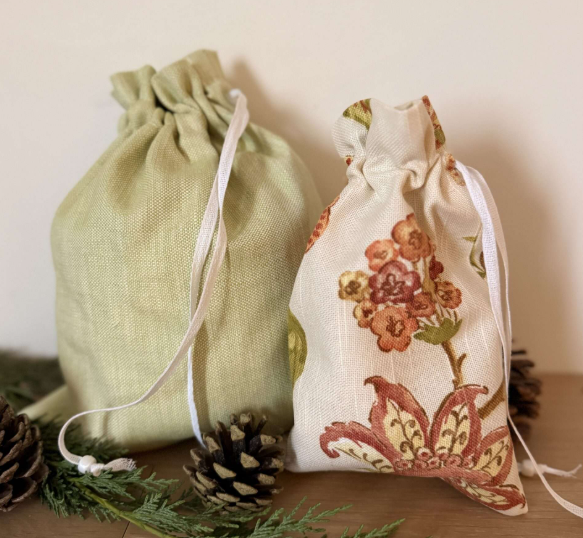
These bags use a tall, narrow shape designed around:
Wine bottles
Beverage bottles
Gift bottles
Materials may include:
Jute
Cotton
Canvas
Velvet
Nonwoven fabric
A bottle bag may use a simple drawstring top or combine the drawstring with handles.
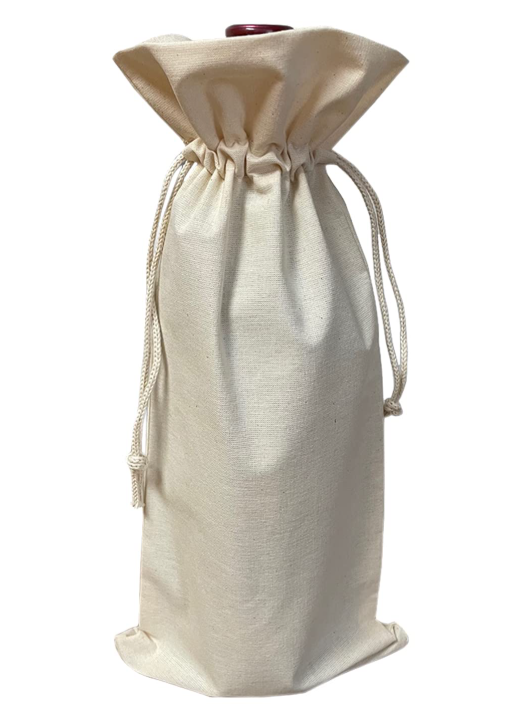
Drawstring closures are also useful for larger household and product-storage bags.
Typical uses include:
Toys
Bedding
Laundry
Clothing
Seasonal items
Travel organization
Larger versions need more attention to:
Fabric strength
Cord thickness
Seams
Bottom construction
because the load can be much higher than in a small pouch.
What Materials Are Drawstring Bags Made From?
There is no single best material.
A lightweight event bag and a premium gift pouch may use the same closure but require completely different fabrics.
The most common choices include the following.
Polyester is one of the most common materials for drawstring backpacks and promotional bags.
It is useful because it can be:
Common applications include:
Sports
Schools
Events
Promotional bags
Everyday carry
Different polyester specifications can behave very differently.
For example, a lightweight polyester cinch bag intended for a one-day event does not need the same construction as a reusable sports bag.
So simply specifying “polyester” is not enough for custom production.
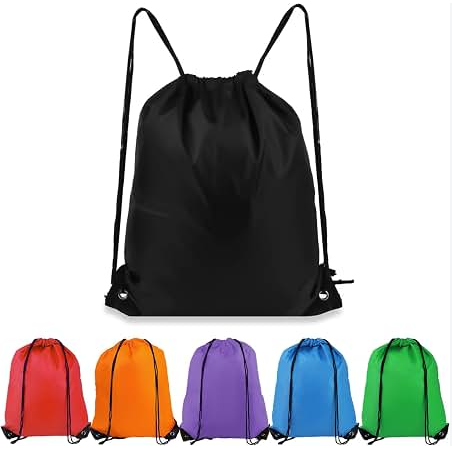
Nylon is commonly used where low weight and relatively strong performance are important.
It is suitable for:
Ripstop constructions may be used when additional tear resistance is needed.
Nylon is often associated with a more technical or outdoor appearance than cotton.
It should not automatically be described as waterproof. Fabric coating, seams, stitching and closure all affect the performance of the finished bag.
Cotton has a softer, more natural textile feel.
It is common for:
Gift packaging
Product pouches
Shoe bags
Retail packaging
Corporate gifts
Natural-product brands
Cotton also provides a relatively straightforward surface for:
Lightweight cotton works well for packaging and small pouches.
When greater structure is required, a heavier cotton or canvas construction may be preferable.
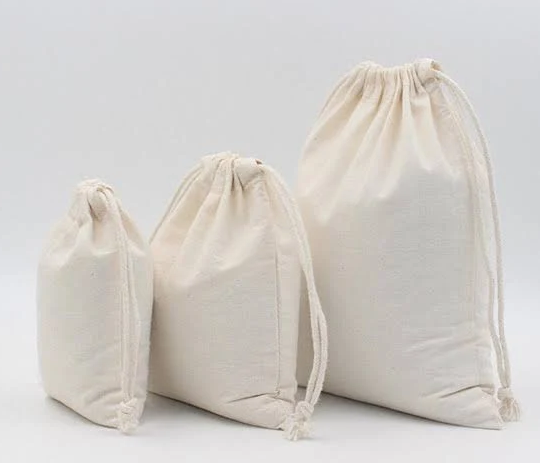
Canvas is a heavier woven fabric often made from cotton, although other fiber compositions are possible.
Compared with lightweight cotton, canvas usually provides:
It works well for:
Canvas is not automatically waterproof. Untreated cotton canvas still absorbs water.
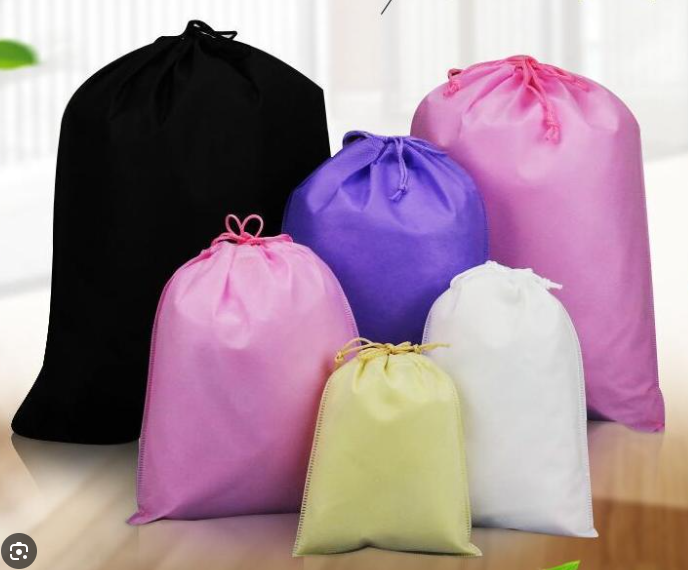
Nonwoven polypropylene is commonly used for cost-sensitive promotional and packaging projects.
It can be:
Typical applications include:
Events
Giveaways
Product packaging
Shoe bags
Simple storage
It is usually chosen when cost and large-volume production matter more than premium hand feel.
RPET generally refers to polyester containing recycled PET feedstock.
It can be used for many of the same applications as virgin polyester, including:
But RPET alone does not tell you:
Recycled percentage
Yarn specification
Fabric construction
Coating
Certification
If recycled content is important to the project, it should be specified and supported by appropriate documentation.
Mesh is a fabric structure rather than one specific fiber.
A mesh drawstring bag might be made from:
Polyester
Nylon
Other synthetic fibers
Hole size also matters.
Fine Mesh
Better when smaller items need to stay inside.
Larger Mesh
Better when greater airflow and drainage are needed.
This makes material choice closely connected to what the bag is expected to carry.
Jute has a coarse natural texture and relatively firm hand feel.
It is commonly used for:
Compared with cotton, the surface is rougher and better suited to simple, bold branding than very fine artwork.
Jute is less common for conventional gym-style drawstring backpacks.
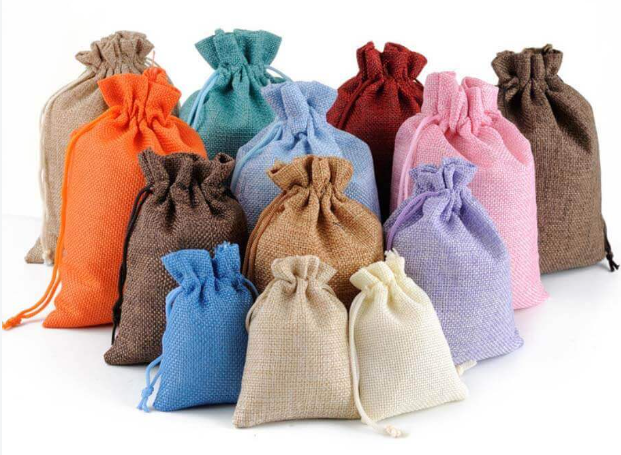
These materials are primarily used when presentation matters.
Satin
Creates a:
appearance.
Common for:
Jewelry
Gifts
Beauty products
Event favors
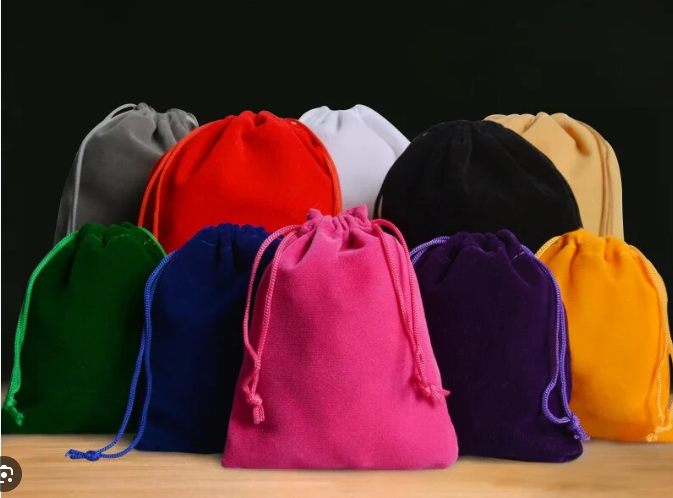
Velvet
Creates a softer, denser and more premium-feeling surface.
Common for:
Jewelry
Watches
Premium gifts
Small accessories
Neither would normally be the first choice for a basic sports cinch bag.
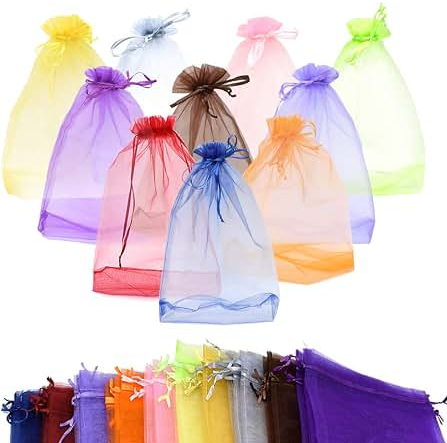
Organza is a lightweight, sheer fabric often used for decorative packaging.
Typical uses include:
Wedding favors
Small gifts
Jewelry
Samples
Beauty products
The contents remain partly visible through the fabric.
Its value is mainly decorative rather than protective.
Drawstring Bag Materials Compared
| Material |
Main Character |
Common Uses |
| Polyester |
Lightweight, versatile |
Sports, schools, promotions |
| Nylon |
Lightweight, technical |
Outdoor, sports, travel |
| Cotton |
Soft, natural feel |
Gifts, retail, shoe bags |
| Canvas |
Heavier, structured |
Reusable bags, storage, gifts |
| Nonwoven PP |
Lightweight, economical |
Events, packaging, giveaways |
| RPET Polyester |
Recycled-content option |
Promotions, sports, retail |
| Mesh |
Ventilated |
Sports, swimming, laundry |
| Jute |
Coarse, natural appearance |
Wine, gifts, specialty retail |
| Satin |
Smooth and decorative |
Gifts, beauty, jewelry |
| Velvet |
Soft, premium appearance |
Jewelry, luxury gifts |
| Organza |
Sheer, decorative |
Favors, samples, small gifts |
What Are Drawstring Bags Used For?
The simplicity of the closure allows the same basic construction to work across very different markets.
Sports and Gym Use
Drawstring backpacks are useful for carrying:
Sports clothing
Towels
Small equipment
Shoes
Water bottles
A sports bag normally benefits from:
Schools and Universities
Drawstring backpacks are commonly used for:
Orientation programs
Student events
Clubs
Sports
Campus merchandise
They work particularly well when the bag needs to be:
Lightweight
Easy to distribute
Easy to brand
Events and Promotions
Drawstring bags can serve both as packaging and as the giveaway itself.
They may carry:
Brochures
Samples
Merchandise
Event kits
Large front panels also provide useful logo space.
For very large promotional programs, a lightweight polyester or nonwoven construction is often more practical than a heavy canvas product.
Retail Packaging
Cotton, canvas and other fabric drawstring bags can replace disposable-style packaging for certain products.
Common applications include:
Accessories
Beauty products
Handmade products
Gifts
Shoes
In this context, appearance can be as important as carrying performance.
Product Protection
Soft drawstring bags can help keep products separated during:
Storage
Packing
Transport
Retail presentation
Examples include:
Handbag dust bags
Shoe bags
Jewelry pouches
The material needs to suit the surface it is protecting.
A rough jute pouch would not be the obvious choice for protecting a delicate polished handbag.
Travel and Organization
Drawstring bags are useful for separating items inside luggage.
They can hold:
Shoes
Laundry
Underwear
Chargers
Toiletries
Small accessories
Because the closure contains few hard parts, a soft drawstring pouch can also pack relatively flat when not in use.
Gifts and Corporate Programs
Drawstring bags can become part of the gift itself.
Suitable products include:
Material changes the positioning considerably.
For example:
Polyester = functional / sporty
Cotton = casual / natural
Felt or velvet = more presentation-oriented
Canvas = substantial / reusable
What Makes a Good Drawstring Bag?
A drawstring bag may be simple, but a good one still needs the right construction.
Cord
The cord needs to match the application.
A small gift pouch may need only thin decorative cord.
A backpack needs something more comfortable and better suited to repeated pulling.
Cord Channel
The channel must allow the cord to move without excessive resistance.
If it is too tight:
If it is too loose, the opening may not close neatly.
Bottom Cord Attachment
On backpack-style bags, the lower cord attachment is a major load point.
Common reinforcement may include:
The correct method depends on material and expected load.
Seam Construction
The seams need to match the fabric and load.
A lightweight gift pouch does not need the same seam reinforcement as a sports backpack carrying shoes and clothing.
For heavier use, pay particular attention to:
Side seams
Bottom seam
Cord channel
Lower strap attachment
Size
Size should follow the intended contents.
A drawstring bag that is too small becomes difficult to close.
A bag that is unnecessarily large:
For product packaging, dimensions should normally be developed from the actual product.
Is a Drawstring Bag the Same as a Backpack?
Not always.
A drawstring backpack is one type of drawstring bag.
But many drawstring bags:
A jewelry pouch is a drawstring bag, but nobody would reasonably call it a backpack.
Is a Drawstring Bag the Same as a Dust Bag?
No.
A drawstring bag is defined by how it closes.
A dust bag is defined by its protective purpose.
A dust bag may use a drawstring, but it can also use another closure.
So:
some drawstring bags are dust bags, but not every drawstring bag is a dust bag.
Are Drawstring Bags Waterproof?
Not automatically.
Water performance depends on:
Fabric
Coating
Seams
Drawstring opening
Construction
A coated polyester or nylon fabric may resist light rain better than cotton.
But the gathered opening and stitched seams can still allow water to enter.
For most conventional drawstring products, water-resistant is a more realistic description than waterproof unless the finished bag has been specifically designed and tested for waterproof performance.
Are Drawstring Bags Good for Heavy Items?
They can carry moderate loads when the material and cord attachments are designed for them, but a simple lightweight cinch bag is not the best format for very heavy loads.
The shoulder cords are relatively narrow compared with padded backpack straps.
Heavy contents can therefore become uncomfortable even before the fabric itself fails.
For higher loads, consider:
Stronger fabric
Wider cords
Reinforced corners
Better seams
or a conventional backpack with padded straps.
How Should You Choose a Drawstring Bag?
Start with the intended use.
For Sports or Events
Consider:
Polyester
Nylon
RPET polyester
with reinforced cord attachments.
For Gifts and Retail Packaging
Consider:
Cotton
Canvas
Jute
Satin
Velvet
depending on the desired appearance.
For Shoes
Consider:
Cotton
Nonwoven
Polyester
depending on whether the bag is mainly packaging, storage or travel protection.
For Wet or Ventilated Equipment
Consider:
rather than a fully closed fabric.
For Jewelry and Small Gifts
Consider:
Velvet
Satin
Cotton
Organza
depending on the level of presentation required.
There is no reason to specify a heavy sports fabric for a jewelry pouch, just as a sheer organza bag would make little sense for carrying gym shoes.
What Information Is Needed for a Custom Drawstring Bag?
A useful specification includes:
| Item |
What to Define |
| Intended Use |
Sports, gift, shoe, storage, packaging, etc. |
| Bag Size |
Width × height, plus depth if required |
| Material |
Polyester, cotton, canvas, mesh, etc. |
| Fabric Weight |
If relevant |
| Closure |
Single / double drawstring |
| Cord |
Material, thickness and color |
| Carry Style |
Pouch / backpack |
| Reinforcement |
Eyelet, loop, reinforced corner |
| Pockets |
Required / not required |
| Logo |
Print / embroidery / patch |
| Color |
Fabric and cord colors |
| Expected Load |
Approximate contents |
| Quantity |
Estimated order quantity |
| Packaging |
Bulk / individual / retail |
For product packaging, sending the actual product dimensions is often more useful than selecting a bag size from a generic chart.
Common Mistakes When Choosing Drawstring Bags
Treating All Drawstring Bags as the Same Product
A jewelry pouch and a gym sack share a closure but have completely different requirements.
Choosing Material Only by Price
A very lightweight material may save cost but perform poorly if the bag is intended for repeated use.
Ignoring Cord Comfort
Thin cords may be fine for packaging but uncomfortable on a backpack carrying several kilograms.
Making the Bag Too Small
If the top cannot gather properly around the contents, the drawstring cannot do its job.
Assuming Polyester or Nylon Means Waterproof
Fabric water resistance does not automatically make the complete bag waterproof.
Using Heavy Canvas for Every Reusable Project
A heavier fabric may feel substantial, but it also increases:
Weight
Cost
Packing volume
The material should match the actual use.
Calling Every Natural-Looking Bag Sustainable
Cotton, jute or other natural fibers do not automatically make the finished product sustainable.
Fiber source, processing, printing, accessories, reuse and end-of-life all matter.
FAQ
What is a drawstring bag?
A drawstring bag is a bag that opens and closes by pulling a cord around the top opening. The term describes the closure rather than one specific shape or material.
What is another name for a drawstring bag?
Common names include cinch bag, cinch sack, string bag, gym sack and drawstring backpack, depending on the style and market.
What material is best for a drawstring bag?
There is no single best material. Polyester works well for sports and promotions, cotton and canvas for gifts and reusable packaging, mesh for ventilated storage, and satin or velvet for decorative gift pouches.
Are drawstring bags backpacks?
Some are. A drawstring backpack uses long cords that also function as shoulder straps. Small pouches and packaging bags are drawstring bags but not backpacks.
Can drawstring bags be used as dust bags?
Yes. A drawstring bag can function as a dust bag when it is designed to protect shoes, handbags or other products during storage.
Are drawstring bags waterproof?
Most are not waterproof. Coated synthetic fabrics can provide resistance to light moisture, but seams and the drawstring opening can still allow water inside.
What is the best drawstring bag for sports?
A lightweight polyester or nylon drawstring backpack is a common starting point. For heavier repeated use, stronger fabric and reinforced lower cord attachments become more important.
What is the best material for a gift drawstring bag?
It depends on the presentation. Cotton gives a natural textile look, velvet creates a richer feel, satin provides a smooth decorative surface, and jute gives a more rustic appearance.
Can drawstring bags be customized?
Yes. Size, fabric, cord, color, logo method, pockets and reinforcement can all be adapted for suitable custom projects.
Conclusion
A drawstring bag is defined by one simple feature:
pull the cord, and the opening closes.
But that simple mechanism can be used in very different products.
A drawstring bag might be:
That is why choosing one should start with the use, not the name.
For sports and events, lightweight synthetic fabrics are often practical.
For gifts and retail packaging, cotton, canvas, jute, satin or velvet may create a more suitable presentation.
For ventilation, mesh makes more sense.
And for product protection, the material should be selected around the surface and size of the item being stored.
Once the purpose is clear, the correct material, size, cord and reinforcement become much easier to define.
Inquiry Support
For a custom drawstring bag project, you can provide:
If you have not finalized all details, you can first send your intended use and target quantity, and we can recommend a suitable specification.
Related Products



 Hot News