Why Supermarkets Are Replacing Plastic Bags with Reusable Tote Bags
Supermarkets around the world are changing the way they package customer purchases. For years, lightweight plastic bags were the default option at checkout counters. They were cheap, convenient, and easy to distribute in large quantities. But as environmental regulations become stricter and consumer expectations shift, supermarkets are moving toward a more sustainable and brand-friendly alternative: reusable tote bags.
Reusable tote bags are no longer just an eco-friendly accessory. For supermarkets, grocery chains, and retail stores, they have become a practical packaging solution, a customer loyalty tool, and a long-term marketing channel. Compared with single-use plastic bags, reusable tote bags offer better durability, higher perceived value, stronger branding opportunities, and greater alignment with modern sustainability goals.
The European Commission notes that lightweight plastic carrier bags are among the top littered items in Europe, are often used only once, and can take centuries to fully degrade in the natural environment. EU rules require member states to reduce lightweight plastic bag consumption through measures such as targets, charges, taxes, or restrictions..Plastic bags - Environment - European Commission
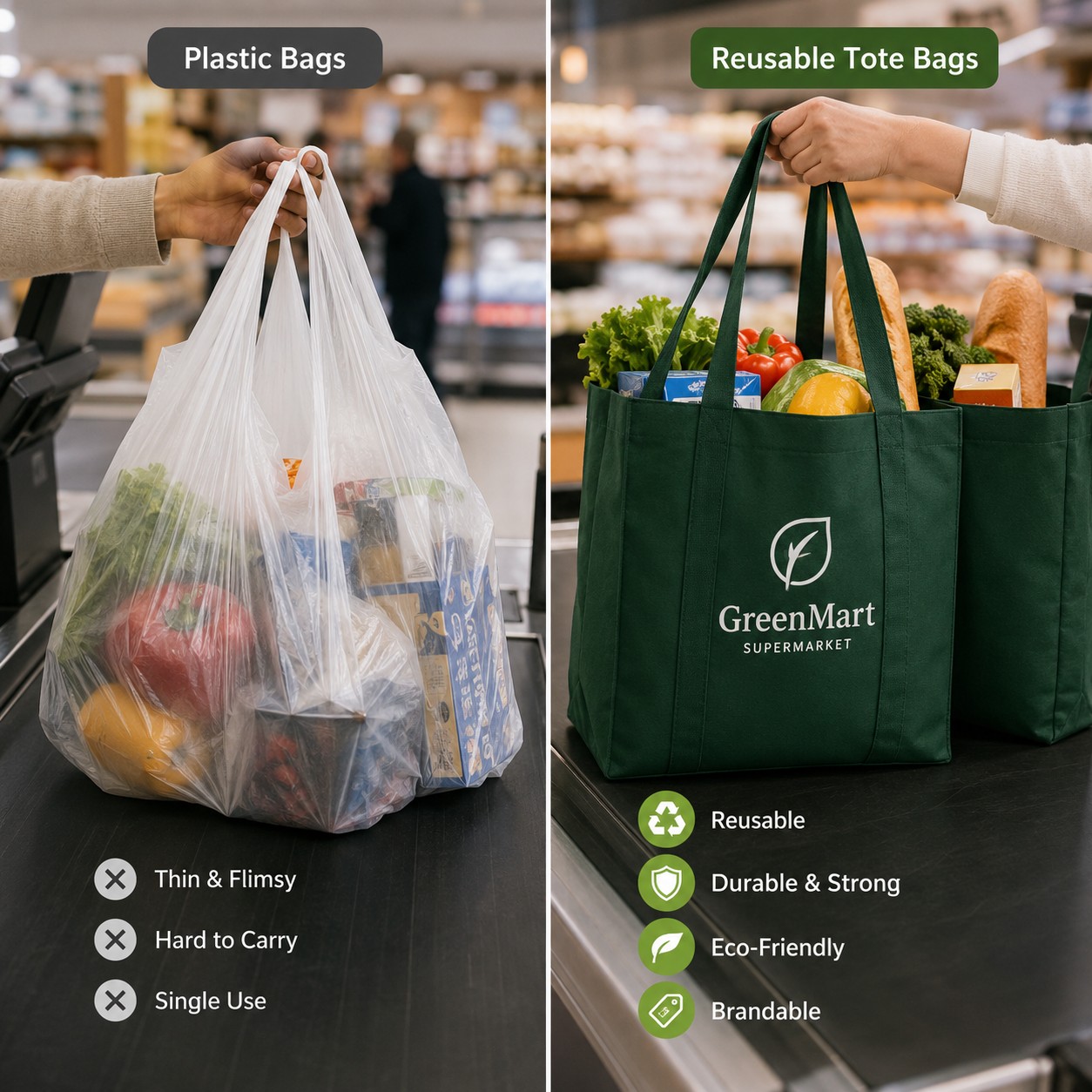
A clean supermarket checkout scene where customers carry reusable cotton and RPET tote bags filled with groceries, replacing traditional plastic bags. Bags feature simple supermarket logos and fresh produce inside.
The Shift Away from Plastic Bags
Plastic bags have historically been popular because they are low-cost and easy to distribute. However, their short lifespan creates a major problem. Many lightweight plastic bags are used only once before being discarded. They are also difficult to manage in recycling systems.
Soft plastic items such as grocery bags and wraps are often unsuitable for curbside recycling because they can clog recycling equipment, and they require designated drop-off or special recycling systems instead.Plastic bags don't go in the recycling bin. What should you do instead?
For supermarkets, this creates three major pressures:
- Regulatory pressure from plastic reduction policies
- Consumer pressure from environmentally conscious shoppers
-
Brand pressure to demonstrate responsibility and modern values
As a result, reusable shopping bags are becoming a more strategic choice for supermarkets, not only an environmental gesture.
Why Reusable Tote Bags Are a Better Fit for Supermarkets
Reusable tote bags solve several retail packaging problems at once. They are stronger than lightweight plastic bags, easier to customize, more attractive for shoppers, and better suited for repeated use.
UNEP has recommended replacing single-use products with fit-for-purpose reusable alternatives as part of efforts to reduce the impact of single-use plastic products.How to reduce the impacts of single-use plastic products
For supermarkets, this means reusable tote bags can support both operational needs and brand development.
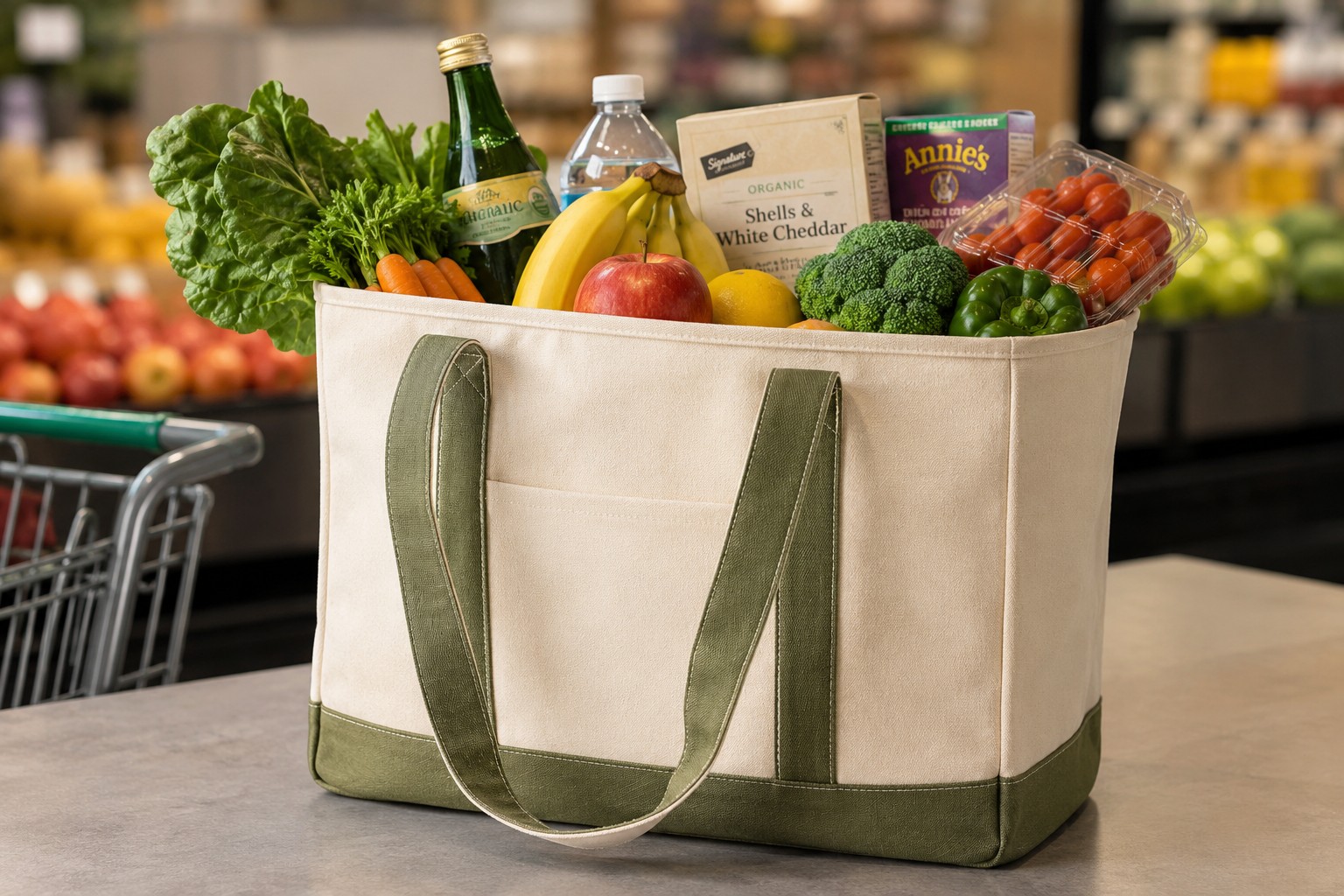
Durable Grocery Capacity
Image Description:
A reusable canvas grocery tote bag filled with vegetables, fruit, boxed food, and bottled drinks. The image highlights reinforced handles, wide bottom gusset, and strong stitching.
1. Reusable Bags Support Sustainability Goals
Sustainability is no longer just a marketing message. It has become a key part of retail strategy. Supermarkets need packaging solutions that support plastic reduction, waste prevention, and responsible consumption.
Reusable tote bags can be made from:
Each material can be selected based on the supermarket’s budget, branding direction, and environmental positioning.For example:Material |
Best For |
Main Advantage |
Cotton |
Premium grocery campaigns |
Natural, reusable, soft texture |
Canvas |
Heavy grocery shopping |
Strong and durable |
Jute |
Organic supermarkets |
Natural and rustic appearance |
RPET |
Sustainability campaigns |
Made from recycled plastic bottles |
Non-woven |
Cost-effective promotions |
Lightweight and economical |
Woven PP |
Large grocery loads |
Strong and water-resistant |
Reusable bags are most effective when they are designed for repeated use. That means strong handles, reinforced stitching, proper load capacity, and practical sizing matter more than just appearance.
2. They Improve Brand Visibility Beyond the Store
A plastic bag usually has a short marketing life. A reusable tote bag can continue promoting a supermarket for months or even years.
When customers reuse supermarket tote bags in daily life, the bag becomes a mobile advertisement. It may appear in:
This gives supermarkets a longer branding cycle than disposable packaging.
A reusable tote bag can display:
- Membership program message
- Brand mascot or illustration
For supermarket chains, this creates low-cost repeated exposure after the initial purchase or giveaway.
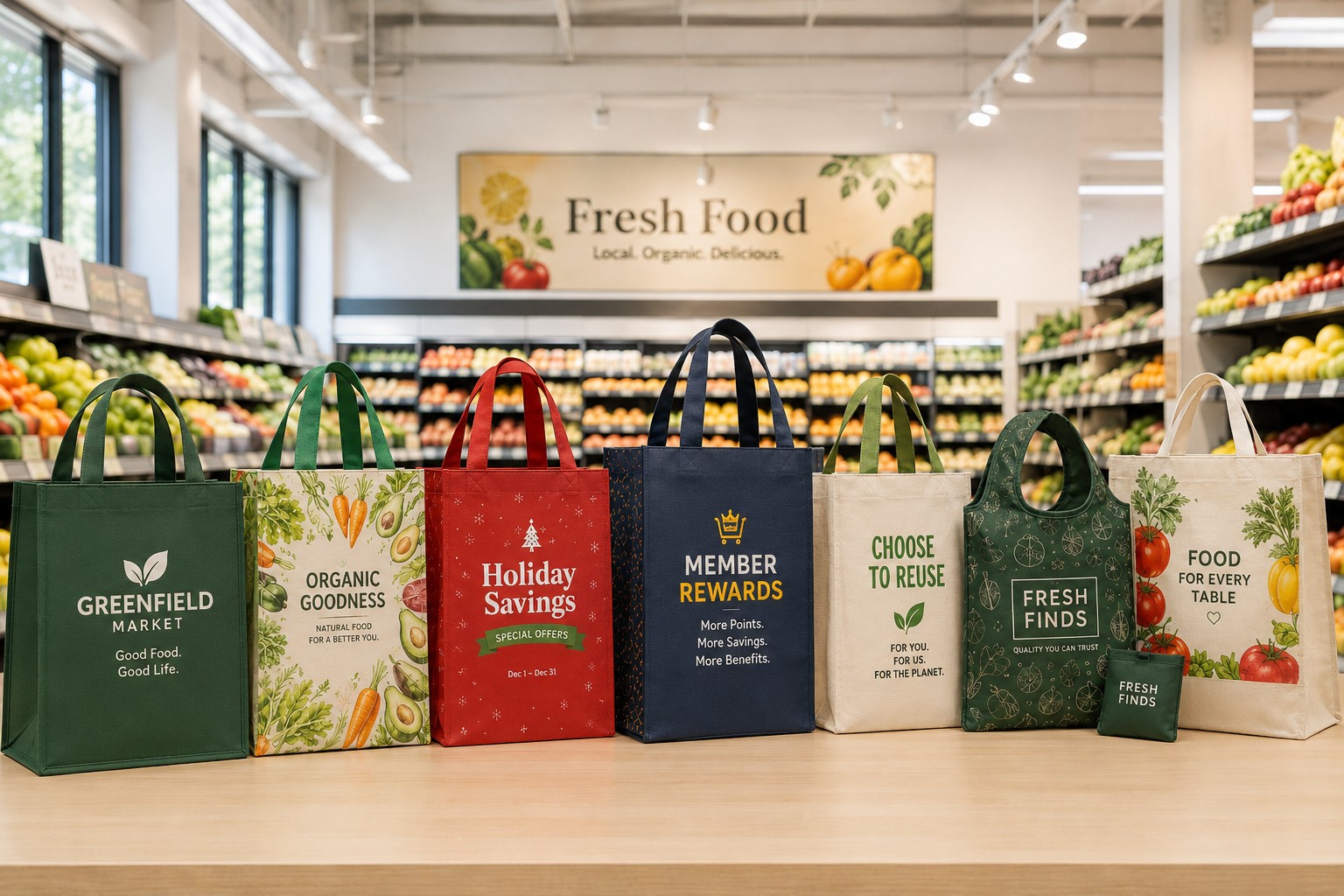
Custom Logo & Campaign Printing
Image Description:
A row of supermarket reusable tote bags with different printed designs: store logo, organic food illustration, holiday promotion, member rewards slogan, and eco-friendly message.
3. They Create a Better Customer Experience
Reusable tote bags offer a better shopping experience because they are stronger, easier to carry, and more visually appealing.
A well-designed supermarket tote bag should include:
- Comfortable handle length
- Reinforced handle stitching
- Enough capacity for groceries
- Foldable structure for storage
- Washable or wipe-clean material
- Optional zipper or snap button
- Optional inner pocket for receipts or cards
For customers, the bag feels more useful. For supermarkets, the bag creates a stronger brand impression.
Instead of giving customers a low-value disposable bag, supermarkets can provide a practical item that customers want to keep.
4. Reusable Tote Bags Are Ideal for Promotions
Supermarkets often run seasonal and membership-based campaigns. Reusable tote bags are especially suitable for these activities because they combine product utility with campaign visibility.
Common supermarket promotion scenarios include:
- Holiday shopping campaigns
- “Spend and receive” campaigns
- Sustainability week events
- Private label product launches
- Farmer’s market partnerships
For example, a supermarket may launch a holiday campaign where customers who spend over a certain amount receive a custom reusable tote bag with a festive design. The bag can include the supermarket logo, campaign message, and seasonal graphics. Customers continue using the bag after the promotion, which extends the campaign’s visibility beyond the store.
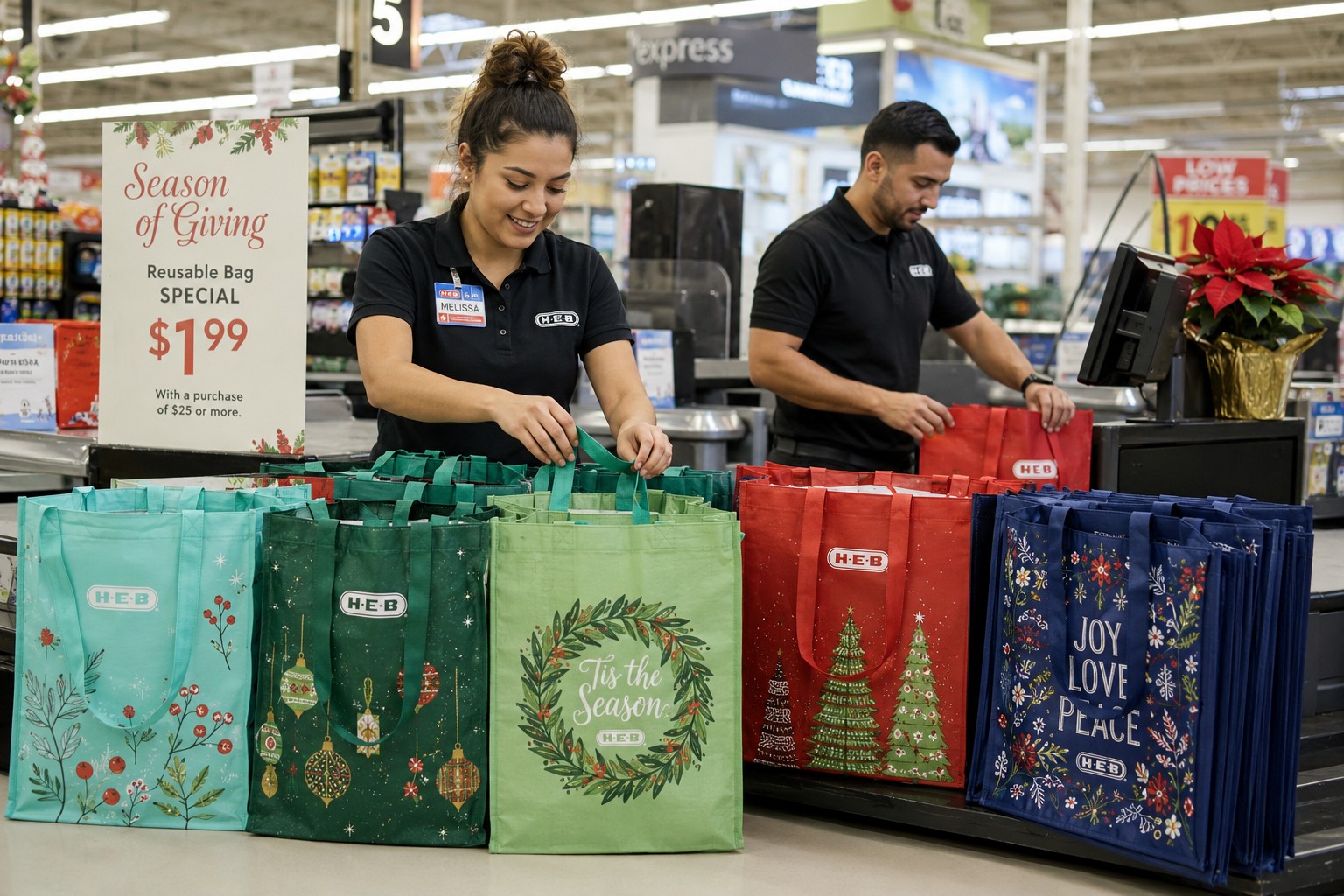
Seasonal Supermarket Promotion
Image Description:
Retail staff arranging reusable tote bags near a supermarket checkout counter for a seasonal promotion. Bags include festive colors, grocery illustrations, and supermarket branding.
5. They Help Supermarkets Adapt to Regulations
Many markets are increasing restrictions, charges, or reduction targets for lightweight plastic carrier bags. In the EU, the Plastic Bags Directive requires member states to take measures such as national reduction targets, economic instruments, or marketing restrictions to reduce plastic bag consumption. It also sets a target of no more than 40 lightweight plastic carrier bags per person per year by 31 December 2025, or an equivalent target by weight.Plastic bags - Environment - European Commission
This regulatory environment encourages supermarkets to prepare alternative bag solutions before plastic reduction becomes a bigger operational issue.
Reusable tote bags allow supermarkets to:
- Reduce dependence on single-use plastic bags
- Offer customers a compliant alternative
- Build a long-term packaging strategy
- Avoid sudden packaging disruption
- Improve sustainability communication
For international supermarket chains, reusable bag programs also create consistency across different regional markets.
6. They Offer Better Customization Than Plastic Bags
Reusable tote bags allow much more customization than standard plastic bags. Supermarkets can choose from different materials, structures, colors, printing methods, and packaging options.
Customization Options
Material Customization
- Cotton, canvas, jute, RPET, non-woven, woven PP, laminated fabric, and recycled materials.
Size & Structure
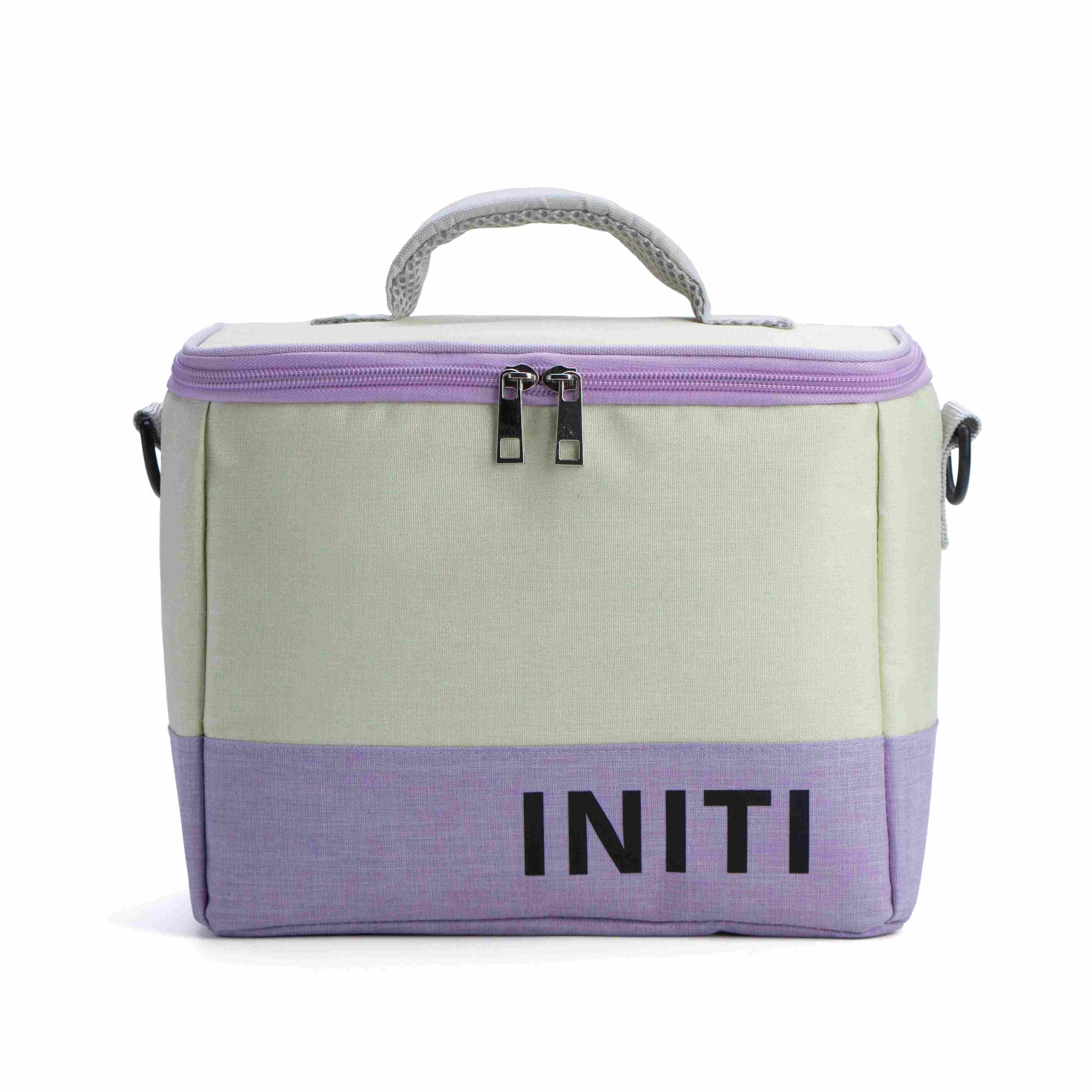
- Flat tote, bottom gusset bag, side gusset bag, box bag, foldable shopping bag, large shopper bag, cooler tote, and zipper tote.
Logo & Printing
- Screen printing, heat transfer, digital printing, embroidery, woven label, rubber patch, leather patch, and reflective printing.
Color Selection
- Pantone color matching, natural cotton color, seasonal colors, supermarket brand colors, and multi-color campaign designs.
Accessories
- Zipper, snap button, magnetic closure, drawstring, adjustable strap, inner pocket, reinforced bottom, and hang tag.
Packaging
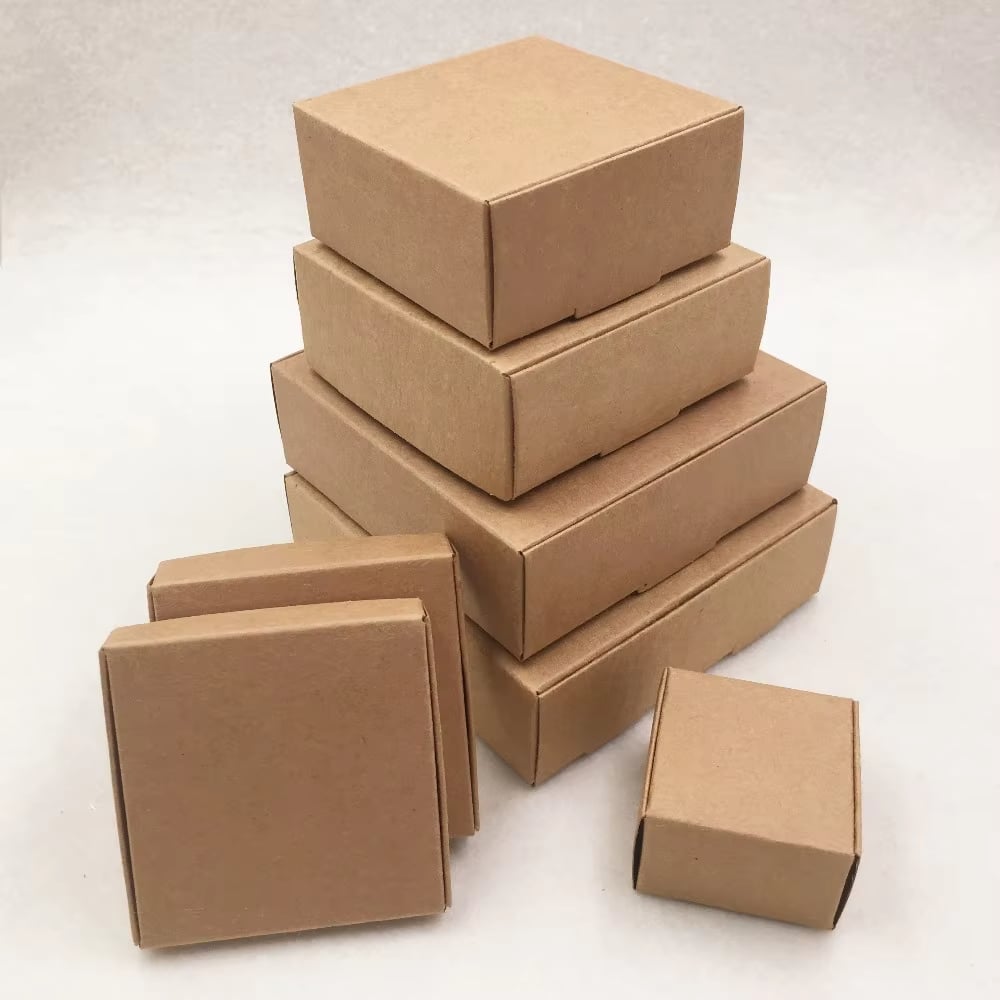
- OPP bag, kraft box, belly band, retail hang tag, barcode label, care label, bundle packaging, and promotional gift packaging.
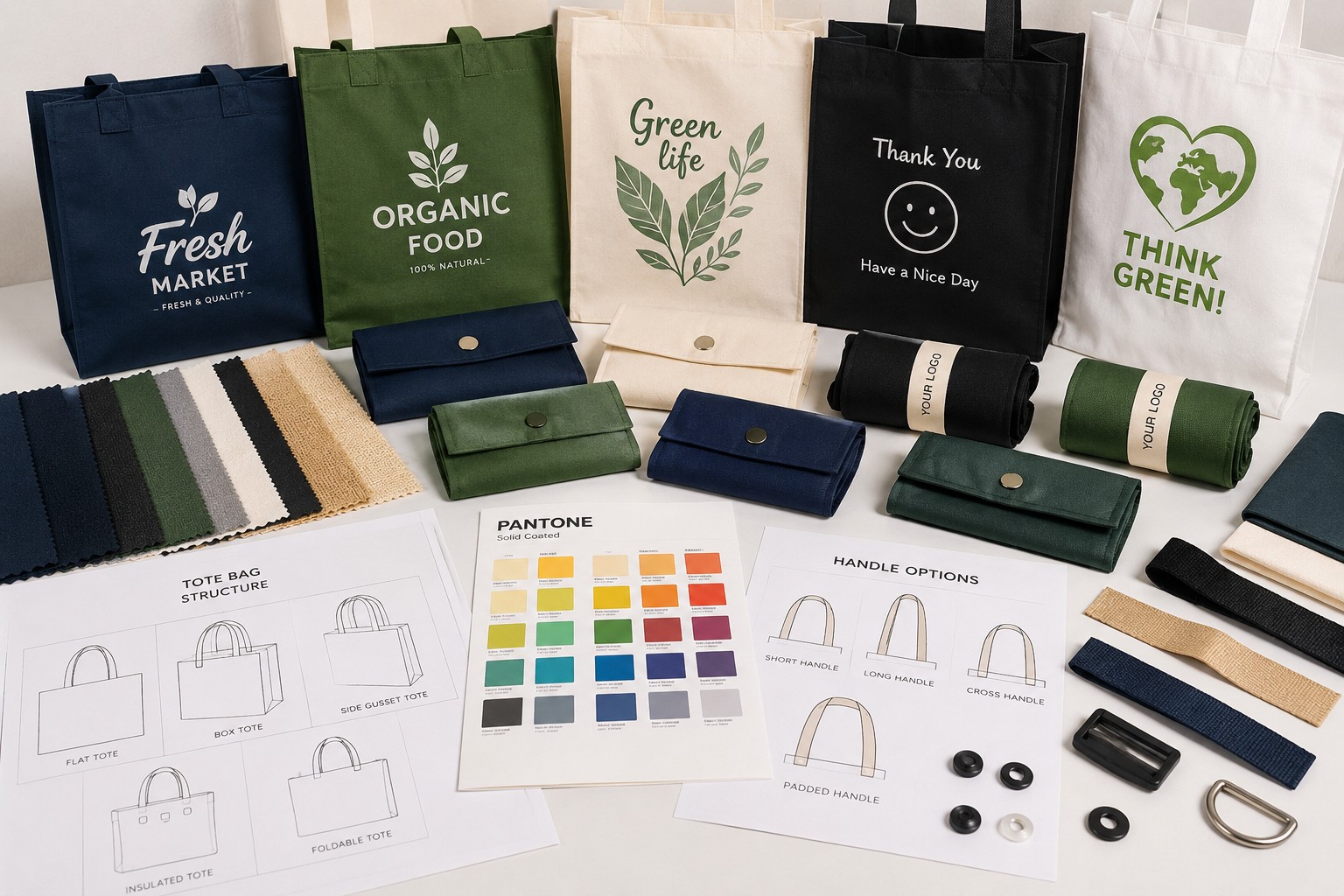
Material & Structure Customization
Image Description:
A studio table showing reusable bag material swatches, structure sketches, handle options, color cards, and sample supermarket tote bags.
How Supermarkets Can Choose the Right Reusable Tote Bag
Not every reusable bag is suitable for every supermarket campaign. The right choice depends on budget, customer profile, usage scenario, and brand positioning.
For Budget Promotions
Recommended options:
Best for:
For Premium Supermarkets
Recommended options:
Best for:
For Heavy Grocery Loads
Recommended options:
- Box structure shopping bags
Best for:
- Family-size supermarket baskets
For Fresh Food or Delivery
Recommended options:
- Laminated waterproof bags
Best for:
Production Considerations for Supermarket Chains
Supermarket orders often require high-volume production and consistent quality. A reusable bag supplier must be able to manage large quantities while maintaining stable standards.
Key production requirements include:
- Sampling before bulk production
For supermarket chains, quality consistency is important because bags are distributed across multiple stores. A small defect rate can become a large problem when order quantities reach tens of thousands of units.
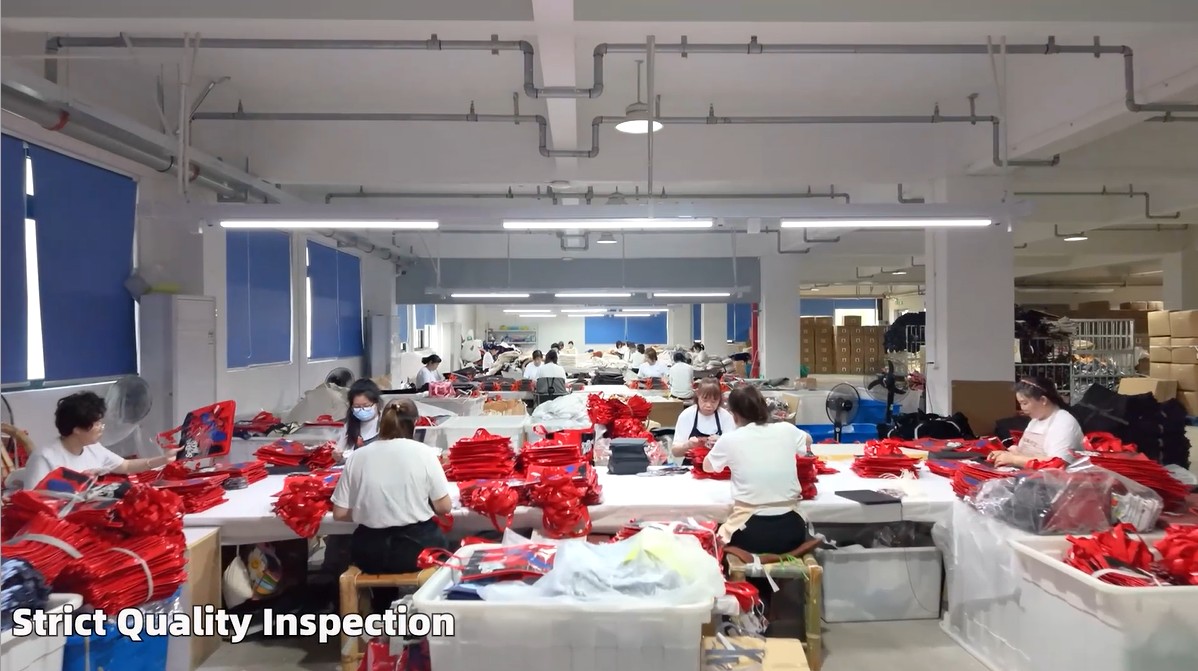
Bulk Production & Quality Control
Image Description:
Factory workers inspecting reusable supermarket tote bags on a production line, checking handle stitching, printed logos, fabric quality, and packing readiness.
Why Work With Us for Supermarket Reusable Tote Bags
We provide end-to-end custom reusable bag solutions for supermarkets, grocery stores, retail chains, and promotional buyers.
Our Advantages
- Professional B2B Experience
We understand supermarket purchasing needs, including bulk order planning, campaign timing, material selection, and packaging requirements.
- Full Customization Support
From material and structure to logo printing and retail packaging, every detail can be customized to match your supermarket brand.
- High-Volume Production Capacity
We support large-volume orders with stable production quality and reliable delivery schedules.
- Eco-Friendly Material Options
We offer cotton, canvas, jute, RPET, non-woven, and other reusable materials to support sustainability goals.
- Sample Approval Before Production
We provide sample development so buyers can confirm material, size, structure, logo placement, and printing quality before mass production.
- Quality Control at Every Step
Each order is inspected for fabric quality, stitching, logo accuracy, structure, and packaging before shipment.
Recommended Products for Supermarkets
- Reusable Cotton Tote Bags
Best for premium grocery brands and eco-friendly campaigns.
Strong, durable, and suitable for repeated heavy use.
Ideal for organic food stores, farmer’s markets, and natural product retailers.
Suitable for sustainability-focused campaigns using recycled materials.
Cost-effective choice for large promotional campaigns.
Durable, water-resistant, and suitable for large grocery purchases.
Designed for fresh food, frozen products, and grocery delivery services.
Call to Action
Looking for Custom Reusable Tote Bags for Your Supermarket?
We help supermarkets and retail chains create durable, reusable, and fully customized shopping bags for promotions, packaging, and everyday customer use.
Contact us today for:
FAQ
1.Why are supermarkets replacing plastic bags with reusable tote bags?
Supermarkets are replacing plastic bags because reusable tote bags help reduce single-use packaging, improve brand visibility, support sustainability goals, and provide customers with stronger, longer-lasting shopping bags.
2.What materials are best for supermarket reusable bags?
Common options include cotton, canvas, jute, RPET, non-woven fabric, woven polypropylene, and laminated materials. The best choice depends on budget, load capacity, brand positioning, and promotion type.
3.Can reusable supermarket bags be customized with logos?
Yes. Reusable supermarket bags can be customized with logos, slogans, QR codes, campaign artwork, seasonal designs, woven labels, embroidery, and full-color printing.
4.What bag structure is best for grocery shopping?
For grocery shopping, bags with a bottom gusset, side gusset, reinforced handles, and strong stitching are recommended. These structures provide better capacity and load-bearing performance.
5.Are RPET bags suitable for supermarkets?
Yes. RPET bags are suitable for supermarkets that want to promote recycled materials and sustainability. They are often used for eco-conscious retail campaigns and reusable shopping programs.
6.Can you produce large supermarket bag orders?
Yes. We support bulk production for supermarkets, grocery chains, retail stores, promotional companies, and brand campaigns.
7.Can we approve samples before mass production?
Yes. Sample approval is recommended before bulk production to confirm size, material, printing, structure, color, and packaging details.


 Hot News