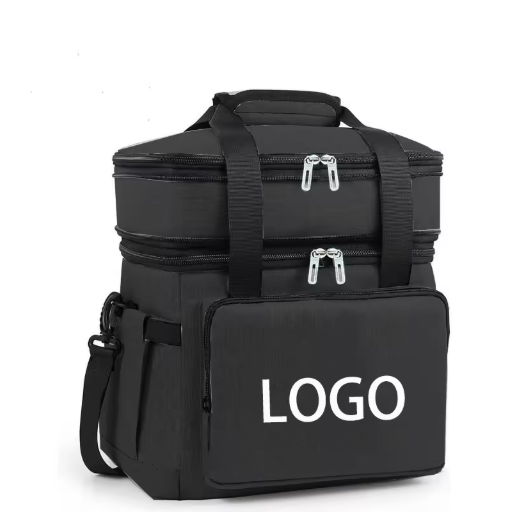
Premium Cooler Bag Factory - Custom Insulated Bag Manufacturing & Wholesale Solutions

Get a Free Quote

Our representative will contact you soon.
Email
Name
Company Name
Message
0/1000

cooler bag factory

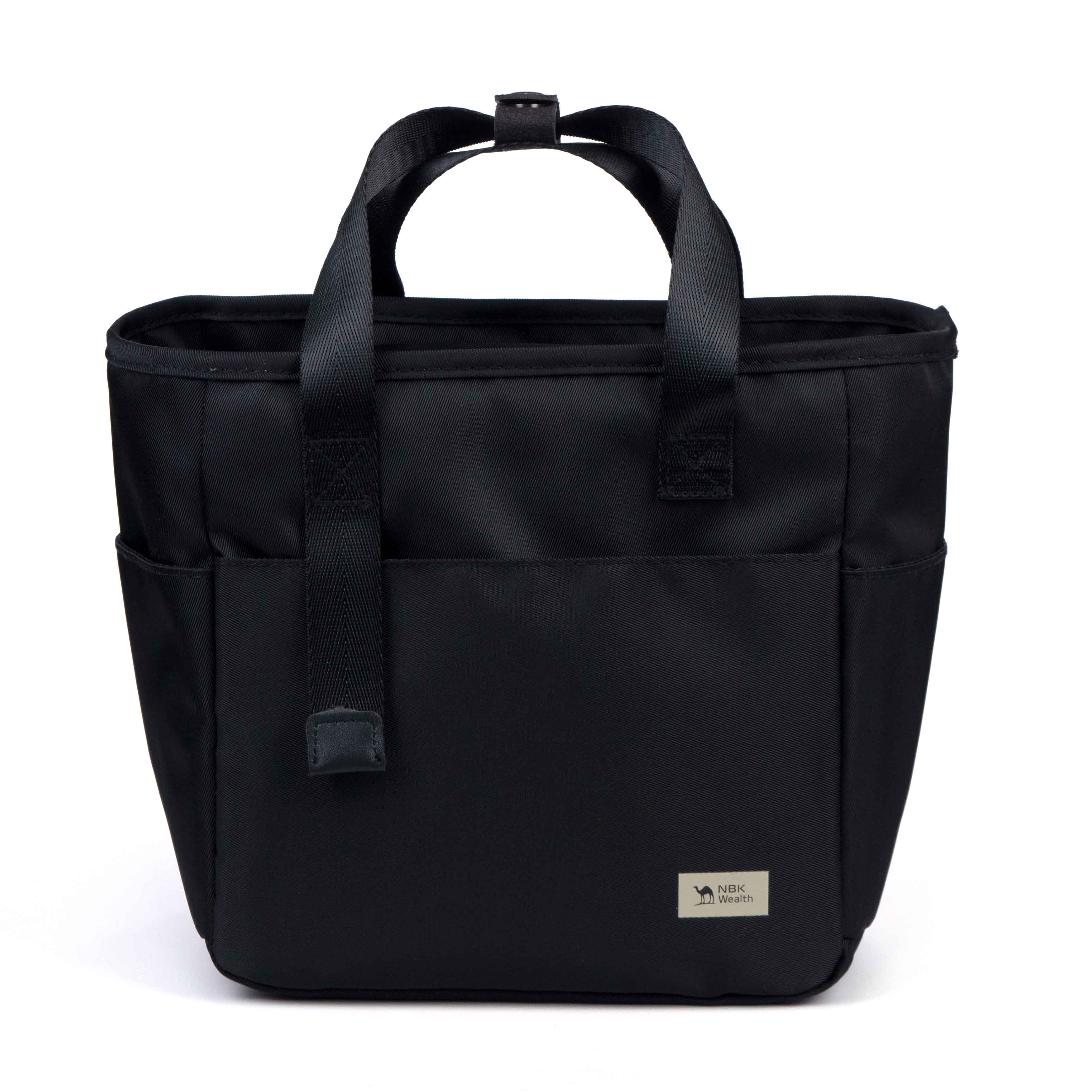
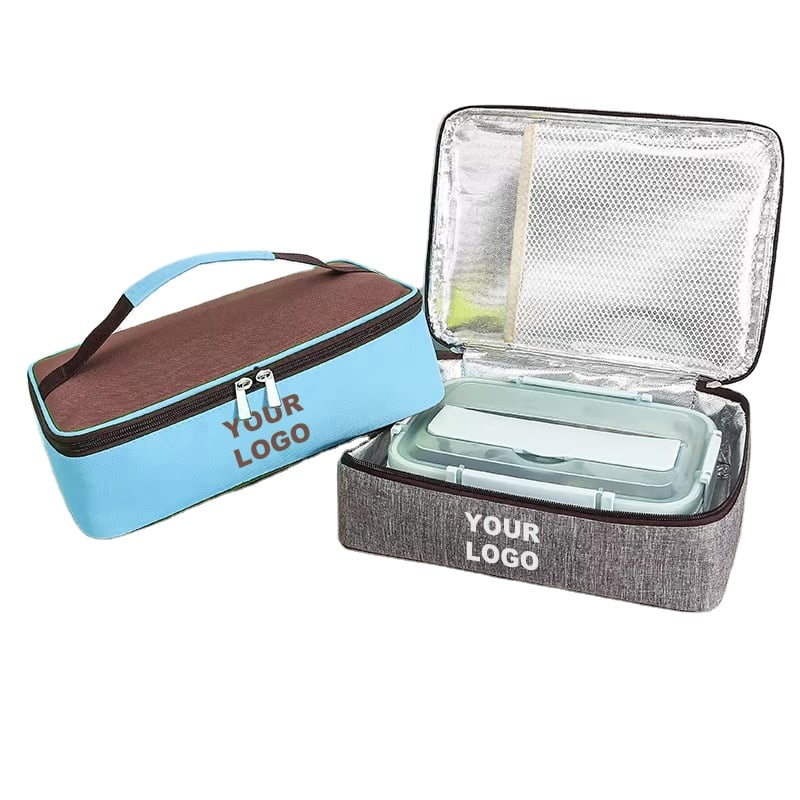
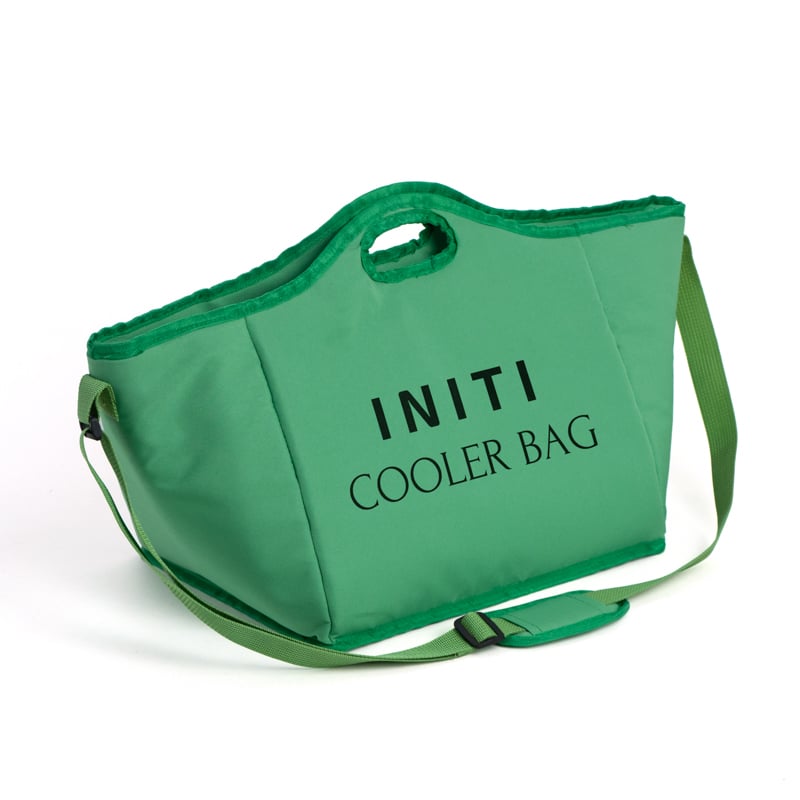
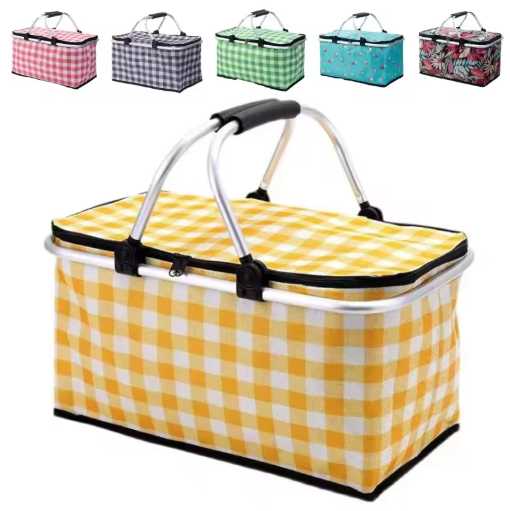
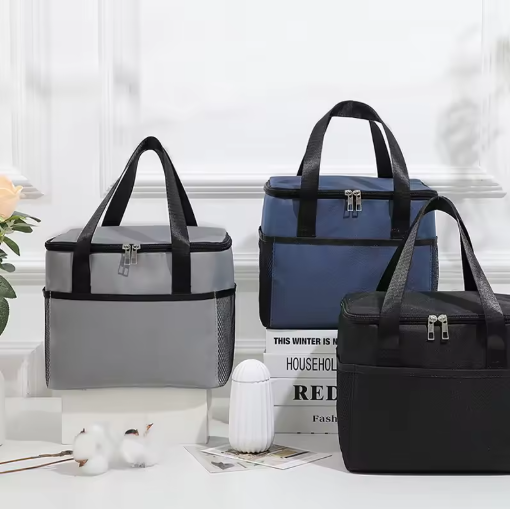
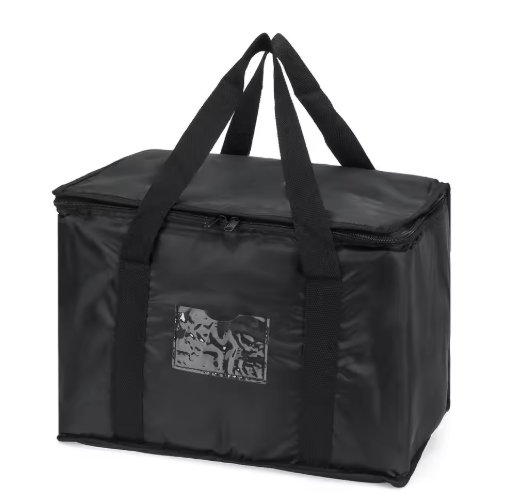
A cooler bag factory serves as a specialized manufacturing facility dedicated to producing insulated carriers designed to maintain temperature-controlled environments for food, beverages, and temperature-sensitive items. These factories operate with precision engineering and quality control systems to create products that meet diverse consumer and commercial needs. The primary function revolves around transforming raw materials including insulation foam, waterproof linings, durable outer fabrics, and reinforced zippers into finished products that preserve freshness during transport. Modern facilities integrate automated cutting machines, heat-sealing equipment, and stitching stations to ensure consistent production quality across thousands of units daily. The technological features employed include multi-layer insulation technology that creates barriers against external temperature fluctuations, leak-proof seam construction that prevents moisture escape, and ergonomic design elements that enhance user comfort during extended carrying periods. Advanced factories utilize computer-aided design software to prototype new models, allowing rapid iteration based on market feedback and emerging consumer preferences. Quality assurance protocols involve temperature retention testing, stress testing on handles and straps, and material durability assessments to guarantee products withstand real-world conditions. Applications span numerous sectors including outdoor recreation where hikers and campers require reliable food storage, commercial food delivery services that depend on maintaining proper temperatures during transit, medical transport of temperature-sensitive medications and specimens, and everyday grocery shopping where consumers seek to preserve perishables during the journey home. The factory environment typically features climate-controlled production areas to ensure adhesives and materials perform optimally, organized inventory systems for efficient material flow, and trained personnel who understand the nuances of insulation assembly and quality standards that distinguish superior products from basic alternatives in an increasingly competitive marketplace.

New Products

Partnering with a dedicated cooler bag factory delivers substantial practical benefits that directly impact your bottom line and customer satisfaction levels. First, you gain access to economies of scale that independent production simply cannot match, resulting in lower per-unit costs that improve profit margins or allow competitive pricing strategies. The factory maintains established relationships with material suppliers, securing bulk purchasing agreements that translate to cost savings passed along to clients. Production efficiency stands as another significant advantage, with streamlined workflows and specialized equipment enabling faster turnaround times from order placement to delivery. This speed-to-market capability proves crucial when launching seasonal products or responding to sudden demand spikes. Quality consistency represents a third major benefit, as factories implement standardized procedures and regular inspections that minimize defects and ensure every unit meets predetermined specifications. This reliability reduces return rates and strengthens brand reputation among end users. Customization flexibility allows businesses to differentiate their offerings through unique color schemes, logo placement, size variations, and feature additions without requiring separate manufacturing setups. The factory absorbs the complexity of managing multiple SKUs while maintaining production efficiency. Technical expertise within the facility provides valuable consultation during product development phases, helping clients avoid common design pitfalls and optimize functionality based on years of manufacturing experience. This knowledge transfer accelerates innovation and reduces costly prototype iterations. Scalability becomes effortless as your business grows, with the factory capable of ramping production volumes without requiring you to invest in additional infrastructure or personnel. This flexibility supports both steady growth trajectories and unexpected viral success scenarios. Compliance assurance offers peace of mind, as established factories maintain certifications and adhere to safety regulations across different markets, handling the bureaucratic complexity of international standards. Supply chain reliability minimizes disruption risks, with factories maintaining backup supplier networks and inventory buffers that protect against material shortages. Finally, the factory assumes responsibility for equipment maintenance, workforce training, and process improvements, freeing your team to focus on marketing, sales, and customer relationship management rather than manufacturing logistics and operational troubleshooting that drain resources from core competencies.

Tips And Tricks

Why Is a Paper Bag Considered Eco-Friendly Packaging?

08

Jun

Why Is a Paper Bag Considered Eco-Friendly Packaging?

When businesses and consumers seek more responsible packaging choices, the paper bag consistently rises to the top of the conversation. Unlike plastic alternatives that persist in landfills and oceans for centuries, a paper bag is derived from a rene...
View More
How Does a Cooler Bag Maintain Temperature for Long Hours?

17

Jun

How Does a Cooler Bag Maintain Temperature for Long Hours?

Whether you are heading to a weekend picnic, managing a pharmaceutical delivery route, or packing food for a long outdoor excursion, a cooler bag is one of the most practical tools you can carry. But many users wonder how exactly this seemingly simpl...
View More
What Factors Affect How Long a Cooler Bag Stays Cold?

11

Jun

What Factors Affect How Long a Cooler Bag Stays Cold?

Whether you are packing lunch for a long workday, transporting perishable goods for a client delivery, or heading out on a weekend adventure, understanding how long your cooler bag stays cold is essential for both food safety and practical planning. ...
View More
What Is a Cooler Bag and How Does It Keep Food Cold?

11

Jun

What Is a Cooler Bag and How Does It Keep Food Cold?

A cooler bag is one of the most practical and widely used tools for maintaining food and beverage temperatures during transport, outdoor activities, and everyday commuting. Whether you are packing lunch for the office, heading to a beach picnic, or m...
View More

Get a Free Quote

Our representative will contact you soon.
Email
Name
Company Name
Message
0/1000

cooler bag factory

Advanced Multi-Layer Insulation Technology

Advanced Multi-Layer Insulation Technology

The cornerstone of any superior cooler bag factory lies in its mastery of advanced multi-layer insulation technology, a sophisticated approach that separates premium products from basic alternatives in the marketplace. This technology involves carefully engineered layers working in concert to create an effective thermal barrier that maintains desired temperatures for extended periods. The outermost layer typically consists of durable, weather-resistant fabric that protects against environmental factors while providing aesthetic appeal through various colors and patterns. Beneath this exterior, a middle insulation layer employs high-density foam materials, often polyethylene or specialized closed-cell foams that trap air pockets to minimize heat transfer through conduction and convection. The innermost layer features food-grade, leak-proof lining materials that prevent moisture penetration while remaining easy to clean and maintain. What distinguishes factory-produced bags from homemade alternatives is the precision in layer bonding, where industrial heat-sealing equipment creates seamless connections that eliminate weak points where temperature loss typically occurs. The factory invests in testing equipment that measures thermal retention across various ambient conditions, ensuring products maintain ice for 12, 24, or even 48 hours depending on the model specifications. This testing rigor guarantees customers receive products that perform as advertised rather than disappointing during actual use. The technology extends beyond simple layering to include reflective barriers that bounce radiant heat away from contents, strategic air gap placement that enhances insulation effectiveness, and reinforced stress points where handles attach to prevent structural failure under heavy loads. Factories continuously research new materials and construction methods, incorporating innovations like phase-change materials that actively absorb heat or vacuum-insulated panels that provide superior performance in compact form factors. This commitment to technological advancement ensures products remain competitive as consumer expectations evolve and new applications emerge. The manufacturing process requires specialized knowledge about material compatibility, as certain adhesives or foams may degrade when exposed to specific temperature ranges or cleaning chemicals. Factory technicians understand these nuances, selecting combinations that optimize both performance and longevity while maintaining cost-effectiveness for various price points in the market.
Customization Capabilities and Design Flexibility

Customization Capabilities and Design Flexibility

A professional cooler bag factory distinguishes itself through comprehensive customization capabilities and design flexibility that empower brands to create distinctive products aligned with their unique market positioning and customer preferences. This advantage begins with the factory's ability to accommodate diverse size requirements, from compact lunch bags holding single meals to large-capacity coolers suitable for family outings or commercial catering operations. The design team works collaboratively with clients to determine optimal dimensions based on intended use cases, ensuring products neither waste space through excessive size nor frustrate users with inadequate capacity. Beyond dimensions, factories offer extensive color customization using various dyeing and printing techniques that achieve precise brand color matching across different material types. This consistency proves essential for companies building recognizable visual identities in crowded marketplaces. Logo placement and branding integration receive careful attention, with factories providing multiple application methods including screen printing for bold graphics, embroidery for premium texture and durability, heat transfer for photographic quality images, and woven labels for subtle sophistication. Each technique offers distinct advantages regarding cost, durability, and visual impact, with factory experts guiding clients toward optimal choices for their specific requirements. Structural customization extends to handle configurations, with options including padded shoulder straps for comfort during extended carrying, reinforced grab handles for quick transport, detachable straps for versatility, and even wheeled bases for heavy-load applications. Interior organization features can be tailored with removable dividers, mesh pockets for small items, elastic loops for utensils, and specialized compartments for ice packs or bottles. The factory maintains libraries of proven design elements that clients can mix and match, accelerating development while ensuring structural integrity and manufacturing feasibility. Prototype development capabilities allow physical samples before committing to full production runs, enabling real-world testing and stakeholder feedback that refines designs before significant investment. This iterative approach minimizes the risk of costly mistakes and ensures final products meet or exceed expectations. Material selection flexibility accommodates various budget levels and performance requirements, from economy options using standard polyester fabrics to premium choices featuring recycled materials, antimicrobial treatments, or designer textiles that command higher retail prices. The factory's purchasing power and supplier relationships provide access to material options that individual buyers cannot easily source, expanding creative possibilities while maintaining cost efficiency through bulk procurement advantages.

Quality Control Systems and Production Consistency

Quality Control Systems and Production Consistency

The implementation of rigorous quality control systems and unwavering production consistency represents a fundamental advantage that professional cooler bag factories deliver to their clients and ultimately to end consumers. These systems begin at the raw material receiving stage, where incoming fabrics, foams, zippers, and other components undergo inspection against predetermined specifications for thickness, color accuracy, tensile strength, and other critical parameters. This initial screening prevents defective materials from entering the production line, where they would compromise finished product quality and potentially necessitate costly recalls or damage brand reputation. Throughout the manufacturing process, quality checkpoints occur at strategic intervals, with trained inspectors examining seam integrity, insulation layer alignment, zipper functionality, and overall construction quality before units advance to subsequent stages. This distributed inspection approach catches issues early when corrections remain simple and inexpensive rather than discovering problems only after complete assembly. The factory maintains detailed documentation of inspection results, creating traceability that enables root cause analysis when defects occur and facilitates continuous improvement initiatives that systematically eliminate recurring issues. Statistical process control methods track key metrics over time, identifying trends that might indicate equipment wear, material batch variations, or operator training needs before they manifest as customer complaints. This proactive approach to quality management distinguishes professional operations from facilities that rely solely on final inspection to catch problems. Testing protocols extend beyond visual inspection to include functional assessments such as temperature retention trials where bags are filled with ice and monitored over 24 to 48 hour periods under controlled conditions, leak testing where filled bags are subjected to pressure and movement to verify seal integrity, and durability testing where handles and straps endure repeated stress cycles simulating months or years of typical use. These objective measurements provide confidence that products will perform reliably in real-world conditions rather than failing prematurely and generating negative reviews. The factory invests in calibrated testing equipment and maintains testing protocols aligned with industry standards and regulatory requirements across different markets, ensuring products meet legal obligations and safety expectations. Production consistency benefits from standardized work instructions that document optimal procedures for each manufacturing step, reducing variability introduced by individual operator techniques and facilitating training for new personnel. Equipment maintenance schedules ensure machines operate within specifications, preventing gradual degradation that might subtly affect product quality over time. Batch tracking systems link finished products to specific material lots and production dates, enabling targeted responses if issues emerge after distribution rather than requiring blanket recalls that destroy inventory value and customer trust.
Inquiry Inquiry Email Email Tel Tel WhatsApp WhatsApp

Get a Free Quote

Our representative will contact you soon.
Email
Name
Company Name
Message
0/1000