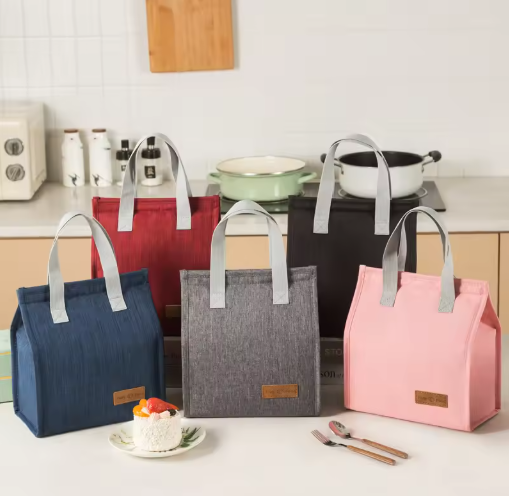
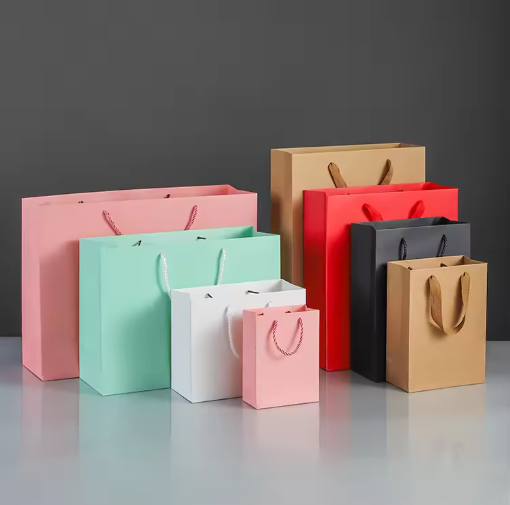
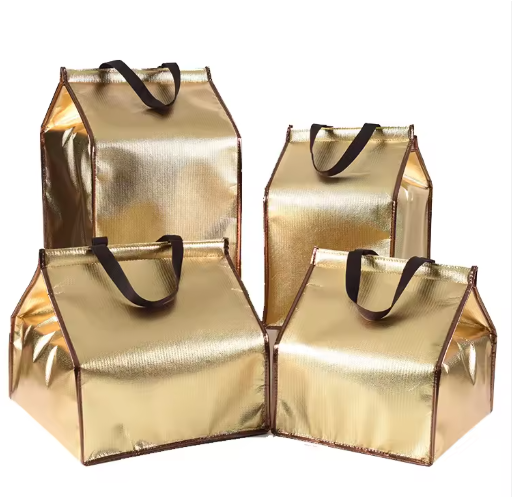
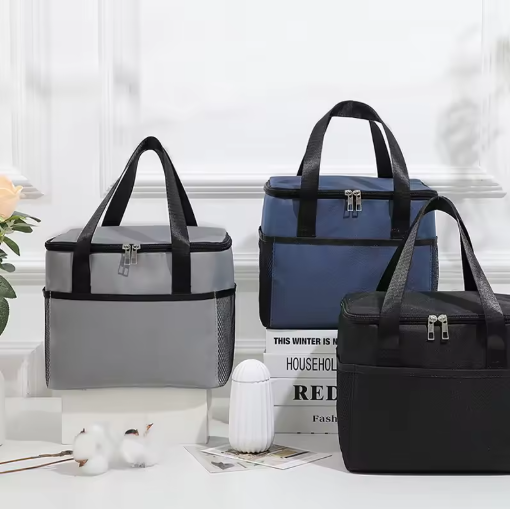
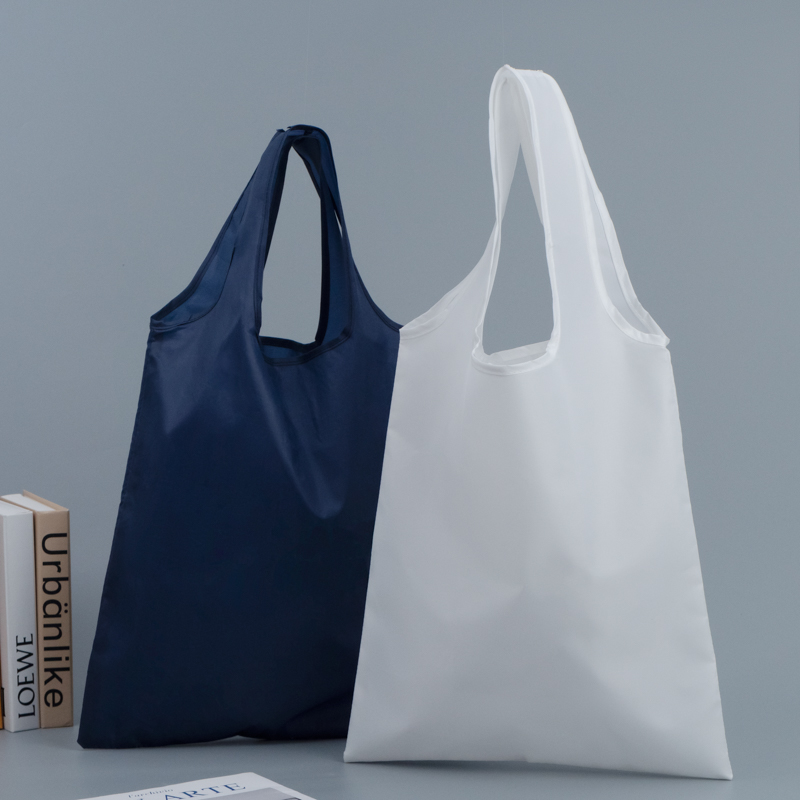
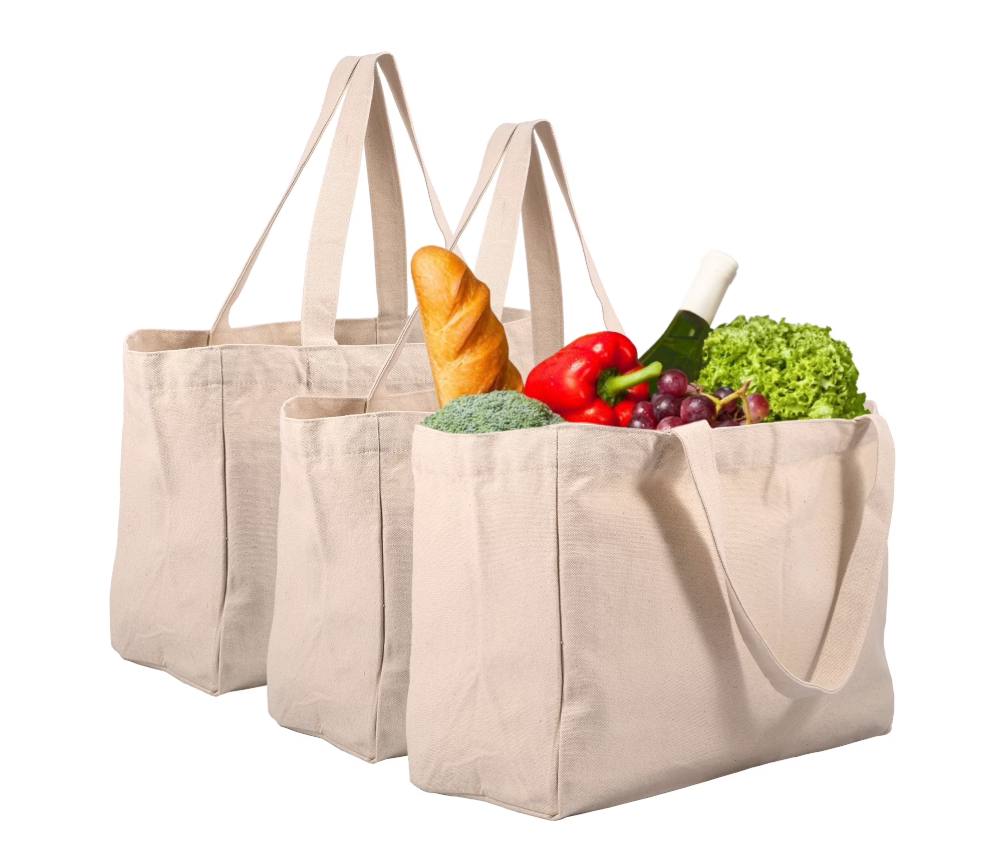
Professional Shopping Bag Factory - Custom Manufacturing Solutions for Retail and Commercial Packaging

Get a Free Quote

Our representative will contact you soon.
Email
Name
Company Name
Message
0/1000

shopping bag factory

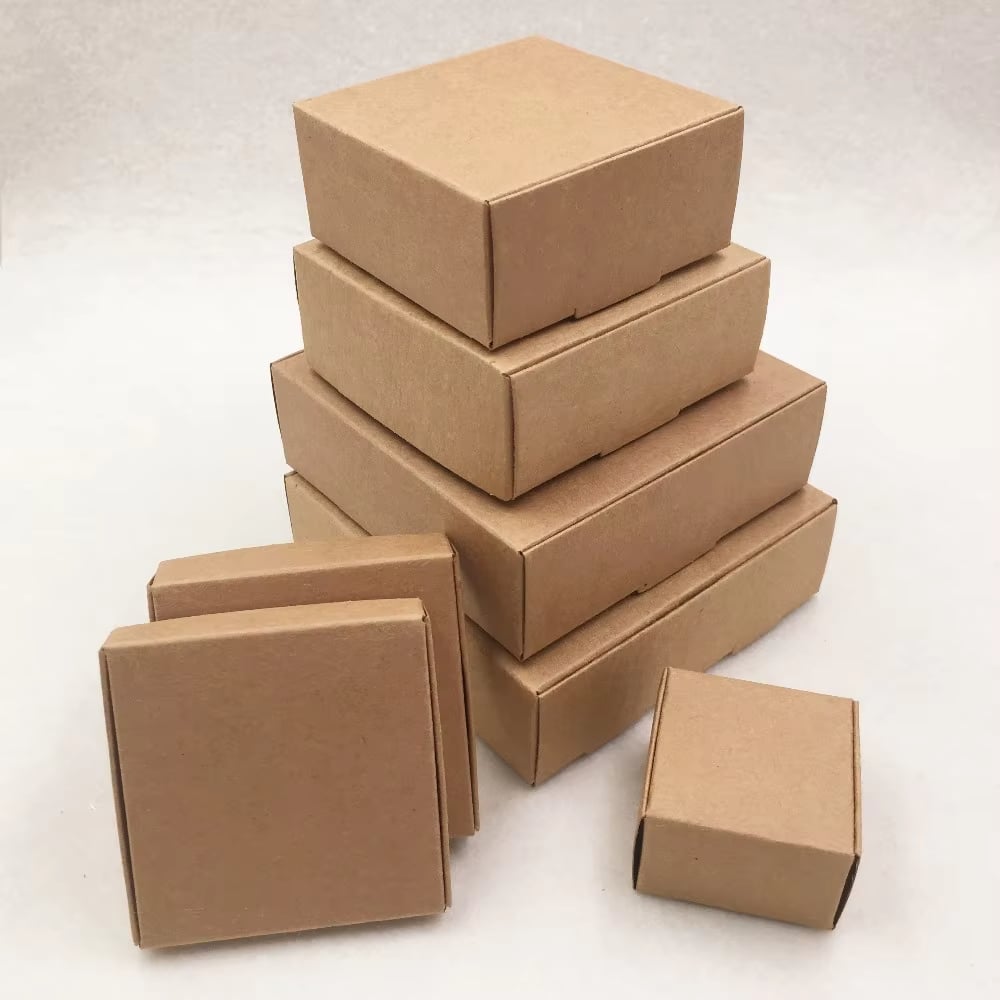
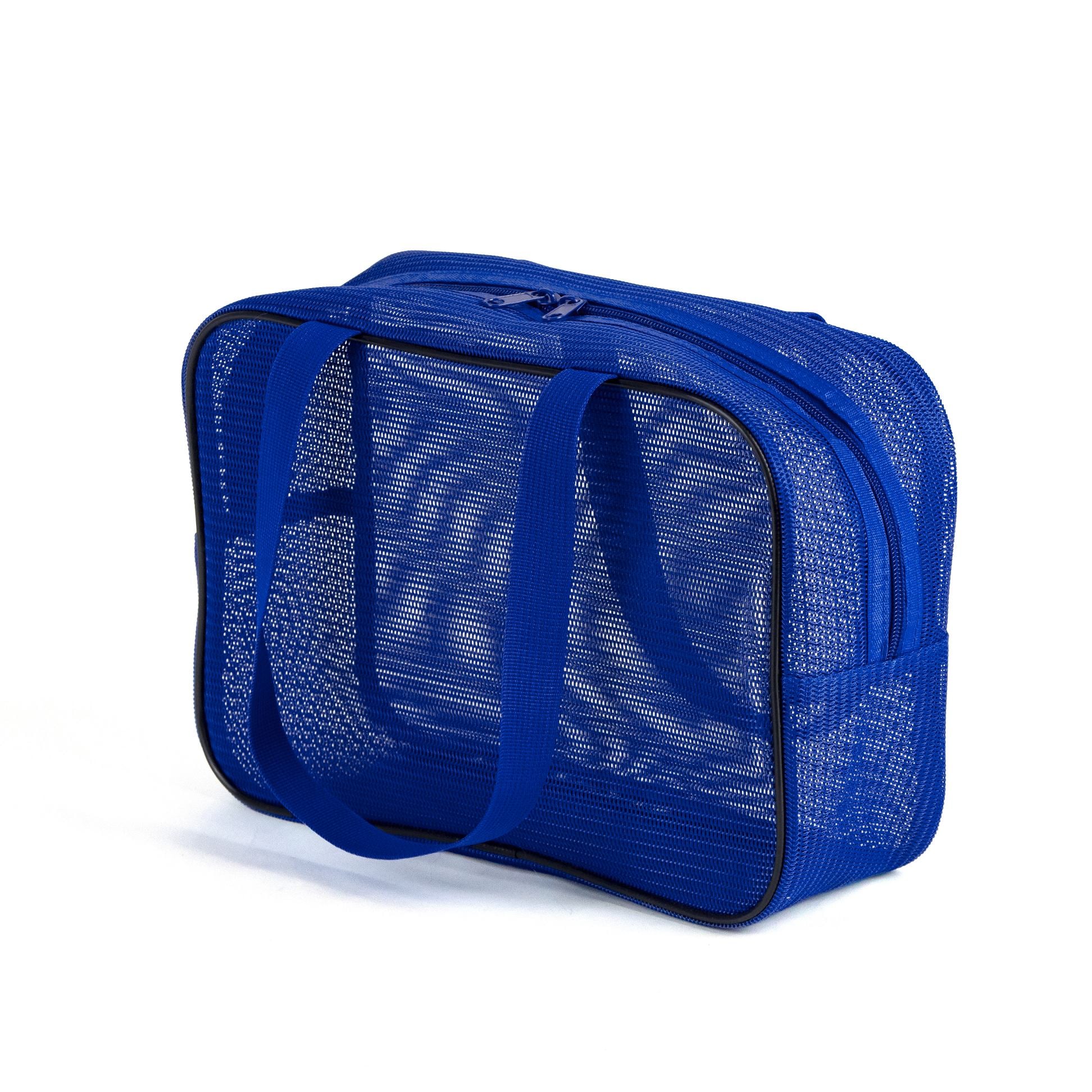
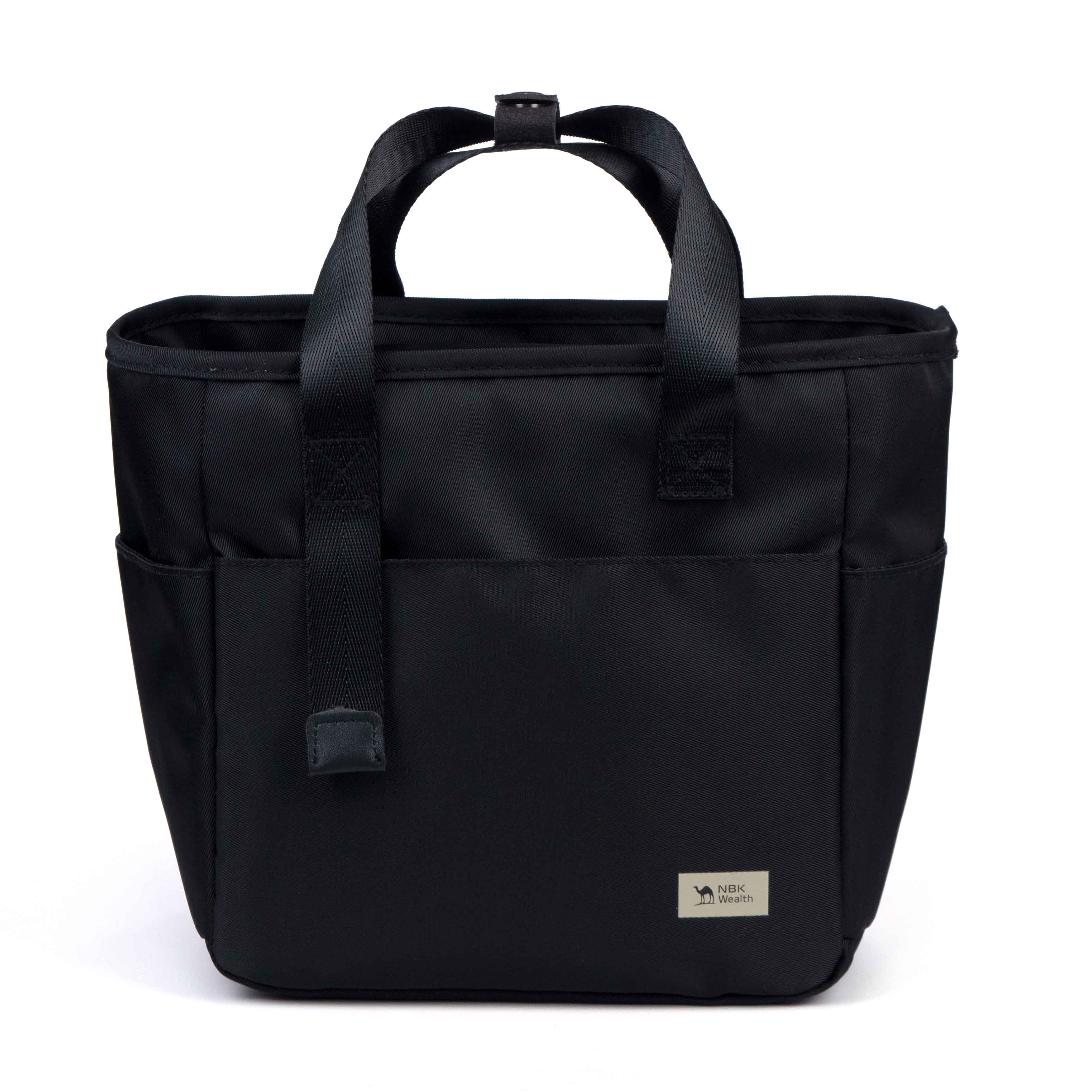
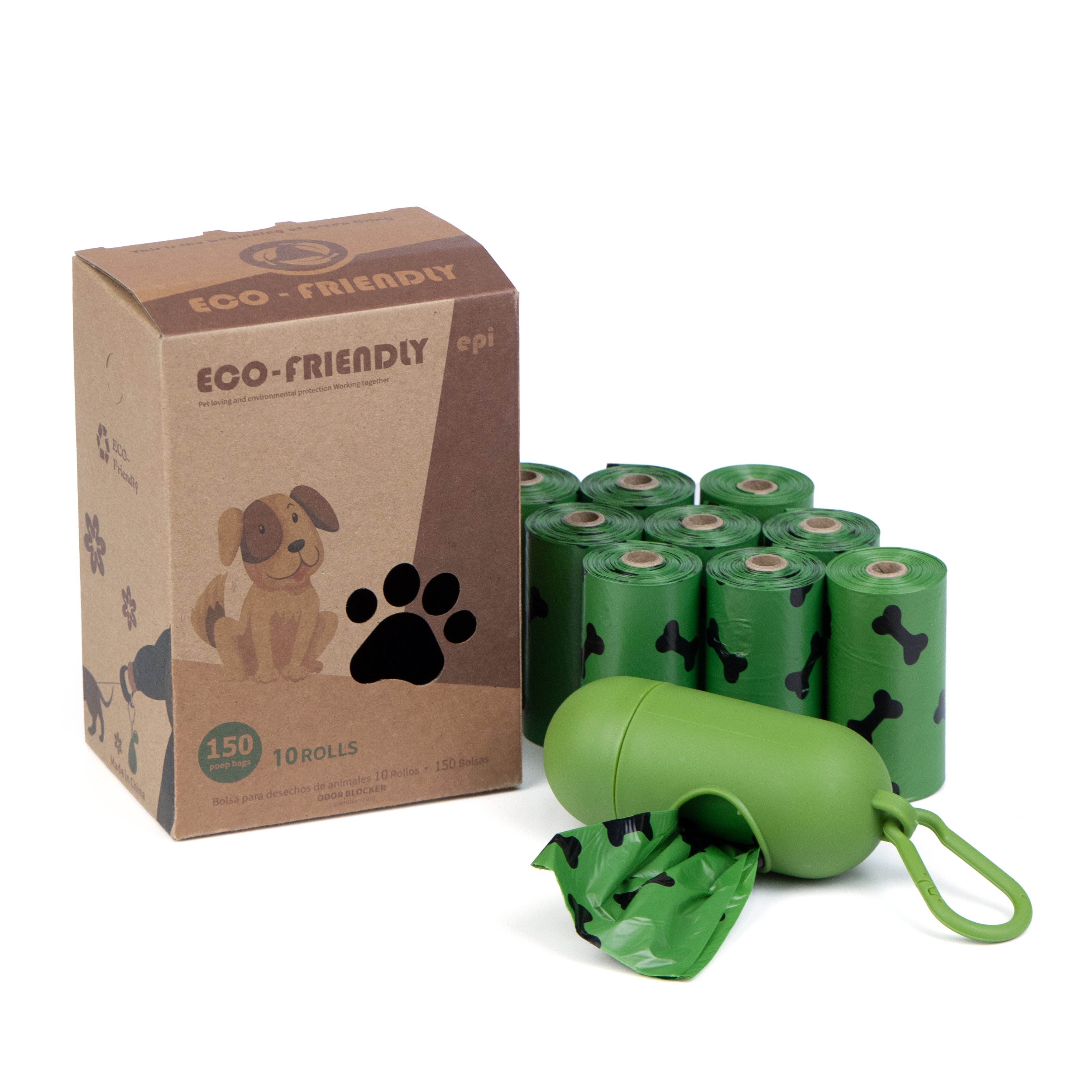
A shopping bag factory represents a specialized manufacturing facility dedicated to producing various types of bags designed for retail, commercial, and personal use. These modern production centers combine advanced machinery, skilled workforce, and quality control systems to create bags that meet diverse market demands. The primary function of a shopping bag factory involves transforming raw materials such as paper, plastic, non-woven fabric, cotton, and biodegradable compounds into finished products that serve both functional and marketing purposes. The technological infrastructure within these facilities includes printing equipment for brand customization, cutting machines for precise dimensions, handle attachment systems, and automated packaging lines that ensure consistent output quality. Contemporary shopping bag factories have evolved beyond simple production units to become comprehensive solutions providers that offer design consultation, material selection guidance, and sustainable manufacturing options. The applications of products from a shopping bag factory span multiple industries including grocery retail, fashion boutiques, pharmaceutical distribution, food service, promotional events, and e-commerce fulfillment. These facilities typically maintain flexibility in production capabilities, allowing them to manufacture everything from small boutique-sized paper bags with elegant finishes to large-volume orders of durable reusable bags for supermarket chains. The integration of digital printing technology enables factories to produce vibrant, high-resolution graphics that transform simple bags into powerful marketing tools. Environmental considerations have become central to modern factory operations, with many facilities now specializing in eco-friendly alternatives that reduce environmental impact while maintaining durability and aesthetic appeal. Quality assurance protocols ensure that every bag meets strength requirements, print quality standards, and dimensional accuracy before leaving the facility, providing customers with reliable products that enhance their brand image and customer experience.

Popular Products

Partnering with a dedicated shopping bag factory delivers substantial cost savings through economies of scale and streamlined production processes. When you work directly with manufacturers, you eliminate middleman markups and gain access to wholesale pricing that significantly reduces your per-unit costs, especially for bulk orders. These factories maintain established relationships with raw material suppliers, securing better prices on paper, fabric, and other components, savings that transfer directly to you. The production efficiency of specialized facilities means faster turnaround times compared to general manufacturers, allowing you to respond quickly to market demands and seasonal fluctuations without maintaining excessive inventory. Customization capabilities represent another major advantage, as factories offer extensive options for size, material, color, printing, and finishing touches that align perfectly with your brand identity. You gain access to professional design support that helps translate your vision into practical, attractive products without hiring external consultants. Quality consistency stands as a critical benefit, with established factories implementing rigorous testing and inspection procedures that ensure every bag meets your specifications and performs reliably for end users. This consistency protects your brand reputation and reduces customer complaints related to product failure. Environmental responsibility becomes achievable through factory partnerships, as many facilities now offer sustainable material options, water-based inks, and production methods that minimize waste and carbon footprint. This allows you to meet growing consumer demand for eco-conscious products without compromising on quality or aesthetics. Flexibility in order quantities accommodates businesses of all sizes, from startups needing smaller initial runs to established retailers requiring millions of units annually. Technical expertise available at these factories helps you select appropriate materials and construction methods for your specific use case, whether you need lightweight bags for clothing retail or reinforced options for heavy grocery items. The ability to maintain consistent supply chains through reliable factory relationships prevents stock-outs that could disrupt your operations and disappoint customers. Additionally, many factories offer warehousing services that reduce your storage costs and logistical complexity. Innovation access keeps your products competitive, as factories continuously invest in new technologies, materials, and production techniques that enhance functionality and appeal. This ongoing development means you benefit from industry advances without making capital investments in equipment or research.

Latest News

What Is a Lunch Bag and How Does It Keep Food Fresh?

08

Jun

What Is a Lunch Bag and How Does It Keep Food Fresh?

A lunch bag is far more than a simple container for carrying your midday meal. It is a purpose-engineered piece of everyday gear designed to maintain food quality, temperature, and safety from the moment you pack it at home to the moment you sit down...
View More
Why Is a Paper Bag Considered Eco-Friendly Packaging?

08

Jun

Why Is a Paper Bag Considered Eco-Friendly Packaging?

When businesses and consumers seek more responsible packaging choices, the paper bag consistently rises to the top of the conversation. Unlike plastic alternatives that persist in landfills and oceans for centuries, a paper bag is derived from a rene...
View More
How Does a Cooler Bag Maintain Temperature for Long Hours?

17

Jun

How Does a Cooler Bag Maintain Temperature for Long Hours?

Whether you are heading to a weekend picnic, managing a pharmaceutical delivery route, or packing food for a long outdoor excursion, a cooler bag is one of the most practical tools you can carry. But many users wonder how exactly this seemingly simpl...
View More
What Is a Cooler Bag and How Does It Keep Food Cold?

11

Jun

What Is a Cooler Bag and How Does It Keep Food Cold?

A cooler bag is one of the most practical and widely used tools for maintaining food and beverage temperatures during transport, outdoor activities, and everyday commuting. Whether you are packing lunch for the office, heading to a beach picnic, or m...
View More

Get a Free Quote

Our representative will contact you soon.
Email
Name
Company Name
Message
0/1000

shopping bag factory

Advanced Manufacturing Technology and Production Capabilities

Advanced Manufacturing Technology and Production Capabilities

Modern shopping bag factory facilities leverage cutting-edge manufacturing technology that revolutionizes production efficiency and product quality. Automated production lines integrate computer-controlled machinery that maintains precise specifications throughout the manufacturing process, ensuring dimensional accuracy and consistent construction quality across thousands or millions of units. High-speed printing systems employ advanced techniques including flexographic, offset, and digital printing methods that reproduce complex graphics, gradients, and photographic images with exceptional clarity and color fidelity. These printing capabilities transform bags from simple carriers into powerful marketing assets that communicate brand values and capture consumer attention at point of sale. The integration of automated cutting systems ensures material optimization, reducing waste while maintaining exact dimensions that meet your specifications. Handle attachment machinery provides secure, comfortable grips through various methods including rope threading, die-cut handles, and reinforced patch handles that withstand repeated use and heavy loads. Quality control systems incorporate vision inspection technology that identifies defects, color variations, and printing errors in real-time, removing substandard products before they reach packaging stages. This technological sophistication extends to material handling systems that maintain optimal storage conditions for raw materials, preventing degradation that could compromise final product quality. Climate-controlled production environments ensure consistent results regardless of external weather conditions, particularly important for adhesive applications and ink drying processes. The factory infrastructure supports rapid changeovers between different product specifications, allowing efficient production of varied orders without extended downtime. Investment in maintenance programs keeps equipment operating at peak performance, minimizing production delays and ensuring delivery schedules remain reliable. Training programs ensure operators understand equipment capabilities and proper procedures, maximizing technology benefits while maintaining workplace safety. The combination of mechanical precision and human expertise creates a production environment where innovation meets practical application, delivering products that exceed basic functional requirements to become valuable brand extensions.
Comprehensive Customization and Design Services

Comprehensive Customization and Design Services

A professional shopping bag factory provides extensive customization services that transform standard products into unique brand ambassadors tailored to your specific requirements. The design process begins with consultation services where experienced professionals assess your needs, understand your target audience, and recommend optimal solutions for materials, dimensions, and visual presentation. This collaborative approach ensures the final product aligns with your marketing objectives while remaining practical for intended applications and budget constraints. Material selection represents a crucial customization aspect, with factories offering diverse options including kraft paper in various weights, glossy or matte coated papers, woven and non-woven polypropylene, cotton canvas, jute, and innovative biodegradable compounds. Each material brings distinct characteristics regarding durability, texture, environmental impact, and printing compatibility, allowing you to select options that reflect your brand values and meet functional requirements. Size customization accommodates everything from small jewelry pouches to large shopping totes, with factories capable of producing non-standard dimensions that differentiate your packaging from competitors. Printing customization extends beyond simple logo placement to include full-color graphics, metallic inks, spot UV coating for dimensional effects, embossing and debossing for tactile interest, and foil stamping that adds premium appeal. Handle options include twisted paper rope, flat or tubular ribbon, die-cut openings, reinforced plastic, and padded grips that enhance carrying comfort and durability. Finishing touches such as reinforced bottoms, gussets for expanded capacity, magnetic closures, and decorative elements like buttons or tags create distinctive products that elevate customer perception. The factory design team can develop original artwork or adapt existing brand assets, ensuring visual consistency across your marketing materials. Prototype development allows you to evaluate samples before committing to full production runs, making adjustments to colors, materials, or construction details based on physical assessment rather than digital representations alone. This iterative process minimizes costly errors and ensures satisfaction with final products.

Sustainable Manufacturing and Environmental Responsibility

Sustainable Manufacturing and Environmental Responsibility

Contemporary shopping bag factory operations increasingly prioritize environmental sustainability, implementing practices and materials that reduce ecological impact while maintaining product quality and functionality. The shift toward eco-friendly production reflects growing consumer awareness and regulatory requirements, positioning environmentally responsible manufacturers as preferred partners for brands committed to sustainability. Material innovation drives this transformation, with factories now offering bags made from recycled paper, post-consumer recycled plastics, organic cotton, bamboo fiber, and plant-based bioplastics that decompose naturally without leaving harmful residues. These alternative materials perform comparably to traditional options while significantly reducing carbon footprint and resource depletion. Water-based inks replace solvent-based alternatives in printing processes, eliminating volatile organic compound emissions that contribute to air pollution and health hazards. This transition maintains print quality and color vibrancy while creating safer working conditions and reducing environmental contamination. Energy efficiency improvements include LED lighting systems, heat recovery mechanisms, and optimized machinery that reduces power consumption without compromising production capacity. Some advanced facilities incorporate renewable energy sources such as solar panels that offset grid electricity usage, further reducing operational carbon footprint. Waste reduction programs implement comprehensive recycling systems that reclaim paper scraps, plastic trimmings, and other production byproducts for reprocessing rather than landfill disposal. These programs often achieve waste diversion rates exceeding ninety percent, demonstrating commitment to circular economy principles. Water conservation measures include closed-loop systems that treat and reuse process water, minimizing freshwater consumption and wastewater discharge. Chemical management protocols ensure proper handling, storage, and disposal of necessary production chemicals, preventing environmental contamination and protecting worker health. Certification programs such as FSC for paper products, GOTS for organic textiles, and various environmental management standards provide third-party verification of sustainable practices, giving customers confidence in environmental claims. Transportation optimization reduces emissions associated with product delivery through efficient routing, consolidated shipments, and partnerships with carriers using fuel-efficient or alternative-fuel vehicles. The long-term vision of sustainable shopping bag factory operations recognizes that environmental responsibility and business success are complementary rather than conflicting objectives, creating value for customers, communities, and future generations.
Inquiry Inquiry Email Email Tel Tel WhatsApp WhatsApp

Get a Free Quote

Our representative will contact you soon.
Email
Name
Company Name
Message
0/1000