Premium Sports Bag Manufacturer - Custom Athletic Bags & Gym Gear Solutions

Get a Free Quote

Our representative will contact you soon.
Email
Name
Company Name
Message
0/1000

sports bag manufacturer

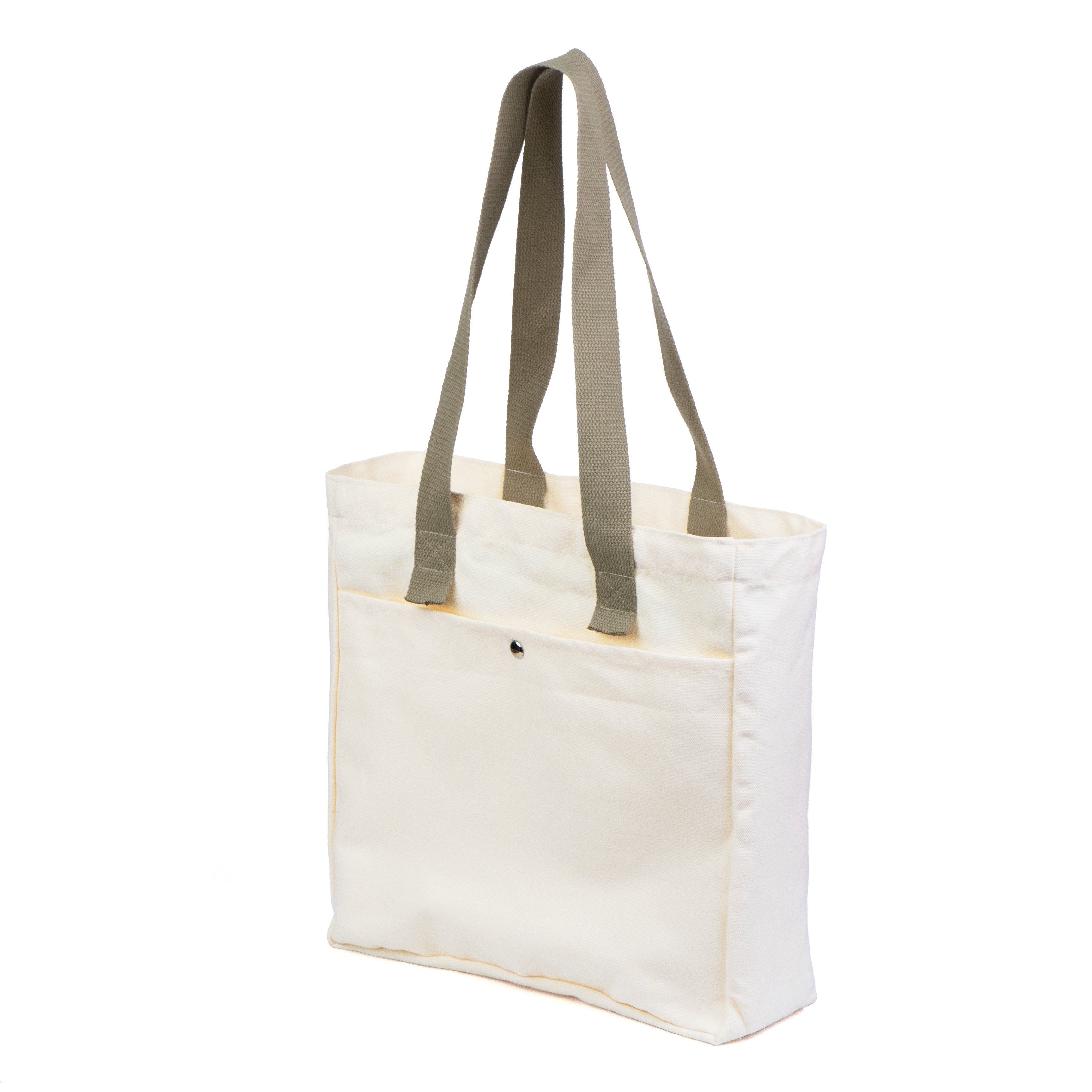
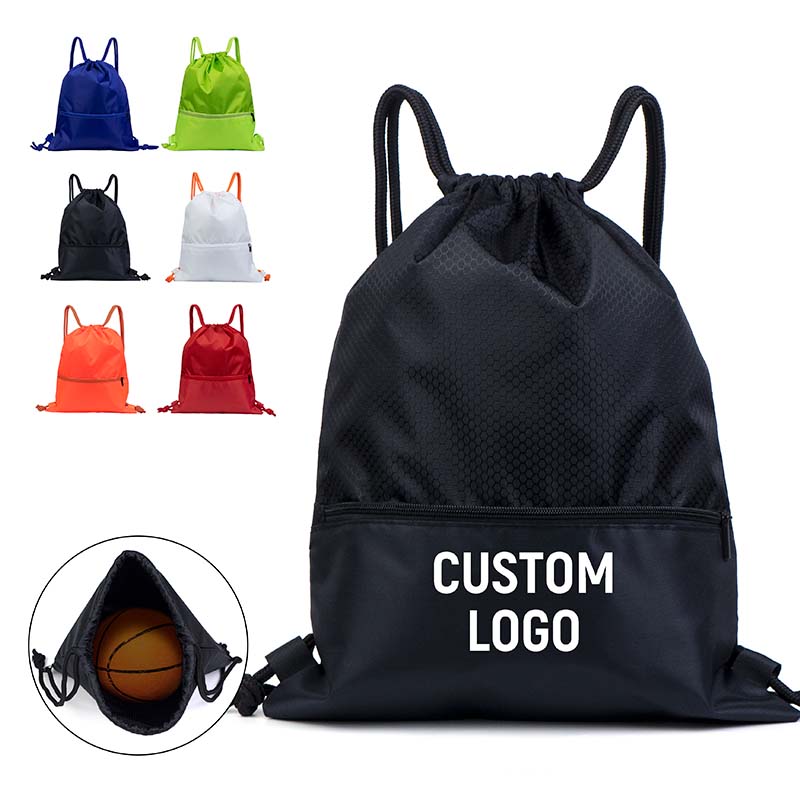
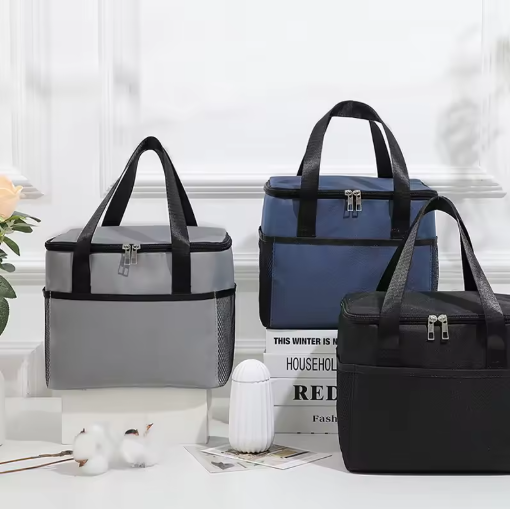
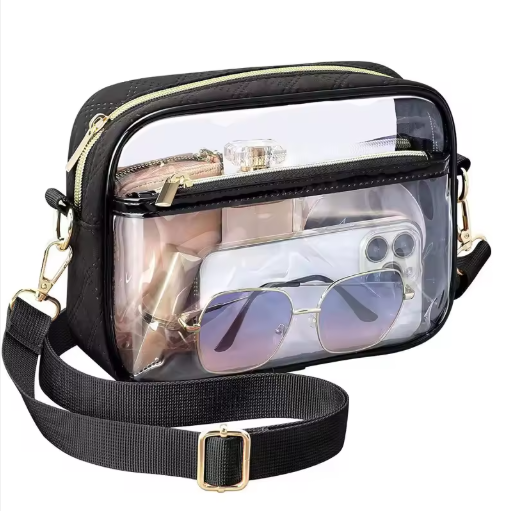
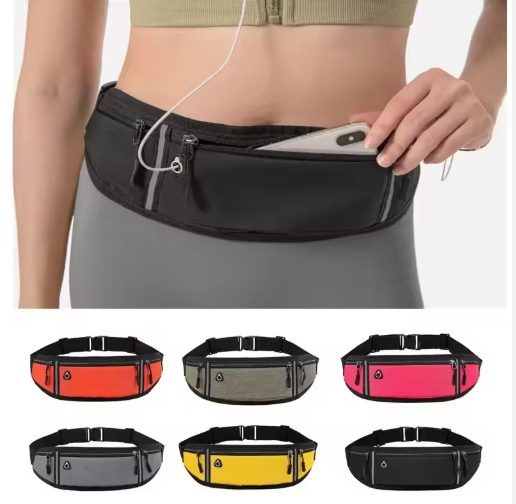
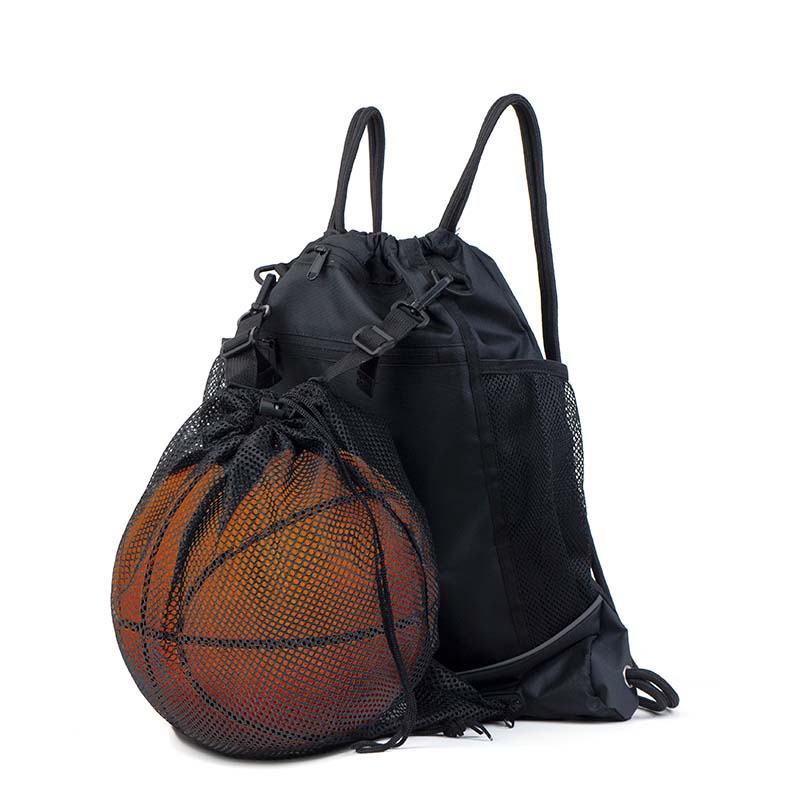
A sports bag manufacturer represents a specialized production facility dedicated to designing, engineering, and producing high-quality carrying solutions for athletes, fitness enthusiasts, and active individuals. These manufacturers operate sophisticated production lines that combine traditional craftsmanship with modern manufacturing technologies to create durable, functional, and stylish bags tailored to various sporting activities. The primary function of a sports bag manufacturer involves transforming raw materials such as polyester, nylon, canvas, and synthetic fabrics into finished products that meet specific performance requirements. These facilities employ skilled workers, advanced machinery, and quality control systems to ensure every bag meets industry standards and customer expectations. The manufacturing process encompasses multiple stages including design conceptualization, pattern making, material selection, cutting, sewing, assembly, quality inspection, and packaging. Modern sports bag manufacturers utilize computer-aided design software to create precise patterns and prototypes before moving into full-scale production. They incorporate technological features such as water-resistant coatings, reinforced stitching, ergonomic strap systems, ventilated compartments, and specialized pockets designed to accommodate specific equipment like shoes, water bottles, laptops, and sports gear. The applications of products from a sports bag manufacturer span across numerous sectors including professional sports teams, educational institutions, fitness centers, corporate wellness programs, retail markets, and individual consumers. These manufacturers produce diverse product lines ranging from compact gym bags and spacious duffel bags to specialized equipment carriers for specific sports like tennis, golf, swimming, and martial arts. They also create multi-functional bags that transition seamlessly from workout sessions to daily commutes, addressing the needs of modern consumers who value versatility. The manufacturing capabilities extend to customization services, allowing clients to incorporate team logos, brand identities, and personalized designs into their orders, making these manufacturers valuable partners for organizations seeking branded merchandise or promotional items that combine practicality with marketing potential.


New Product Recommendations

Working with a sports bag manufacturer offers numerous practical benefits that directly impact your bottom line and customer satisfaction. First, you gain access to specialized expertise accumulated through years of focused production in the sporting goods sector. These manufacturers understand the unique demands placed on athletic bags, from withstanding heavy loads and frequent use to resisting moisture and maintaining structural integrity during travel. This knowledge translates into products that perform reliably in real-world conditions, reducing return rates and enhancing brand reputation. Second, manufacturers provide cost efficiency through economies of scale and streamlined production processes. By producing bags in larger quantities, they reduce per-unit costs significantly compared to small-scale operations, allowing you to maintain competitive pricing while preserving profit margins. Third, quality consistency becomes achievable through standardized manufacturing protocols and rigorous inspection procedures. Every bag that leaves the facility meets predetermined specifications, ensuring your customers receive uniform quality regardless of order size or timing. Fourth, customization flexibility allows you to differentiate your offerings in crowded markets. A sports bag manufacturer can modify designs, incorporate specific features, adjust dimensions, and apply custom branding to create products that align perfectly with your target audience preferences. Fifth, faster time-to-market becomes possible through established production workflows and readily available materials. Manufacturers maintain relationships with fabric suppliers and component vendors, eliminating delays associated with sourcing materials independently. Sixth, you benefit from ongoing product development as manufacturers continuously research new materials, construction techniques, and design innovations to stay competitive. This means your product line evolves without requiring internal research and development investments. Seventh, scalability accommodates business growth seamlessly. Whether you need 100 bags or 10,000 units, a sports bag manufacturer adjusts production capacity to meet demand fluctuations without compromising delivery schedules. Eighth, risk mitigation occurs through manufacturer liability for production defects and quality issues, protecting your business from potential losses. Ninth, sustainability initiatives implemented by responsible manufacturers reduce environmental impact through waste reduction programs, recycled material usage, and energy-efficient production methods, appealing to environmentally conscious consumers. Finally, technical support and consultation services help you make informed decisions about materials, designs, and features, ensuring your investment yields maximum returns through products that resonate with your market segment.

Practical Tips

What Is a Lunch Bag and How Does It Keep Food Fresh?

08

Jun

What Is a Lunch Bag and How Does It Keep Food Fresh?

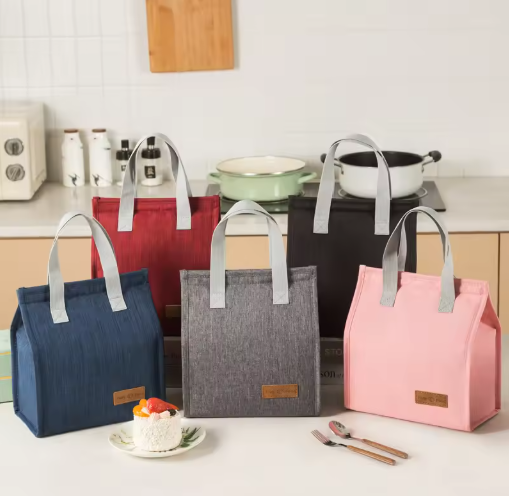
A lunch bag is far more than a simple container for carrying your midday meal. It is a purpose-engineered piece of everyday gear designed to maintain food quality, temperature, and safety from the moment you pack it at home to the moment you sit down...
View More
Why Is a Paper Bag Considered Eco-Friendly Packaging?

08

Jun

Why Is a Paper Bag Considered Eco-Friendly Packaging?

When businesses and consumers seek more responsible packaging choices, the paper bag consistently rises to the top of the conversation. Unlike plastic alternatives that persist in landfills and oceans for centuries, a paper bag is derived from a rene...
View More
How Does a Cooler Bag Maintain Temperature for Long Hours?

17

Jun

How Does a Cooler Bag Maintain Temperature for Long Hours?

Whether you are heading to a weekend picnic, managing a pharmaceutical delivery route, or packing food for a long outdoor excursion, a cooler bag is one of the most practical tools you can carry. But many users wonder how exactly this seemingly simpl...
View More
What Is a Cooler Bag and How Does It Keep Food Cold?

11

Jun

What Is a Cooler Bag and How Does It Keep Food Cold?

A cooler bag is one of the most practical and widely used tools for maintaining food and beverage temperatures during transport, outdoor activities, and everyday commuting. Whether you are packing lunch for the office, heading to a beach picnic, or m...
View More

Get a Free Quote

Our representative will contact you soon.
Email
Name
Company Name
Message
0/1000

sports bag manufacturer

Advanced Material Technology and Durability Engineering

Advanced Material Technology and Durability Engineering

The cornerstone of any reputable sports bag manufacturer lies in their mastery of advanced material technology and durability engineering principles. These manufacturers invest heavily in researching and sourcing premium fabrics that withstand the rigorous demands of athletic use while maintaining aesthetic appeal over extended periods. High-performance polyester blends offer exceptional tear resistance and color retention, ensuring bags maintain their appearance despite frequent exposure to sunlight, moisture, and abrasive surfaces. Ripstop nylon fabrics incorporate reinforcement threads woven in crosshatch patterns that prevent small tears from expanding into larger damage, a critical feature for bags subjected to rough handling during travel or outdoor activities. Water-resistant coatings applied through specialized processes create protective barriers that repel moisture without compromising fabric breathability, preventing mildew growth and protecting contents from unexpected weather conditions. The engineering aspect extends beyond fabric selection to encompass structural reinforcement strategies. Manufacturers strategically place stress points with bartack stitching, a dense zigzag pattern that distributes tension across wider areas, preventing seam failure at handles, straps, and zipper endpoints. Double-stitched seams throughout the bag body provide redundancy, ensuring that even if one thread line fails, the secondary stitching maintains structural integrity. Heavy-duty zippers rated for thousands of open-close cycles feature self-repairing coils that realign automatically if teeth separate, eliminating common frustration points. Reinforced base panels constructed from rigid materials or multiple fabric layers protect bag contents from ground moisture and impact damage when bags are set down on various surfaces. Padded compartments utilize closed-cell foam that absorbs shock while resisting compression over time, maintaining protective properties throughout the bag's lifespan. Ergonomic strap systems incorporate breathable mesh backing and adjustable length mechanisms that accommodate different body types and carrying preferences, reducing fatigue during extended transport. These technological investments translate directly into customer satisfaction through products that perform reliably across diverse conditions, reducing replacement frequency and building brand loyalty through demonstrated quality that justifies premium positioning in competitive markets.
Customization Capabilities and Brand Integration Solutions

Customization Capabilities and Brand Integration Solutions

A distinguishing advantage of partnering with an established sports bag manufacturer involves their comprehensive customization capabilities and sophisticated brand integration solutions. These manufacturers maintain in-house design teams equipped with industry-standard software that transforms conceptual ideas into production-ready specifications. The customization process begins with collaborative consultations where manufacturers assess client requirements, target demographics, intended use cases, and budget parameters to recommend optimal design directions. They provide digital mockups and physical samples that allow stakeholders to evaluate aesthetics, functionality, and brand alignment before committing to full production runs. Color matching services utilize Pantone systems to ensure branded elements precisely replicate corporate color schemes, maintaining visual consistency across marketing materials and product lines. Logo application methods range from embroidered patches that convey premium quality through dimensional texture to screen printing for cost-effective large-area graphics and heat transfer vinyl for intricate multi-color designs. Sublimation printing enables photographic-quality images and complex patterns to be permanently infused into fabric fibers, creating vibrant, fade-resistant graphics that withstand repeated washing and UV exposure. Beyond surface decoration, structural customization allows modification of compartment configurations, pocket placements, closure mechanisms, and overall dimensions to address specific functional requirements. Manufacturers can incorporate specialized features like insulated beverage holders, ventilated shoe compartments with antimicrobial linings, padded electronics sleeves with cable management systems, and external attachment points for additional gear. Private labeling services enable retailers and brands to market manufacturer-produced bags under their own identity, complete with custom hang tags, packaging materials, and care instruction labels. Minimum order quantities vary based on customization complexity, with some manufacturers accommodating smaller runs for boutique brands while offering volume discounts for larger orders. The strategic value of customization extends beyond aesthetic differentiation to encompass functional adaptation for niche markets. A sports bag manufacturer can develop specialized products for emerging sports, regional preferences, or demographic segments that mass-market competitors overlook, creating competitive advantages through targeted solutions that address unmet needs with precision and relevance.
Quality Assurance Systems and Compliance Standards

Quality Assurance Systems and Compliance Standards

The operational excellence of a professional sports bag manufacturer manifests most clearly through their comprehensive quality assurance systems and adherence to international compliance standards. These manufacturers implement multi-stage inspection protocols that begin with incoming material verification, where fabric batches undergo testing for colorfastness, tensile strength, and dimensional stability before entering production workflows. This proactive approach prevents defective materials from compromising finished products, reducing waste and maintaining consistent output quality. During production, in-process inspections occur at critical junctures where trained quality control personnel examine stitching accuracy, component alignment, and assembly precision. They utilize standardized checklists that reference technical specifications, ensuring every bag meets predetermined criteria before advancing to subsequent manufacturing stages. Automated systems complement human inspection through metal detectors that identify broken needles or foreign objects, protecting end users from potential hazards while demonstrating manufacturer commitment to safety. Final inspections involve comprehensive evaluations where completed bags undergo functional testing including zipper operation cycles, strap load-bearing assessments, and seam stress tests that simulate extended use conditions. Random sampling protocols select units from each production batch for destructive testing, where bags are subjected to extreme conditions that exceed normal use parameters, providing data about safety margins and potential failure modes. Documentation systems track inspection results, material lot numbers, and production dates, enabling traceability if quality issues emerge post-delivery. Compliance with international standards represents another critical dimension of manufacturer credibility. Reputable facilities maintain certifications such as ISO 9001 for quality management systems, demonstrating systematic approaches to continuous improvement and customer satisfaction. Environmental certifications like OEKO-TEX Standard 100 verify that fabrics and components are free from harmful substances, addressing health concerns and regulatory requirements in various markets. Social compliance audits conducted by independent organizations assess working conditions, labor practices, and ethical standards, providing assurance that products are manufactured responsibly. Testing laboratories affiliated with manufacturers perform standardized evaluations according to ASTM, EN, or other recognized testing methodologies, generating reports that document performance characteristics and regulatory compliance. These quality assurance investments protect brand reputation, minimize liability exposure, and build customer confidence through transparent demonstration of manufacturing excellence that extends beyond marketing claims to encompass verifiable, measurable quality metrics.
Inquiry Inquiry Email Email Tel Tel WhatsApp WhatsApp

Get a Free Quote

Our representative will contact you soon.
Email
Name
Company Name
Message
0/1000