Garment Bag vs Suitcase: Which Is Better for Clothing Storage and Travel?
A garment bag and a suitcase can both carry clothes, but they are built around different priorities.
A garment bag is designed around clothing that is normally kept on a hanger, such as suits, blazers, dresses and coats. It reduces the amount of folding and compression these garments experience during storage or travel.
A suitcase is designed around overall packing efficiency. It can carry clothing, shoes, toiletries, electronics and other travel items in one structured case, but most garments need to be folded or rolled.
That leads to a fairly simple distinction:
Choose a garment bag when preserving the shape and presentation of hanging clothes is the priority.
Choose a suitcase when capacity, mobility and mixed-item packing matter more.
Neither is universally better, and many travelers use both.
Garment Bag vs Suitcase at a Glance
| Feature |
Garment Bag |
Suitcase |
| Suits and formalwear |
Excellent |
Good with careful packing |
| Reducing sharp garment folds |
Better |
More folding required |
| Dresses and coats |
Better for long garments |
Limited by case dimensions |
| Casual clothing |
Limited |
Excellent |
| Shoes and toiletries |
Limited to moderate |
Excellent |
| Overall capacity |
Lower |
Higher |
| Long-term wardrobe storage |
Suitable |
Usually less practical |
| Airport mobility |
Depends on design |
Excellent with wheels |
| Short formal trip |
Excellent |
Good |
| Long vacation |
Limited |
Excellent |
| Wedding / event clothing |
Excellent |
Possible |
| General-purpose travel |
Specialized |
More versatile |
A garment bag helps reduce unnecessary folding, but it should not be treated as a guarantee that clothing will arrive completely wrinkle-free. Packing, garment material, bag design and handling still matter. Current travel tests similarly favor garment bags for formalwear while noting that suitcases remain more versatile for mixed trips.
Why Does a Garment Bag Protect Formal Clothing Better?
The biggest difference is how the clothing sits inside the bag.
A suit jacket has structure around the:
- Shoulders
- Lapels
- Chest
- Sleeves
A formal dress may also have delicate fabric, pleats or a long hem.
Putting these garments into a suitcase usually requires several folds and often places other items on top of them.
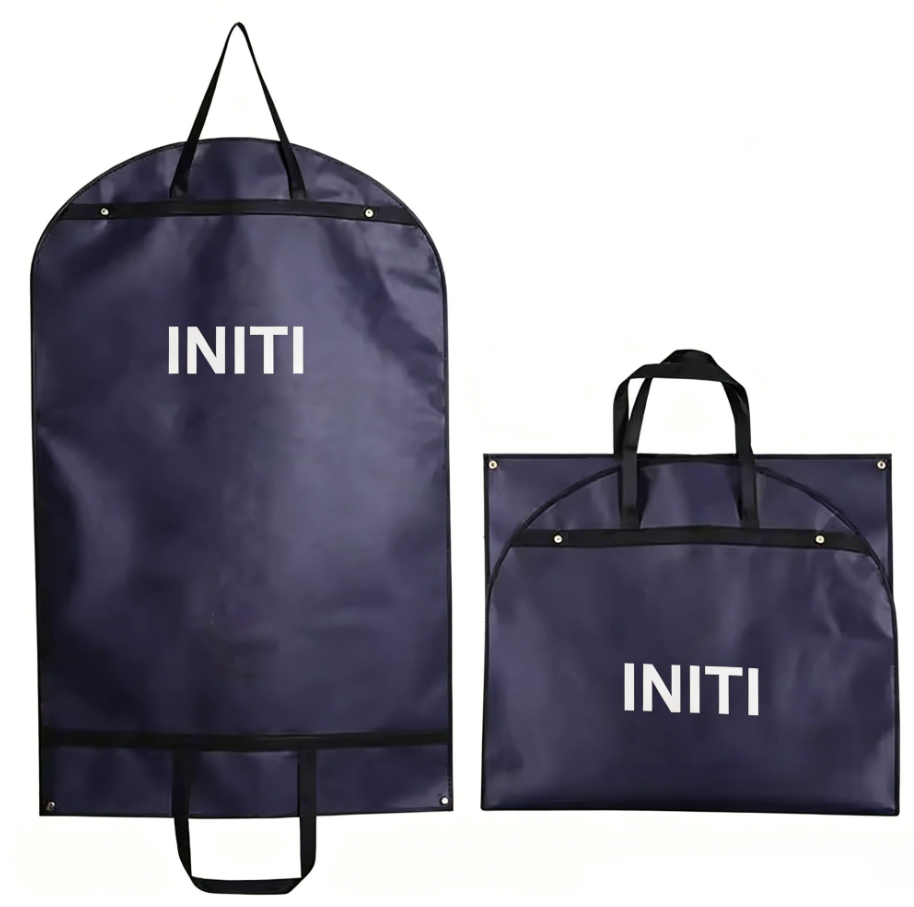
A garment bag allows the clothing to remain on a hanger or lie relatively extended before the bag itself is folded for transport.
This reduces the number of sharp fold points.
That is why garment bags are particularly useful for:
suits, tuxedos, blazers, formal dresses, uniforms and coats.
Does a Garment Bag Prevent Wrinkles Completely?
No.
A good garment bag can reduce wrinkles, but it cannot eliminate them under every travel condition.
Creases can still develop if:
- The bag is folded too tightly
- Too many garments are packed together
- Heavy objects compress the clothing
- The bag is crushed in an overhead compartment
- Clothing shifts during travel
Fabric also matters.
Linen, for example, wrinkles more easily than many synthetic blends. Wool garments may recover from light creasing better, but structured suit shoulders can still become distorted under pressure.
The advantage of a garment bag is therefore not “zero wrinkles.”
It is less folding and less compression around garments that benefit from hanging.
When Is a Suitcase Better?
A suitcase becomes much more practical when the trip involves more than formal clothing.
For example, a five-day trip may require:
- T-shirts
- Trousers
- Underwear
- Shoes
- Toiletries
- Electronics
- Casual clothing
- One business suit
A garment bag may protect the suit well, but it is not an efficient place for everything else.
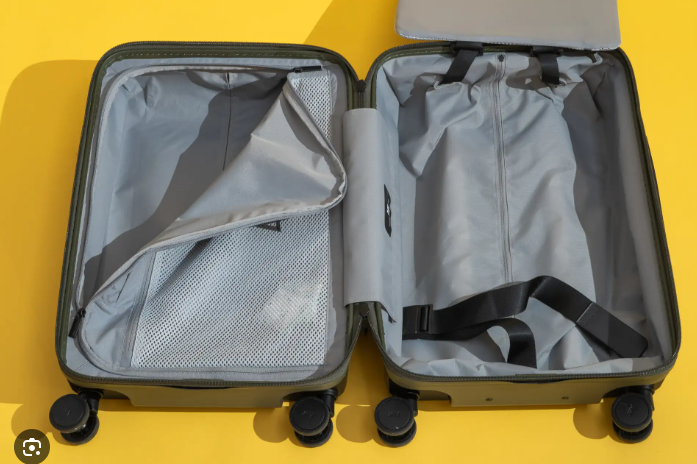
A suitcase gives you a large rectangular packing area that can handle multiple product types.
Modern wheeled suitcases also make airport movement easier because the traveler does not need to carry the full weight on one shoulder or in one hand.
For mixed-purpose or longer trips, versatility is usually the suitcase's main advantage.
Which Is Better for a Business Suit?
Usually the garment bag.
A business suit benefits from staying as close as practical to its natural hanging shape.
A travel garment bag can help reduce:
- Hard fold lines
- Shoulder compression
- Lapel distortion
- Contact with shoes and toiletries
For a short business trip built around one or two suits, a garment bag often makes more sense than packing the same clothing deep inside a suitcase.
However, a suitcase can still work.
If only one suit is needed and the rest of the trip is casual, carefully folding the suit and placing it where it will not be heavily compressed may be more convenient than carrying a second bag.
So the answer is:
Formalwear is the priority → garment bag.
One suit is only a small part of a larger trip → suitcase may be sufficient.
Which Is Better for Dresses?
For long, structured or delicate dresses, a garment bag usually has the advantage.
This is especially relevant for:
- Evening dresses
- Bridesmaid dresses
- Wedding gowns
- Formal uniforms
- Performance costumes
The main benefit is length.
A suitcase forces long garments into several folds.
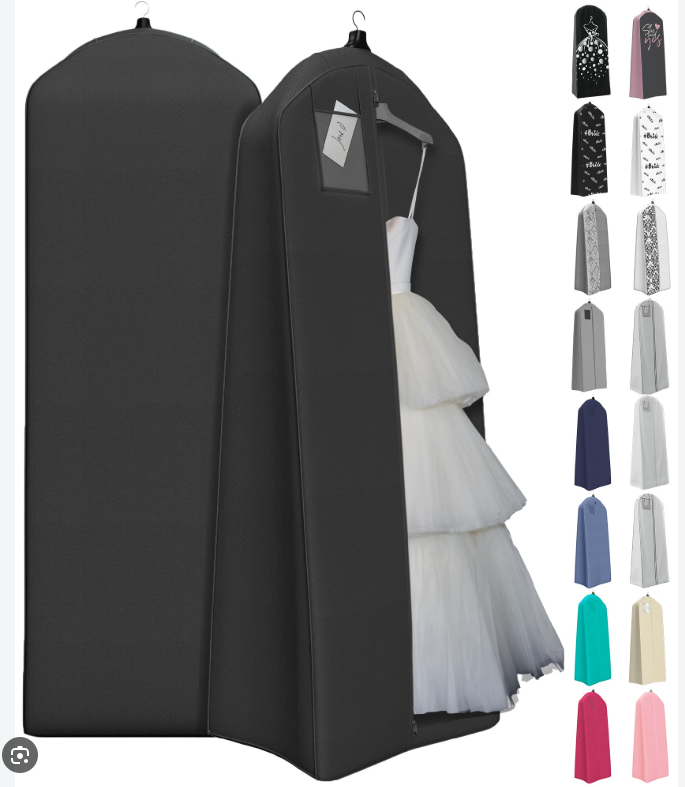
A full-length garment cover can keep much more of the dress extended.
But garment length still needs to match bag length.
A suit-length garment bag may not be long enough for a floor-length dress, so wedding and formalwear applications often require longer dimensions.
INITIGIFT's current foldable canvas garment bag, for example, uses an approximately 56 × 180 × 8 cm full-length format intended for suits, dresses and coats.
Which Is Better for Long-Term Clothing Storage?
For hanging formal clothing, a garment bag is generally more appropriate.
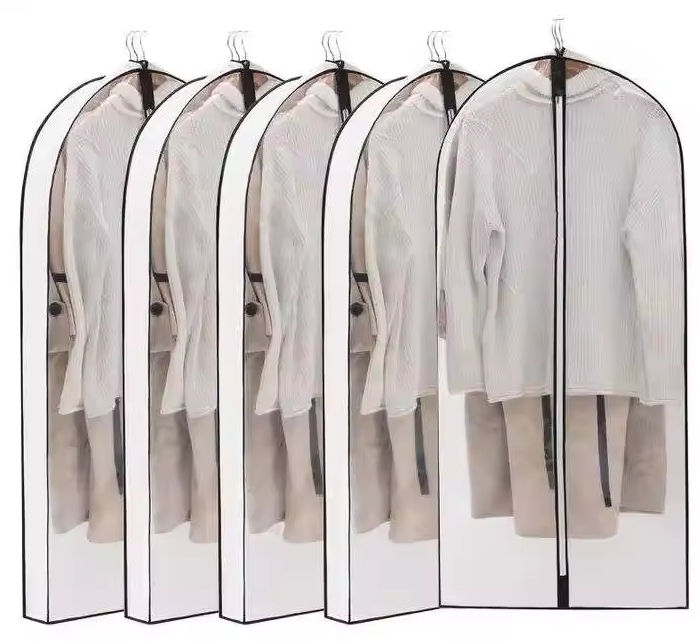
A storage garment bag can protect clothing from:
- Dust
- Surface contact
- Accidental dirt
- Friction with nearby garments
It also allows the clothing to remain on a hanger inside the wardrobe.
A suitcase is not normally the best long-term storage environment because clothing needs to remain folded and may stay compressed for extended periods.
However, the material of the garment bag matters.
For long-term wardrobe storage, breathability can be useful, particularly for clothing that should not remain sealed in a damp environment.
INITIGIFT's garment-bag range includes both lightweight non-woven storage covers and heavier travel designs, reflecting the difference between wardrobe storage and transport.
These should not automatically be treated as the same product.
A basic wardrobe garment cover may only need:
- Full-length zipper
- Hanger opening
- Lightweight fabric
- Dust protection
It may spend almost its entire life inside a wardrobe.
A travel garment bag needs more.
Typical travel features can include:
- Carry handles
- Shoulder strap
- Reinforced seams
- Folding system
- Snap or buckle closure
- Accessory pockets
INITIGIFT's Travel Garment Bag, for example, adds carrying handles and a foldable structure so the long garment cover can be converted into a shorter carrying format.
The best material and construction therefore depend on whether the product will mainly hang or travel.
Is a Garment Bag Easier to Travel With?
Sometimes.
For a short trip involving mainly formalwear, a lightweight foldable garment bag can be very convenient.
The clothing is already organized around its hangers, and at the destination the bag can often move directly from transport to the wardrobe.
But garment bags also have disadvantages.
Full-length designs can be awkward in:
- Airports
- Train stations
- Crowded public transport
A large garment bag without wheels may also become uncomfortable when carried for long periods.
A wheeled suitcase generally performs better when the traveler needs to move through several terminals or transport connections.
So portability depends strongly on the trip.
What About Airline Carry-On Travel?
This is where garment-bag design matters considerably.
A full-length garment cover and a foldable travel garment bag are very different pieces of luggage.
Foldable designs can reduce the carrying dimensions by folding the garment section into two or three sections.
Some modern garment bags are specifically designed around this travel format, and independent travel tests often favor compact bifold or trifold designs for suits and short formal trips.
However, a garment bag is not automatically exempt from airline baggage rules.
Carry-on size and item-count rules vary by airline.
Before flying, the traveler should check the airline's current baggage requirements and compare them with the folded dimensions of the bag, not only its open length.
Which Has More Storage Capacity?
Usually the suitcase.
A suitcase can use most of its internal volume for almost any travel item.
Garment bags dedicate much of their area to keeping clothing relatively flat.
Even garment bags with accessory pockets generally offer less flexible packing volume than a suitcase of similar exterior size.
This matters particularly for:
- Shoes
- Toiletries
- Towels
- Electronics
- Multiple casual outfits
A garment bag becomes more useful as the proportion of formal clothing increases.
Can a Garment Bag Hold Shoes and Accessories?
Yes, if it is designed with additional compartments.
Travel garment bags may include pockets for:
- Shoes
- Ties
- Belts
- Cufflinks
- Underwear
- Small toiletries
This makes the product more useful for short business or event travel.
But adding compartments has a trade-off.
If bulky shoes are packed directly against the suit section, they can create pressure points.
Good compartment design therefore separates heavy or hard items from the garment area.
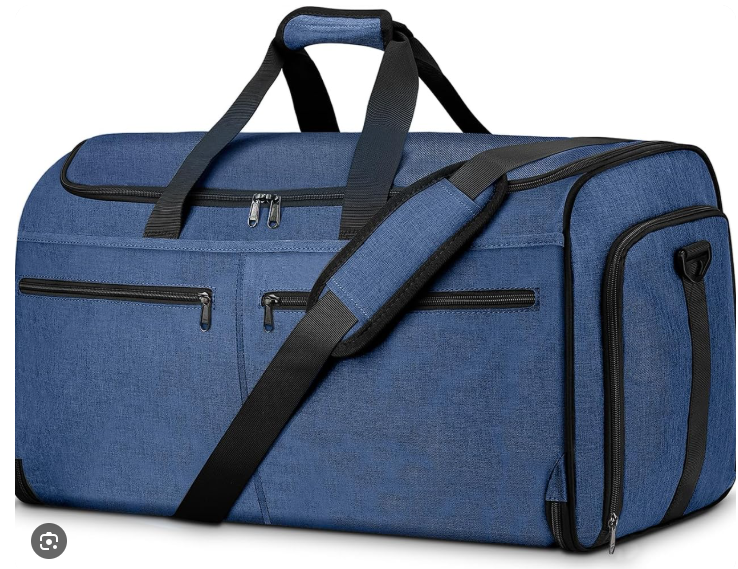
A garment duffel is a hybrid between a garment bag and a conventional travel bag.
When opened, the main body forms a garment section for suits or dresses.
When closed, it folds into a duffel-shaped bag with additional internal storage.
This approach tries to combine:
formalwear protection + general travel capacity.
It can work well for:
- Weekend business trips
- Weddings
- Short formal events
But it also involves compromise.
Compared with a traditional flat garment bag, the clothing may need to follow more curved or folded sections.
Compared with a suitcase, total packing structure and wheel mobility may be more limited.
So a garment duffel is best viewed as a middle option rather than a universal replacement for both.
Garment Bag vs Suitcase for Different Trips
| Travel Situation |
Better Starting Point |
Why |
| One-night business trip with suit |
Garment bag |
Formalwear is the priority |
| Wedding or formal event |
Garment bag |
Better for dresses and suits |
| Week-long vacation |
Suitcase |
More mixed-item capacity |
| Business + leisure trip |
Suitcase or both |
Formal and casual requirements |
| Driving with formalwear |
Garment bag |
Easy to hang or lay flat |
| Frequent airport transfers |
Suitcase |
Wheeled mobility |
| Performance costume transport |
Garment bag |
Better for hanging garments |
| One suit plus mostly casual clothing |
Suitcase |
One-bag convenience |
| Wardrobe storage |
Garment bag |
Keeps garments hanging |
| Seasonal clothing storage |
Garment bag |
Suitable for coats and formalwear |
The trip length matters, but clothing type matters more.
A two-day trip with a wedding dress may require more garment protection than a seven-day casual vacation.
Which Is Better for Clothing Storage at Home?
For suits, dresses and coats that normally stay on hangers, a garment bag is the clearer choice.
A wardrobe garment bag can remain hanging and allows easier access to individual clothing.
A suitcase works better for items that can be folded without concern, such as:
- Casual clothes
- Spare bedding
- Seasonal T-shirts
But suitcases take up significant wardrobe or floor space and are less convenient when clothing needs to be accessed regularly.
For long-term formalwear storage, a dedicated garment cover is usually simpler.
What Materials Are Common for Garment Bags?
Garment bags can use very different materials depending on whether they are designed for inexpensive storage or repeated travel.
Common options include:
| Material |
Typical Direction |
| Non-woven PP |
Lightweight storage, retail garment packaging |
| Polyester |
Reusable storage and travel |
| Oxford fabric |
More durable travel designs |
| Canvas |
Premium and heavier reusable garment bags |
| PEVA / film |
Visible or moisture-resistant cover applications |
| Clear PVC window |
Identification panel rather than full main body in many designs |
The material should match the expected frequency of use.
A garment bag used once for retail delivery does not need the same construction as a bag taken on business trips every month.
What Materials Are Common for Suitcases?
Suitcases usually fall into two broad categories.
Hard-shell suitcases commonly use rigid plastics or composite shells.
Soft-shell suitcases generally use textile materials such as polyester or nylon.
The hard shell provides more rigid external protection, while soft luggage offers more flexibility in pockets and packing.
This difference is another reason suitcases can be better for:
- Electronics
- Toiletries
- Mixed travel items
while garment bags remain more specialized around clothing.
Can You Put a Garment Bag Inside a Suitcase?
Yes.
A lightweight suit cover or garment sleeve can be used inside a suitcase to separate formalwear from the rest of the luggage.
It can help with:
- Organization
- Surface protection
- Keeping related clothing together
However, it does not remove the need to fold the clothing to fit the suitcase.
So it should not be expected to provide the same wrinkle-reduction benefit as carrying the garment in a full travel garment bag.
Should You Use Both?
For some trips, yes.
This is particularly practical when the traveler needs:
Suitcase: casual clothing, shoes, toiletries and electronics.
Garment bag: suit, formal dress or event clothing.
This avoids forcing one bag type to perform a job it was not designed for.
The downside is obvious: you now have two pieces of luggage to manage.
Whether that is worth it depends on how important the formal clothing is to the trip.
What Should You Look for in a Travel Garment Bag?
For travel use, the most important details are not decorative.
A practical garment bag should have enough length and width for the clothing being carried, with a secure hanger area and a folding structure that does not create unnecessary sharp compression points.
The handles and shoulder strap should also match the expected loaded weight.
Other useful details can include:
- Full-length zipper
- Internal garment straps
- Shoe or accessory pockets
- Luggage sleeve
- Reinforced handles
- Strong zipper construction
For long dresses, garment length should be checked carefully before selecting the bag.
What Should You Look for in a Storage Garment Bag?
Storage requirements are simpler.
The most useful features are generally:
- Correct garment length
- Full clothing coverage
- Easy zipper access
- Hanger opening
- Appropriate breathability
- Clear viewing window where useful
- Identification pocket for uniforms or collections
A heavily reinforced travel structure may add unnecessary cost if the bag will only hang inside a wardrobe.
Common Misunderstandings
“Garment Bag Means Wrinkle-Free”
No. It reduces unnecessary folding and compression, but some wrinkles can still develop during travel.
“A Suitcase Is Bad for Suits”
No. A suit can travel successfully in a suitcase when packed carefully. A garment bag simply gives structured formalwear a more suitable packing environment.
“Garment Bags Are Only for Travel”
No. They are widely used for wardrobe storage, apparel packaging, uniforms, dry cleaning and retail garment protection.
“A Larger Garment Bag Is Always Better”
No. Oversized bags add bulk and may allow garments to shift. Dimensions should match the clothing being carried.
“Every Garment Bag Can Be Used as Airline Carry-On”
No. Baggage acceptance depends on the airline's current size and item rules. Check the folded bag dimensions before travel.
Which Should You Choose?
The decision becomes easier when clothing is the starting point.
Choose a garment bag when the trip or storage requirement centers on:
Suits, blazers, formal dresses, coats, uniforms or other hanging garments.
Choose a suitcase when you need:
Higher total capacity, wheels, mixed clothing, shoes, toiletries and general travel storage.
Use both when formal clothing is important enough to justify separate protection but the trip also requires significant general luggage.
And consider a garment duffel or hybrid travel garment bag when the trip is short and you want some of the benefits of both formats.
FAQ
Is a garment bag better than a suitcase for suits?
Yes, usually. A garment bag keeps a suit closer to its hanging shape and reduces the amount of folding and compression. A suitcase can still work when the suit is packed carefully.
Will a garment bag stop a suit from wrinkling?
No garment bag can guarantee that. It can reduce wrinkles by minimizing folds and pressure, but handling, fabric type and packing still affect the result.
Is a suitcase better for long trips?
Usually, yes. A suitcase provides more flexible space for casual clothes, shoes, toiletries and other travel items.
Can a garment bag be used for long-term clothing storage?
Yes. Storage garment bags are commonly used for suits, dresses, coats and uniforms. Choose the material and size according to the garment and storage environment.
Can I take a garment bag on a plane?
Possibly, but it depends on the airline. Check the airline's current carry-on size and baggage rules using the garment bag's folded dimensions.
Can I pack shoes in a garment bag?
Yes, if the design includes a suitable shoe compartment or pocket. Avoid placing hard or dirty shoes directly against formal clothing.
Is a garment bag good for wedding dresses?
Yes, provided the bag is long and wide enough for the dress. Wedding gowns often need a larger garment cover than standard suit bags.
Should I use a garment bag and suitcase together?
Yes, when the trip includes important formalwear plus a larger amount of general luggage. The garment bag protects the formal clothing while the suitcase handles everything else.
Conclusion
A garment bag and a suitcase solve different travel problems.
The garment bag is built around clothing preservation.
It works particularly well for garments that normally belong on hangers:
suits, dresses, coats, uniforms and formalwear.
The suitcase is built around packing efficiency and mobility.
It is the more practical choice for:
casual clothing, shoes, toiletries, electronics and longer mixed-purpose trips.
For short business travel, weddings or formal events, a garment bag can reduce unnecessary folding and help clothing arrive in better condition.
For vacations and longer trips, a suitcase is usually easier to manage.
And when both formalwear and general luggage matter, there is no rule saying you have to choose only one.
The most useful question is simply:
Are you trying to protect the clothing—or maximize everything you can carry?
That usually determines the better option.
Inquiry Support
For a custom garment bag project, you can provide:
- Intended use
- Garment type
- Estimated quantity
- Preferred size or reference dimensions
- Required material
- Storage or travel use
- Handle and shoulder-strap requirements
- Pocket requirements
- Required colors
- Logo artwork
- Packaging requirements
If you have not finalized all details, you can first send your intended use and target quantity, and we can recommend a suitable specification.
Related Products


 Hot News