Gift packaging is often treated as the final detail of a product, but for retailers, promotional companies, brand owners, and procurement teams, it can affect much more than appearance.
A gift box creates a structured presentation. A gift bag makes packing and carrying easier. One may provide stronger protection, while the other may require less storage space and packing time. And when both are customized with a brand logo, color palette, or seasonal artwork, they can become part of the overall customer experience rather than simply a container.
This guide compares gift boxes and gift bags from a practical B2B perspective, covering their structure, protection, presentation, materials, customization, retail applications, promotional use, cost, storage, shipping, and bulk purchasing considerations.
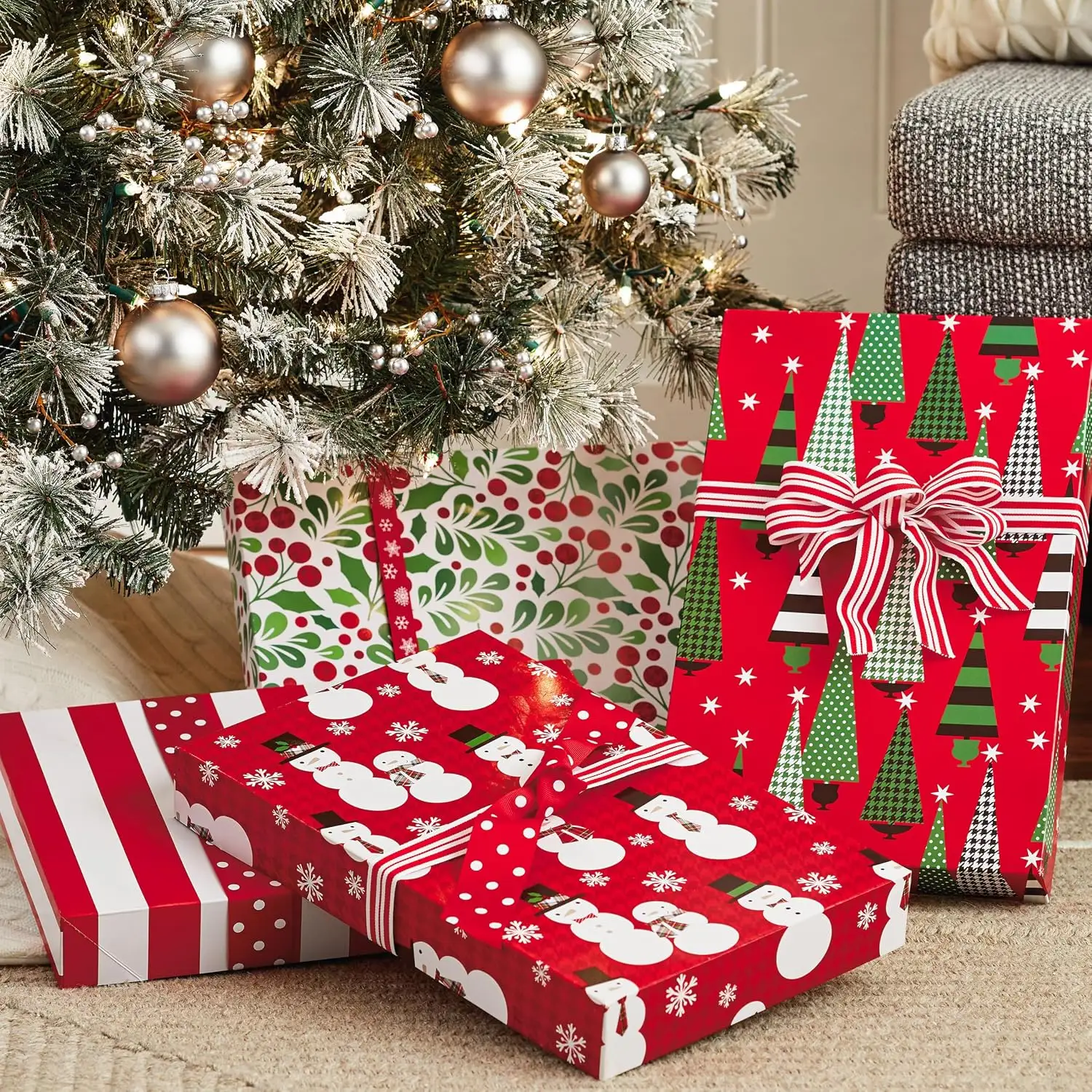
A gift box is a container built from paperboard or corrugated board that holds a defined three-dimensional shape whether or not it contains anything. That single property — self-supporting structure — is the origin of nearly every advantage and every cost implication that follows.
Rigid boxes are built from a grayboard core wrapped in a printed paper skin. The board provides the structure; the wrap provides the graphics. Because the board is pre-cut and the wrap is applied by hand or semi-automatically, rigid boxes can be produced in unusual dimensions, with recessed lids, shoulder-and-neck fits, magnetic closures and deeply inset compartments.
Folding cartons are die-cut from a single sheet of paperboard, creased, and shipped flat for the buyer or the fulfillment partner to erect. They are lighter, dramatically less expensive to freight, and highly automatable, but they offer less compression strength and fewer premium finishing options than a rigid construction.
Both are commonly described as gift boxes. They are not interchangeable, and quoting one against the other produces misleading cost comparisons.
Typical rigid gift box components include:
- Grayboard core, commonly in the 1.5 mm to 3 mm range (0.059 in to 0.118 in) depending on box footprint
- Printed wrap paper, typically 128 gsm to 157 gsm (about 47 lb to 58 lb text weight)
- Lid and base, either telescoping or a single-piece hinged lid
- Inner platform or fitment to position the product (EVA foam, molded pulp, paperboard, flocked tray or fabric-covered insert)
- Closure hardware: magnetic snaps, ribbon ties, or a friction-fit shoulder
- Optional outer sleeve, belly band, or ribbon closure
Applications for rigid and folding gift boxes span nearly every premium category:
- Jewelry, watches and small accessories
- Cosmetics and fragrance sets
- Electronics and small appliances
- Spirits, wine and confectionery
- Apparel and footwear gift sets
- Corporate and employee recognition gifts
- Subscription box welcome kits
- Limited-edition and collaboration drops
For buyers in these categories, the box is part of the product. A fragrance bottle presented in a rigid box with a molded insert reads as a different tier of product than the same bottle presented in a bag, even when the liquid inside is identical.
A gift bag is a flexible container, usually with an integrated handle, designed for rapid presentation and easy carrying. Its defining property is the opposite of the box: it conforms to whatever it holds.
That flexibility is not a compromise. It is the entire value proposition. A gift bag absorbs irregular geometry without engineering, so it can accept a plush toy, a rolled scarf, a bundle of small boxes, a bottle with a non-standard shoulder, or a stack of books that no single box dimension would ever fit neatly.
Common gift bag constructions :
Paper gift bag
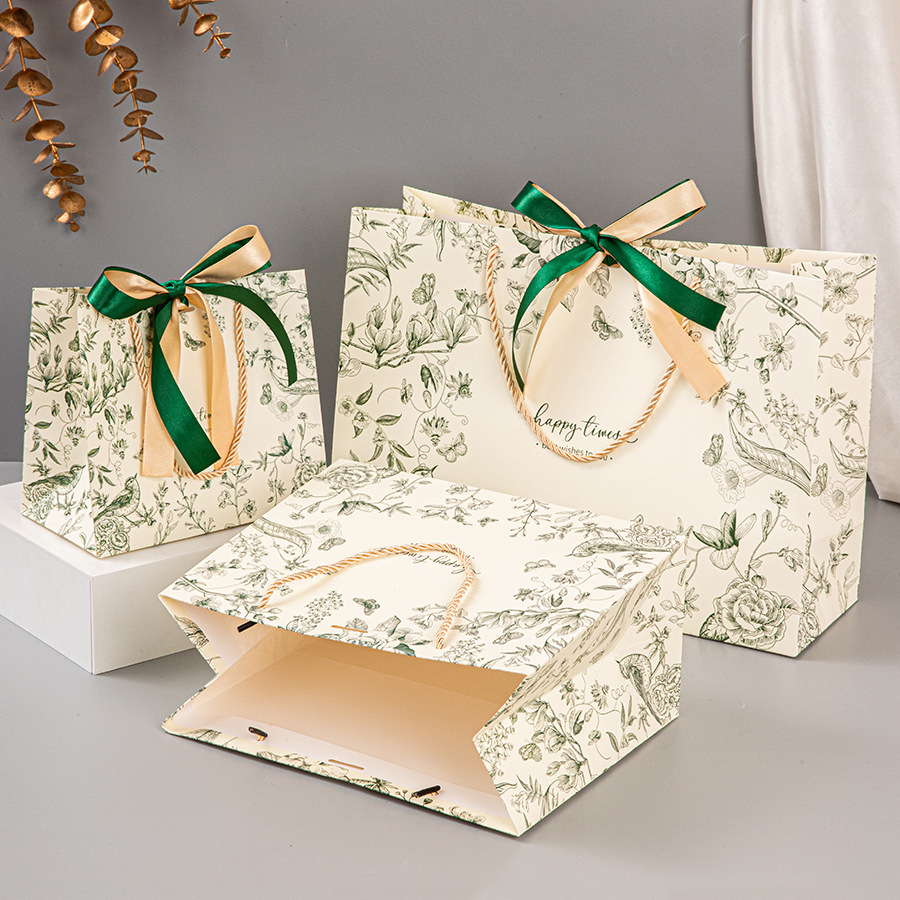
Coated or uncoated paper, 128–210 gsm.
Handles: twisted paper, flat paper, ribbon or rope.
The volume workhorse for retail carry-out, holiday gifting and promotional events, where fill speed and unit cost matter more than protection.
Kraft gift bag
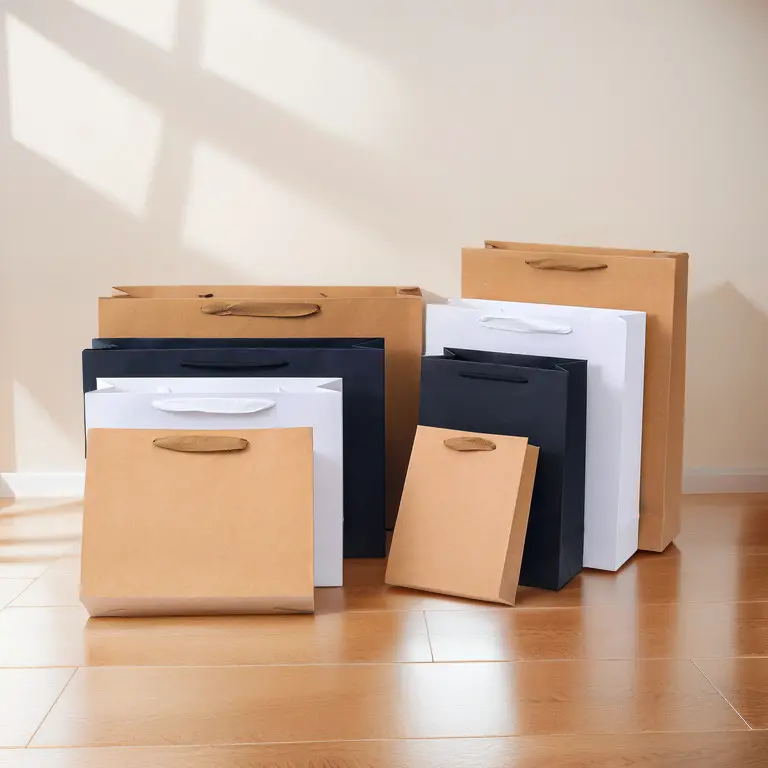
Natural or white kraft paper.
Handles: twisted paper or die-cut.
Chosen by natural and eco-positioned brands, bakery and artisan retail. Natural kraft shifts printed colors, so approve a proof on the actual stock.
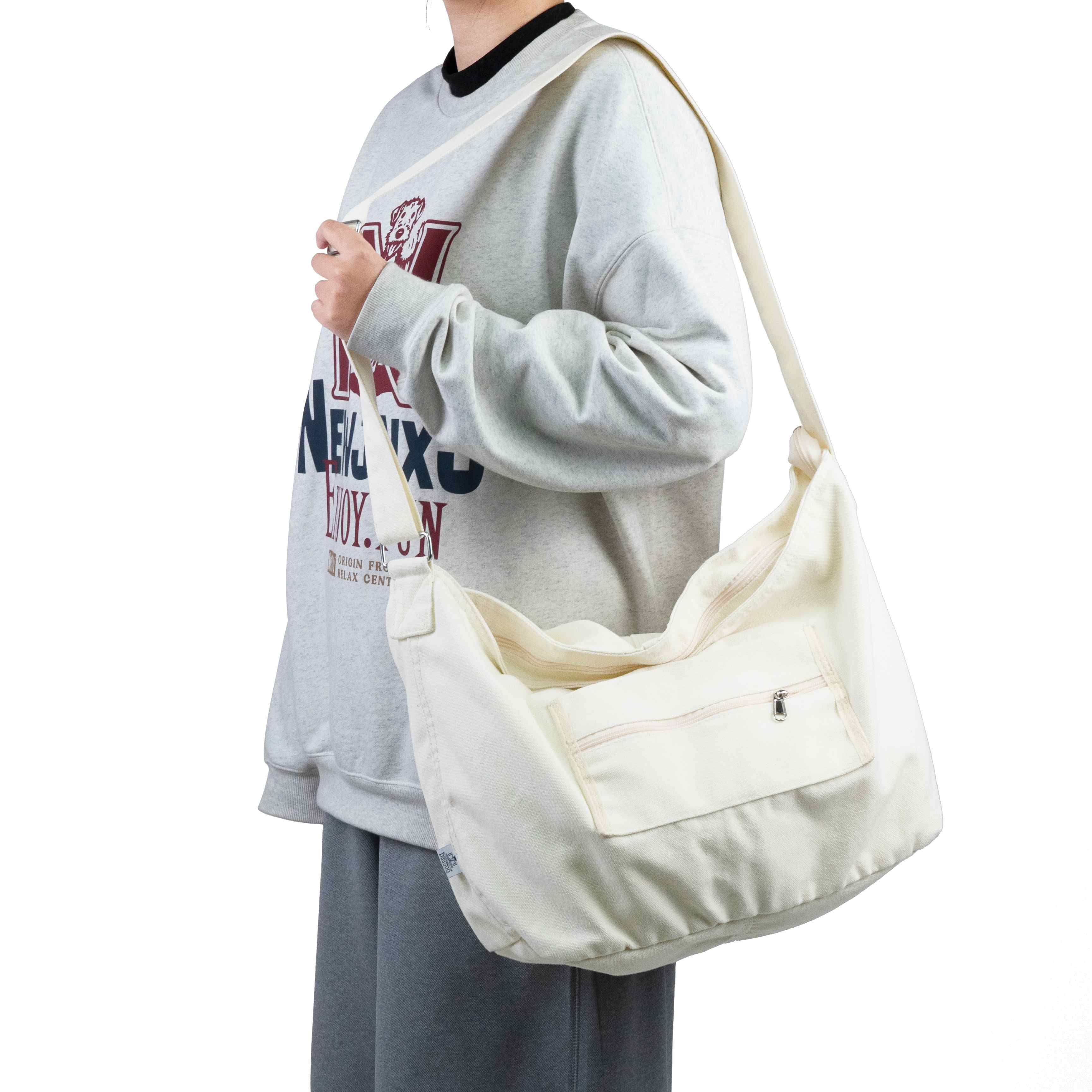
Fabric gift bag
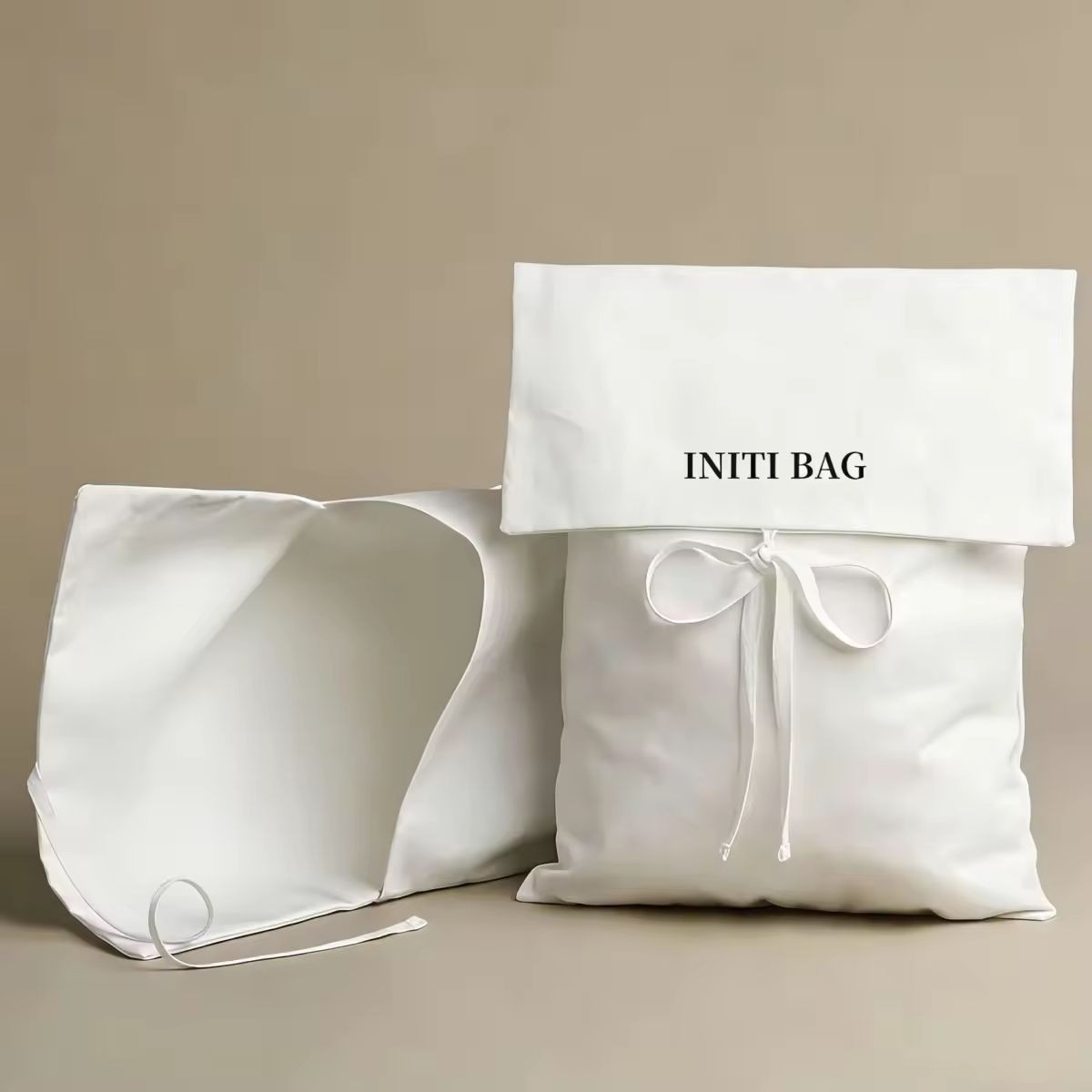
Cotton, canvas, jute, rPET or non-woven.
Handles: drawstring, flip cover, rope or webbing.
The most reusable construction, and the one under the closest scrutiny for material content and separability. Best for reusable gifting, premium keepsakes and corporate programs.
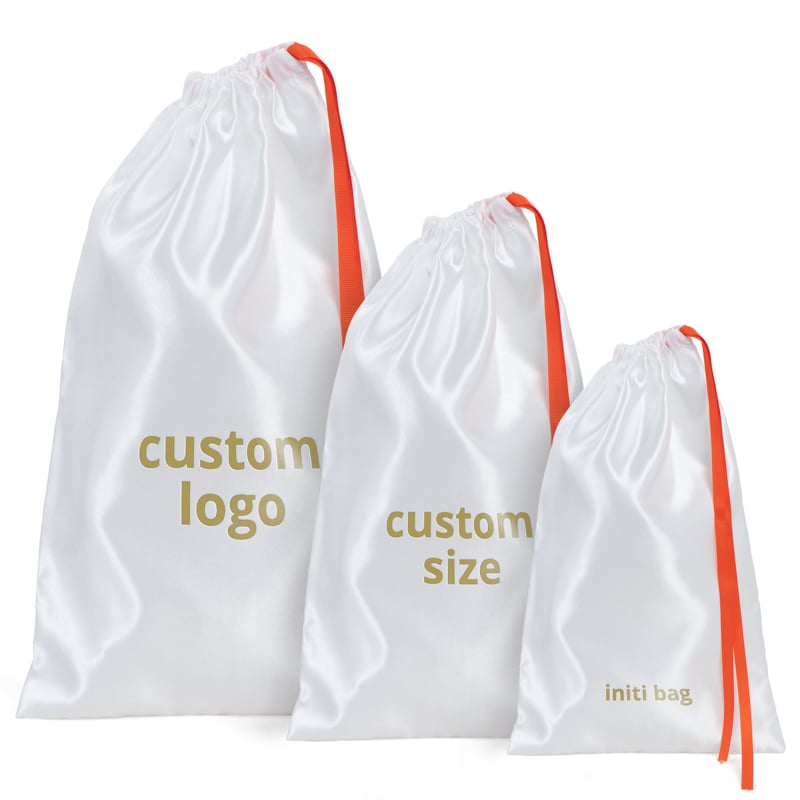
Drawstring pouch
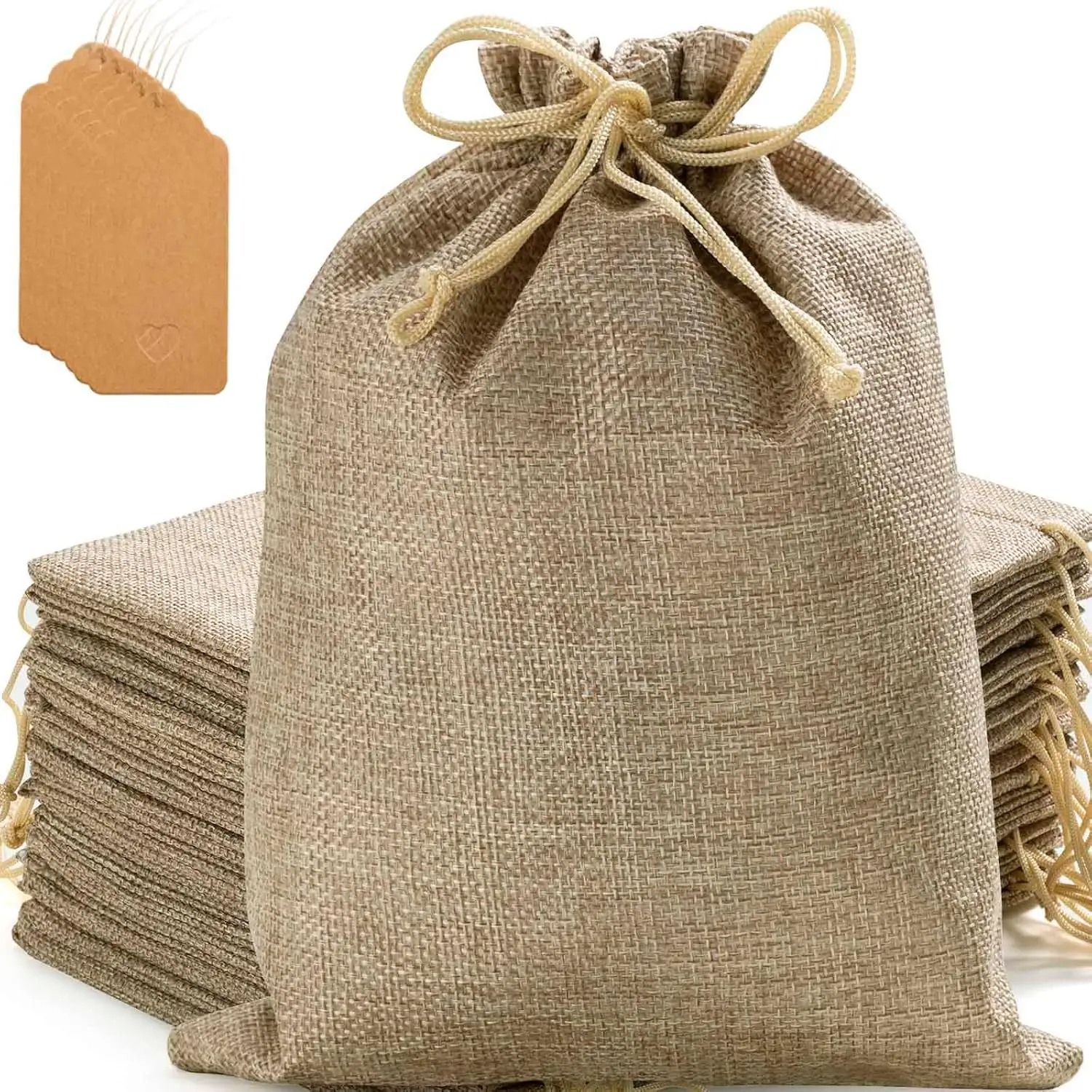
Cotton, jute, satin or velvet, closed with a drawstring cord.
The smallest and least expensive format, used for items too small to justify a handled bag. Perceived value comes from the material rather than the print. Best for jewelry, small accessories and party favors.
Wine bottle bag
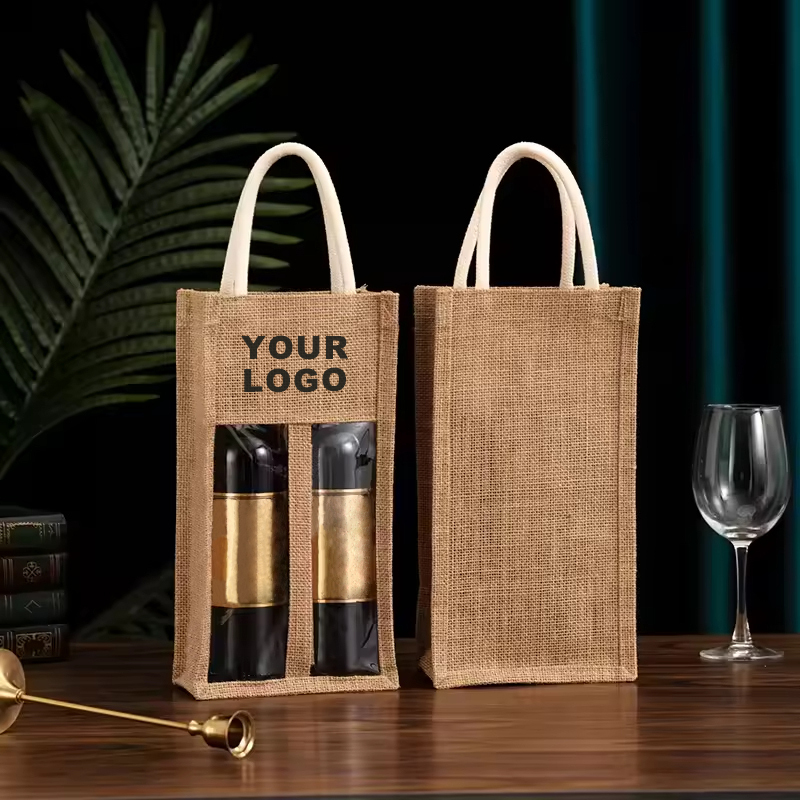
Paper, jute, canvas or felt.
Handles: rope or die-cut.
Bottle formats need a reinforced base to carry a dense, concentrated point load, and the height must allow for the capsule. Best for spirits, wine and gourmet gifting.
Clear or window bag
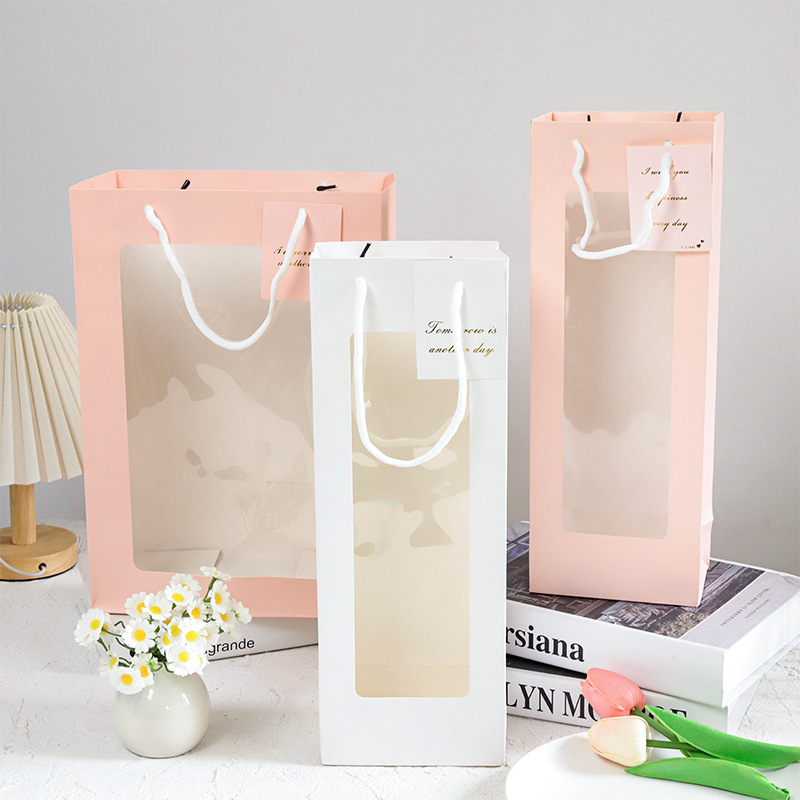
PET, PVC, PP, or paper with a film window.
Handle style varies by construction.
These exist to show the product, which is why they dominate cosmetic and candy sets, but the film adds a second material that must be separable to grade well. Best for cosmetic sets, candy sets and visible-product gifting.
Gift Boxes vs. Gift Bags: Key Differences Buyers Should Know
A gift box resists deformation. A gift bag transmits it.
When a box is loaded, the force travels through the board and along the corner joints to the base. Because the board is stiff, the load path is predictable, and the box can be engineered — via board thickness, corner wrapping, base reinforcement and internal fitment — to carry a known load without visible distortion.
When a bag is loaded, the force travels through the sheet or fabric, then concentrates at three points: the handle attachment, the top edge, and the bottom seam. Because the material is flexible, the bag deforms to accommodate the load rather than resisting it, which is why a bag accepts irregular contents gracefully and also why it fails suddenly when the concentrated stress exceeds the material's tear strength.
That single distinction explains almost every downstream difference. It explains why boxes cost more. It explains why boxes freight higher. It explains why bags are faster to pack. And it explains why the failure modes are so different in the field.
| Engineering Property |
Gift Box |
Gift Bag |
| Load path |
Distributed through board and corners to the base |
Concentrated at handle, top edge and bottom seam |
| Deformation under load |
Minimal; shape is retained |
Progressive; shape follows contents |
| Compression resistance (stacking) |
Good to excellent |
Poor to none |
| Edge impact resistance |
High, if corner wrapping is complete |
Low |
| Dimensional tolerance |
Tight; can be specified to ±1 mm on a rigid box |
Loose; typically ±5 mm or more on a paper bag |
| Tolerance to irregular contents |
Low; requires fitment engineering |
High; accepts most shapes without modification |
| Empty-volume cost |
Paid in full at every freight leg |
Not paid if shipped flat or nested |
| Primary quality risk |
Wrap lifting, corner crush, board warping |
Handle pull-out, seam failure, print registration on gussets |
Board Grade and Construction
The phrase describes a construction method, not a performance level.
Grayboard is graded by thickness and density, and the practical consequences are significant:
| Grayboard Thickness |
Typical Use |
Perceived Quality |
Notes |
| 1.0 mm (0.039 in) |
Small jewelry boxes, cosmetic cartons, lightweight promotional boxes |
Basic |
Prone to warping on large footprints; wrap tension is hard to control |
| 1.5 mm (0.059 in) |
Standard retail gift boxes, accessory boxes, small electronics |
Good |
The most common specification for mid-tier retail gift packaging |
| 2.0 mm (0.079 in) |
Premium retail boxes, fragrance sets, mid-size gift sets |
Premium |
Good balance of rigidity and freight weight |
| 2.5 mm (0.098 in) |
Large premium boxes, wine and spirits, corporate gift sets |
High premium |
Needs corner wrapping; laminated board preferred for stability |
| 3.0 mm (0.118 in) |
Heavyweight luxury, archival and keepsake packaging |
Luxury |
Freight cost rises steeply; often paired with an outer sleeve |
Bag Construction
On the bag side, the equivalent specification variables are basis weight, gusset depth and handle attachment method.
Basis weight determines how the bag feels and how it performs. Paper gift bags in the 128–210 gsm range (approximately 47–78 lb text) cover most retail needs. Below 128 gsm, the bag feels flimsy and the top edge folds over under its own handle load. Above 210 gsm, the paper becomes difficult to crease cleanly, and the bottom fold can crack under repeated flexing.
Gusset design determines the bag's usable depth. A side-gusseted bag with a bottom gusset holds volume and stands upright. A flat bag with no gusset holds almost nothing but still prints attractively.
Handle attachment is the single most common failure point in the entire category. The four standard methods behave very differently:
| Handle Type |
Attachment Method |
Load Capacity |
Best For |
Failure Mode |
| Twisted paper handle |
Glued to the inner top edge, often with a paper patch |
Light to medium |
Retail carry-out, lightweight gifts |
Patch peel-off; top edge tear under point load |
| Flat paper handle |
Glued with a wide contact patch |
Medium |
General retail, bakery, apparel |
Delamination of the handle strip |
| Ribbon handle |
Stitched or riveted through reinforced board |
Medium to heavy |
Premium retail, fashion, cosmetics |
Hole elongation if the reinforcement card is omitted |
| Rope / cotton cord handle |
Knotted through a punched hole, often with an eyelet |
Medium to heavy |
Kraft and premium bags, wine bags |
Hole tear without an eyelet; friction wear on the cord |
The reinforcement behind the handle hole is not cosmetic. A punched hole without a board or eyelet reinforcement concentrates the entire load on a small area of paper and will elongate within a few carries. Buyers comparing quotes from two suppliers should confirm whether reinforcement cards or eyelets are included, because a quote that omits them will look cheaper and will fail sooner.
For textile bags — cotton, canvas, jute, rPET, non-woven — the equivalent variable is the handle attachment stitch pattern. Webbing or rope handles stitched with a box-X pattern and reinforced at both ends distribute load far better than a single straight run of stitching, which concentrates stress at the first and last stitch.
Protection Performance
Protection has five distinct components, and boxes and bags score very differently on each.
| Protection Dimension |
Gift Box |
Gift Bag |
| Compression (stacking) |
High |
None |
| Edge and corner impact |
High |
Low |
| Vibration and abrasion |
High |
Moderate |
| Moisture and dust |
Moderate to high |
Low to moderate |
| Contents retention |
High |
Low |
The practical implication is that a box protects by structure, while a bag protects almost entirely by whatever the buyer puts inside it. Tissue paper, crinkle cut fill, and a product that is itself robust do the work. Remove those, and a bag provides scuff and dust protection and nothing else.
Print and Finishing Capability
Print quality is where gift boxes separate most decisively from gift bags — and where the gap is narrowest on paper bags and widest on fabric bags.
The reason is surface. A rigid box is typically wrapped in coated paper that presents a smooth, sealed, dimensionally stable sheet. A paper bag is printed on a sheet that will be folded, gusseted, glued and handled, so the print must survive creasing and flexing.
| Finishing / Print Technique |
Gift Box Suitability |
Paper Gift Bag Suitability |
Fabric Gift Bag Suitability |
Notes |
| Offset CMYK |
Excellent |
Very good |
Not applicable |
Highest detail; best economics at volume on boxes |
| Flexo |
Good for solid areas |
Very good |
Not applicable |
Cost-efficient on bags; less suited to fine gradients |
| Digital print |
Good |
Good |
Not applicable |
Suits short runs and versioned artwork; higher unit cost |
| Screen print |
Limited use |
Limited use |
Excellent |
Standard method for cotton, canvas, jute and non-woven |
| Heat transfer |
Not typical |
Not typical |
Very good |
Photographic detail on textiles; adds cost per unit |
| Foil stamping |
Excellent |
Good on coated and laminated stock |
Limited |
Cleanest on boxes; bag creases can crack the foil |
| Embossing / debossing |
Excellent |
Good |
Not typical |
Requires board stiffness to hold the relief |
| Spot UV |
Excellent |
Good on laminated stock only |
Not applicable |
Invisible on uncoated or textured surfaces |
| Matte lamination |
Excellent |
Very good |
Not applicable |
Adds scuff resistance; affects recyclability |
| Gloss lamination |
Excellent |
Very good |
Not applicable |
Higher perceived shine; fingerprints more visible |
| Soft-touch lamination |
Excellent |
Very good |
Not applicable |
Strongest tactile premium signal; highest cost |
| Window / film patch |
Possible |
Common |
Common |
Introduces a mixed-material element |
| Edge gilding / sprayed edges |
Possible |
Not typical |
Not applicable |
Box-only premium detail |
Packing Speed and Convenience
Packing workflow is particularly important for retailers and promotional companies.
A retailer may need to package hundreds of purchases during a busy season. A promotional company may need to prepare thousands of event kits.
A simple gift bag can often be prepared quickly:
- Open the bag.
- Place the product inside.
- Add tissue or filler if required.
- Close or arrange the opening.
- Hand it to the customer.
The exact process depends on the design, but flexible bags can be convenient when speed matters.
Gift boxes vary considerably.
A folding box may be relatively quick to assemble, while a rigid box with a separate lid, insert, tissue paper, and decorative accessories may require more handling.
This does not make one format universally better.
It simply means that packing labor should be considered during packaging selection.
Storage and Shipping
Storage is another factor that is easy to overlook.
Many fabric and paper gift bags can be stored flat or in compact bundles before use. This can be useful for retailers, distributors, promotional companies, and businesses with limited warehouse space.
Some gift boxes are also designed to fold flat.
Others, especially rigid boxes, retain their shape and therefore require more storage volume.
The same principle applies to transportation.
A buyer should compare:
- Finished dimensions
- Folded dimensions
- Units per carton
- Carton dimensions
- Gross weight
- Packing configuration
- Shipping volume
A bag should not automatically be assumed to have a lower shipping cost, and a box should not automatically be assumed to be inefficient.
The actual shipping configuration matters.
For international bulk purchasing, this information is particularly useful because packaging volume can influence the overall logistics cost.
If a business handles thousands of units, even small differences in packing time can become significant operational costs.
Cost Structure
| Cost Component |
Gift Box |
Gift Bag |
| Raw material |
Cost: High. Grayboard, wrap paper, fitment |
Cost: Low. Single sheet or textile panel |
| Tooling and setup |
Cost: Medium to High. Die-cutting dies and any custom insert mold |
Cost: Low to Medium. Die for custom size; standard sizes may need none |
| Assembly labor |
Cost: High. Wrapping and corner tucking are semi-manual |
Cost: Low. Machine folding and gluing at speed |
| Printing |
Cost: Medium. Offset at volume is efficient |
Cost: Medium. Flexo at volume is efficient |
| Finishing |
Cost: Medium to High. Foil, emboss, spot UV, soft-touch |
Cost: Medium. Foil and lamination common; emboss limited |
| Fitment / insert |
Cost: Medium to High. Molded, flocked or board tray |
Cost: Low. Tissue paper or crinkle fill |
| Fill labor at your DC |
Cost: High. Multiple steps; lid, insert, seat, close |
Cost: Low. Fill and finish in one or two motions |
| Cubic freight |
Cost: High. Shipped erected or with limited nesting |
Cost: Low. Shipped flat in dense stacks |
Which Is Better for Different Business Applications?
There is no single answer for every business because the packaging has to fit the operating environment.
A retailer, promotional company, private-label brand, and corporate gift buyer may all package products differently.
For Retailers
Retailers typically have to balance presentation with operational efficiency.
Important considerations include:
- Checkout speed
- Product size variation
- Storage space
- Seasonal demand
- Customer carrying convenience
- Brand visibility
- Packaging cost
Gift bags can be useful when customers purchase different products and the store needs flexible packaging at checkout.
A retailer might keep several bag sizes available and select the appropriate size based on the purchase.
Gift boxes can be more suitable when a product or gift set has already been designed around a specific package.
For example, a cosmetic gift set with several products may require an insert to keep each item in place.
In that situation, the packaging becomes part of the product presentation rather than simply a carrier.
For Promotional Companies
Promotional companies often work with large quantities and different campaign requirements.
Typical projects include:
- Trade shows
- Conferences
- Corporate events
- Product launches
- Customer appreciation campaigns
- Employee gifts
- Holiday promotions
In these applications, packaging often needs to be:
- Easy to distribute
- Easy to carry
- Brandable
- Cost-controlled
- Suitable for bulk production
- Consistent across large quantities
Gift bags can be particularly useful when recipients need to carry the promotional products immediately after an event.
A reusable fabric bag can also remain useful after the event.
For example, a branded cotton or canvas bag may later be used for shopping, storage, or everyday carrying.
Gift boxes can be useful when the promotional campaign centers around a curated gift set.
A box can keep several products organized and create a more controlled opening experience.
For Private-Label Brands
Private-label brands have an additional concern:
The packaging should look like part of the brand.
A brand may already have:
- Defined colors
- Logo guidelines
- Typography
- Product packaging
- Retail positioning
- Photography style
The gift packaging should be consistent with those elements.
A structured gift box may fit a brand that emphasizes premium presentation.
A reusable textile gift bag may fit a brand that emphasizes practicality, lifestyle, or long-term reuse.
The important point is consistency rather than simply choosing the format that looks more expensive.
For Corporate Gifts
Corporate gifting often involves multiple products packaged together.
For example:
Tumbler + Notebook + Pen
can be arranged inside a fitted gift box.
However, the box may still need an outer carrier.
A practical system can therefore be:
Product Set → Gift Box → Branded Carrier Bag
This allows the box to focus on presentation while the bag handles carrying.
For Seasonal Campaigns
Seasonal packaging creates another consideration: inventory timing.
A retailer ordering Christmas packaging, for example, may only use it for part of the year.
Storage therefore becomes important.
Flat-packable bags and folding boxes may be easier to manage when large quantities need to be stored before the campaign begins.
The design should also avoid unnecessary features that make the package difficult to store or transport.
Should You Choose a Gift Box, Gift Bag, or Both?
This is where the decision becomes more practical.
Instead of treating gift boxes and gift bags as competing products, think about what each one needs to accomplish.
Consider a Gift Box When Structure Is Important
A gift box may be worth considering when:
- The product is fragile
- The product needs defined positioning
- Multiple products need to stay organized
- Inserts are required
- The unboxing experience is important
- The packaging needs to stack neatly
- The product is sold as a coordinated gift set
For these applications, the structure of the box is part of the function.
Consider a Gift Bag When Flexibility Is Important
A gift bag may be worth considering when:
- Fast packing is important
- The product has a flexible shape
- Customers need to carry the package
- Packaging must be easy to store
- Reuse is part of the concept
- The project involves promotional distribution
- The same packaging needs to accommodate slightly different products
A reusable textile bag can also become part of the brand experience after the gift itself has been opened.
However, the bag should be designed for actual reuse.
That means considering:
- Material durability
- Handle comfort
- Practical size
- Load capacity
- Construction
- Appearance
Simply adding the word “reusable” to a package does not guarantee that customers will reuse it.
Consider Using Both When They Solve Different Problems
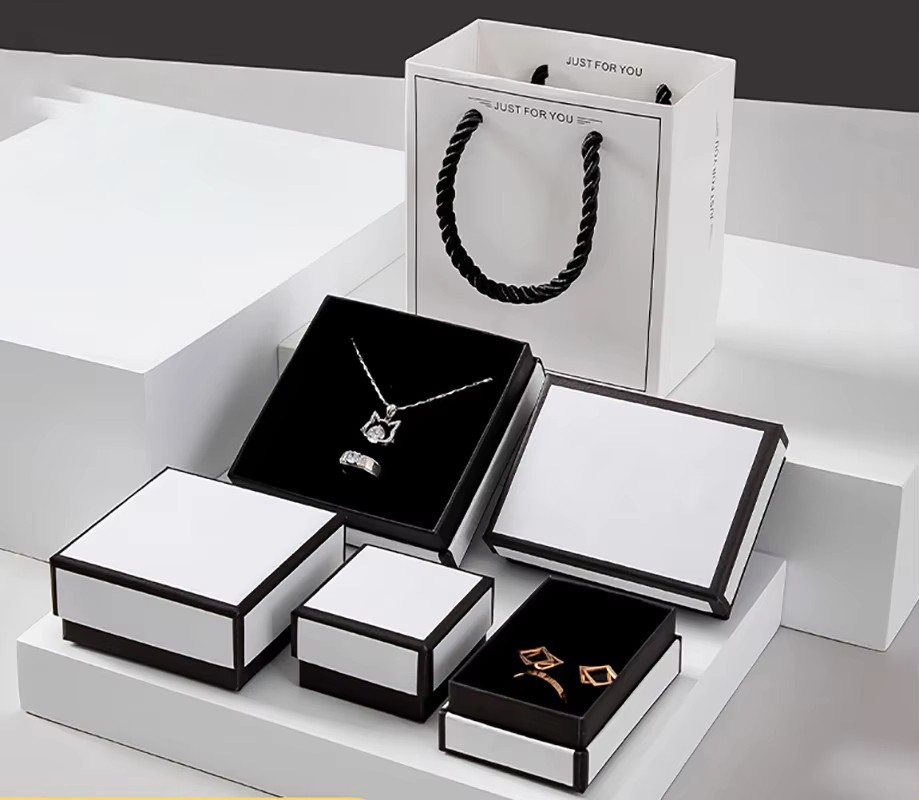
In some projects, combining the two formats is more practical.
For example:
Product → Gift Box → Carrier Bag
The box provides structure and presentation.
The bag provides carrying convenience.
Another option is:
Product → Protective Inner Box → Reusable Fabric Gift Bag
The inner box protects the product.
The fabric bag becomes the outer branded packaging and can potentially be reused.
This type of combination can be especially useful for:
- Corporate gift sets
- Premium retail products
- Product launches
- Client appreciation gifts
- Promotional campaigns
- Multi-product gift sets
The important principle is that each packaging component should have a clear function.
Gift Bag/Box Customization Options
Customization can go far beyond adding a logo.
For gift bags, buyers can consider:
- Bag dimensions
- Fabric weight
- Color
- Gusset depth
- Handle length
- Handle material
- Drawcord
- Closure
- Lining
- Reinforcement
- Printing
- Woven labels
- Hangtags
- Individual packaging
For gift boxes, options may include:
- Box dimensions
- Lid structure
- Opening style
- Board thickness
- Inserts
- Compartments
- Sleeves
- Interior printing
- Exterior printing
- Surface finishing
- Ribbon
- Foil details
- Embossing
- Individual packaging
The important point for buyers is that customization should solve a specific packaging requirement.
Adding more features does not automatically make a package better.
A practical design usually starts with the product and then determines which customization features are actually useful.
What Should Buyers Check Before Placing a Custom Order?
Once the packaging format has been selected, the next challenge is turning the idea into a production-ready specification.
A buyer should confirm the following areas before approving a bulk order.
| Category |
What to Check |
| Product |
Dimensions, weight, shape, fragility |
| Size |
Internal and external dimensions |
| Material |
Material type, thickness or fabric weight |
| Structure |
Gusset, insert, reinforcement, lid, closure |
| Branding |
Logo position, artwork, printing method |
| Accessories |
Handles, ribbons, tags, drawcords |
| Product fit |
Actual product tested inside |
| Quality |
Stitching, corners, printing, dimensions |
| Packaging |
Individual packing and master carton |
| Logistics |
Units/carton, carton dimensions, gross weight |
| MOQ |
Minimum order quantity |
| Sample |
Sample approval before bulk production |
| Lead time |
Sampling and mass-production schedule |
FAQ
Are gift boxes better than gift bags?
Neither format is universally better. Gift boxes generally provide more structural support and controlled presentation, while gift bags can provide flexibility, carrying convenience, faster packing, and reusable options depending on their construction.
Are gift bags cheaper than gift boxes?
Gift bags can be less expensive in some applications, but there is no universal price difference. Material, size, printing, handles, structure, quantity, and additional packaging all affect the final cost.
Are gift bags more sustainable than gift boxes?
Not automatically. Sustainability depends on the material, manufacturing process, transportation, useful life, number of uses, and end-of-life conditions. A durable reusable bag and a recyclable paper-based box have different characteristics that should be evaluated based on the specific project.
Can gift bags be customized with a logo?
Yes. Depending on the material, gift bags can be customized through printing, labels, embroidery, woven branding, tags, and other techniques. The suitable method depends on the fabric or paper, artwork, quantity, and desired appearance.
Can gift boxes and gift bags be used together?
Yes. A box can provide structure and product presentation while a bag provides carrying convenience and additional branding. This can be useful for corporate gifts, premium retail packaging, and multi-product gift sets.
Can a fabric gift bag replace a gift box?
Sometimes. If the product does not require rigid protection, a sufficiently strong and appropriately structured fabric bag may work as the primary package. Fragile products may still require an inner box or other protective structure.
What materials are commonly used for gift bags?
Common materials include cotton, canvas, jute, velvet, paper, polyester, and non-woven fabrics. The choice depends on the intended appearance, product weight, durability, printing requirements, and whether reuse is expected.
What information should I provide when requesting a custom gift packaging quotation?
Provide the product type, product dimensions, weight, packaging size, preferred material, quantity, logo artwork, intended application, delivery requirements, and any special features such as inserts, handles, closures, ribbons, or individual packaging.
Conclusion
The choice between a gift box and a gift bag is not simply a question of which one looks better.
A gift box provides structure, organized presentation, and a defined unboxing experience. It can be useful when the product requires protection, precise positioning, or a coordinated presentation.
A gift bag provides flexibility, convenient carrying, efficient packing, and the potential for continued use when a durable material and practical design are selected.
For retailers, promotional companies, procurement teams, and private-label brands, the right decision should come from the product, customer journey, operating process, and overall packaging requirements.
Start with the product.Then consider protection, presentation, packing speed, storage, shipping, customization, cost, MOQ, and reuse.And remember that the choice does not always have to be one or the other.
For some projects, the most functional solution may be:
Gift Box + Gift Bag
where each component performs a different job.
For buyers planning a custom gift packaging project, the goal is not simply to select a package that looks attractive.It is to develop a package that fits the product, works for the customer, supports the brand, and remains practical throughout the entire purchasing and distribution process.
Related Products


 Hot News