Introduction
When a Dutch grocery chain replaced 12 million annual cotton tote bags with GRS-certified RPET alternatives in 2023, the procurement rationale was clear: same functional specification, lower environmental footprint, EU PPWR regulatory alignment, and a consumer-facing sustainability story verified by a third-party standard. RPET bags are now the fastest-growing segment in the B2B bag category, at approximately 8.5% CAGR through 2028.
What Makes RPET Different from Standard Recycled Claims
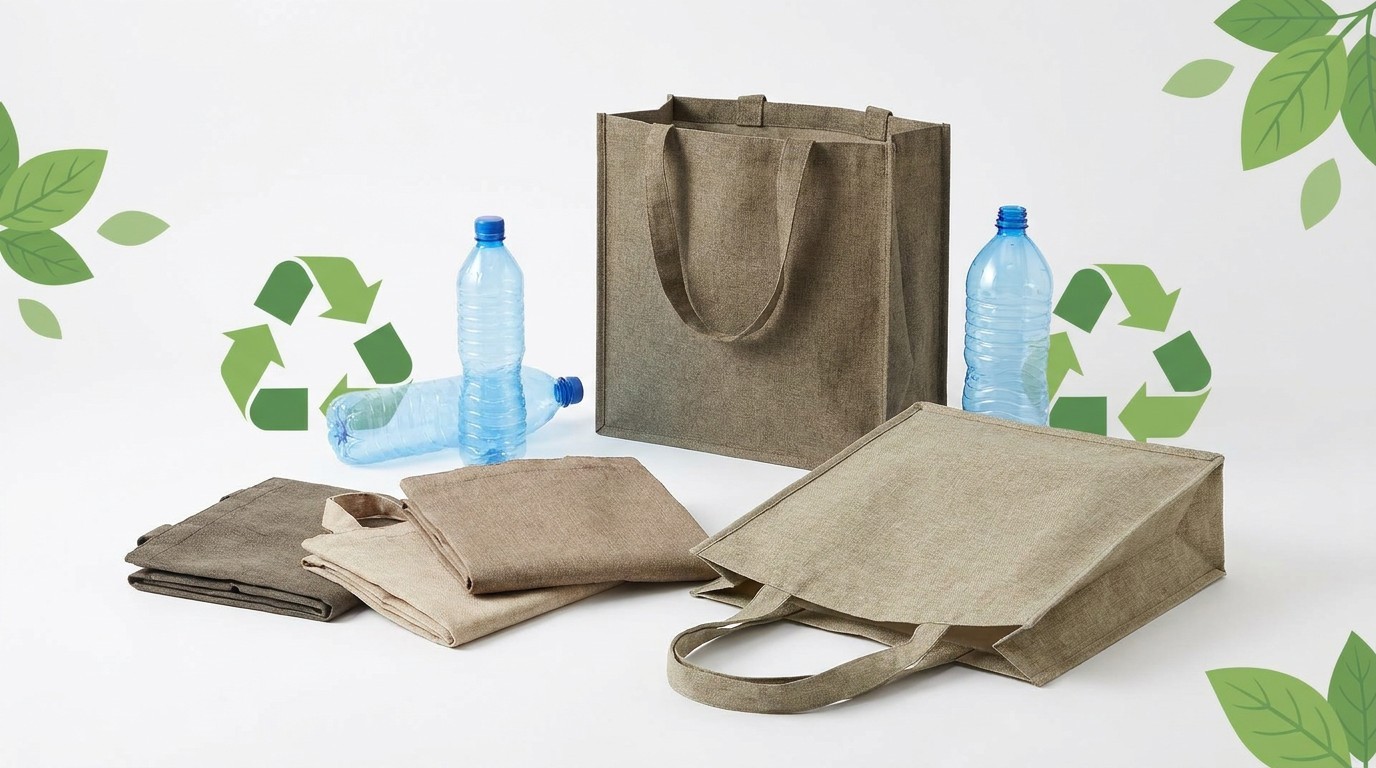
RPET is produced by collecting, sorting, washing, and pelletizing post-consumer PET bottles, then extruding pellets into polyester fiber. The key differentiator: verifiable supply chain traceability. A GRS-certified RPET bag can document: PET bottle collection point, pellet production facility, fiber production, and bag manufacturing — a complete chain of custody.
Recycled Content: Understanding the Numbers
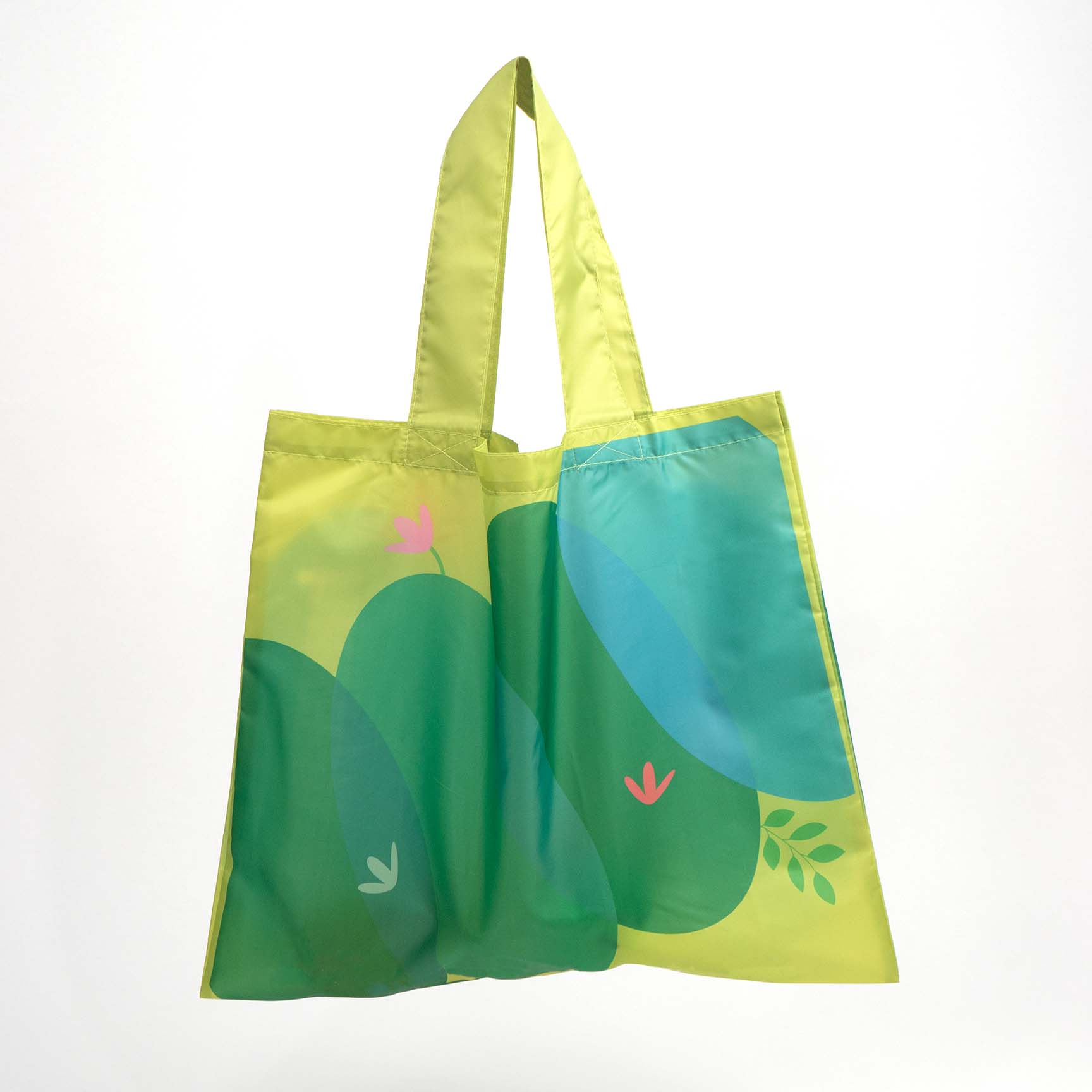
A typical 80 gsm RPET tote bag (38×42 cm) contains approximately 5–6 post-consumer 500 ml PET bottles.
| RPET Content |
What It Means |
Claim Permitted |
| 100% RPET |
All fabric fiber from recycled PET |
"Made from 100% recycled plastic bottles" |
| 80% RPET + 20% virgin |
Common performance blends |
"Made with 80% recycled content" |
| 50% RPET + 50% cotton |
Hybrid sustainability blend |
"Made with 50% recycled polyester" |
Distributor ROI: Why the Switch Makes Commercial Sense
| RPET Content |
What It Means |
Claim Permitted |
| 100% RPET |
All fabric fiber from recycled PET |
"Made from 100% recycled plastic bottles" |
| 80% RPET + 20% virgin |
Common performance blends |
"Made with 80% recycled content" |
| 50% RPET + 50% cotton |
Hybrid sustainability blend |
"Made with 50% recycled polyester" |
What to Require from Your RPET Supplier
-
GRS Scope Certificate: Covers the specific factory, not just the material supplier. Verify at controlunion.com.
-
Transaction Certificates (TCs): Issued per shipment; confirm goods in that order meet GRS requirements.
-
Recycled content percentage: Confirmed in writing as part of product specification.
- PPWR compliance awareness: Supplier should be aware of upcoming 30% recycled content mandate.
Conclusion & Next Step
For distributors serving EU and UK retailers, the transition from cotton or virgin polyester to GRS-certified RPET is increasingly a business necessity rather than a voluntary sustainability choice.
Ready to transition your bag range to GRS-certified RPET? Contact [email protected] for sample set, GRS scope certificate, and comparative quote.




 Hot News