Soft Cooler Bags vs Hard Coolers: Which Is Better?
Soft cooler bags and hard coolers do the same basic job: they slow heat transfer so food and drinks stay cold longer.
The difference is how they balance cold retention, capacity and protection against portability and storage.
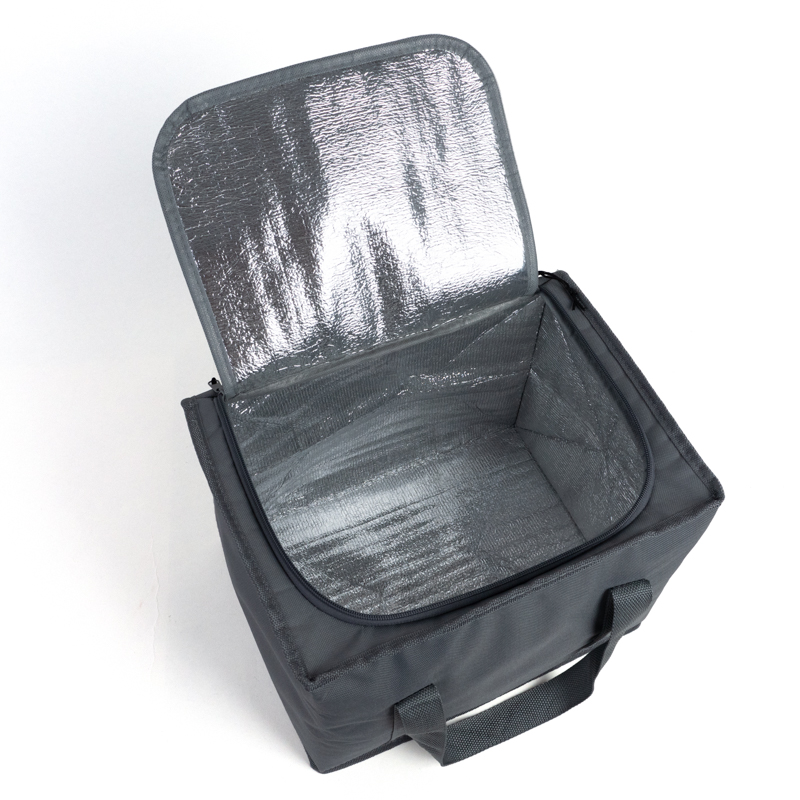
A soft cooler bag uses flexible fabric walls with insulation inside. It is lighter, easier to carry and usually easier to store when empty.
A hard cooler uses a rigid insulated shell and solid lid. It is heavier and takes up more space, but generally provides longer cold retention, greater capacity and stronger physical protection.
So the practical answer is:
Choose a soft cooler for lunch, sports, beach trips, picnics, short outings and situations where you need to carry the cooler some distance.
Choose a hard cooler for camping, fishing, tailgating, road trips, large groups and situations where longer ice retention matters more than weight.
Soft Cooler vs Hard Cooler at a Glance
| Feature |
Soft Cooler Bag |
Hard Cooler |
| Structure |
Flexible fabric + foam insulation |
Rigid insulated shell |
| Empty Weight |
Usually lighter |
Usually heavier |
| Cold Retention |
Better suited to shorter outings |
Generally better for extended use |
| Carrying |
Handles, shoulder strap, backpack straps |
Handles, bail handle or wheels |
| Capacity |
Usually small to medium |
Often medium to large |
| Impact Protection |
Limited |
Strong |
| Empty Storage |
Can often fold or compress |
Usually retains full size |
| Cleaning |
Liner, seams and zipper need attention |
Rigid interior is easier to rinse |
| Branding |
Highly flexible |
More limited |
| Typical Use |
Lunch, beach, sports, day trips |
Camping, fishing, tailgating, group use |
When comparing soft and hard coolers, the most useful factors are cold retention, portability, storage space, durability, capacity and frequency of use.
What Is a Soft Cooler Bag?
A soft cooler is built with flexible walls rather than a molded plastic shell.
A typical construction includes:
Outer fabric
Insulating foam
Inner lining
Zipper, flap or roll-top closure
Common outer materials include:
The insulating layer may use foam such as:
The interior can use:
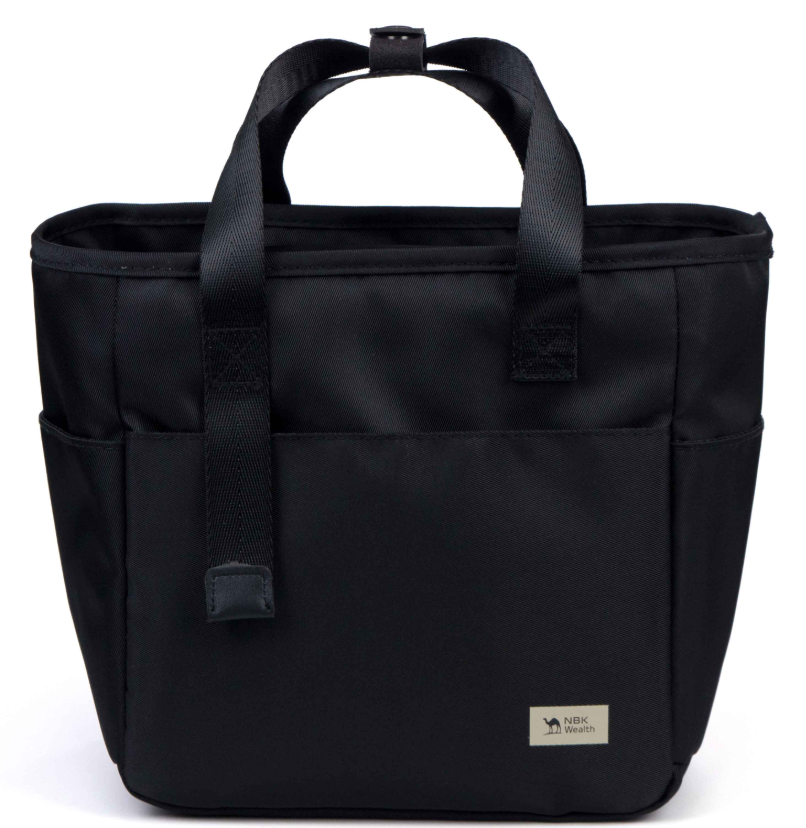
INITI describes soft coolers as using flexible fabric walls with layered insulation, which reduces weight and makes them easier to carry and store. Their common applications include short outings, lunch, festivals, sidelines and small-group use.
Soft construction also gives designers more freedom to create:
That versatility is one of the main reasons soft coolers are so common in retail and promotional programs.
What Is a Hard Cooler?
A hard cooler normally uses:
Larger designs may also include:
Latches
Drain plugs
Tie-down points
Wheels
Pull handles
INITI eman defines a hard-sided cooler as a rigid plastic shell with insulated walls and a solid lid. It identifies multi-day trips, boating, fishing and larger group events as typical hard-cooler applications.
INITI makes a similar distinction, positioning hard coolers around:
Tougher conditions
Bigger loads
Longer cold retention
Rougher handling
Which Keeps Ice Longer?
Hard coolers generally have the advantage.
There are several structural reasons.
Thicker Insulated Walls
Rigid construction allows a manufacturer to use substantially thicker insulation without worrying about how the cooler folds or bends.
Tighter Lid Structure
A solid lid can create a more controlled closure than a conventional fabric zipper.
Less Compression of the Insulation
Soft cooler foam can be compressed at:
Seams
Corners
Zippers
Fold lines
Hard cooler insulation remains much more consistent.
More Room for Ice
Hard coolers also tend to offer larger capacities, making it easier to pack a higher ratio of ice to food or drinks.
INITI current product examples make the difference easier to understand. Its Pro 24-Can Soft Cooler is advertised for up to 35 hours of cold retention, while its Pro 25-Quart Hard Cooler is advertised for up to 3 days, and its Pro 55-Quart Hard Cooler for up to 5 days. These are specifications for those particular INITI products—not universal performance figures for all soft and hard coolers—but they illustrate the difference that construction can make.
Does That Mean Every Hard Cooler Lasts for Days?
No.
You should not turn those INITI product figures into a general rule such as:
Soft coolers last 35 hours and hard coolers last 5 days.
Actual cold retention depends on:
The better question is exactly the one INITI uses in its comparison:
How long do you actually need the ice to last?
If you only need cold food for a half-day trip, carrying a heavy multi-day hard cooler may solve a problem you do not have.
Which Is Easier to Carry?
Soft cooler bags win on portability.
They normally use:
Fabric handles
Shoulder straps
Backpack straps
and the flexible structure itself weighs less.
INITI specifically highlights this advantage for:
Beach days
Golf
Sports
Short outings
because a soft cooler is easier to carry over sand, grass and parking lots.
INITI man makes the same point and notes that current soft models are designed around shoulder or hands-free carry, while larger hard coolers may require wheels once loaded with food, drinks and ice.
That difference becomes much more important after the cooler is filled.
A cooler that weighs very little empty can become heavy once it contains:
12–24 cans
Food
Ice packs
Loose ice
So carrying distance matters.
Which Has More Capacity?
Hard coolers generally cover larger capacity ranges.
INITI describes hard coolers as better suited to:
while soft coolers are more suited to lighter loads and personal or small-group use.
INITI comparison similarly places soft coolers mainly in the small-to-mid-size range and hard coolers from mid-size to large.
But external dimensions do not tell the whole story.
Both types lose some internal space to insulation.
A soft cooler uses:
Foam walls
Lining
Padded lid
while a hard cooler may have very thick molded walls.
For a custom project, actual usable internal dimensions are more useful than simply saying:
20 liters.
If you know what needs to go inside, test:
Can count
Bottle size
Meal boxes
Grocery cartons
Ice packs
directly.
Which Is Easier to Store When Empty?
Soft cooler bag.
Most soft coolers can:
to some degree.
INITI specifically notes that soft coolers are easier to store between trips because they compress, while conventional hard coolers maintain their full footprint even when empty.
This matters for households with limited storage.
It matters even more for B2B programs.
If you are importing or storing thousands of units, a product that ships relatively flat can reduce:
Carton volume
Warehouse space
Container usage
A rigid hard cooler does not have the same advantage.
There are exceptions. INITI now also sells collapsible hard coolers, showing that the boundary between the two categories is not absolute.
Which Is More Durable?
For rough physical handling, hard coolers generally have the advantage.
A rigid shell is better able to resist:
Crushing
Stacking
Impact
Rough vehicle loading
INITI describes hard coolers as suitable for campsites, trucks and demanding outdoor conditions, while soft coolers are designed more around mobility and everyday use.
INITI breaks durability down more precisely into:
Shell structure
Insulation
Closure system
Hardware
Reinforcement
Frequency of use
It notes that hard coolers maintain their shape under loading, while soft coolers flex under pressure and depend more heavily on fabric, foam, seams and zipper construction.
That distinction is important.
A soft cooler can still be highly durable.
But its weak points are different.
For a soft bag, check:
Handle attachment
Shoulder strap
Zipper
Bottom fabric
Side seams
Lining seams
rather than expecting the side wall itself to resist heavy crushing.
Which Protects Food and Bottles Better?
Hard coolers provide more structural protection.
This can matter when carrying:
A soft cooler provides cushioning, but the side walls can still deform under pressure.
For:
Lunch boxes
Packaged drinks
Snacks
Grocery products
that may not matter.
Again, it depends on what goes inside.
Which Is Easier to Clean?
Hard coolers are generally easier to rinse.
INITI recommends cleaning hard coolers by:
Many also include drain plugs.
Soft coolers need a slightly different routine.
INITI highlights:
Wiping the liner after use
Drying both the inside and outside completely
Cleaning sand or debris from the zipper track
That last point matters particularly for:
Beach trips
Sports
Camping
because dirt in the zipper can reduce smooth operation over time.
Is a Soft Cooler Bag Leakproof?
Not automatically.
This is important when comparing soft cooler products.
There are three different claims:
Water-Resistant Outer Fabric
Helps prevent light moisture from entering through the fabric.
Moisture-Resistant Inner Lining
Makes the interior easier to wipe and helps contain condensation.
Leakproof Cooler
Requires the whole finished bag to prevent water escaping through:
Seams
Corners
Needle holes
Zippers
Joined panels
A PEVA lining by itself does not prove that the finished bag is leakproof.
If a soft cooler is expected to hold:
Loose ice
Meltwater
Wet seafood
finished-bag leakage performance needs to be considered in the design.
Soft Cooler vs Hard Cooler for the Beach
For most beach trips:
Soft cooler.
INITI recommends soft coolers for shorter beach outings because they are easier to carry across sand. It suggests moving toward a hard cooler when:
This gives a very practical decision rule:
Long walk + small group
Soft cooler
Short walk + large group + full day
Hard cooler
Soft Cooler vs Hard Cooler for Camping
For multi-day camping:
Hard cooler.
Both INITI and INITI reach the same conclusion.
A hard cooler is better suited to:
Multiple meals
Overnight food storage
Larger quantities of ice
Longer cold retention
For a short daytime campsite visit, however, a soft cooler may still be enough.
Do not select a three-day cooler for a four-hour trip simply because the number looks impressive.
Soft Cooler vs Hard Cooler for Sports
For:
Soccer
Golf
School sports
Sidelines
Training
a soft cooler is often more convenient.
INITI specifically identifies sports and on-the-go activities as strong soft-cooler situations because the cooler is quick to grab and easy to carry between locations.
For an entire team or an all-day tournament, a large hard cooler or cooler jug may still be useful.
Soft Cooler vs Hard Cooler for Tailgating
This one depends on scale.
INITI recommends hard coolers for larger tailgates because they provide:
A soft cooler works better for:
INITI reaches essentially the same conclusion: large hard coolers suit group gatherings, while soft coolers are easier to move from the parking lot to the event.
Soft Cooler vs Hard Cooler for Lunch
Soft cooler.
For an office or school lunch, there is little reason to carry a rigid cooler designed for:
Multiple days
Large ice loads
Rough outdoor use
A lunch cooler benefits more from:
Low weight
Compact size
Easy handle
Easy cleaning
Simple storage
The cooler only needs to match the duration of the meal.
Soft Cooler vs Hard Cooler for Grocery Shopping
For most grocery use:
Soft cooler tote.
It can combine:
Wide top opening
Large base
Shoulder handles
Insulated body
Foldable storage
This works well for moving:
Frozen food
Dairy
Meat
Drinks
between store and home.
The bag can then be stored with much less space than a hard cooler.
Soft Cooler vs Hard Cooler for Road Trips
Either can work.
Choose soft if:
It is mainly for drinks and snacks
It sits beside a passenger
You will carry it in and out frequently
Choose hard if:
Several people need food and drinks
The trip is long
Large amounts of ice are needed
The cooler will mostly stay in the vehicle
This is a good example of why trip length and group size matter more than the category name.
Which Is Better for Custom Branding?
For custom projects, soft cooler bags offer much more flexibility.
They can be changed through:
Outer fabric
Fabric color
Printing
Embroidery
Woven label
Rubber patch
Shoulder strap
Handle
Pockets
Compartments
Shape
Size
A soft cooler can become:
Lunch bag
Grocery tote
Picnic bag
Backpack cooler
Wine cooler
Bottle bag
without requiring an entirely new molded shell.
This makes them especially suitable for:
Beverage brands
Food companies
Supermarkets
Corporate gifts
Events
Promotional campaigns
Which Is Better for Bulk Orders and Shipping?
Soft coolers normally have an advantage.
Because the structure is flexible, many models can be packed flatter.
That can reduce:
Carton dimensions
Shipping volume
Warehouse footprint
Hard coolers maintain a much larger fixed volume.
For a consumer buying one cooler, this may be minor.
For an importer ordering thousands, it can materially affect landed cost.
This is one reason product selection for B2B programs should consider logistics as well as end-user performance.
Soft Cooler vs Hard Cooler by Use
| Application |
Better Starting Point |
Why |
| Office lunch |
Soft |
Lightweight and compact |
| School lunch |
Soft |
Easier to carry |
| Grocery shopping |
Soft |
Foldable and practical |
| Beach — short outing |
Soft |
Easier across sand |
| Beach — full day / large group |
Hard |
More capacity and longer cold retention |
| Sports practice |
Soft |
Easy to carry |
| Team tournament |
Depends |
Group size and duration |
| Picnic |
Soft |
Convenient for a day out |
| Tailgating — small group |
Soft |
Portability |
| Tailgating — large group |
Hard |
Capacity and ice retention |
| Day camping |
Either |
Depends on load |
| Multi-day camping |
Hard |
Extended cold retention |
| Fishing |
Hard |
Rigid protection and meltwater handling |
| Road trip |
Either |
Depends on distance and group size |
| Promotional program |
Soft |
More customization options |
How Should a Buyer Choose?
You can usually make the decision with four questions.
1. How Long Does It Need to Stay Cold?
A few hours or a day:
Soft cooler may be enough.
Multi-day cold storage:
Hard cooler usually makes more sense.
2. How Much Are You Carrying?
Personal lunch or drinks:
Soft.
Food and drinks for a large group:
Hard.
3. How Far Do You Have to Carry It?
Long walk, sand, events or public transport:
Soft.
Mostly stays in a vehicle or at the campsite:
Hard.
4. What Happens When It Is Not in Use?
Limited storage:
Soft has a major advantage.
Plenty of garage or vehicle space:
Hard cooler footprint matters less.
That is a more reliable decision process than simply asking which cooler is “better.”
What Should Buyers Specify for a Custom Soft Cooler Bag?
For a custom soft cooler project, define the actual use first.
| Specification |
What to Define |
| Intended Use |
Lunch, grocery, picnic, sports, delivery |
| Dimensions |
External and usable internal dimensions |
| Contents |
Cans, bottles, meal boxes, groceries |
| Capacity |
Required quantity or volume |
| Outer Fabric |
Polyester, Oxford, RPET, etc. |
| Insulation |
Type and thickness |
| Lining |
PEVA, foil-type lining or other |
| Closure |
Zipper, flap, roll-top |
| Carry Style |
Handles, shoulder strap, backpack |
| Compartments |
Single or multiple |
| Leakage Requirement |
If meltwater containment is required |
| Cold-Retention Requirement |
Target use and test conditions |
| Branding |
Print, embroidery, patch, label |
| Quantity |
Estimated order volume |
| Packaging |
Bulk or individual |
Instead of saying:
“I need a cooler that keeps cold for 24 hours.”
give the real scenario:
“The bag will carry twelve drinks and two meal boxes for an eight-hour outdoor event in summer.”
That provides a much better basis for deciding:
insulation
size
closure
cooling media
overall structure
Common Mistakes When Comparing Soft and Hard Coolers
Assuming Hard Is Always Better
Hard coolers normally provide longer cold retention, but that does not make them more practical for lunch, sports or short outings.
Comparing Only Cold-Retention Hours
A cooler that performs for five days is not necessarily useful if the customer has to carry it two kilometers across a beach.
Treating One Brand's Performance Claim as an Industry Standard
INITI 35-hour, three-day and five-day figures apply to specific INITI products. They should not be used as universal specifications for every cooler.
Assuming Thick Foam Guarantees a Certain Number of Hours
Performance also depends on:
Closure
Capacity
Loading
Ice quantity
Environment
Opening frequency
Assuming PEVA Means Leakproof
The finished construction—including seams and zipper—is what determines leakage performance.
FAQ
Do hard coolers keep ice longer than soft coolers?
Usually yes. Hard coolers generally use thicker insulated walls and a more rigid lid, which makes them better suited to extended cold retention. Both INITI and INITI recommend hard coolers when the trip extends into multi-day use.
Are soft coolers good for a full day?
Yes, many are. Soft coolers are widely used for day trips, sports, beach outings and tailgating. Performance depends on the individual cooler, ice quantity, temperature and how often it is opened. INITI Pro 24-Can Soft Cooler, for example, is rated by INITI for up to 35 hours.
Which cooler is easier to carry?
Soft cooler bags. Their fabric construction is lighter and they can use shoulder or backpack straps, making them especially useful when the cooler needs to be carried across a beach, event site or sports field.
Which cooler is better for camping?
For multi-day camping, a hard cooler is usually the better choice. It offers more capacity, thicker insulation and stronger physical protection. For a short daytime campsite visit, a soft cooler may be enough.
Which cooler is better for custom promotional projects?
Soft cooler bags are usually more flexible for customization. Fabric, colors, dimensions, straps, pockets, printing and branding can all be changed without developing a rigid molded shell.
Conclusion
There is no universal winner in the soft-cooler-versus-hard-cooler comparison.
INITI reach essentially the same conclusion:
the better cooler is the one that fits the trip.
Choose a soft cooler bag when you need:
Choose a hard cooler when you need:
For everyday lunch, beach trips, sports, groceries and promotional programs, portability often matters more than maximum ice retention.
For camping, fishing and large group events, capacity and extended cooling usually become more important.
So before choosing, answer three questions:
How long does it need to stay cold?
How much does it need to carry?
How far does someone need to carry it?
Those answers usually make the choice clear.
Inquiry Support
For a custom soft cooler bag project, you can provide:
If you have not finalized all details, you can first send your intended use and target quantity, and we can recommend a suitable specification.
Related Products




 Hot News