A swag bag may look like a simple bag filled with branded products, but for businesses and organizations, it represents something much more valuable: a practical marketing tool that helps create memorable experiences and strengthen brand connections.
From trade shows and corporate events to employee onboarding programs and product launches, swag bags are widely used by companies to deliver promotional items in a convenient and organized way. A well-designed swag bag allows brands to combine useful products, creative branding, and customer engagement into one package.
For buyers sourcing custom swag bags in bulk, the decision goes beyond choosing a bag and adding a logo. Factors such as bag style, material, size, printing method, target audience, budget, and usage scenario all influence the final result.
A successful swag bag should not only look attractive when it is handed out at an event but also remain useful after the event ends. When recipients continue using the bag in their daily lives, the brand gains repeated exposure over time.
This guide explains what a swag bag is, how it differs from other promotional gift bags, where it is commonly used, what products can be included, and what buyers should consider when customizing swag bags for their brands.
What Is a Swag Bag?

A swag bag is a branded bag filled with promotional products, gifts, or useful items that companies provide to customers, employees, event attendees, or partners.
The word “swag” is commonly understood as an abbreviation for “Stuff We All Get” in the promotional industry. It refers to free branded merchandise designed to increase brand awareness and create positive associations with a company.
A swag bag usually includes:
- A customized bag with a company logo or brand design
- Promotional products
- Practical everyday items
- Event-related materials
- Brand information or marketing materials
Unlike a regular gift bag, a swag bag is usually created with a specific marketing purpose. The goal is not only to give away products but also to create a lasting connection between the recipient and the brand.
For example, at a trade show, a company may prepare swag bags containing:
- A branded canvas tote bag
- Notebook
- Pen
- Water bottle
- Discount card
- Product brochure
The bag itself becomes part of the promotion because attendees may continue using it after the event.
For businesses, a swag bag works as a mobile advertising tool. Every time someone carries a branded tote bag through a store, office, airport, or public space, the logo receives additional visibility.
What Does “Swag” Mean in a Swag Bag?
The term “swag” has changed meaning over time.
Originally, “swag” had several meanings related to style, confidence, or personal belongings. In modern marketing and promotional industries, however, swag usually refers to free branded merchandise given away to promote a company, event, or organization.
Examples of common swag items include:
- Tote bags
- Cosmetic bags
- Keychains
- Apparel
- Drinkware
- Stationery
- Tech accessories
- Lifestyle products
The key feature of swag is that it usually contains branding elements, such as:
- Company logos
- Brand colors
- Slogans
- Event names
- Campaign messages
A good swag item should balance three elements:
Brand visibility + Practical value + Positive experience
A product that recipients actually use provides more marketing value than an item that is quickly discarded.
This is why bags have become one of the most popular swag products. Unlike many small promotional items, bags have:
- Larger branding areas
- Higher daily usage frequency
- Longer product lifespan
- Practical value for different audiences
Swag Bag vs Goodie Bag vs Gift Bag: What’s the Difference?
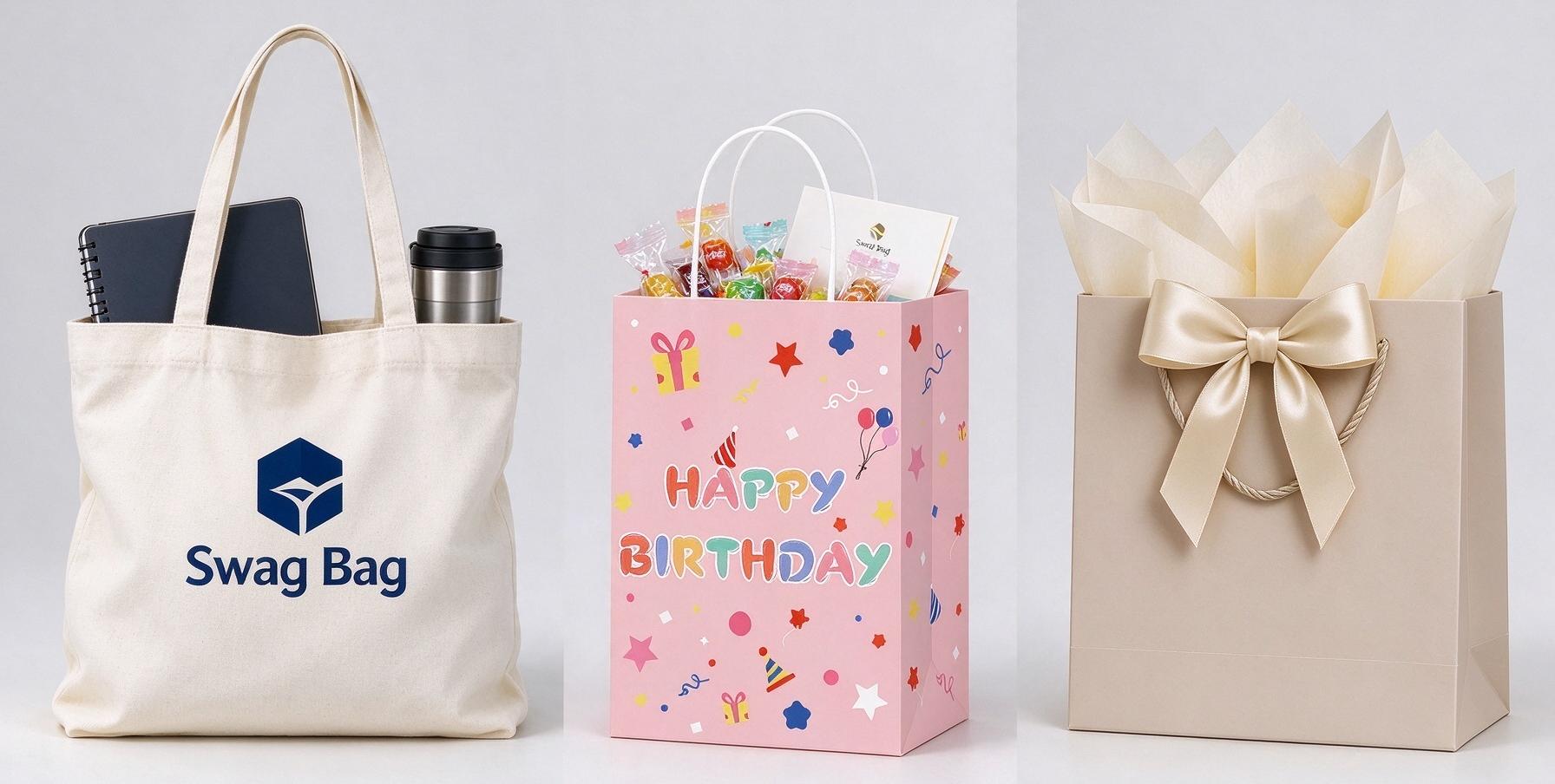
Although these terms are sometimes used interchangeably, they have different focuses depending on the situation.
| Type |
Main Purpose |
Typical Usage |
Marketing Focus |
| Swag Bag |
Brand promotion and engagement |
Corporate events, trade shows, employee programs |
Brand exposure |
| Goodie Bag |
Giving small gifts or treats |
Parties, celebrations, events |
Appreciation and enjoyment |
| Gift Bag |
Packaging for presenting gifts |
Retail, holidays, personal gifting |
Presentation |
Why Do Companies Use Swag Bags?
Businesses invest in swag bags because they provide multiple benefits beyond simply distributing free products.
A well-planned swag bag can support marketing campaigns, customer relationships, employee engagement, and brand recognition.
1. Increase Brand Visibility
One of the biggest advantages of swag bags is continuous brand exposure.
Many promotional materials disappear after an event. Flyers are thrown away, brochures may be forgotten, and digital advertisements disappear quickly.
A reusable branded bag has a much longer lifespan.
For example, a customer carrying a custom canvas tote bag with a company logo may expose the brand to:
- Office colleagues
- Retail shoppers
- Public transportation users
- Community members
This creates repeated impressions without additional advertising costs.
For this reason, bags are often considered one of the most effective promotional products.
2. Improve Event Experience
Events are not only about information exchange; they are also about creating memorable experiences.
A thoughtfully prepared swag bag can make attendees feel appreciated and improve their overall impression of a brand.
For example:
At a trade show:
- Attendees can collect brochures and samples inside the bag.
At a company conference:
- Employees receive useful items they can use during and after the event.
At a product launch:
- Customers receive branded products that reinforce the campaign message.
The bag becomes part of the event experience rather than just a container.
3. Strengthen Customer and Employee Relationships
Swag bags are also widely used for relationship-building.
Companies often prepare swag bags for:
- New employees
- Existing customers
- Business partners
- VIP clients
- Influencers
A customized package can communicate appreciation and help recipients feel connected to the brand.
For employee onboarding, for example, a company may create a welcome swag bag including:
- Branded tote bag
- Office supplies
- Company handbook
- Daily-use accessories
This creates a stronger first impression for new team members.
4. Create Long-Term Marketing Value
The best swag products are not used once and forgotten.
A useful swag bag can continue promoting a brand for months or even years.
Compared with disposable promotional materials, reusable bags offer:
- Longer visibility
- More impressions
- Better perceived value
- Stronger sustainability image
This is especially important for brands focusing on environmentally conscious marketing.
Materials such as:
- Cotton
- Canvas
- RPET
- Recycled polyester
are often selected for reusable promotional bags because they align with sustainability-focused campaigns.
Where Are Swag Bags Commonly Used?
Swag bags are used across many industries because they can be customized for different audiences and purposes.
Trade Shows and Exhibitions
Trade shows are one of the most common applications for swag bags.
Companies attending exhibitions often need a practical way to distribute:
- Product catalogs
- Samples
- Promotional materials
- Small gifts
A branded bag helps attendees carry items while increasing brand visibility throughout the venue.
Common choices include:
- Canvas tote bags
- Non-woven bags
- Drawstring bags
- Polyester backpacks
The ideal option depends on budget, audience, and expected usage.
Corporate Events
Companies often prepare swag bags for:
- Annual meetings
- Conferences
- Seminars
- Training events
- Networking activities
The products inside can reflect the company’s culture and event theme.
For example:
A sustainability conference may use recycled material bags.
A premium business event may choose high-quality cotton or canvas bags.
Employee Welcome Kits
Employee swag bags have become popular as companies look for better onboarding experiences.
Typical contents may include:
- Company merchandise
- Office essentials
- Personal accessories
- Branded apparel
The bag itself often becomes part of the employee’s daily working life.
Product Launches
Brands launching new products may use swag bags to create excitement and encourage sharing.
A launch event swag bag can include:
- Product samples
- Brand-related items
- Promotional accessories
- Special offers
For consumer brands, attractive packaging and strong visual identity are especially important because attendees may share their experience online.
Influencer and Brand Campaigns
Many companies send customized swag bags to influencers, media representatives, or brand ambassadors.
The goal is to create:
- Brand awareness
- Social media exposure
- Product engagement
In these cases, the bag design often needs to match the brand’s visual identity because it becomes part of the content experience.
What Should Be Included in a Swag Bag?
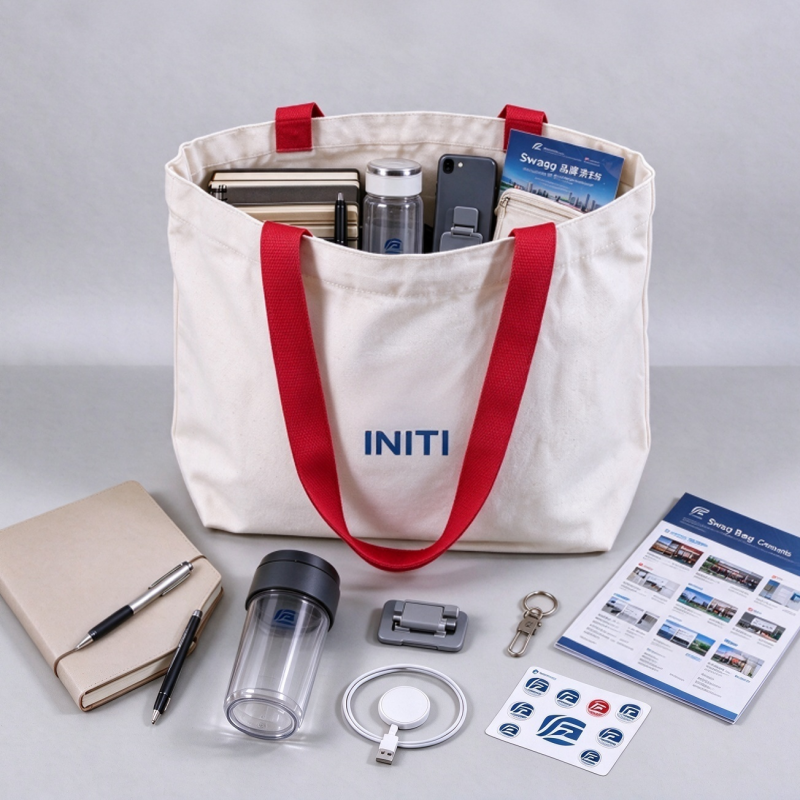
A swag bag is not simply a collection of random promotional items placed inside a bag. The most effective swag bags are carefully planned around the recipient, event purpose, and brand message.
A successful swag bag should answer three questions:
- Who will receive it?
- What items will they actually use?
- How can the products reinforce the brand experience?
Many companies make the mistake of focusing only on quantity. However, a bag filled with inexpensive items that recipients do not need may create less value than a smaller selection of useful products.
The ideal swag bag combines:
- A practical bag
- Useful promotional products
- A consistent brand theme
- Items that match the audience’s lifestyle
1. The Bag Itself: The Foundation of a Swag Package
The bag is often the first thing recipients see and the product most likely to be reused.
Unlike many promotional items that have limited visibility, a reusable bag can continue representing a brand after the event. This makes the bag selection an important part of the overall marketing strategy.
Canvas Tote Bags
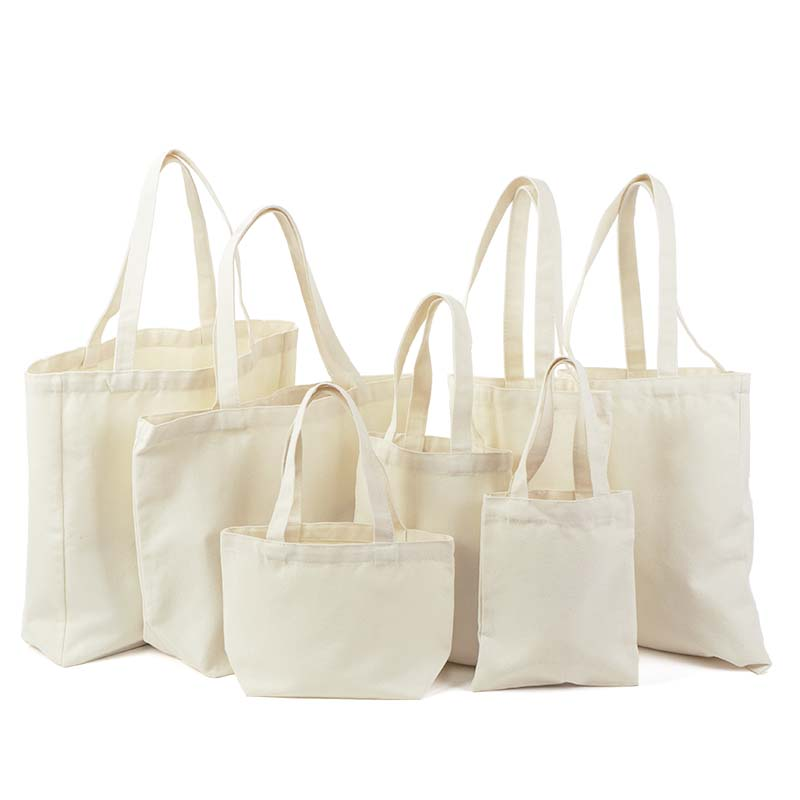
Canvas tote bags are one of the most popular options for corporate events, exhibitions, and retail promotions.
Advantages include:
- Large printable surface
- Durable structure
- Comfortable carrying experience
- Suitable for repeated use
- Natural appearance that fits sustainability-focused brands
Canvas tote bags are especially suitable for:
- Trade shows
- Conferences
- University events
- Lifestyle brands
- Eco-conscious campaigns
For brands looking for a balance between cost and perceived value, canvas tote bags are often a reliable choice.
Cosmetic Bags and Pouches
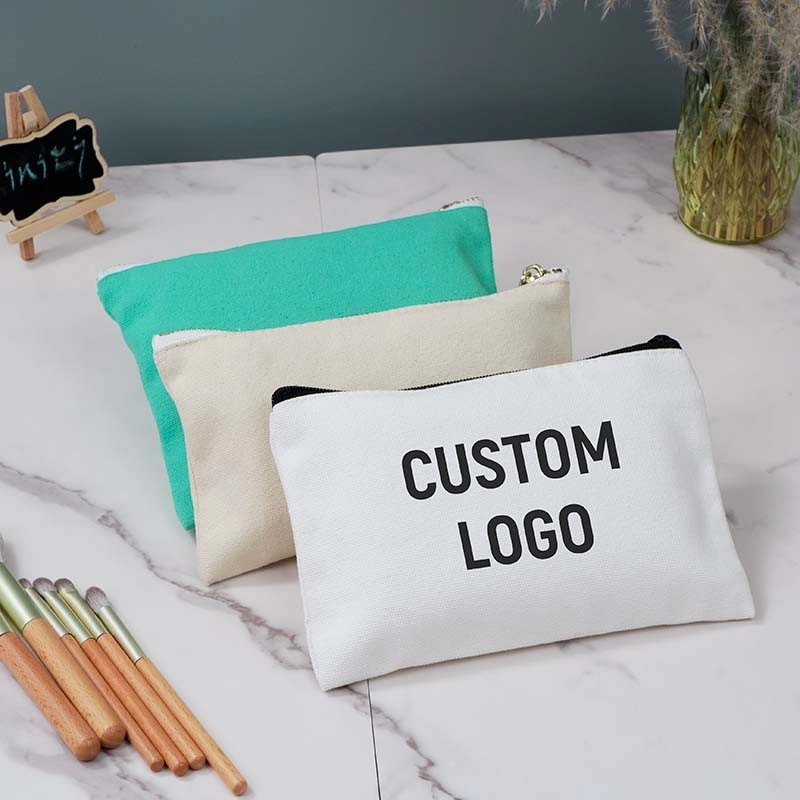
Small pouches and cosmetic bags are increasingly used for premium swag packages.
They work well because they are:
- Compact
- Easy to organize
- Suitable for travel
- Useful for different audiences
They can be filled with:
- Beauty samples
- Personal care products
- Travel accessories
- Small promotional gifts
For fashion, beauty, and lifestyle brands, a customized cosmetic bag can create a more premium impression.
Drawstring Bags
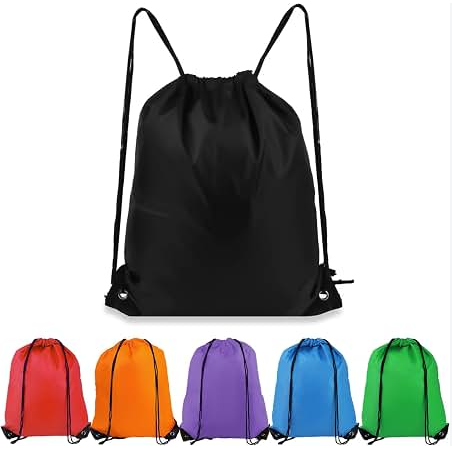
Drawstring bags are commonly selected for large-scale events because they are lightweight and cost-effective.
Typical applications include:
- Sports events
- School activities
- Outdoor campaigns
- Large conferences
Benefits:
- Easy to distribute
- Lower shipping cost
- Suitable for high-volume orders
- Large branding area
Reusable Shopping Bags
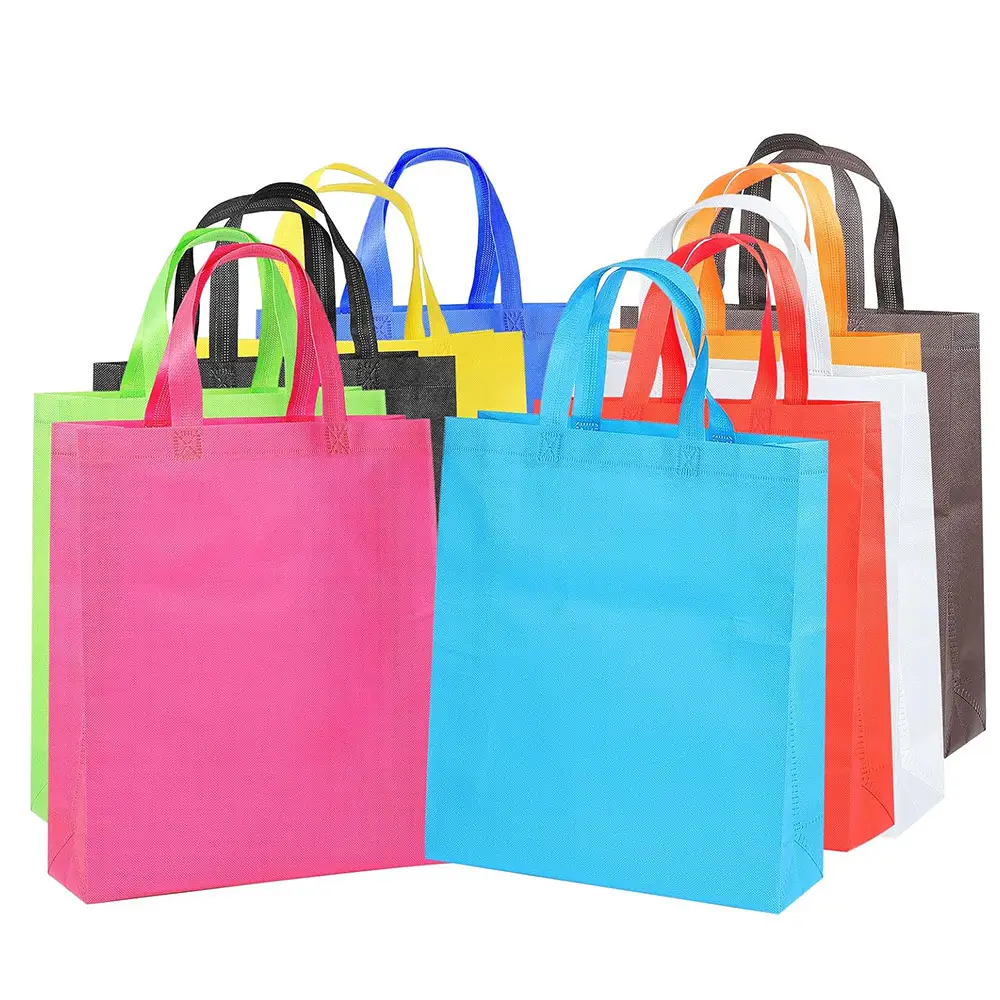
Reusable shopping bags can transform everyday shopping activities into brand exposure opportunities.
They are often used by:
- Retailers
- Grocery brands
- Environmental campaigns
Common materials:
- Cotton
- Canvas
- RPET
- Non-woven fabric
2. Practical Promotional Items
The most successful swag items are usually products that solve everyday problems.
Examples include:
Office Items
Popular choices:
- Notebooks
- Pens
- Sticky notes
- Desk organizers
- Folders
These products work especially well for:
- Corporate conferences
- Employee welcome kits
- Business meetings
Lifestyle Products
Lifestyle items can increase daily brand exposure.
Examples:
- Water bottles
- Coffee cups
- Travel accessories
- Sunglasses
- Keychains
The more frequently an item is used, the more opportunities the brand has to stay visible.
Technology Accessories
Technology-related products are often attractive for modern audiences.
Examples:
- Phone stands
- Charging cables
- Laptop accessories
- Wireless accessories
These items are often used in professional environments.
3. Brand-Focused Items
A swag bag should support the brand message rather than simply display a logo.
For example:
A fitness brand may include:
- Sports towel
- Water bottle
- Workout accessories
A sustainable brand may choose:
- Organic cotton tote bags
- Reusable products
- Recycled material items
A technology company may prefer:
- Laptop accessories
- Digital products
- Office tools
The selection should make sense together.
A carefully matched swag bag feels intentional and creates a stronger brand impression.
4. Premium Items for VIP Customers
For important customers, partners, or influencers, companies often create premium swag bags.
These may include:
- Higher-quality bags
- Exclusive products
- Personalized items
- Limited-edition merchandise
The objective is not to provide more products but to increase perceived value.
A premium swag bag can help companies:
- Strengthen partnerships
- Improve customer loyalty
- Encourage social sharing
- Create memorable experiences
How to Choose the Right Swag Bag for Your Brand?
Choosing the right swag bag requires more than selecting the cheapest option.
For bulk buyers, several factors should be considered.
1. Consider Your Audience
The same swag bag may not work for every group.
Before choosing a bag style, consider:
- Age range
- Industry
- Lifestyle
- Event type
- Expected usage
Examples:
Trade Show Visitors
Recommended:
- Canvas tote bags
- Lightweight polyester bags
- Drawstring bags
Reason:
Attendees need something easy to carry while collecting materials.
Corporate Employees
Recommended:
- Premium tote bags
- Laptop bags
- Cosmetic pouches
- Organizers
Reason:
The products become part of their daily work environment.
Retail Customers
Recommended:
- Reusable shopping bags
- Canvas bags
- Fashion-oriented fabric bags
Reason:
The bag can become part of the customer’s lifestyle.
2. Match the Bag Material With Your Brand Positioning
Material affects not only appearance but also how recipients perceive the brand.
Cotton
Cotton bags provide:
- Soft texture
- Natural appearance
- Comfortable handling
They are often used for:
- Retail promotions
- Lifestyle brands
- Sustainable campaigns
Canvas
Canvas is a heavier and more durable cotton-based fabric.
Advantages:
- Strong structure
- Premium feel
- Good printing performance
It is commonly chosen for brands wanting a reusable, long-lasting promotional product.
Non-Woven Fabric
Non-woven bags are popular for large promotional campaigns.
Benefits:
- Lightweight
- Cost-effective
- Easy customization
They are suitable when companies need large quantities within a controlled budget.
Polyester
Polyester bags provide:
- Durability
- Lightweight performance
- Easy maintenance
They are often used for:
- Sports events
- Outdoor activities
- Travel-related campaigns
RPET
RPET (recycled polyethylene terephthalate) is made from recycled plastic materials.
It is often selected by brands that want to communicate sustainability values.
However, buyers should evaluate:
- Material quality
- Manufacturing process
- Actual sustainability requirements
A sustainability message should match the overall brand strategy rather than simply becoming a marketing label.
3. Balance Cost and Perceived Value
Swag bag budgets vary significantly depending on:
- Bag material
- Quantity
- Customization
- Printing method
- Additional accessories
A low-cost bag may work for mass distribution, while a premium bag may be better for targeted customers.
The goal is to achieve the right balance:
Affordable production + Useful product + Positive brand impression
For bulk purchasing, ordering quantity usually has a significant impact on unit cost. Larger production runs can reduce average costs and make customization more economical.
4. Think About Reusability
A reusable swag bag provides more marketing value than a disposable package.
Before choosing a design, buyers should consider:
- Will recipients use it after the event?
- Is the size practical?
- Is the handle comfortable?
- Can it carry daily items?
- Does the design match current trends?
A bag that remains useful becomes a long-term brand touchpoint.
Custom Swag Bag Printing and Branding Options
A swag bag is not complete without effective branding. The bag itself represents the company, event, or campaign, so choosing the right customization method is an important part of the sourcing process.
Different materials, artwork styles, and usage scenarios require different printing techniques. A simple logo on a cotton tote bag may need a different solution compared with a detailed full-color illustration on a polyester pouch.
When ordering custom swag bags in bulk, buyers should consider:
- Material compatibility
- Logo complexity
- Expected usage
- Budget
- Desired brand appearance
Screen Printing
Screen printing is one of the most commonly used methods for promotional bags.
The process transfers ink through a mesh screen onto the fabric surface.
Advantages:
- Cost-effective for large quantities
- Suitable for simple logos
- Strong color coverage
- Durable results
Screen printing works especially well for:
- Canvas tote bags
- Cotton bags
- Non-woven bags
- Drawstring bags
It is often preferred for corporate events where hundreds or thousands of bags require the same logo design.
For example, a company ordering 5,000 canvas tote bags for a trade show may choose one-color screen printing because it provides consistent branding while keeping production costs controlled.
Heat Transfer Printing
Heat transfer printing uses heat and pressure to transfer printed artwork onto the bag surface.
Advantages:
- Suitable for detailed designs
- Supports multiple colors
- Good for small text and complex graphics
It is commonly used for:
- Fashion-oriented bags
- Small promotional campaigns
- Bags with colorful artwork
This method allows brands to create more visually detailed designs compared with traditional screen printing.
Digital Printing
Digital printing directly applies artwork onto the material.
Advantages:
- Full-color designs
- Suitable for photographs and gradients
- Flexible for customized artwork
It is often selected when branding requires:
- Complex illustrations
- Multiple colors
- Detailed visual effects
Embroidery
Embroidery creates a three-dimensional logo effect by stitching designs directly onto the bag.
Benefits:
- Premium appearance
- Long-lasting branding
- Textured finish
It is suitable for:
- Premium canvas bags
- Corporate gifts
- Executive swag packages
However, embroidery is usually more suitable for simpler logos because extremely detailed artwork may not translate well into stitching.
Custom Labels and Accessories
Some brands prefer a more premium and subtle approach.
Additional customization options include:
- Woven labels
- Hang tags
- Custom zipper pulls
- Printed lining
- Special packaging
These details can improve the overall product experience, especially for premium promotional campaigns.
What Should Buyers Consider Before Ordering Custom Swag Bags?
For companies purchasing swag bags in bulk, successful sourcing requires attention to product details beyond appearance.
A professional supplier should help buyers evaluate:
- Bag design
- Material selection
- Production requirements
- Quality standards
- Delivery schedule
1. Define the Purpose and Usage Scenario
Before selecting a bag, buyers should determine how the swag bag will be used.
Questions to consider:
- Is it for a one-day event or long-term use?
- Will recipients carry heavy items?
- Will it be used indoors or outdoors?
- Is the target audience customers, employees, or partners?
For example:
A trade show bag needs enough capacity for brochures and samples.
An employee welcome bag may need a more premium appearance.
A retail promotional bag may need stronger durability because customers will reuse it.
2. Choose the Right Size and Capacity
Size directly affects usability.
A bag that is too small may not hold enough items, while an oversized bag may increase unnecessary costs.
Common considerations:
- Event materials
- Product samples
- Promotional items
- Packaging requirements
Popular swag bag sizes include:
Small Bags
Suitable for:
- Cosmetic products
- Small gifts
- Personal accessories
Medium Bags
Suitable for:
- Conferences
- Corporate events
- Daily use
Large Bags
Suitable for:
- Trade shows
- Shopping promotions
- Travel-related campaigns
The ideal size should match the contents inside.
3. Evaluate Material Quality
Material selection influences:
- Appearance
- Durability
- Cost
- Brand perception
For bulk orders, buyers should consider:
Fabric Weight
For cotton and canvas bags, fabric thickness affects strength and feel.
A heavier fabric usually provides:
- Better durability
- More premium appearance
- Higher carrying capacity
However, a heavier material may also increase production and shipping costs.
Stitching Quality
Important areas include:
- Handle attachment points
- Side seams
- Bottom corners
- Stress areas
A visually attractive bag with weak construction may negatively affect the brand experience.
Handle Design
Handle length and reinforcement influence usability.
Consider:
- Shoulder carrying comfort
- Weight capacity
- Target users
For example, tote bags used for shopping or commuting often benefit from longer handles.
4. Request Samples Before Bulk Production
Samples allow buyers to evaluate:
- Material quality
- Color accuracy
- Printing position
- Stitching
- Overall appearance
A digital design preview can show the concept, but a physical sample provides a better understanding of the final product.
Before mass production, buyers should confirm:
- Logo size
- Logo placement
- Bag dimensions
- Color matching
How Much Does a Custom Swag Bag Cost?
The cost of a custom swag bag depends on multiple factors.
There is no single fixed price because every project has different requirements.
Main cost factors include:
| Factor |
How It Affects Cost |
| Material |
Premium fabrics usually increase cost |
| Bag Size |
Larger bags require more materials |
| Quantity |
Higher volume often reduces unit cost |
| Printing Method |
Complex artwork may increase production cost |
| Custom Features |
Zippers, pockets, labels, and special designs add cost |
| Packaging |
Individual packaging increases expenses |
| Shipping |
Weight and destination affect logistics |
FAQ
What is the purpose of a swag bag?
A swag bag is designed to promote a brand, event, or organization by providing recipients with useful branded products. It helps increase brand visibility, improve customer experience, and create lasting connections.
What is usually included in a swag bag?
Common swag bag items include:Custom bags、Notebooks、Pens、Drinkware、Accessories、Promotional products、Brand materials. The contents depend on the audience and campaign purpose.
Are swag bags only used for corporate events?
No. Swag bags are used for many occasions, including:Trade shows、Conferences、Employee onboarding、Product launches、Influencer campaigns、Customer appreciation programs
What type of bag is best for a swag bag?
The best option depends on the purpose.
Popular choices include:
- Canvas tote bags for reusable corporate promotions
- Drawstring bags for large events
- Cosmetic bags for lifestyle campaigns
- Premium fabric bags for VIP gifts
Are custom swag bags expensive?
The cost depends on:Material、Quantity、Design、Printing method、Custom features.Bulk ordering usually provides better unit pricing, while premium materials increase perceived value.
Conclusion
A swag bag is more than a container for promotional products. It is a marketing tool that helps brands create memorable experiences and maintain long-term visibility.
For successful swag bag sourcing, businesses should focus on the complete solution:
- Selecting the right bag style
- Choosing suitable materials
- Designing practical contents
- Applying effective branding
- Ensuring reliable production quality
Whether used for trade shows, corporate events, employee programs, or customer campaigns, a well-designed custom swag bag can turn a simple giveaway into a valuable brand experience.
For buyers, the best swag bag is not necessarily the most expensive option. It is the one that matches the audience, supports the campaign goal, and continues delivering value long after the event ends.
INITI specializes in customized bags for promotional and branding applications, supporting businesses with different materials, designs, and production requirements.
From canvas tote bags and cosmetic pouches to other reusable promotional bags, customized solutions can be developed based on your target market, budget, and campaign goals.
Related Products




 Hot News