What Is Canvas Material for Bags?
Canvas is a strong woven fabric widely used in tote bags, shopping bags, cosmetic pouches, drawstring bags, aprons, wine bags, tool bags and travel bags. It is known for its firm texture, reusable performance and good compatibility with different printing and sewing methods.
For buyers who source bags in bulk, understanding canvas material is important because “canvas” does not refer to only one fixed fabric. Canvas can vary by fiber type, fabric weight, weave density, finishing treatment, color, shrinkage, hand feel and durability.
A lightweight canvas tote for an event giveaway is very different from a heavy canvas zipper tote used for retail sale. A canvas cosmetic pouch may need lining, while a canvas shopping bag may need stronger handles and a wider bottom gusset. This guide explains what canvas material is, how different canvas weights work, and how buyers can choose the right canvas fabric for different bag projects.
1. What Is Canvas Material?
Canvas is a tightly woven fabric traditionally made from cotton, linen or hemp. In modern bag manufacturing, canvas is most commonly made from cotton, polyester-cotton blends, recycled cotton or other blended yarns.
The key feature of canvas is its strong woven structure. Compared with ordinary thin cotton fabric, canvas usually feels thicker, firmer and more durable. This makes it suitable for bags that need repeated use, logo printing and basic load-bearing performance.
Canvas is often used for:
- Tote bags
- Shopping bags
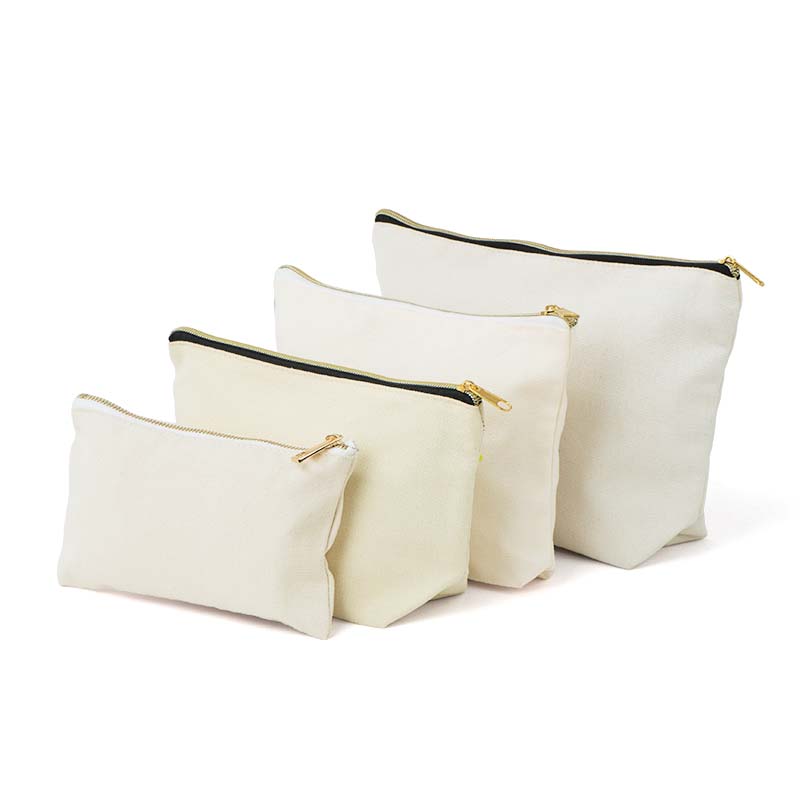
- Cosmetic pouches
- Drawstring bags
- Aprons
- Wine bags
- Storage bags
- Promotional bags
- Retail packaging bags
- Travel and utility bags
Because canvas has a natural and clean surface, it is also popular among brands that want a simple, reusable and less synthetic-looking bag material.
2. How Is Canvas Fabric Made?
Canvas is made by weaving yarns together in a dense structure. The weaving method gives the fabric strength and stability. Most bag canvas uses a plain weave, where horizontal and vertical yarns cross each other evenly.
The final performance of canvas depends on several factors:
- Yarn type
- Yarn thickness
- Fabric weight
- Weave density
- Dyeing method
- Washing treatment
- Coating or lamination
- Finishing process
This is why two canvas fabrics may look similar but feel different in thickness, stiffness, softness and durability.
For bag production, buyers should not only ask whether the material is “canvas.” They should also confirm the fiber composition, fabric weight, color, hand feel, shrinkage and finishing treatment.
3. Common Canvas Material Types for Bags
Canvas is not one single material. Different canvas types are used for different price levels, product styles and market requirements.
Cotton Canvas
Cotton canvas is one of the most common materials for canvas bags. It is made from cotton yarns and has a natural, slightly textured surface.
It is commonly used for:
- Cotton canvas tote bags
- Shopping bags
- Cosmetic pouches
- Drawstring bags
- Gift bags
- Promotional bags
Cotton canvas is popular because it is easy to sew, easy to print and has a natural appearance. It works well with screen printing, embroidery, woven labels and simple logo designs.
However, cotton canvas is not naturally waterproof. If the bag needs to resist moisture or stains, lining, coating or lamination may be required.
Heavy Cotton Canvas
Heavy cotton canvas is thicker and more structured than standard cotton canvas. It is often used for bags that need better load-bearing performance or a more premium appearance.
It is suitable for:
- Heavy canvas tote bags
- Zipper canvas bags
- Book bags
- Retail shopping bags
- Aprons
- Travel bags
- Private label canvas bags
Heavy canvas usually feels more durable, but it also increases product weight, material cost and shipping cost. For simple giveaway bags, heavy canvas may not be necessary. For retail products or bags expected to carry books, groceries or daily items, it can be a better choice.
Recycled Cotton Canvas
Recycled cotton canvas is made with recycled cotton fibers or blended recycled materials. It is often selected for sustainability-focused projects, reusable retail packaging and eco campaigns.
This material can support a stronger environmental story, but buyers should check:
- Recycled content
- Fiber source
- Certification availability
- Color consistency
- Fabric strength
- Final hand feel
Recycled cotton canvas may have slight color or texture variation depending on the fiber source. Samples should be checked before bulk production.
Organic Cotton Canvas
Organic cotton canvas is made from organically grown cotton. It is usually chosen by brands that want stronger natural-material positioning.
It is suitable for:
- Premium eco bags
- Lifestyle brands
- Organic stores
- Baby or family product packaging
- Sustainable retail collections
Compared with standard cotton canvas, organic cotton canvas usually has a higher cost and may require higher MOQ. Buyers should confirm certification, material availability, lead time and final fabric feel before confirming an order.
Polyester-Cotton Canvas
Polyester-cotton canvas blends cotton with polyester. It can improve wrinkle resistance, color stability and cost control while keeping part of the canvas appearance.
It is often used for:
- Promotional tote bags
- Daily shopping bags
- Campaign bags
- Uniform-style bags
- Cost-controlled retail bags
Compared with pure cotton canvas, polyester-cotton canvas may feel less natural, but it can offer better stability and lower cost in some projects.
Washed Canvas
Washed canvas is treated after weaving or dyeing to create a softer and more relaxed surface. It often has a casual or vintage look.
It is commonly used for:
- Fashion tote bags
- Shoulder bags
- Lifestyle bags
- Casual travel bags
- Retail collections
Washed canvas may have natural color variation. This can be part of the style, but for bulk orders, buyers should confirm acceptable color tolerance with samples.
Dyed Canvas
Dyed canvas is canvas fabric produced in specific colors. It is useful when buyers need brand colors, school colors, seasonal colors or retail collection colors.
For dyed canvas projects, buyers should check:
- Lab dip approval
- Colorfastness
- Batch consistency
- Shrinkage after washing
- Color change after finishing
If exact brand color is important, a physical color sample should be approved before bulk production.
Laminated Canvas
Laminated canvas has an added surface layer to improve structure, surface protection or cleaning performance. It can make the bag more stable and slightly more resistant to moisture or stains.
It is often used for:
- Shopping bags
- Cosmetic bags
- Lunch bags
- Structured tote bags
- Retail packaging bags
Laminated canvas usually feels less soft than untreated cotton canvas. Buyers should decide whether the project needs a natural fabric feel or a more functional surface.
Waterproof-Coated Canvas
Waterproof-coated canvas has a coating treatment that helps resist moisture. It can be useful for outdoor bags, toiletry bags, travel bags, lunch bags and daily commuter bags.
Buyers should distinguish between:
- Water-resistant
- Splash-resistant
- Waterproof
These terms are not the same. If water protection is important, sample testing should be done before bulk production.
4. Canvas Weight: What Does 8oz, 10oz, 12oz and 15oz Mean?
Canvas is often described by weight, such as 8oz, 10oz, 12oz or 15oz. In general, a higher ounce number means the fabric is heavier and usually thicker.
However, fabric weight is not the only factor that affects quality. Weave density, yarn quality and finishing also matter. Still, canvas weight is one of the most useful references for buyers.
8oz Canvas
8oz canvas is relatively lightweight. It is often used for simple promotional tote bags, giveaway bags and lightweight drawstring bags.
Typical characteristics:
- Lower material cost
- Softer and easier to fold
- Lower shipping weight
- Suitable for light items
- Less structured than heavier canvas
Best for:
- Event giveaways
- Simple cotton canvas totes
- Lightweight shopping bags
- Promotional campaigns
- Low-cost custom logo bags
Buyer note: 8oz canvas is suitable when cost control and large quantity are more important than premium structure.
10oz Canvas
10oz canvas is a balanced option for many standard tote bags. It is stronger than 8oz but still not too heavy.
Typical characteristics:
- Better hand feel than 8oz
- Suitable for daily use
- Good printing surface
- Reasonable cost
- Moderate structure
Best for:
- Standard canvas tote bags
- Retail shopping bags
- Bookstore bags
- Corporate gift bags
- Brand campaign bags
Buyer note: 10oz canvas is often a practical middle option for buyers who want better quality than lightweight promotional canvas but still need cost control.
12oz Canvas
12oz canvas feels thicker and more durable. It is commonly used for better-quality tote bags and retail-oriented canvas products.
Typical characteristics:
- More structured appearance
- Better load-bearing performance
- Higher perceived value
- Good for embroidery and labels
- More durable for repeated use
Best for:
- Retail canvas tote bags
- Zipper canvas bags
- Book bags
- Shopping bags
- Branded merchandise bags
- Cosmetic pouches with structure
Buyer note: 12oz canvas is often a strong choice for retail brands because it balances durability, appearance and cost.
15oz Canvas
15oz canvas is heavier and more rigid. It is suitable for premium bags or products that need stronger structure.
Typical characteristics:
- Stronger and thicker
- More premium hand feel
- Better shape retention
- Higher material cost
- Higher shipping weight
- May need stronger sewing equipment
Best for:
- Premium canvas tote bags
- Heavy-duty shopping bags
- Tool bags
- Travel bags
- Aprons
- Private label retail bags
Buyer note: 15oz canvas gives a stronger and more premium impression, but it is not always necessary. It should be used when the product needs structure, durability or higher retail value.
5. Quick Comparison: 8oz vs 10oz vs 12oz vs 15oz Canvas
| Canvas Weight |
Main Character |
Best Use |
Buyer Consideration |
| 8oz Canvas |
Lightweight and cost-effective |
Event bags, giveaways, simple totes |
Good for large quantity, not ideal for heavy loads |
| 10oz Canvas |
Balanced and practical |
Standard tote bags, retail shopping bags |
Good balance of cost and quality |
| 12oz Canvas |
Thicker and more durable |
Retail totes, zipper bags, book bags |
Better structure and perceived value |
| 15oz Canvas |
Heavy and premium |
Heavy-duty totes, travel bags, aprons |
Higher cost and shipping weight |
For most standard canvas tote bag projects, 10oz or 12oz is commonly considered. For very cost-sensitive campaigns, 8oz may be enough. For premium retail bags or stronger structures, 15oz can be considered.
6. Canvas vs Cotton Fabric: What Is the Difference?
Canvas and cotton are often confused. Cotton refers to the fiber, while canvas refers to the woven fabric structure. Canvas can be made from cotton, but not all cotton fabrics are canvas.
Ordinary cotton fabric is usually thinner, softer and less structured. Canvas is usually denser, thicker and stronger.
| Comparison Point |
Ordinary Cotton Fabric |
Canvas Fabric |
| Material Meaning |
Fiber-based term |
Fabric construction term |
| Thickness |
Usually thinner |
Usually thicker |
| Structure |
Softer and lighter |
Firmer and stronger |
| Bag Use |
Light pouches, thin totes, drawstring bags |
Tote bags, shopping bags, aprons, travel bags |
| Load Capacity |
Better for light items |
Better for repeated carrying |
| Retail Value |
Basic and cost-effective |
Higher perceived durability |
For lightweight gift bags or simple promotional projects, ordinary cotton fabric may be enough. For reusable shopping bags or retail tote bags, canvas is usually more suitable.
7. Canvas vs Polyester, Nylon and RPET Bags
Canvas is not always the best material for every bag. Buyers should compare it with other common bag materials.
Canvas vs Polyester
Polyester is lighter, more wrinkle-resistant and often more water-resistant than untreated canvas. It is commonly used for foldable bags, sports bags, backpacks and travel bags.
Canvas has a more natural texture and is usually preferred for lifestyle, retail and eco-style tote bags.
Canvas vs Nylon
Nylon is smoother, lighter and more technical-looking. It is commonly used for travel bags, waist bags, backpacks and outdoor accessories.
Canvas feels more natural and casual, but it may absorb moisture more easily than nylon.
Canvas vs RPET
RPET is recycled polyester material. It is often used when buyers want a recycled-material story, especially for supermarkets, shopping bags and promotional campaigns.
Canvas can communicate natural and reusable value, while RPET can communicate recycled-content value. The right choice depends on the brand’s sustainability message.
8. Is Canvas Material Eco-Friendly?
Canvas is often seen as an eco-oriented bag material because it is reusable and durable, especially when compared with single-use plastic bags. However, buyers should be careful with sustainability claims.
The environmental value of a canvas bag depends on several factors:
- Material source
- Fabric weight
- Dyeing and finishing
- Durability
- Number of reuses
- Packaging method
- End-of-life handling
Cotton canvas is made from natural fibers, but that does not automatically make every canvas bag “100% eco-friendly.” A canvas bag becomes more meaningful when it is designed for repeated use.
More accurate sustainability descriptions include:
- Reusable canvas bag
- Cotton canvas bag
- Natural cotton canvas material
- Recycled cotton canvas option
- Organic cotton canvas option
- Designed for repeated use
Claims to avoid unless fully supported:
- 100% sustainable
- Zero waste
- Fully eco-friendly
- Completely biodegradable
- Certified organic
- Recycled material
If recycled cotton or organic cotton is used, buyers should check the relevant material documents or certification scope.
9. Is Canvas Recyclable?
The recyclability of canvas depends on its fiber composition and finishing. Pure cotton canvas is different from polyester-cotton blended canvas, laminated canvas or coated canvas.
In general:
- Pure cotton canvas is easier to classify as a natural fiber material.
- Polyester-cotton blends are more difficult to recycle than single-fiber materials.
- Laminated or coated canvas may be harder to recycle due to added layers.
- Bags with zippers, metal parts, plastic labels or linings may require separation.
For buyers who prioritize recyclability, simpler construction is usually better. Natural canvas with minimal accessories, fewer coatings and simple labels is easier to manage than heavily laminated or mixed-material bags.
10. Advantages of Canvas Material for Bags
Canvas has several advantages in bag production:
- Stronger than ordinary thin cotton fabric
- Suitable for repeated use
- Good surface for logo printing
- Natural and clean appearance
- Available in many weights
- Suitable for many bag styles
- Compatible with screen printing, embroidery and labels
- Can be dyed, washed, coated or laminated
- Good fit for retail, promotional and lifestyle products
These advantages make canvas suitable for both simple promotional bags and higher-value private label bag collections.
11. Limitations of Canvas Material
Canvas also has limitations that buyers should understand:
- It is not naturally waterproof
- Light colors may show stains more easily
- Heavy canvas increases product and shipping weight
- Cotton canvas may shrink if washed improperly
- Natural canvas may have small specks or color variation
- Fine logo details may need print testing
- Coated canvas may reduce the natural fabric feel
- Heavy canvas may increase sewing difficulty and cost
For projects that require strong water resistance, very light weight or very low cost, polyester, nylon, RPET or laminated non-woven materials may also be considered.
12. How to Choose Canvas Material for Different Bag Types
Different canvas bag styles require different fabric weights and treatments.
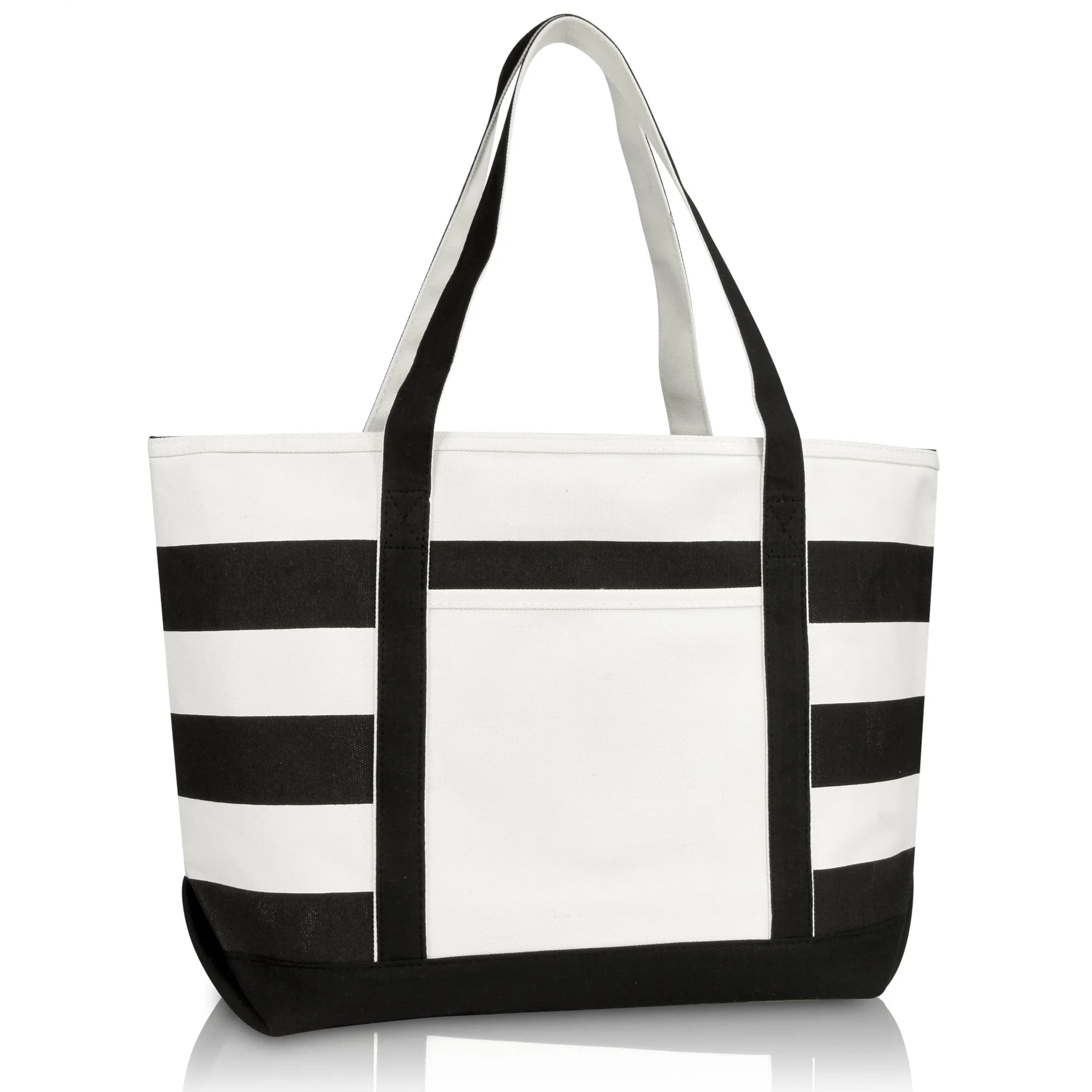
Canvas Tote Bags
For standard tote bags, 10oz or 12oz canvas is commonly used. It provides good structure, good printability and daily-use durability.
For simple promotional totes, 8oz canvas may be enough. For retail totes, 12oz or heavier canvas can improve perceived value.
Canvas Cosmetic Pouches
For cosmetic pouches, buyers should consider fabric weight, zipper quality, lining and stain resistance.
If the pouch is used for skincare or liquid cosmetics, waterproof lining is recommended. If it is used as a simple gift pouch, unlined canvas may be enough.
Canvas Drawstring Bags
Drawstring bags usually do not need very heavy canvas. Lightweight or medium canvas can provide enough strength while keeping the bag easy to close and pack.
Canvas Shopping Bags
Shopping bags need stronger handles and better load-bearing performance. Medium or heavy canvas is recommended, depending on the expected carrying weight.
Canvas Aprons
Canvas aprons require durability, comfort and wash resistance. Heavy canvas may be suitable for workwear style, while medium canvas may be more comfortable for service use.
Canvas Travel Bags
Travel bags need stronger fabric, reinforced stitching, zipper quality and sometimes lining or coating. Heavy canvas or coated canvas may be more suitable.
13. Printing and Branding on Canvas Bags
Canvas is one of the most common materials for logo printing. Its surface works well with many branding methods.
Common logo methods include:
- Screen printing
- Heat transfer printing
- Digital printing
- Embroidery
- Woven label
- Cotton label
- PU leather patch
- Rubber patch
- Hangtag
Screen printing is often used for simple logos and large promotional quantities. Embroidery, woven labels and patches are more suitable for retail bags or premium brand projects.
For natural canvas, simple black or dark-color printing usually looks clean and clear. For dyed canvas, buyers should check logo contrast before production.
14. What Buyers Should Check Before Ordering Canvas Bags
Before placing a bulk order, buyers should not only check the bag style. Canvas material and production details can strongly affect the final result.
Key points to confirm include:
- Canvas type
- Fabric weight
- Fabric composition
- Hand feel
- Color consistency
- Shrinkage
- Handle strength
- Sewing quality
- Logo printing effect
- Logo position
- Zipper quality if used
- Lining material if added
- Edge finishing
- Packaging method
- Carton quantity
- Sample approval standard
For custom logo canvas bags, a physical sample is recommended before mass production. The sample helps confirm actual material, size, color, printing effect, sewing quality and packaging presentation.
15. Common Mistakes When Choosing Canvas Bags
Choosing Heavy Canvas Only Because It Feels Better
Heavy canvas feels premium, but it also increases cost and shipping weight. For large event giveaways, lighter canvas may be more practical.
Ignoring Shrinkage
Cotton canvas may shrink if washed. If the final product needs washing or repeated cleaning, shrinkage should be tested.
Using Detailed Artwork Without Print Testing
Canvas has a textured surface. Very fine lines or small text may not print as sharply as on smooth synthetic fabrics.
Choosing Light Canvas for Heavy Items
If the bag is expected to carry books, groceries or gift sets, lightweight canvas may not be strong enough.
Overusing Sustainability Claims
Reusable canvas bags can support eco-oriented packaging, but sustainability claims should match the actual material and documentation.
FAQ
1. What is canvas material for bags?
Canvas is a strong woven fabric commonly used for tote bags, shopping bags, pouches, aprons, drawstring bags and travel bags. It is usually thicker and stronger than ordinary cotton fabric.
2. Is canvas made from cotton?
Canvas can be made from cotton, but it can also be made from polyester, recycled cotton, blended yarns or other fibers.
3. What is the best canvas weight for tote bags?
For standard tote bags, 10oz or 12oz canvas is commonly used. For simple promotional bags, 8oz may be enough. For premium or heavy-duty bags, 15oz can be considered.
4. What is the difference between 12oz and 15oz canvas?
12oz canvas offers good structure and durability for retail tote bags. 15oz canvas is heavier, thicker and more structured, but it also costs more and increases shipping weight.
5. Is canvas waterproof?
Standard cotton canvas is not waterproof. Coated or laminated canvas can improve water resistance, but the final performance should be tested.
6. Is canvas eco-friendly?
Canvas bags are reusable and can reduce reliance on disposable bags when used many times. Recycled cotton canvas and organic cotton canvas can support stronger sustainability positioning, but claims should be supported by material information.
7. Can canvas bags be recycled?
It depends on the material composition and finishing. Pure cotton canvas is simpler than laminated, coated or blended canvas. Bags with zippers, linings and accessories may be harder to recycle.
8. Can canvas bags be printed?
Yes. Canvas bags can be printed by screen printing, heat transfer, digital printing and other methods. Embroidery, woven labels and patches are also common.
9. Does canvas shrink?
Cotton canvas may shrink if washed, especially if it is not pre-shrunk. Buyers should check shrinkage if washing performance is important.
10. Is canvas suitable for cosmetic pouches?
Yes. Canvas is suitable for cosmetic pouches, but lining or waterproof lining may be needed if the pouch is used for liquid cosmetics or toiletries.
Conclusion
Canvas is a durable and versatile material for bags. It can be made from cotton, recycled cotton, organic cotton, polyester-cotton blends or treated fabrics such as washed, dyed, laminated or coated canvas.
For buyers, the most important step is to match the canvas type with the final use of the bag. A promotional tote bag does not need the same fabric as a premium zipper tote. A cosmetic pouch may need lining, while a shopping bag may need stronger handles and a thicker base.
When choosing canvas material, buyers should consider fabric weight, structure, hand feel, printing method, durability, cost, sustainability claims and packaging requirements. Clear sample confirmation before bulk production can help reduce quality risks and improve final product consistency.
Related Canvas Bag Products
Canvas Tote Bags | Canvas Cosmetic Pouches | Canvas Drawstring Bags | Canvas Aprons | Canvas Zipper Bags | Canvas Shopping Bags


 Hot News