Comprehensive Material Selection for Every Industry Need
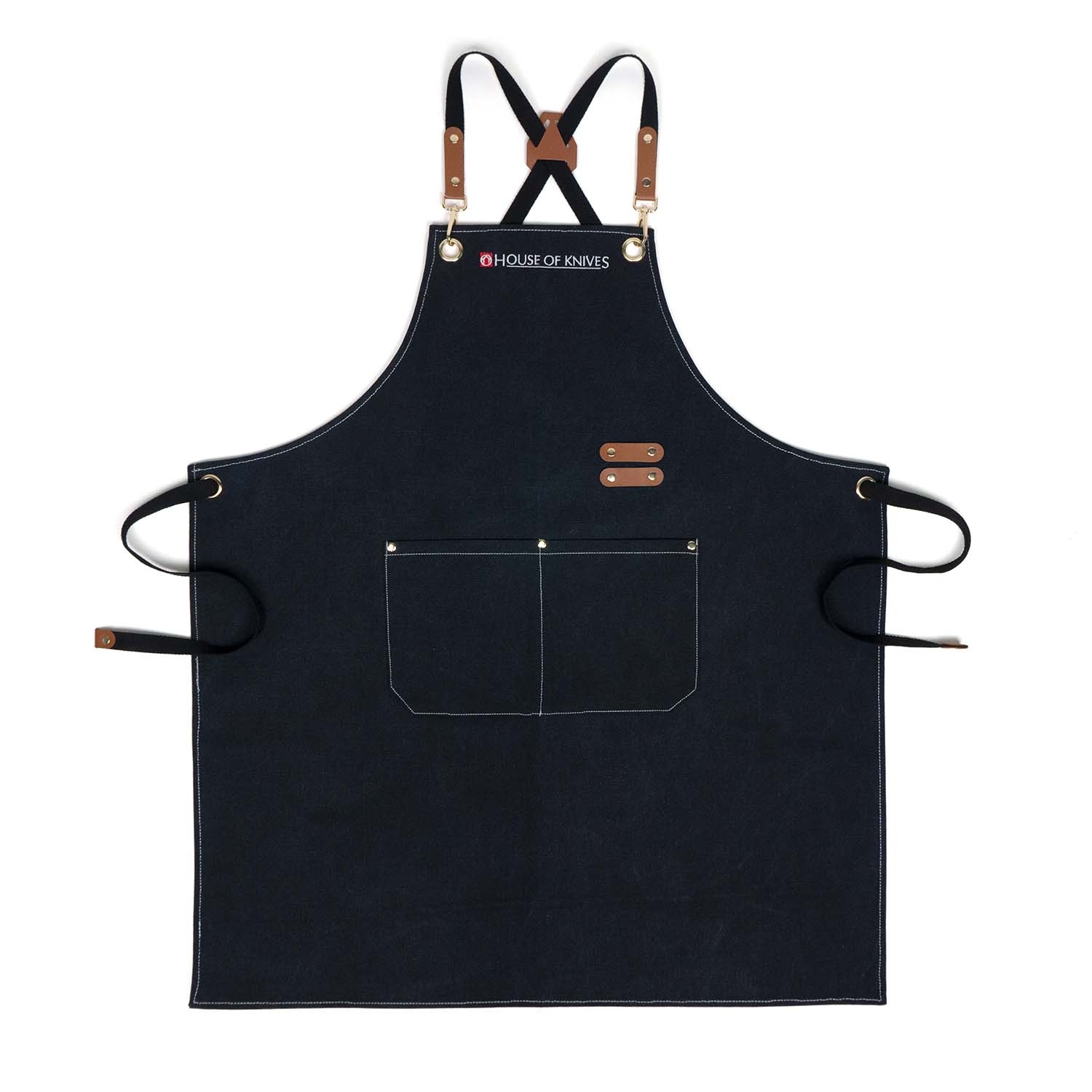
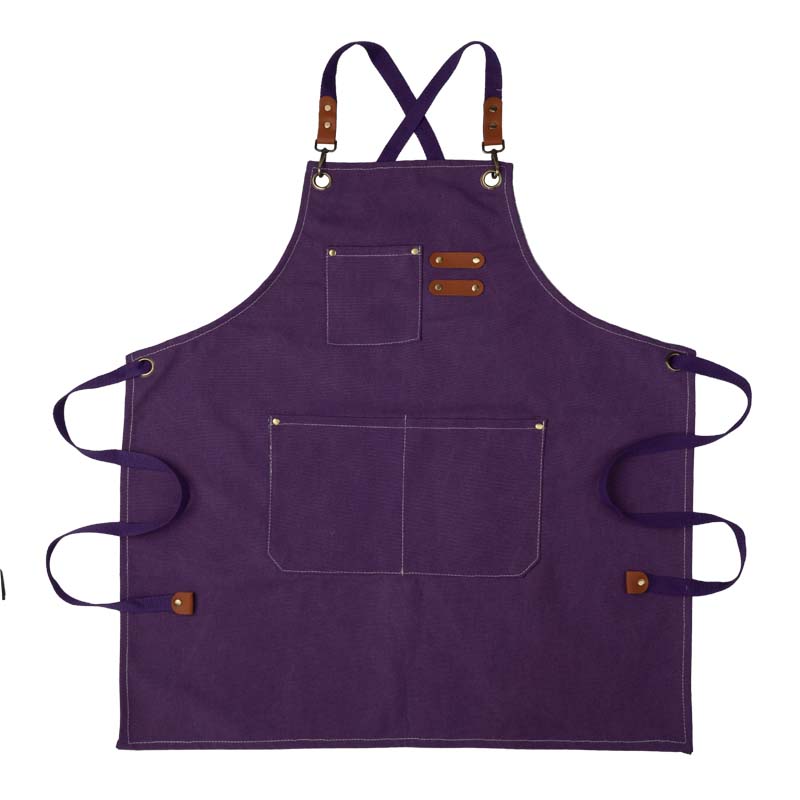
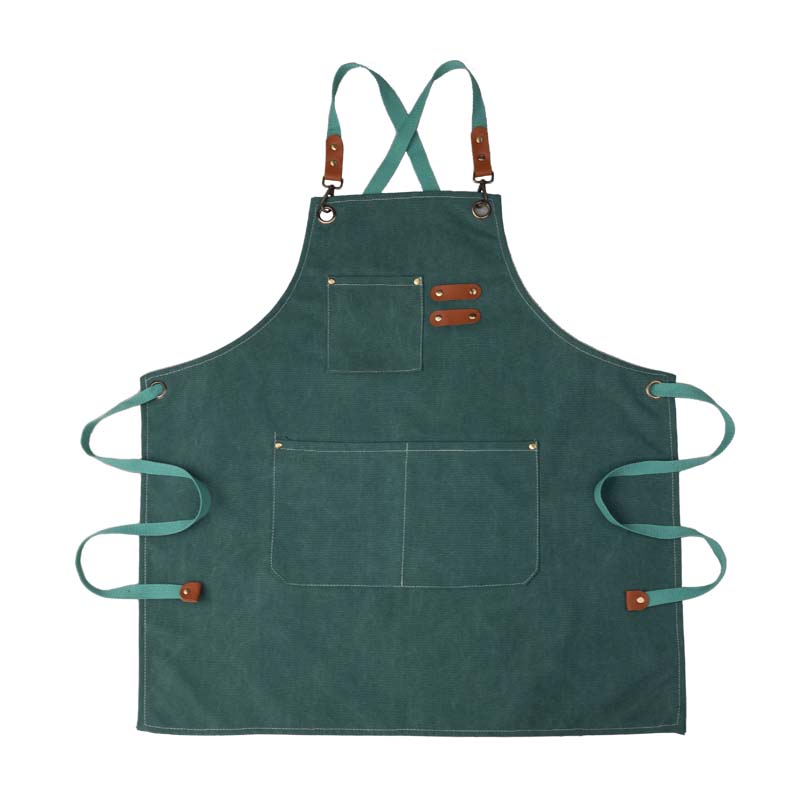
The material selection offered by a professional apron supplier represents one of the most critical advantages for businesses seeking optimal protection and performance. Different work environments demand specific fabric properties, and an experienced apron supplier maintains an extensive range of materials engineered for distinct applications. Cotton aprons provide breathability and comfort for environments where heat exposure is minimal, making them ideal for retail settings, light food service, and customer-facing roles where appearance matters as much as protection. Polyester blends offer enhanced durability and wrinkle resistance, maintaining a crisp, professional appearance throughout long shifts while resisting fading from repeated washing. For kitchens and food processing facilities, an apron supplier provides specialized materials treated with water-resistant and grease-repellent coatings that prevent liquids from soaking through to clothing and skin. These treatments extend apron lifespan by preventing stains from setting permanently into fabric fibers. In healthcare settings, fluid-proof materials create barriers against blood, bodily fluids, and chemical splashes, meeting strict infection control standards while remaining comfortable enough for extended wear. Industrial environments require heavy-duty materials like canvas, denim, or leather that withstand abrasion, heat, and sharp objects. An apron supplier sources these robust materials and constructs them with reinforced stitching at stress points, ensuring aprons survive demanding conditions without tearing or separating at seams. Chemical-resistant aprons utilize specialized synthetic materials that repel acids, solvents, and corrosive substances, protecting workers in laboratories, manufacturing plants, and cleaning operations. The expertise of an apron supplier extends to understanding how different materials perform under specific conditions, including temperature extremes, humidity levels, and exposure to various substances. They guide clients toward materials that balance protection, comfort, and cost-effectiveness based on actual workplace conditions rather than generic recommendations. This material knowledge prevents businesses from overspending on unnecessarily heavy-duty aprons for light-duty applications or underprotecting staff with inadequate materials in hazardous environments. Furthermore, an apron supplier stays current with emerging fabric technologies, introducing clients to innovations like antimicrobial treatments that inhibit bacterial growth, flame-resistant materials for welding and metalworking, and eco-friendly fabrics manufactured from recycled materials that support sustainability initiatives without compromising performance.