The fundamental difference between knit and woven fabric is how the yarn is assembled. Knitted fabric is made by forming interlocking loops of yarn, while woven fabric is made by crossing two yarn systems—warp and weft—over and under one another. That construction difference affects nearly everything a buyer notices in a finished product: stretch, shape retention, drape, edge stability, abrasion resistance, sewing behavior, print surface, and the way the material performs under load.
For clothing and products that must move with the body, a knit is often the more comfortable option because its looped structure can stretch and recover. For tote bags, shopping bags, storage bags, garment bags, and other products that must hold a defined shape or carry weight, a woven fabric is usually the more controllable starting point. It can provide a stable surface, predictable dimensions, and a stronger base for handles, seams, coatings, and printed branding.
That does not mean one construction is universally better. A tightly engineered warp knit can be more stable than a loose jersey knit, and a lightweight woven fabric can be less durable than a dense, well-finished knit. Fiber type, yarn quality, fabric weight, stitch or weave structure, finishing, lining, seam design, and intended use all matter. The right choice is therefore not “knit for soft products and woven for strong products.” It is a specification decision based on what the finished item must do.
This guide explains how knitted and woven fabrics are made, compares their properties, examines common fabric types, and explores how buyers can select the right construction for custom bag projects.
What Is Knit Fabric?
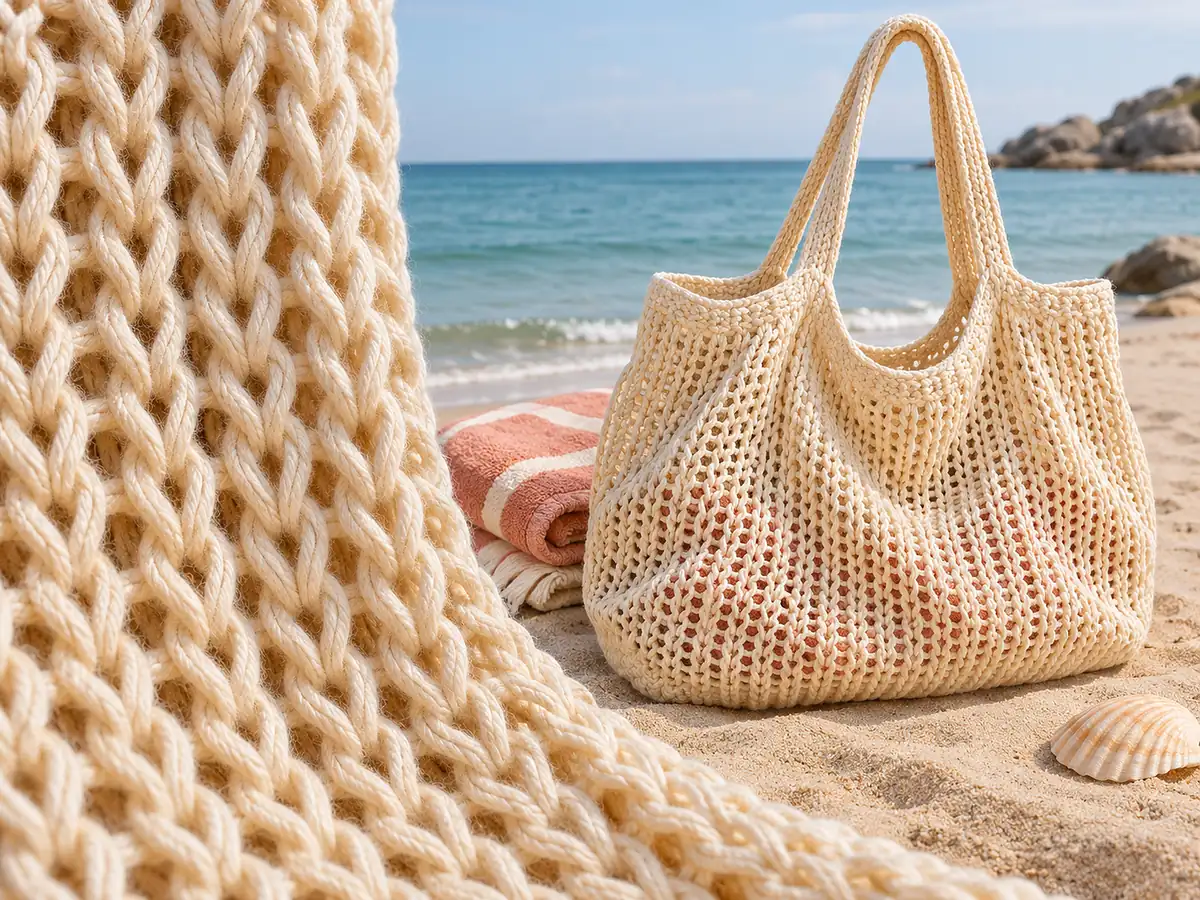
Knit fabric is a textile produced by forming a series of interconnected loops using one or more yarns.
Unlike woven fabric, which relies on two sets of crossing yarns, knitted fabric uses loops that connect with neighboring loops. These loops can expand, contract, and change shape when force is applied.
This construction gives knit fabrics their characteristic flexibility and stretch.
Knitted fabrics are widely used in T-shirts, sweaters, sportswear, underwear, socks, activewear, and other products that require comfort and freedom of movement.
In bag manufacturing, knitted materials are more commonly considered for flexible, soft, lightweight, or breathable designs rather than conventional rigid bag structures.
How Is Knit Fabric Made?
Knitting machines use needles to form yarn into loops. Each new loop connects with previously formed loops, gradually creating a continuous fabric structure.
The arrangement of the loops determines the fabric's appearance, elasticity, thickness, and stability.
There are two primary knitting methods:
Weft Knitting
Weft knitting forms loops across the width of the fabric. The yarn travels horizontally, creating successive rows of interconnected loops.
Common examples include jersey, rib knit, and interlock.
Characteristics:
- Generally offers good stretch, particularly across the width.
- Can provide a soft and flexible hand feel.
- Is available in lightweight and heavyweight constructions.
- Some structures may curl at cut edges.
- Certain single-knit structures can develop runs or laddering when damaged.
Weft-knitted fabrics are common in everyday apparel and flexible textile products.
For bag applications, they may be suitable for soft pouches, casual accessories, flexible compartments, and selected decorative components.
Warp Knitting
Warp knitting uses multiple yarns that run lengthwise through the fabric. Each yarn forms loops along the length of the material, connecting with adjacent yarns.
Compared with many weft-knitted structures, warp knits can offer better dimensional stability and resistance to running.
Common examples include tricot and Raschel fabrics.
Characteristics:
- Often provides greater dimensional stability than basic weft knits.
- Can be produced with relatively fine and consistent structures.
- Supports open mesh and closed fabric constructions.
- Can provide a balance between flexibility and structural control.
- Is used in sportswear, lining materials, technical textiles, and mesh products.
Warp-knitted mesh is particularly relevant to bags because it can provide ventilation while maintaining a relatively lightweight construction.
Common Types of Knit Fabric
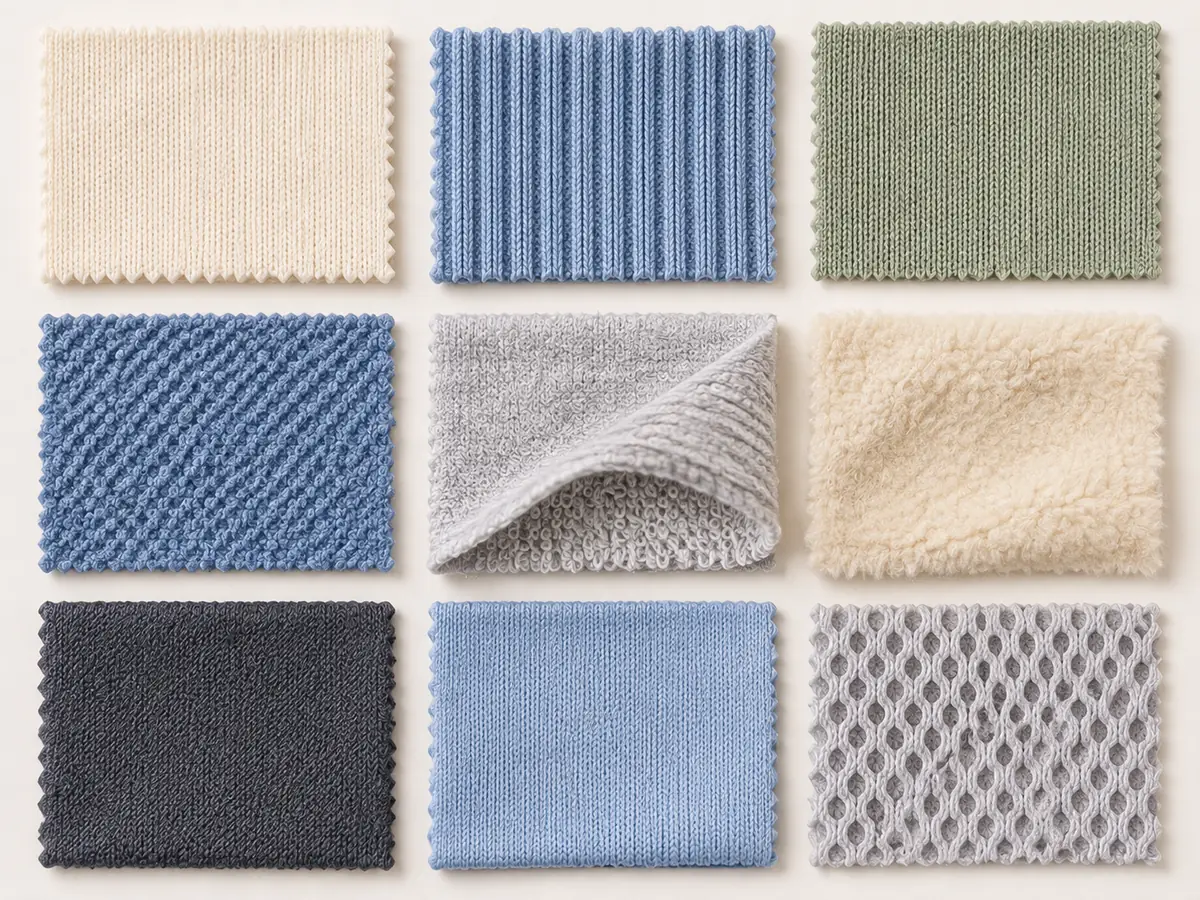
Not all knitted fabrics behave in the same way. Their properties depend on the knitting structure, yarn type, density, and finishing.
1. Jersey Knit
Structure and appearance: Jersey is usually a single-knit structure with a relatively smooth face and a more textured reverse. Its loops create a soft, flexible hand and allow the material to drape rather than stand rigidly. The face may look clean and simple, while the reverse makes the loop direction easier to identify.
Stretch and recovery: Jersey often gives more readily across the width than a firm woven fabric.
Advantages: It is soft, comfortable, relatively easy to fold, and suitable for casual or tactile products. It can provide a relaxed appearance that is difficult to create with a crisp woven fabric. A jersey lining can also add softness to a product without making the exterior fully flexible.
Limitations: A jersey panel can curl at a cut edge, shift during cutting, develop wavy seams, pill under rubbing, or distort printed graphics. It normally needs a stabilizer, lining, binding, or firmer base when used for a structured bag.
Suitable bag uses: Soft cosmetic pouches, lightweight drawstring bags, casual accessories, flexible pockets, soft linings, and fashion-led bags where drape is intentional. It is less suitable as an unsupported exterior for a bag expected to carry heavy groceries, books, or tools.
Sourcing checks: Ask for relaxed and stretched dimensions, widthwise and lengthwise recovery, pilling risk, edge-finishing method, print behavior, and the proposed seam construction. Approve the artwork on the actual jersey, not on a flat paper proof.
2. Rib Knit
Structure and appearance: Rib knit alternates knit and purl columns to create raised vertical ribs. Common rib arrangements produce different levels of elasticity and surface definition. The ribs may be fine and close together or broad and highly visible, changing both the hand feel and visual scale of the product.
Stretch and recovery: Rib is known for substantial widthwise stretch and is often used where an opening needs to expand and return.
Advantages: It can create a comfortable, elastic edge without a separate elastic strip. It conforms to bottles, soft contents, or body-like forms and can add a clear textile detail to an otherwise simple product. It may be useful for stretch pockets, cuffs, bottle holders, or flexible trim.
Limitations: Rib is not naturally suited to a large flat panel that must remain dimensionally precise. Its surface can make fine printing difficult, and the visual width of a logo may change as the ribs expand. Excessive tension at a seam can cause puckering or uneven columns.
Suitable bag uses: Expandable side pockets, soft bottle sleeves, elasticized openings, protective cuffs, flexible organizers, and selected drawstring channels. It can also be used as a decorative edge on a casual textile bag.
Sourcing checks: Specify the relaxed opening, usable expansion range, recovery expectation, rib arrangement, seam method, and whether the edge needs a woven facing or stabilizer. Test the pocket with the actual object it must hold rather than judging stretch with an empty sample.
3. Interlock Knit
Structure and appearance: Interlock is a double-knit construction in which the two knitted faces are connected to create a smooth, relatively dense textile. Both sides can appear cleaner and more similar than a single jersey. It usually has more body and less obvious edge curl than a lightweight single knit.
Stretch and recovery: Interlock may offer controlled flexibility and a more stable hand than jersey, but it remains a loop-based structure. Its behavior changes with yarn, density, finishing, and elastane. It may hold a soft pouch shape better than a light jersey while still giving under load.
Advantages: It offers a smooth hand, moderate body, a cleaner reverse, and a more substantial feel. It can be a useful middle ground when the product needs softness but should not look flimsy. It can also reduce the need for a separate lining in some soft-product concepts, although this must be confirmed on the finished sample.
Limitations: It is not equivalent to canvas, duck, or a firm woven shell. It can still stretch around handles and openings, and its higher material weight may affect cost and foldability. If the fabric is used with dense embroidery or a zipper, backing and reinforcement may still be needed.
Suitable bag uses: Soft organizers, flexible cosmetic cases, casual pouches, protective sleeves, baby or lifestyle accessories, and moderate-structure bags with a lining or base support.
Sourcing checks: Compare interlock with jersey at the same finished dimensions. Review body growth after loading, edge stability, seam appearance, washing behavior, opacity, and whether the sample remains flat around the zipper and base.
4. Pique Knit
Structure and appearance: Pique knit has a textured surface formed by a raised or honeycomb-like arrangement. It is associated with polo shirts, but the texture can also be used in accessories where the buyer wants a breathable, patterned, or slightly dimensional surface.
Stretch and recovery: Pique can provide moderate flexibility, but the texture may mask small changes in shape. The open areas and surface relief can influence snagging, printing, and how the fabric compresses under a handle or seam.
Advantages: It provides visual texture without relying on a printed pattern, can feel breathable in lighter constructions, and can give a casual premium appearance. The surface can help a simple pouch or accessory look less flat.
Limitations: The textured face is not always ideal for fine logos or small text. It may collect dust in deeper surface areas and can be harder to wipe clean than a smooth lining. Compression under hardware or a folded seam may change the appearance of the texture.
Suitable bag uses: Casual pouches, sports accessories, soft organizers, fashion trims, and panels where surface texture is part of the design. It is usually better as a controlled panel than as an unsupported heavy-load body.
Sourcing checks: Check logo legibility, surface snagging, cleaning method, texture recovery after compression, and color appearance under the intended lighting. Confirm whether the quoted GSM includes any backing or finishing.
5. French Terry
Structure and appearance: French terry is generally smooth on the face and has looped yarns on the reverse. The reverse loops provide a soft, absorbent, or cushioned feel without the fully brushed surface of fleece. The weight and loop size can vary considerably.
Stretch and recovery: French terry may provide comfortable flexibility, especially when made with a stretch blend. The looped reverse can compress under pressure and may change hand feel after repeated rubbing or washing. It is not selected primarily for crisp structural support.
Advantages: It adds softness, cushioning, and a casual lifestyle character. It may protect items from light contact better than a thin smooth fabric and can create a comfortable interior or padded-feel panel.
Limitations: The looped reverse can catch on sharp objects, hardware, hook-and-loop fasteners, or rough contents. It may shed lint, compress at high-contact areas, and require more care than a smooth woven lining. The soft surface can also make small embroidery or fine printing less clear.
Suitable bag uses: Soft pouches, casual accessory bags, protective sleeves, seasonal gift products, and interior panels where cushioning is useful. It is less suitable for a cleanable, spill-prone interior unless paired with a suitable lining.
Sourcing checks: Inspect both sides, test snagging and lint transfer, review pilling after rubbing, and clarify whether the terry side is inside or outside. If the bag will be washed, test shrinkage, loop appearance, drying, and seam behavior after care.
6. Fleece Knit
Structure and appearance: Fleece is a knitted fabric with a surface that has been brushed or otherwise raised to create softness and warmth. It can be made from different fibers and may vary from light, smooth fleece to a bulky, high-pile surface.
Stretch and recovery: Fleece often has some flexibility, but its thickness and brushed surface can make the product feel fuller than its flat dimensions suggest. The pile can flatten under compression, and repeated friction may change the surface appearance.
Advantages: It provides softness, warmth, cushioning, and a strong tactile impression. It can be useful where the user expects a cozy or protective feel rather than a formal structured silhouette.
Limitations: Fleece can attract lint, pill, shed fibers, retain odor, and catch on rough hardware depending on the finish. Dense fleece can make seams bulky and reduce the available interior capacity. Its surface is usually not the easiest base for fine printing or precision embroidery.
Suitable bag uses: Winter gift bags, soft accessory cases, protective interiors, baby or lifestyle products, and seasonal products. For a heavy-load bag, fleece usually needs a separate structural shell or reinforcement.
Sourcing checks: Confirm pile height, face and reverse finish, compression recovery, lint behavior, cleaning method, seam bulk, and whether the fleece will be exposed or covered by a lining. Check the finished dimensions after quilting or layering because the surface loft can change the fit.
7. Double Knit and Ponte Knit
Structure and appearance: Double knits are made with two connected knitted layers, which can produce a smoother, denser, and more stable hand than a single knit. Ponte is a familiar stable double-knit category with a relatively clean surface and body. Exact performance depends on the yarn and construction, so “double knit” should not be treated as a single universal specification.
Stretch and recovery: Double knits generally offer more body and better shape control than lightweight jersey, but they can still stretch. Some are designed to recover well; others may grow when repeatedly loaded. The fabric may feel compact and can resist casual wrinkling, which may be useful for travel-oriented soft products.
Advantages: They offer a balance of softness, smooth appearance, and moderate stability. They can support a more polished silhouette without the complete rigidity of a woven shell. The dense surface may also provide a cleaner base for some decoration methods than a loose knit.
Limitations: Their density can increase weight and cost. Thick seams may become bulky, and the material may not fold as compactly as a thin knit. It can still need a stable base, lining, or reinforcement at handles, corners, and zippers.
Suitable bag uses: Structured-soft pouches, premium organizers, fashion accessories, laptop or tablet sleeves with additional padding, and bags that need a smooth appearance with some flexibility.
Sourcing checks: Compare relaxed and loaded measurements, inspect seam bulk, check zipper installation, test recovery after folding, and confirm whether the proposed machine and needle setup can sew the layers cleanly.
8. Tricot Knit
Structure and appearance: Tricot is a warp-knit construction that is often fine, smooth, and relatively stable. It may have a subtle surface sheen or a clean technical appearance. Tricot is used in apparel, linings, sports products, and other applications where a controlled knitted surface is useful.
Stretch and recovery: Tricot can have less uncontrolled stretch than many soft weft knits, but the actual amount depends on yarn, density, and finish. Its lengthwise and widthwise behavior may differ, which matters when the fabric is cut into pockets, panels, or a bag body.
Advantages: It can provide a smooth surface, low bulk, and a technical hand. It may work well where a buyer wants some flexibility without the loose drape of jersey. It can also serve as a lining or a panel material.
Limitations: The thin surface can be vulnerable to snags, needle damage, or distortion if the product is overloaded. Fine tricot may not provide enough body for a self-supporting bag. Some surfaces may require a backing before printing, embroidery, or attachment to hardware.
Suitable bag uses: Lightweight linings, cosmetic and garment-bag panels, sports accessories, technical pockets, and flexible organizers. A stabilizer or woven shell may be needed for structure.
Sourcing checks: Ask for warp direction, stretch direction, edge behavior, snag resistance, opacity, and print compatibility. Review the fabric after zipper sewing and repeated opening rather than evaluating only an uncut swatch.
9. Mesh and Net Knit
Structure and appearance: Mesh and net fabrics use an open loop structure to create visible holes and airflow. Hole size, yarn thickness, pattern, and edge stability vary widely. Some mesh knits are soft and flexible, while others are designed for technical support or stronger dimensional control.
Stretch and recovery: Mesh may stretch in one or several directions. Open construction can make the material conform easily, but it can also allow pockets or openings to grow. A mesh panel may recover differently from the binding or woven shell attached to it, creating seam tension.
Advantages: Airflow, visibility, low weight, and drainage are the main reasons to choose mesh. It can reduce the weight of a bag and make contents easier to identify. It is valuable for laundry, sports, beach, travel, and storage applications.
Limitations: It may not contain small items, resist abrasion, block dust, or protect contents from moisture. Sharp objects can catch the openings. The edge and attachment seam may need binding or reinforcement, and the mesh may not support heavy pockets without a stable frame.
Suitable bag uses: Laundry bags, shoe compartments, sports pockets, beach totes, ventilation panels, storage organizers, and visible product packaging.
Sourcing checks: Specify hole size or visual openness, load in the mesh pocket, seam reinforcement, edge binding, snagging, dust protection, and whether small contents can fall through. Test the panel with the actual objects and hardware used by the customer.
10. Jacquard Knit
Structure and appearance: Jacquard knitting creates patterns, motifs, or color effects through the knitted structure rather than applying all of the design afterward as a surface print. The pattern may be geometric, branded, textured, or multicolor.
Stretch and recovery: Pattern density and yarn changes can cause different areas to behave slightly differently. A large motif may look different when the fabric is stretched, filled, or joined at a seam. The reverse side may also have a different appearance or yarn arrangement.
Advantages: It creates an integrated decorative effect and can support a premium or fashion-led identity. It may reduce reliance on a large surface print and can add texture or depth to a product range.
Limitations: Custom patterns can increase development complexity, minimum order requirements, and color-matching work. Fine details may not remain clear at small scale. Pattern alignment across seams, gussets, pockets, and handles requires a clear production plan.
Suitable bag uses: Fashion totes, decorative pouches, branded textile accessories, seasonal products, and limited collections where the fabric itself is a key design element.
Sourcing checks: Confirm repeat size, pattern direction, color count, seam alignment, minimum order, yarn availability, and how the motif behaves when the bag is filled. Approve a sewn sample rather than a flat fabric square alone.
11. Velour and Plush Knit
Structure and appearance: Velour and plush knits have a raised pile or velvet-like surface that creates softness, depth, and light reflection. They are often chosen for gift, fashion, beauty, or premium tactile products.
Stretch and recovery: The base knit may stretch, while the pile can be compressed or brushed in different directions. A finished product may show shading or pressure marks after folding, stacking, or handling.
Advantages: Strong tactile appeal, visual richness, softness, and a premium presentation. They can make a small gift pouch or accessory feel more substantial without relying on a hard structure.
Limitations: The pile can catch dust, crush, shed, snag, or show directional color changes. Fine logos may be difficult to read, and cleaning can be more complicated. The fabric may also increase sewing bulk around zippers and seams.
Suitable bag uses: Jewelry or gift pouches, premium cosmetic bags, seasonal packaging, soft cases, and decorative fashion accessories.
Sourcing checks: Check pile direction, color under different lighting, crushing after storage, lint, snagging, print or embroidery legibility, and cleaning instructions. Package the approved sample in the same way the product will be shipped.
12. Openwork, Crochet-Like, and Decorative Knit Structures
Structure and appearance: Openwork and crochet-like constructions use visible spaces, patterned loops, or a hand-crafted visual effect. Some are machine knitted, while others may be made through crochet or related textile processes. The commercial value is often texture, pattern, and fashion identity rather than maximum load capacity.
Stretch and recovery: Open structures can expand significantly when filled. Different parts of the bag may move differently, especially where the body meets a solid handle, base, lining, or binding. Permanent growth may be less obvious in a decorative bag but can still change the silhouette and handle drop.
Advantages: Distinctive appearance, airflow, foldability, tactile character, and strong seasonal or fashion appeal.
Limitations: Small contents may fall through, sharp objects may catch the loops, and handles or bases may need reinforcement. A lining can solve containment but adds weight, cost, and a second color or material decision. The open surface may not be appropriate for dust protection or liquid resistance.
Suitable bag uses: Beach totes, fashion bags, decorative gift products, lightweight summer accessories, and products where the open texture is intentionally visible.
Sourcing checks: Fill the bag with actual contents, inspect handle stretch, check base sag, test loop snagging, confirm lining coverage, and approve the finished shape after storage and folding. Do not evaluate only by how attractive the empty sample looks.
Quick Selection Table for Common Knit Fabrics
| Knit fabric |
Main visual or tactile feature |
Stretch tendency |
Structural stability |
Useful bag roles |
Main risk to check |
| Jersey |
Smooth face, soft drape |
Moderate to high |
Low to moderate |
Soft pouches, linings, casual bags |
Growth, curling, pilling, print distortion |
| Rib |
Raised columns, elastic texture |
High across width |
Low as a flat panel |
Openings, bottle pockets, cuffs |
Recovery and logo distortion |
| Interlock |
Smooth double-knit face |
Moderate |
Moderate |
Soft organizers, flexible cases |
Assuming it behaves like canvas |
| Pique |
Textured or honeycomb surface |
Low to moderate |
Moderate |
Sports or casual panels |
Fine print and cleaning |
| French terry |
Smooth face, looped reverse |
Moderate |
Low to moderate |
Cushioned interiors, soft pouches |
Snagging and lint |
| Fleece |
Brushed, warm surface |
Low to moderate |
Low to moderate |
Seasonal and protective products |
Pilling, compression, seam bulk |
| Double knit/Ponte |
Dense, smooth, stable hand |
Moderate |
Moderate to high for a knit |
Structured-soft cases |
Weight, bulk, long-term growth |
| Tricot |
Fine, smooth warp-knit surface |
Low to moderate |
Moderate |
Linings and technical panels |
Snags, thinness, needle damage |
| Mesh/net |
Open holes and airflow |
Low to high |
Depends on mesh |
Laundry, sports, beach panels |
Hole growth and containment |
| Jacquard knit |
Integrated pattern or motif |
Depends on design |
Moderate |
Fashion and branded accessories |
Pattern alignment and MOQ |
| Velour/plush |
Raised, soft, light-reflective pile |
Low to moderate |
Low to moderate |
Premium pouches and gift bags |
Crushing, lint, cleaning |
| Openwork/crochet-like |
Decorative open loops |
Moderate to high |
Low unless reinforced |
Beach and fashion bags |
Sagging, snagging, small contents |
The table is useful for first selection, but the final decision should be made from a product sample. Two fabrics with the same name can differ because of yarn, density, finish, and supplier process.
What Is Woven Fabric?
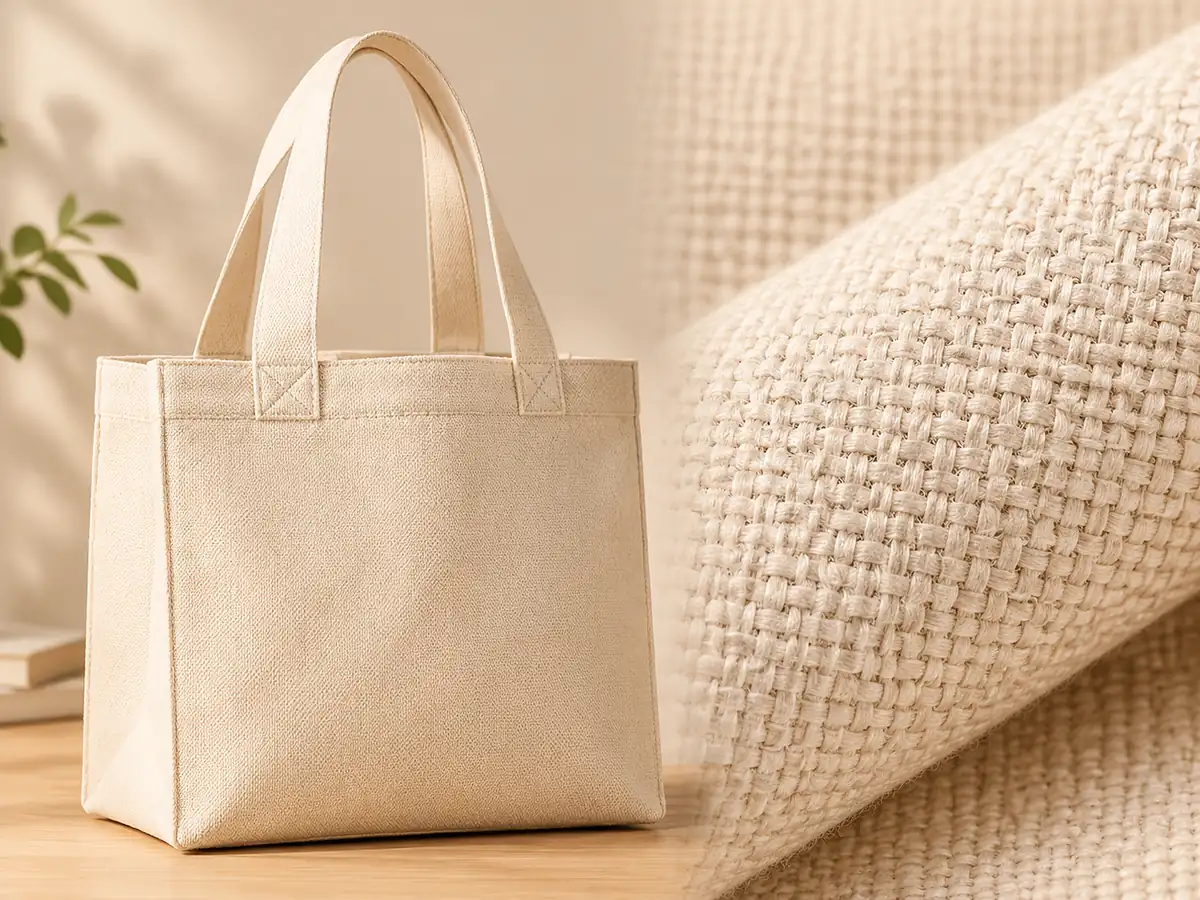
Woven fabric is produced by interlacing two sets of yarns, commonly known as warp and weft.
The warp yarns run lengthwise through the fabric, while the weft yarns pass across the width. During weaving, the two yarn systems cross over and under each other to form a stable textile structure.
This arrangement generally limits the movement of individual yarns and provides better dimensional control than many conventional knitted structures.
Woven fabrics are widely used in shirts, trousers, upholstery, industrial textiles, home furnishings, and bags.
For custom bag manufacturing, woven materials are particularly important because they can provide the stability required for defined panels, reinforced seams, structured compartments, and consistent product dimensions.
How Is Woven Fabric Made?
Woven fabric is produced on a loom.
Before weaving begins, warp yarns are arranged lengthwise under controlled tension. The loom then inserts weft yarns across the warp using a specific interlacing sequence.
The way these yarns cross determines the weave structure.
The Three Main Weave Families and What They Change
1.Plain Weave
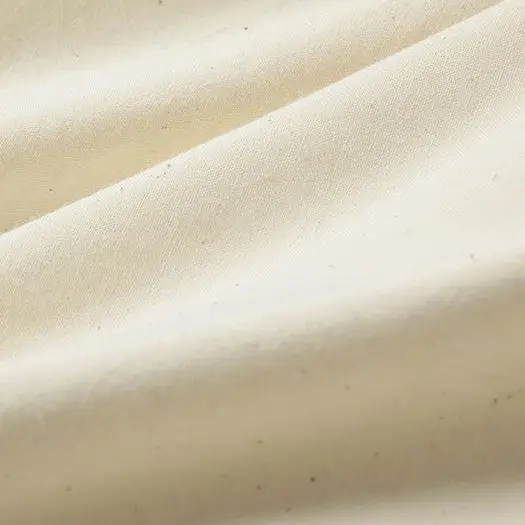
Plain weave alternates warp and weft yarns in a simple over-under sequence. It is balanced, widely available, and often easy to print on when the surface is sufficiently even. Lightweight plain-weave cotton can suit promotional bags, produce bags, bread bags, and simple gift packaging. Heavier plain-weave canvas can provide more body and load support.
Its limitations also need to be understood. A very open plain weave may fray, allow more moisture penetration, or provide a less precise print surface. A heavy plain weave can increase cost and shipping weight. The best choice depends on whether the program values breathability, low cost, structure, or long-term repeated use.
2.Twill Weave
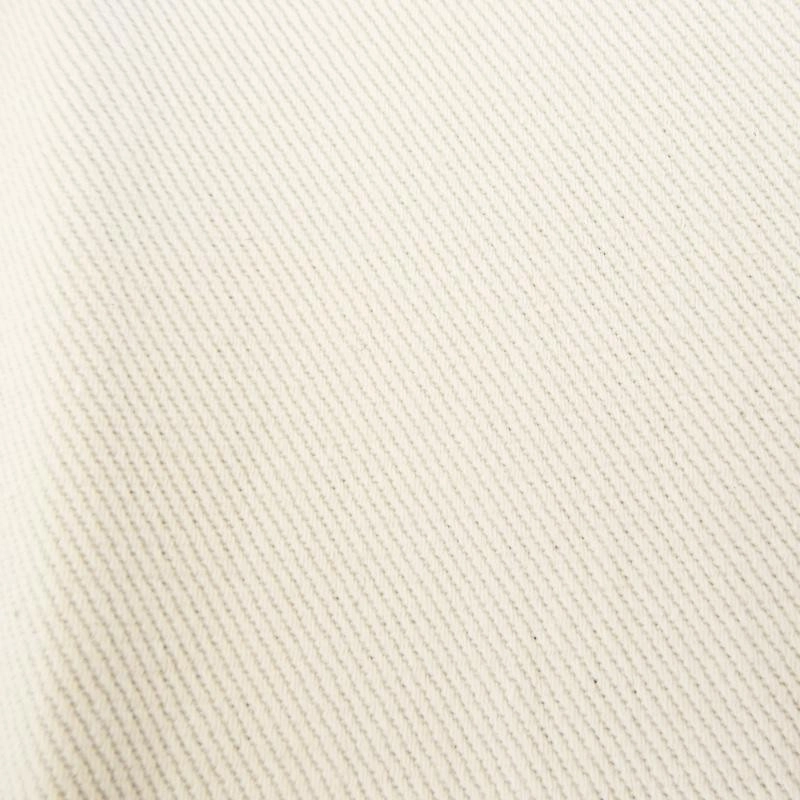
Twill creates a diagonal rib by changing the over-under sequence. Denim, workwear twill, gabardine, and herringbone are familiar examples. The diagonal structure can provide a useful combination of abrasion resistance, flexibility, visual depth, and drape. It is often selected for bags that should look more substantial than a basic plain weave but should not feel completely rigid.
Twill is not automatically stronger in every direction. The yarn, density, weight, and finishing still matter. The diagonal surface can also influence print sharpness and color appearance. If the bag includes small text, fine linework, or a large high-contrast logo, approve the decoration on the actual twill rather than on a smooth reference fabric.
3.Satin Weave
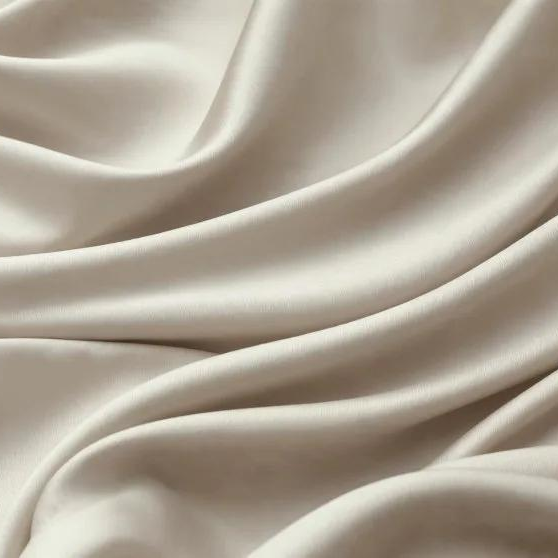
Satin weave uses longer yarn floats on the surface to create smoothness and sheen. Satin-like woven fabrics are common in gift pouches and premium packaging. They can deliver a refined hand feel and strong visual effect, but the surface may be more sensitive to snagging, abrasion, pressure marks, and light reflection.
A buyer should confirm whether the intended use exposes the fabric to rough shelves, hook-and-loop fasteners, sharp hardware, or repeated folding. The color can also appear different under retail lighting because the smooth surface reflects light. Approve color, print, and finishing in the final lighting and product context whenever possible.
Ripstop and Technical Woven Structures
Ripstop fabrics use reinforcing yarns or a grid-like arrangement to reduce the spread of a tear. They are common in lightweight travel, outdoor, and utility products. A ripstop may offer a valuable balance between low weight and practical tear control, but the final bag still needs appropriate seams, binding, and handle reinforcement.
Technical woven fabrics may also include coatings, laminations, calendaring, or other finishes. These can change hand feel, air permeability, water behavior, fold memory, and recycling considerations. Ask whether the stated GSM includes the coating or lamination, and whether the finished product is intended to be wiped clean, washed, or only spot cleaned.
Common Types of Woven Fabric
“Woven fabric” is a construction family, not one single material. A cotton canvas, a lightweight poplin, a nylon ripstop, a satin cosmetic pouch, and a laminated PP shopping bag are all woven or woven-based products, but they do not offer the same hand feel, load behavior, print surface, or care requirements. For an accurate quotation, the buyer should name the fabric category, fiber, weave, approximate weight, finish, and intended application.
The following woven fabrics and commercial woven categories are commonly encountered in apparel, packaging, accessories, home products, travel goods, and custom bags. Some names describe a weave structure, some describe a traditional fabric type, and some describe a fiber or finishing category. That distinction matters because a fabric name alone is not always a complete technical specification.
1. Cotton Sheeting and Muslin
Structure and appearance: Cotton sheeting is commonly a plain-weave fabric made from cotton yarns. Muslin is often used to describe a light, simple cotton fabric, although the exact weight and finish can vary by supplier. The surface is generally matte, breathable, and relatively even, with a natural textile hand.
Performance: Lightweight sheeting offers good foldability and airflow but limited body and load resistance. As the yarn density and fabric weight increase, it can become more stable and more suitable for reusable packaging. It remains absorbent unless treated, and an open structure may allow moisture and fine particles to pass more easily than a coated fabric.
Advantages: It is easy to fold, widely understood by suppliers, suitable for natural-looking packaging, and often compatible with common printing methods. Unbleached or naturally colored cotton sheeting can support a simple, understated brand presentation.
Limitations: Lightweight sheeting can wrinkle, fray, shrink, or deform when loaded. It may not provide enough support for heavy handles or a structured base without reinforcement. The natural surface can also absorb ink unevenly if the weave is open or the fabric is not prepared for the selected printing method.
Suitable bag uses: Bread bags, produce bags, dust bags, lightweight gift bags, promotional pouches, drawstring bags, sample bags, and packaging where breathability and low bulk matter more than heavy-load performance.
Sourcing checks: Confirm whether the fabric is bleached, dyed, printed, or coated; whether the quoted weight is before or after finishing; expected shrinkage; edge treatment; handle reinforcement; and whether the product is intended for direct food contact. Do not infer food-contact suitability from the word “cotton” alone.
2. Cotton Canvas
Structure and appearance: Canvas is a firm, closely constructed woven fabric traditionally associated with cotton or cotton blends. Many canvas fabrics use a plain weave, although commercial descriptions can cover a range of densities and finishes. The surface is usually matte, substantial, and capable of holding a defined shape.
Performance: Canvas provides more body and abrasion resistance than lightweight cotton sheeting, especially when the yarns are dense and the fabric weight is appropriate to the use. It can support reusable tote bodies, pockets, and handle attachment better than a thin cotton fabric. Untreated canvas remains absorbent and can become softer with use.
Advantages: It offers a familiar natural appearance, strong branding potential, good sewing stability, and a balance between structure and flexibility. It can be folded, printed, embroidered, washed, and used in a wide range of retail and promotional products when the finish is correctly specified.
Limitations: “Canvas” is not a precise weight or performance guarantee. A light canvas may not support heavy loads, while a heavy canvas can increase unit cost, shipping weight, and sewing difficulty. Cotton canvas may crease, shrink, absorb spills, and require careful colorfastness control.
Suitable bag uses: Reusable shopping totes, grocery bags, premium promotional bags, tool bags, book bags, storage bins, drawstring backpacks, and retail packaging where a natural, durable hand is desired.
Sourcing checks: Specify fiber, GSM or agreed weight range, weave, color, shrinkage, print method, handle width, handle attachment, stitch reinforcement, and washing expectation. Test the body and handle area together; a heavy canvas body does not compensate for a weak seam or undersized handle patch.
3. Duck Canvas
Structure and appearance: Duck canvas is generally a tightly packed, firm woven canvas with a smooth, dense surface. It is often treated as a heavier and more compact canvas category, but the exact specification still varies. The surface may feel stiff when new and soften with use.
Performance: Its dense structure can provide good shape retention, abrasion resistance, and support for products that need a more rugged hand. It can be suitable for demanding tote bodies, tool carriers, work accessories, and structured storage products. The fabric may resist casual folding and may require stronger needles, thread, and machine settings during sewing.
Advantages: It provides a substantial appearance, stable panels, and a solid base for durable products. It can support strong branding through screen printing, embroidery, patches, or labels when the surface and decoration method are matched correctly.
Limitations: It can be heavier, stiffer, and more expensive than a standard light canvas. Thick seam intersections may become bulky. Folding, packing, and shipping may require more space, and the product can feel unnecessarily heavy if the application only needs light packaging.
Suitable bag uses: Heavy-duty totes, tool bags, workwear accessories, book bags, craft and utility bags, premium reusable shopping bags, and storage products that need a firm base.
Sourcing checks: Check actual thickness, foldability, sewing-machine compatibility, seam bulk, handle attachment, color consistency between lots, and whether the finished bag remains comfortable to carry. Confirm whether the quoted weight includes any coating or backing.
4. Twill
Structure and appearance: Twill is identified by a diagonal rib created through an offset interlacing pattern. The diagonal may be subtle or pronounced depending on yarn, density, and weave arrangement. Cotton twill, polyester twill, workwear twill, gabardine, and herringbone are related commercial categories with different appearances and performance profiles.
Performance: Twill can combine durability, a smooth drape, and a more visually complex surface than plain weave. The diagonal structure may help the fabric bend and handle abrasion without looking as flat as a basic sheeting. Performance still depends on yarn strength, density, weight, and finish; the word “twill” alone does not establish a load rating.
Advantages: It can create a refined or workwear-inspired appearance, accept many forms of decoration, and provide a useful balance of structure and flexibility. It is often appropriate when a bag should look substantial but not rigid.
Limitations: The diagonal texture can affect fine print registration and color appearance. Some twills are soft and drapey, while others are firm. A dark twill can show directional shading, and a brushed twill may attract lint or show pressure marks.
Suitable bag uses: Fashion totes, cosmetic bags, utility pouches, work bags, travel organizers, premium packaging, and structured-soft products where surface character matters.
Sourcing checks: Confirm the direction of the twill, surface brushing, weight, color under the intended lighting, print sharpness, seam behavior, and whether the fabric will be cut on or across the dominant direction. Approve a sewn panel when pattern direction or visual alignment is important.
5. Denim
Structure and appearance: Denim is traditionally a cotton twill fabric with a characteristic diagonal surface and a contrast between the face and reverse. Commercial denim can also include elastane, recycled fibers, different dye systems, coatings, or finishing processes, so a denim label does not identify one fixed construction.
Performance: Firm denim can offer good abrasion resistance and a recognizable fashion appearance. Stretch denim can provide more comfort but may behave differently at seams and openings. The dye can develop a worn or faded appearance over time, which may be a benefit for a fashion product but a concern for a program that requires uniform color.
Advantages: Strong visual identity, familiar consumer recognition, good compatibility with patches and embroidery, and a durable feel in suitable weights. Denim can give a basic tote or pouch a more lifestyle-oriented position.
Limitations: It can be heavy and stiff, especially in thick weights. Dark denim may transfer color or show rub marks. Seams can become bulky, and repeated washing may change dimensions and appearance. Stretch denim can grow around handles, pockets, or openings if not stabilized.
Suitable bag uses: Fashion totes, casual shoulder bags, cosmetic pouches, promotional lifestyle products, denim recycling projects, and accessories where the fabric itself is part of the design story.
Sourcing checks: Confirm fiber blend, stretch content, colorfastness, crocking or rubbing behavior, wash treatment, shrinkage, seam bulk, needle and thread suitability, and how the finished shade should look after cleaning.
6. Poplin
Structure and appearance: Poplin is generally a tightly constructed plain-weave fabric with a smooth surface and a subtle crosswise rib effect created by differences in yarn size or density. It can be made from cotton, polyester, blends, or other fibers. The hand can range from crisp and shirt-like to soft and lightweight.
Performance: Poplin offers a relatively clean surface, good dimensional control for a light fabric, and a neat appearance. It is usually lighter and less rugged than canvas. Depending on fiber and finishing, it can wrinkle, crease, or resist wrinkles differently. It may support clear printing better than a heavily textured fabric, but the exact result depends on the surface and decoration process.
Advantages: Smooth appearance, easy folding, clean color presentation, and suitability for light structured products. It can create a more polished look than an open cotton sheeting without the bulk of a heavy canvas.
Limitations: Lightweight poplin is not intended for demanding loads. It may need lining, interfacing, or a reinforced base for a bag. Cotton poplin can shrink or crease, while synthetic poplin may have a different hand feel and may require careful heat control during printing or sewing.
Suitable bag uses: Gift bags, garment accessories, lightweight cosmetic pouches, organizer pockets, packaging sleeves, and fashion products where a smooth, clean surface is more important than rugged load capacity.
Sourcing checks: Identify fiber, surface finish, weight, opacity, shrinkage, crease behavior, print method, lining, and whether the final bag needs a base insert. Test the opening and zipper area because a smooth light fabric may still deform around concentrated stress.
7. Oxford Fabric
Structure and appearance: Oxford is a commercial woven category often associated with a basket-like or basket-influenced construction, commonly made from polyester, nylon, or blends. The surface can be smooth, lightly textured, coated, or laminated. “Oxford” is used broadly in the bag industry, so the term should always be accompanied by fiber, weight, and finish information.
Performance: Oxford fabrics can offer a useful balance of strength, low maintenance, and dimensional stability. Some are designed for travel, outdoor, luggage, school, or utility products. Coating can improve surface cleanability or moisture resistance, but it can also change hand feel, breathability, fold memory, and end-of-life options.
Advantages: Practical synthetic performance, broad availability, color consistency, relatively stable panels, and compatibility with bags that need pockets, zippers, piping, and multiple compartments. It can be easier to wipe clean than untreated cotton.
Limitations: An Oxford label does not guarantee water resistance, abrasion life, or a particular thickness. Coated surfaces may crack, peel, or become noisy. Some versions feel too technical for a natural lifestyle brand, and the coating may complicate recycling or heat sealing.
Suitable bag uses: Backpacks, travel bags, cosmetic cases, storage products, outdoor accessories, cooler-bag shells, school bags, and utility organizers.
Sourcing checks: Specify fiber, denier or equivalent supplier description where relevant, GSM, coating type, surface finish, hydrostatic or leakage expectation if applicable, abrasion requirement, colorfastness, and folding behavior. Check needle holes, zipper seams, and corners rather than judging water performance from the fabric face alone.
8. Satin and Satin-Like Woven Fabric
Structure and appearance: Satin weave uses longer surface floats to create a smooth, lustrous appearance. Commercial satin may be made from polyester, silk, rayon, nylon, or blends, and some products described as satin use a satin-like finish rather than a strict traditional weave. The face and reverse may look noticeably different.
Performance: Satin provides a soft hand, visual sheen, and elegant drape. Its surface reflects light and can make colors appear more vivid or variable depending on viewing angle. The long surface floats can be more sensitive to snagging, abrasion, pressure marks, and pulled yarns than a dense matte canvas.
Advantages: Premium visual presentation, smooth contact with garments or cosmetics, and strong suitability for gift, beauty, and fashion products. It can create a luxury effect at a relatively light material weight.
Limitations: It may not be suitable for rough handling or heavy loads. Fine scratches, snags, crushed areas, and color shifts can become visible. Dense embroidery may distort the surface, and the fabric may need a lining or stabilizer to support a clean shape.
Suitable bag uses: Cosmetic bags, jewelry pouches, garment bags, gift bags, lingerie packaging, premium promotional products, and soft fashion accessories.
Sourcing checks: Review face and reverse, snagging, seam slippage, color under retail lighting, print compatibility, embroidery backing, crease recovery, and cleaning instructions. Approve the complete product after packing because folding can create temporary or permanent surface marks.
9. Taffeta and Lightweight Technical Wovens
Structure and appearance: Taffeta is generally a smooth, tightly woven fabric with a crisp hand and often a slight rustle. In the bag industry, lightweight polyester or nylon technical wovens may be sold under related descriptions, sometimes with coatings or calendared finishes. The exact fiber and finish should be confirmed.
Performance: These fabrics can be light, packable, and relatively shape-stable for their weight. They are useful where shipping volume and product weight matter. A coating may improve water repellency or reduce air permeability, but it can also make the fabric less soft and less breathable.
Advantages: Low bulk, easy folding, clean color, and suitability for packable products. A light technical woven can provide a better balance of structure and weight than a heavy cotton fabric for travel or promotional programs.
Limitations: Thin fabrics may tear at needle holes, corners, or handle attachment points. The crisp surface can crease, make noise, or show coating damage. They generally need webbing, reinforcement patches, or a lining when used in a load-bearing bag.
Suitable bag uses: Packable shopping bags, travel pouches, garment covers, lightweight organizers, promotional drawstring products, and inner compartments.
Sourcing checks: Confirm tear behavior, seam reinforcement, coating, water-repellency expectation, fold memory, print method, and whether the material is intended as a shell, lining, or pocket. Test the product after repeated folding and carrying rather than only when laid flat.
10. Nylon Woven
Structure and appearance: Nylon woven is a fiber-based commercial category rather than one single weave. It may be plain weave, ripstop, taffeta-like, oxford-like, or another technical structure. The surface may be matte, glossy, coated, or textured.
Performance: Nylon wovens are commonly valued for low weight, flexibility, and useful strength-to-weight performance. Their final behavior depends heavily on yarn size, weave density, coating, and finishing. Some are suitable for packable products, while others are designed for outdoor or utility applications.
Advantages: Light weight, easy folding, broad color options, and compatibility with travel and outdoor product construction. Nylon can work well where a buyer needs a technical appearance without using a heavy fabric.
Limitations: Some nylon surfaces can be sensitive to heat, abrasion, UV exposure, or coating degradation. Thin nylon may not support heavy handles without webbing and patches. A coated nylon may resist light moisture but still leak at seams or show a different hand after repeated flexing.
Suitable bag uses: Packable totes, travel bags, sports accessories, outdoor pouches, lightweight backpacks, drawstring bags, and technical lining or pocket components.
Sourcing checks: Confirm weave type, yarn description, coating, colorfastness, abrasion, tear behavior, seam slippage, heat tolerance, and expected exposure to sunlight or moisture. Test the finished bag at the handle patch, zipper end, and bottom corners.
11. Polyester Woven
Structure and appearance: Polyester woven is another fiber-based category that may include plain weave, twill, oxford, taffeta, canvas-like, satin-like, or ripstop constructions. It can be engineered for smoothness, low care, color consistency, or technical performance.
Performance: Polyester wovens can provide stable dimensions, broad decoration options, and resistance to some forms of wrinkling. Their performance depends on yarn, weave, coating, and finish. A recycled polyester woven may have similar construction possibilities to virgin polyester, but the recycled-content claim should be verified separately.
Advantages: Versatility, color repeatability, relatively easy care, and suitability for a wide range of bags and packaging. Polyester can support printed designs, quilted structures, linings, and coated shells.
Limitations: Some polyester fabrics can feel synthetic or less breathable than cotton. Coated versions may become stiff or noisy. Heat-sensitive decoration and laundering requirements must be confirmed, and a fiber label alone does not reveal whether the fabric is durable enough for the product.
Suitable bag uses: Cosmetic bags, garment bags, travel products, cooler-bag shells, promotional totes, storage bags, quilted bags, and printed retail packaging.
Sourcing checks: Specify construction, GSM, coating, surface finish, colorfastness, print method, heat tolerance, recycled-content evidence if claimed, and whether the product will be washed, wiped, or dry cleaned.
12. Ripstop Woven
Structure and appearance: Ripstop uses reinforcing yarns or a grid effect at intervals to help limit the spread of a tear. It can be made from nylon, polyester, cotton blends, or other fibers. The grid may be visible as a subtle square or rectangular pattern, or it may be integrated with a coating that changes the appearance.
Performance: Ripstop is often selected for low-weight products that still need improved tear control. It is not tear-proof, and the grid does not eliminate abrasion, seam, zipper, or handle failure. The fabric can be smooth and packable, but its final hand varies widely.
Advantages: Good visual association with outdoor or technical products, low bulk in many versions, and practical tear management when the construction is correctly matched to the use.
Limitations: A light ripstop can still puncture or fail at needle holes. The grid may affect printing, especially fine graphics. Coated ripstop may crack when sharply folded, and the fabric may feel too technical for a natural or luxury product position.
Suitable bag uses: Outdoor bags, travel pouches, packable totes, sports products, utility organizers, lightweight drawstring products, and internal compartments.
Sourcing checks: Confirm grid size, fiber, weight, coating, tear expectation, abrasion, print appearance, seam construction, and fold durability. Test both a flat panel and the finished product with actual contents.
13. Jacquard Woven
Structure and appearance: Jacquard weaving creates patterns, logos, motifs, or textured effects through controlled yarn interlacing rather than relying only on a surface print. The design may be subtle, multicolor, geometric, or highly decorative. Both sides can have different visual effects depending on the yarn arrangement.
Performance: Jacquard can provide a rich, integrated pattern and a premium textile appearance. The weight, stability, and abrasion performance depend on the base weave and yarn. Patterned areas may have different thicknesses or float lengths that influence snagging and sewing.
Advantages: Strong visual identity, repeatable woven-in artwork, and a premium alternative to a large printed graphic. It can help a product stand out while keeping the surface tactile.
Limitations: Custom development can increase minimum order quantity, lead time, yarn planning, and color matching work. Very small details may not reproduce clearly. Pattern alignment across gussets, pockets, and seams requires careful sample approval.
Suitable bag uses: Fashion totes, premium pouches, branded accessories, gift packaging, seasonal collections, and products where the fabric pattern is a major part of the value proposition.
Sourcing checks: Confirm repeat size, pattern direction, yarn colors, reverse appearance, seam alignment, MOQ, lead time, and how the design behaves when the fabric is folded or filled. Approve a complete sewn sample, not only a loom or fabric swatch.
14. Herringbone and Houndstooth Woven
Structure and appearance: Herringbone and houndstooth are recognizable patterned variations based on woven structures, often related to twill. Herringbone creates a broken zigzag or V-shaped visual flow, while houndstooth creates a repeated checked or jagged motif. These patterns can be subtle or high contrast.
Performance: The performance depends on the underlying yarn, density, and weave. The pattern can add visual depth and hide minor surface marks, but it may also make alignment more important. A bag with mismatched panels can look poorly made even when the physical seams are strong.
Advantages: Distinctive appearance, good suitability for fashion and premium lifestyle products, and a natural way to add interest without a separate printed layer.
Limitations: Pattern matching increases cutting and sewing complexity and may increase fabric consumption. The pattern can dominate a small product, and a high-contrast motif may compete with a logo or printed message.
Suitable bag uses: Fashion totes, gift bags, business accessories, cosmetic cases, seasonal packaging, and premium promotional products.
Sourcing checks: Confirm pattern repeat, direction, panel alignment, cutting allowance, print or embroidery placement, and whether the bag should match the motif across the front, side, gusset, and pocket.
15. Coated and Laminated Woven Fabric
Structure and appearance: Coated or laminated woven fabric starts with a woven base and adds a surface film, resin, foam, or another layer. Common commercial examples include coated polyester, laminated cotton, coated nylon, and laminated PP woven fabric. The outer appearance may be matte, glossy, rubber-like, or paper-like depending on the finish.
Performance: The added layer can improve wipe-clean behavior, opacity, stiffness, surface moisture resistance, or print control. It can also reduce breathability, increase weight, change fold memory, create noise, and introduce risks such as cracking, peeling, delamination, or seam leakage.
Advantages: Useful for products that need a cleaner surface, more body, stronger visual blocking, or improved resistance to light spills. Laminated PP woven material is commonly used in scalable retail and shopping-bag programs where printing, low weight, and repeatable construction are important.
Limitations: “Coated” does not automatically mean waterproof. The coating may fail at folds, corners, needle holes, or welds. Different layers may complicate recycling, and the finished fabric may not be suitable for washing or high heat.
Suitable bag uses: Retail shopping bags, cooler-bag shells, cosmetic pouches, wipe-clean organizers, protective storage bags, event bags, and packaging that needs a more controlled surface.
Sourcing checks: Identify the base woven, coating or lamination type, total GSM, thickness, adhesion, fold durability, seam or weld method, cleaning method, print compatibility, and actual leakage expectation. Test the complete bag, including seams and closures.
Woven Fabrics Quick-Selection Table
| Woven fabric or category |
Main character |
Typical stability |
Common bag uses |
Main risk to check |
| Cotton sheeting/muslin |
Light, breathable, natural |
Low to moderate |
Bread, produce, gift, dust bags |
Shrinkage, fraying, limited load |
| Cotton canvas |
Matte, substantial, natural |
Moderate to high |
Totes, grocery, promotional, storage |
GSM variation, handle and seam load |
| Duck canvas |
Dense, firm, rugged |
High |
Heavy totes, tool and utility bags |
Weight, stiffness, seam bulk |
| Twill |
Diagonal texture, flexible |
Moderate |
Fashion, utility, cosmetic, work bags |
Direction, print and color shading |
| Denim |
Fashion texture, contrast face/reverse |
Moderate to high |
Lifestyle totes, pouches, accessories |
Color transfer, shrinkage, bulk |
| Poplin |
Smooth, light, clean |
Moderate |
Gift, garment, light cosmetic bags |
Low-load limitation, creasing |
| Oxford |
Technical, versatile, often synthetic |
Moderate to high |
Travel, backpacks, storage, outdoor |
Coating and water claims |
| Satin |
Smooth, glossy, soft |
Low to moderate |
Beauty, garment, gift, luxury pouches |
Snagging, crushing, light reflection |
| Taffeta/light technical woven |
Crisp, light, packable |
Moderate |
Foldable bags, travel, inner panels |
Tear at seams, coating damage |
| Nylon woven |
Light, flexible, technical |
Moderate |
Outdoor, sports, packable bags |
Heat, UV, coating, handle points |
| Polyester woven |
Versatile, color-stable, easy-care |
Moderate to high |
Cosmetic, garment, retail, storage |
Finish, heat, synthetic hand |
| Ripstop |
Grid reinforcement, low bulk |
Moderate |
Outdoor, travel, utility products |
Puncture, print, seam failure |
| Jacquard woven |
Integrated pattern, decorative |
Depends on base |
Premium bags and packaging |
MOQ, pattern alignment |
| Herringbone/houndstooth |
Recognizable patterned surface |
Moderate |
Fashion and premium packaging |
Matching across panels |
| Coated/laminated woven |
Controlled surface, wipe-clean potential |
Moderate to high |
Retail, cooler, cosmetic, protective bags |
Cracking, delamination, seam leakage |
This table is a first-selection tool, not a substitute for a finished sample. The same commercial name can cover different fibers, weights, coatings, and supplier standards.
Knit vs. Woven Fabric: Performance Differences
Understanding the construction is only the first step. For product development, buyers need to know how these structures influence the actual performance of the finished material.
1. Stretchability and Elasticity
Stretchability is one of the most recognizable differences between knitted and woven fabrics.
Knitted fabrics generally stretch more because their loops can change shape under tension.
When a knitted fabric is pulled, the loops can open, rotate, and become elongated. This allows the material to extend without immediately requiring the yarn itself to stretch.
Woven fabrics have a more fixed arrangement of warp and weft yarns. Their construction usually restricts this type of movement.
However, woven fabrics are not always completely rigid. Some have mechanical give, and others contain elastane or spandex to provide additional stretch.
Why this matters for bags:
A bag body that stretches excessively under load may become distorted over time. Its opening may widen, its bottom may sag, or its overall dimensions may change.
For a structured shopping tote or cosmetic bag, this is generally undesirable.
For a flexible mesh shopping bag or soft drawstring pouch, however, controlled flexibility can be an advantage.
The correct choice depends on whether the design needs to maintain a fixed shape or adapt to different contents.
2. Dimensional Stability and Shape Retention
Dimensional stability describes how well a fabric maintains its original measurements when exposed to forces, moisture, heat, washing, or repeated use.
Woven fabrics generally have an advantage in applications requiring stable panel dimensions because the warp and weft yarns form a relatively fixed structure.
Knitted fabrics may experience greater dimensional changes because their loops can stretch, relax, or distort.
However, fabric construction alone does not determine dimensional stability.
Other influencing factors include:
- Fiber composition.
- Yarn tension and quality.
- Fabric density.
- Knitting or weaving settings.
- Heat-setting and finishing.
- Washing and drying conditions.
- Mechanical stress during use.
For a custom cosmetic bag, dimensional stability is important because excessive fabric distortion can affect zipper alignment, panel symmetry, and the appearance of the finished product.
For a tote bag, it influences the bag's ability to maintain its intended width, height, and bottom shape.
Buyers should evaluate finished samples rather than assuming that a woven fabric will automatically retain its dimensions under every condition.
3. Strength and Durability
Strength and durability are often discussed as if they were the same property, but they describe different aspects of performance.
Strength refers to the amount of force a material can withstand before failure.
Durability refers more broadly to its ability to maintain acceptable performance after repeated use, friction, handling, and environmental exposure.
Woven fabrics often perform well in applications requiring tensile and dimensional stability. However, knitted fabrics can also be engineered for demanding uses.
For example, technical warp-knitted fabrics can provide good strength, while high-density woven fabrics can deliver excellent structural stability.
The following factors should be considered:
| Performance Factor |
What Buyers Should Evaluate |
| Tensile strength |
Resistance to pulling forces |
| Tear strength |
Resistance to the continued propagation of a tear |
| Abrasion resistance |
Ability to withstand repeated rubbing |
| Seam strength |
Ability of stitched seams to withstand force |
| Seam slippage |
Movement of yarns around stitched seams |
| Pilling resistance |
Resistance to the formation of surface fiber pills |
| Snagging resistance |
Resistance to yarns being pulled from the surface |
For bag products, fabric strength should never be evaluated independently of construction.
A strong fabric can still fail if the handle attachment is poorly reinforced or if the seam allowance is insufficient.
Likewise, a lighter fabric can perform effectively in a lightweight bag when the design, stitching, and reinforcement are appropriate.
4. Breathability and Air Permeability
Breathability is another important consideration, particularly for storage products, laundry bags, sports accessories, and mesh carriers.
Knitted fabrics can be produced with relatively open loop structures that allow air to pass through.
Warp-knitted mesh and Raschel mesh are common examples.
Woven fabrics can also be breathable. Their air permeability depends on the spacing between yarns, yarn size, weave structure, and finishing.
A loose plain weave may allow more air movement than a dense knit, while a tightly constructed knit may offer less airflow than an open woven textile.
For buyers, it is more useful to compare actual air permeability than to assume that one construction is always more breathable.
5. Wrinkle Resistance and Recovery
Knitted fabrics generally have good wrinkle recovery because their loop structure allows them to return toward their original shape after being compressed.
Woven fabrics can retain creases more noticeably, especially when they are made from fibers with limited elasticity.
6. Pilling and Snagging
Pilling occurs when loose fibers on the surface become entangled and form small balls.
Snagging occurs when a yarn or loop is caught and pulled away from the fabric surface.
Both issues can affect the appearance and service life of textile products.
Knitted fabrics can be more vulnerable to snagging because their loop structure may allow a pulled yarn to distort surrounding loops.
Some knitted constructions can also develop pilling after repeated friction.
Woven fabrics can pill too, particularly when made with short staple fibers or loosely twisted yarns. Long floats in certain weave structures may also increase snagging risk.
7. Sewing and Manufacturing Performance
The construction of a fabric influences how easily it can be cut, aligned, stitched, and assembled.
Woven fabrics are generally easier to handle during conventional bag manufacturing because they have limited stretch.
Their panels can be cut to more consistent dimensions, and they are less likely to distort during stitching.
Knitted fabrics require more careful handling because stretching during cutting or sewing can produce uneven panels and distorted seams.
Depending on the material, manufacturers may need:
- Suitable needles and stitch types.
- Controlled fabric feeding.
- Stabilizing materials.
- Appropriate seam reinforcement.
- Adjusted sewing tension.
- More careful handling during cutting.
8. Printing and Branding Compatibility
Fabric construction can influence how a printed or embroidered design appears.
Woven fabrics usually provide a relatively stable surface, which can help maintain the position and shape of printed graphics.
Knitted fabrics may stretch during printing or heat application, potentially affecting alignment or creating distortion if the process is not properly controlled.
The most appropriate customization method also depends on fiber composition, surface texture, color, coating, and the printing system.
| Customization Method |
Woven Fabric |
Knit Fabric |
Important Consideration |
| Screen Printing |
Widely used |
Also possible |
Ink and curing conditions must match the material |
| Heat Transfer |
Common |
Possible with suitable materials |
Stretch and heat sensitivity need evaluation |
| Sublimation |
Suitable for compatible polyester fabrics |
Suitable for compatible polyester knits |
Fiber content and surface preparation matter |
| Embroidery |
Common |
Possible with stabilizers |
Knit fabrics may require additional backing |
| Woven Labels |
Easy to integrate |
Easy to integrate |
Placement and attachment method matter |
| Printed Labels |
Common |
Common |
Surface compatibility and washing performance |
There is no universal rule that woven fabrics always produce better printing results.
9. Weight, Thickness, and Hand Feel
Knit and woven fabrics can both be manufactured in a wide range of weights and thicknesses.
A lightweight woven fabric may be thinner than a heavy interlock knit, while a dense knitted fabric may feel firmer than a loosely woven textile.
Therefore, the construction type alone does not indicate whether a material is lightweight, heavy, soft, or rigid.
Buyers should evaluate several specifications:
- GSM: fabric mass per square meter.
- Thickness: distance between the fabric surfaces under specified measurement conditions.
- Hand feel: the tactile impression of the material.
- Drape: how the fabric falls or bends under its own weight.
- Stiffness: resistance to bending or deformation.
- Density: the arrangement and concentration of yarns or loops.
These factors influence the finished bag's appearance and handling.
10. Cost and Production Considerations
Fabric construction affects more than unit price. A knit may require stabilizer, special sewing control, lining, or additional handling. A woven may require heavier yarn, coating, reinforced handles, a more complex print process, or more material per unit. Total cost also includes cutting loss, trims, hardware, decoration, packaging, inspection, and shipping weight.
When comparing supplier quotations, normalize the specification. Confirm that each quotation uses the same:
- Fiber and construction.
- GSM, thickness, and finish.
- Dimensions and capacity.
- Handle length, width, material, and attachment.
- Print coverage and decoration method.
- Lining, foam, base insert, and closure.
- Packaging and carton requirements.
- Quality standard and inspection scope.
- Quantity, color count, and delivery terms.
A lightweight unlined knit pouch should not be compared with a structured woven pouch that includes foam, lining, hardware, and a larger print area. A lower price may represent a different product, not a more efficient supplier.
Can the Same Fiber Be Both Knit and Woven?
Yes.
This is one of the most important points to understand when comparing fabrics.
Knit and woven describe how a textile is constructed, while cotton, polyester, nylon, and other terms describe its fiber composition.
These are two different classification systems.
A fabric can therefore be described by both its fiber and construction.
For example:
| Fiber Composition |
Possible Knit Construction |
Possible Woven Construction |
| Cotton |
Jersey, rib knit, interlock |
Plain weave, twill, canvas |
| Polyester |
Jersey, fleece, warp-knit mesh |
Oxford, ripstop, plain weave |
| Nylon |
Warp-knit mesh, technical knit |
Nylon taffeta, ripstop, woven Oxford |
| PolyCotton |
Jersey, interlock |
Plain weave, twill, poplin |
| Wool |
Jersey, rib knit, double knit |
Tweed, plain weave, twill |
This distinction is important because buyers sometimes request a material by name without specifying its construction.
For example, asking for polyester fabric does not tell a supplier whether the buyer needs a woven polyester textile or a knitted polyester textile.
Similarly, cotton does not automatically mean canvas or plain weave.
A complete material specification should identify the fiber composition, construction, weight, and relevant performance requirements.
How to Identify Whether a Fabric Is Knit or Woven
When sourcing fabric, buyers may need to identify the construction from a sample, product photograph, or supplier specification.
Several simple methods can help.
Examine the Surface Structure
The most reliable starting point is to inspect the fabric closely.
Knitted fabrics show interconnected loops.
Woven fabrics show two sets of yarns crossing over and under each other.
A magnifying glass or macro photograph can make the difference easier to see.
Look for:
- Looped structures in knitted fabric.
- Warp and weft yarns in woven fabric.
- Regular crossing patterns in plain weave.
- Diagonal lines in twill.
- Open mesh structures in certain knitted and woven materials.
Do not rely only on the overall surface appearance. Some knitted fabrics are very smooth, while some woven fabrics have highly textured surfaces.
Perform a Stretch Test
Gently pull a fabric sample in both directions.
Knitted fabrics generally show more extension because their loops can change shape.
Woven fabrics usually resist stretching more strongly, although they may have some mechanical give.
Test both the lengthwise and widthwise directions.
Do not pull too hard. Excessive force may permanently distort the sample or damage delicate structures.
Inspect the Cut Edges
A woven may expose separate warp and weft yarns and fray when disturbed. A knit may reveal connected loops or curl at the edge. A very loose knit may ladder when a yarn is pulled. This method is not conclusive for bonded, coated, warp-knitted, or tightly finished textiles, so use it as an identification clue only.
Check the Fabric Grain
Woven fabrics have identifiable warp and weft directions.
The warp normally runs parallel to the fabric length, while the weft runs across the width.
Knitted fabrics are described using different structural directions.
For weft knits, the horizontal rows of loops are called courses, and the vertical columns are called wales.
Understanding these directions can help buyers and manufacturers identify the construction and evaluate how the fabric behaves when cut and assembled.
Review the Supplier's Technical Specifications
For commercial purchasing, a visual inspection is not enough.
Buyers should ask the supplier to confirm:
- Fiber composition.
- Knit or woven construction.
- Specific construction type.
- Fabric weight in GSM.
- Thickness, where relevant.
- Fabric width.
- Finishing and coating details.
- Applicable performance test results.
A product description that simply states "soft polyester fabric" does not provide enough information for accurate material evaluation.
How to Choose Between Knit and Woven Fabric for a Custom Bag Project
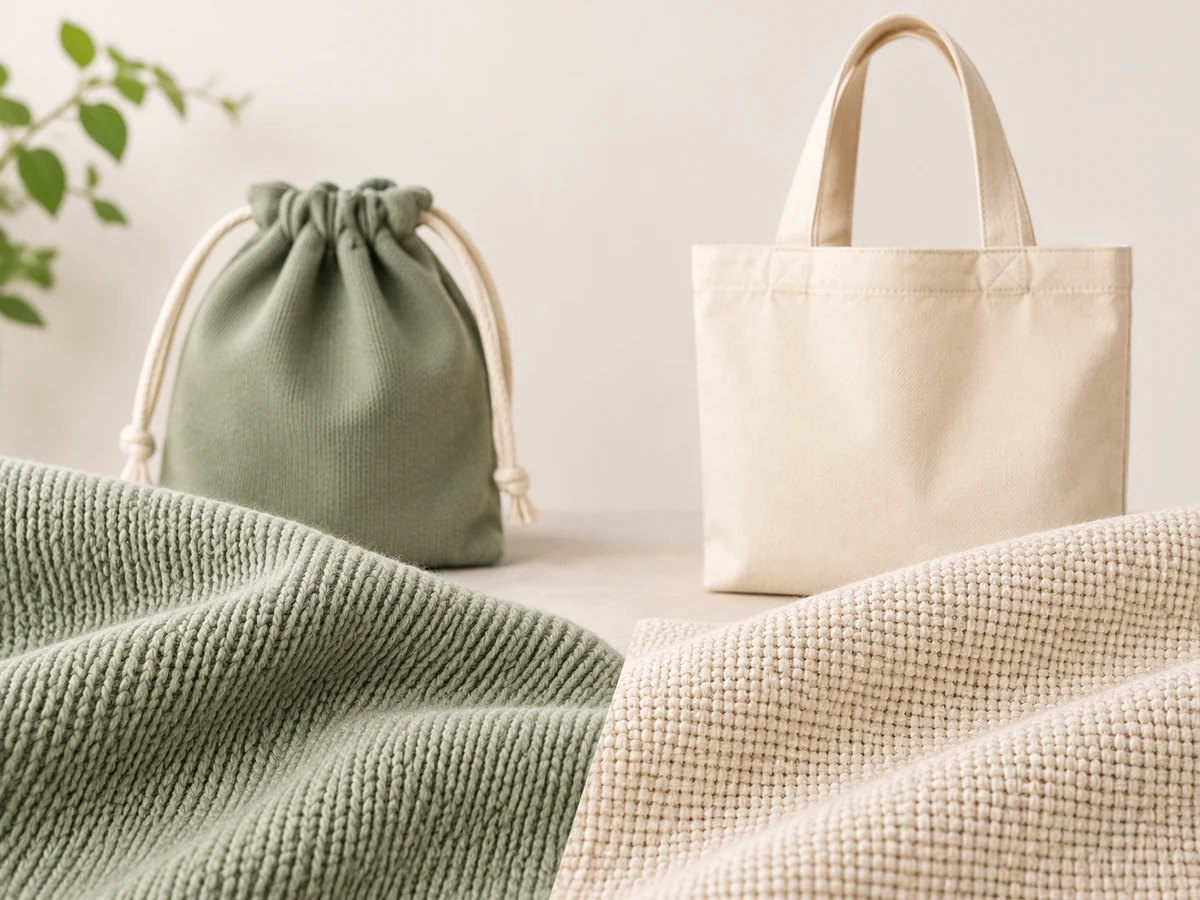
Selecting the correct construction should begin with the intended use of the finished bag.
Step 1: Identify the Intended Application
Start by determining what the bag needs to do.
Consider:
- What products will it carry?
- Will it carry heavy or lightweight items?
- Does it need to maintain a defined shape?
- Will it be folded or compressed frequently?
- Does it need ventilation?
- Will it be exposed to repeated friction?
- Is it intended for retail, promotional, storage, or travel use?
A structured cosmetic bag and a breathable produce bag have very different requirements.
The fabric should be selected according to these differences.
Step 2: Define the Required Fabric Behavior
Translate the product requirements into measurable or observable fabric characteristics.
| Product Requirement |
Relevant Fabric Property |
| Maintain a rectangular shape |
Dimensional stability and stiffness |
| Carry heavier contents |
Tensile strength, tear resistance, and seam performance |
| Fold into a compact size |
Flexibility, thickness, and crease recovery |
| Allow air circulation |
Air permeability |
| Maintain a clean appearance |
Abrasion resistance and pilling performance |
| Support detailed branding |
Surface stability and printing compatibility |
| Fit around irregular contents |
Flexibility and controlled stretch |
| Resist repeated handling |
Abrasion and seam durability |
This step prevents buyers from choosing a fabric based only on its appearance or price.
Step 3: Confirm Fiber Composition and Construction
Once the required performance is clear, specify both the fiber and the construction.
For example:
Instead of:
"Polyester fabric for a shopping bag."
Use a more detailed description:
"100% polyester woven fabric, plain-weave construction, specified GSM, suitable for screen printing, with the required dimensional stability and seam performance."
The exact specifications should be determined according to the design and target price.
For knitted products, the specification should also identify whether the material is weft-knitted or warp-knitted when that distinction is relevant.
Step 4: Evaluate Fabric Weight and Density
GSM is the mass of one square meter of fabric.
It is a useful specification, but it does not independently establish fabric quality or strength.
Two fabrics with the same GSM may perform differently because they have different yarn sizes, construction densities, and finishing treatments.
For woven fabrics, buyers may need to review ends per inch (EPI) and picks per inch (PPI), which describe the number of warp and weft yarns in a given measurement.
For weft-knitted fabrics, courses and wales per unit length can help describe the loop density.
These measurements provide more useful information than GSM alone when comparing fabrics with similar weights.
Step 5: Consider Additional Structural Components
A fabric does not always need to provide every required performance characteristic by itself.
Bag manufacturers can combine the outer fabric with additional materials to achieve the desired result.
Common components include:
- Interlining for additional body.
- Nonwoven reinforcement.
- Foam padding for cushioning.
- Polyester lining for interior finishing.
- Webbing for handles and straps.
- Reinforced bottom panels.
- Binding tape for edge finishing.
- Additional stitching at stress points.
Step 6: Evaluate Customization Requirements
Before finalizing the material, confirm the branding method.
The fabric should be compatible with the intended logo process.
For example:
- Screen printing requires suitable surface and ink compatibility.
- Sublimation requires an appropriate polyester content and printing process.
- Embroidery may require backing or stabilization, particularly on flexible materials.
- Heat transfer requires controlled temperature and pressure.
- Woven labels and sewn patches require suitable attachment areas.
A print sample or embroidery sample should be evaluated on the actual proposed fabric.
Step 7: Approve a Pre-Production Sample
A fabric swatch is useful, but a finished bag sample provides more information.
The sample should be reviewed for:
- Fabric appearance and hand feel.
- Panel dimensions.
- Stitching quality.
- Seam alignment.
- Zipper operation.
- Handle attachment.
- Shape retention.
- Logo position and appearance.
- Overall product function.
If the bag will be used for a specific carrying load, the sample should also be evaluated under representative conditions.
Only after the material and construction have been approved should the specification be released for bulk production.
Fabric Testing: What Should Buyers Check?
A fabric's name and appearance cannot guarantee its performance.
For commercial bag projects, testing provides a more objective basis for comparing materials and confirming whether they meet the intended requirements.
The appropriate test methods depend on the fabric structure and product application.
Recommended Testing Considerations
| Test Item |
What It Evaluates |
When It Is Relevant |
| Tensile Strength |
Resistance to pulling force |
Load-bearing woven fabrics |
| Tear Strength |
Resistance to tear propagation |
Bags exposed to rough handling |
| Bursting Strength |
Resistance to multidirectional pressure |
Knitted fabrics |
| Abrasion Resistance |
Surface wear under friction |
Shopping bags, backpacks, travel bags |
| Pilling Resistance |
Surface fiber ball formation |
Soft textile products |
| Air Permeability |
Air passing through the fabric |
Mesh and breathable storage bags |
| Dimensional Stability |
Measurement changes |
Products requiring consistent dimensions |
| Seam Strength |
Strength of stitched assemblies |
All sewn bag products |
| Colorfastness |
Resistance to color change or transfer |
Printed and dyed bags |
Testing standards should be selected according to the material and intended use. For example, ASTM includes different methods for woven-fabric tensile testing, knitted-fabric stretch testing, air permeability, abrasion, and pilling. A buyer should not assume that one test method applies equally to every fabric structure.
FAQ
1. Is knit fabric better than woven fabric?
Neither is universally better.Knit fabric is generally more flexible and stretchable, while woven fabric usually provides greater dimensional stability.The right choice depends on the intended product, performance requirements, and construction.For many structured bags, woven fabrics are a practical starting point. For mesh bags and flexible textile accessories, knitted fabrics may be more suitable.
2. Is cotton a knit or woven fabric?
Cotton can be either.Cotton jersey and cotton rib are knitted fabrics, while cotton canvas, cotton poplin, and cotton twill are woven fabrics.The word cotton describes the fiber, not the construction.
3. Why do knits usually stretch more?
The loops in a knit can open and shift when pulled. The amount of stretch depends on knit structure, yarn, fiber blend, finishing, and whether elastane is included. Some warp knits and double knits are comparatively stable, while a light jersey may be highly flexible. Stretch and recovery should be tested in the actual product direction.
4. Which fabric is easier to print on?
A stable woven often offers a more predictable print base, but the best method depends on fiber, surface texture, coating, color, artwork, and required durability. Knits can also be printed successfully when stretch and recovery are controlled. Approve a decorated production-representative sample.
5. What should I provide when requesting a custom quotation?
Provide the product type, finished dimensions, capacity, intended use, target load, construction preference, fiber or blend, GSM or weight, color, decoration, lining, handles, closure, packaging, quantity, destination market, and required tests or certifications. Reference images help explain the idea, but a written specification and approved sample control production more reliably.
Conclusion
Knit and woven fabric are not interchangeable labels, but neither is a universal winner. Knits use connected loops to provide flexibility, softness, stretch, and texture. Wovens use interlaced yarns to provide a broad range of stability, surface control, structure, and finishing options. Within each family, the result can change substantially with fiber, yarn, density, GSM, coating, backing, quilting, and sewing.
For a custom bag or packaging program, begin with the job the product must perform. Define load, service life, appearance, decoration, moisture exposure, cleaning, storage, and price position. Then select the construction and specify measurable details. Review complete samples, inspect the stress points, test the likely failure mode, and retain an approved physical reference.
This process is more reliable than choosing a fabric by photograph or assuming that “knit” means weak and “woven” means waterproof. INITI’s custom bag and packaging capabilities cover cotton and canvas totes, PP woven shopping bags, functional pouches, garment bags, outdoor products, storage products, and decorative bag formats. For a quotation, send the intended application, target dimensions, artwork, estimated quantity, and performance expectations so the material can be matched to the product rather than selected by a broad category name.
Related Products
Related Articles


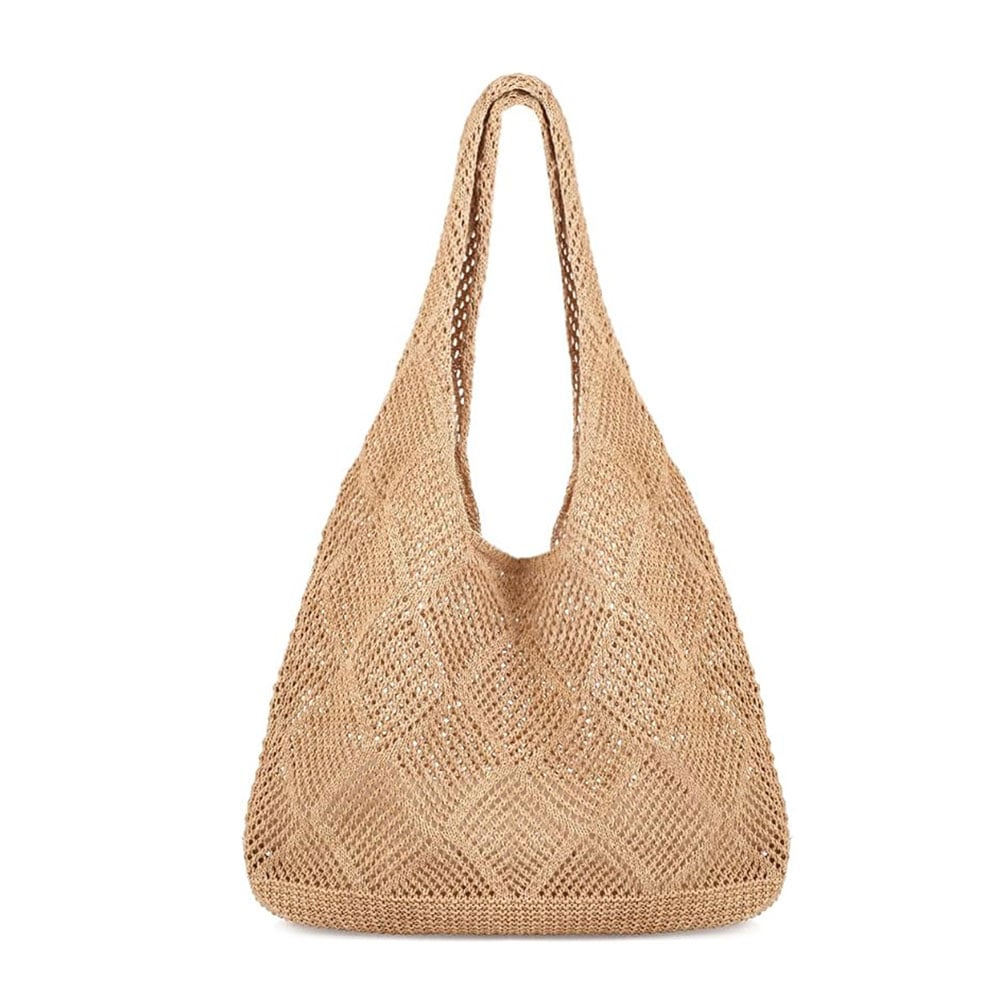
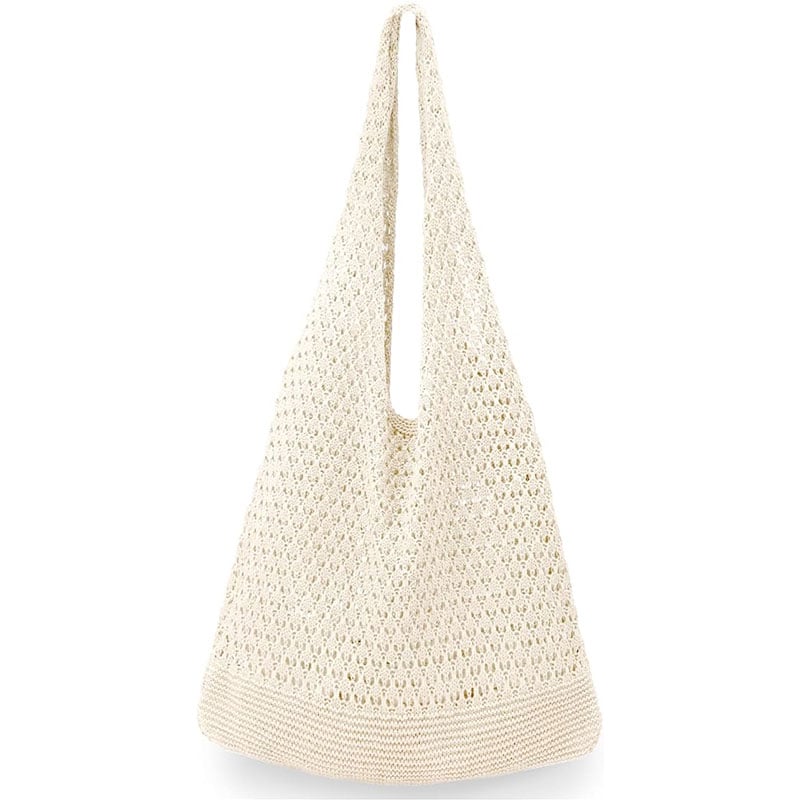
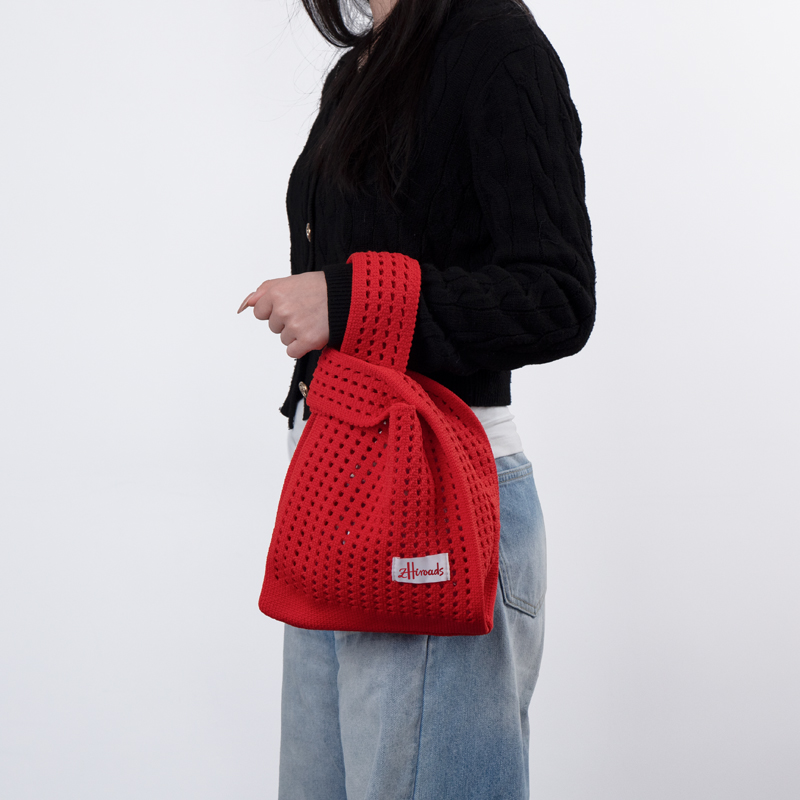
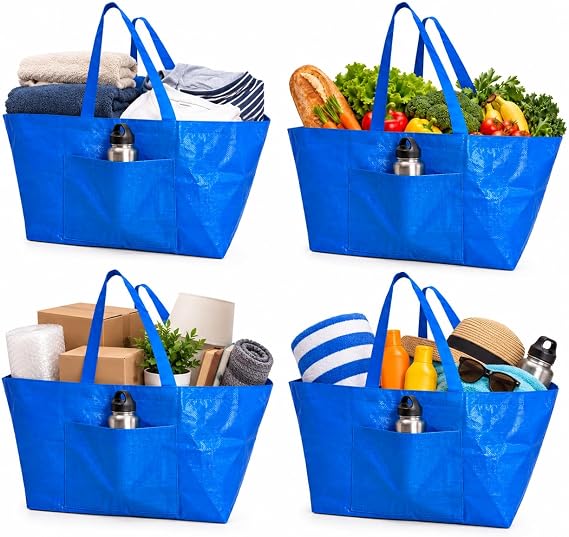
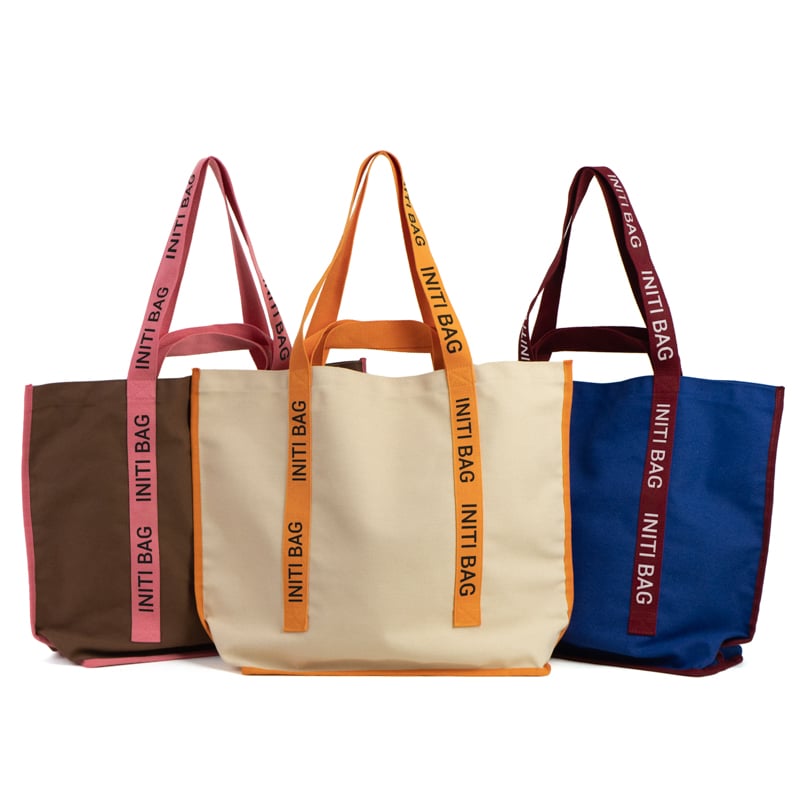
 Hot News