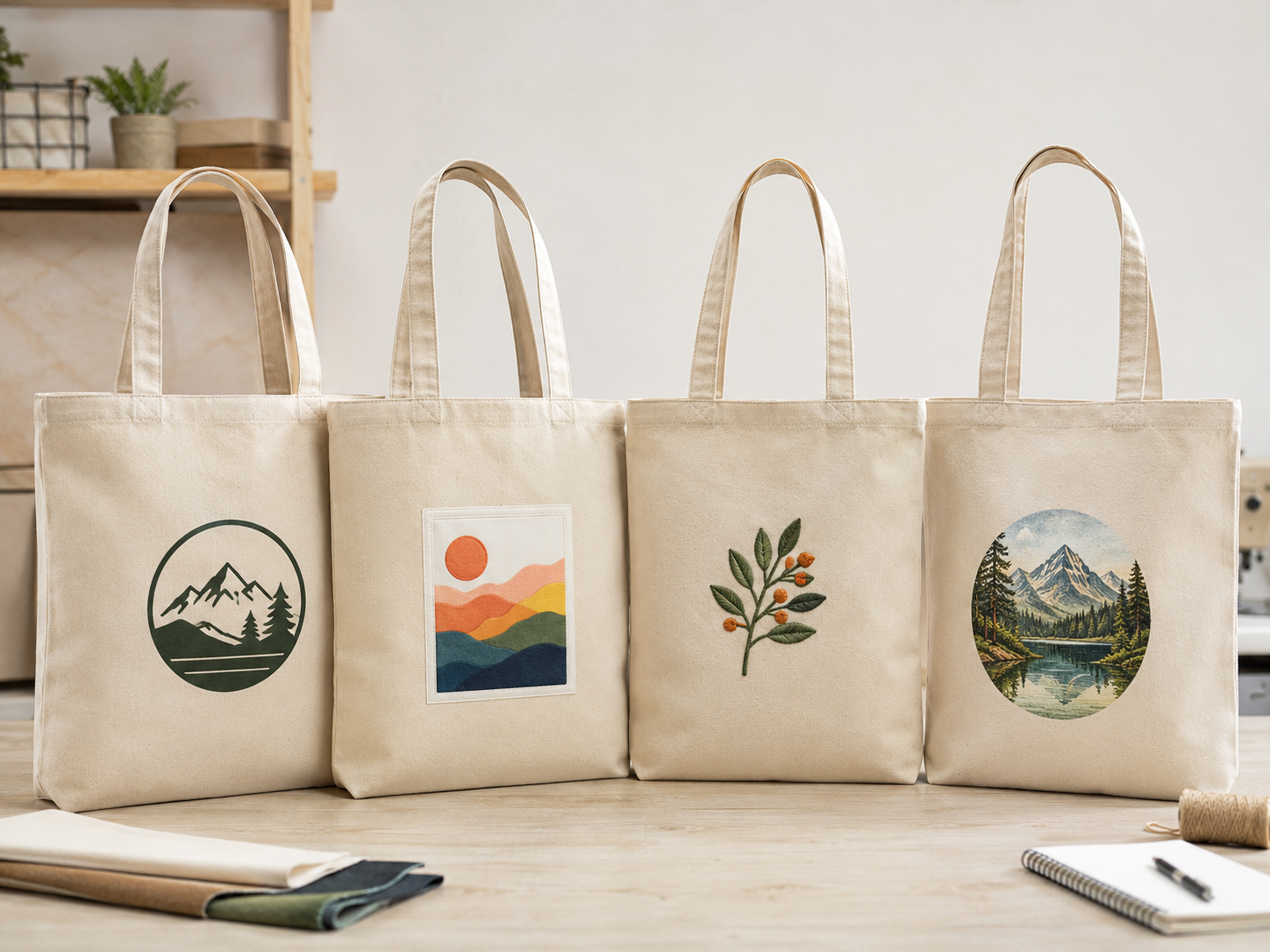
Best Logo Printing Methods for Canvas Tote Bags
Canvas tote bags are widely used for retail, events, corporate gifts, promotional campaigns and branded merchandise.
For buyers, the bag itself is only part of the project.
The logo application often determines whether the finished product looks inexpensive, promotional, premium or retail-ready.
A simple one-color logo may work best with screen printing, while a photographic design may require digital printing. A premium brand project may choose embroidery, but embroidery is not automatically suitable for every canvas tote design.
The right printing method depends on several factors:
- Logo complexity
- Number of colors
- Order quantity
- Fabric weight
- Canvas surface
- Required durability
- Budget
- Brand positioning
This guide compares the main logo decoration methods used for canvas tote bags and explains when each option makes the most sense.
1. Screen Printing
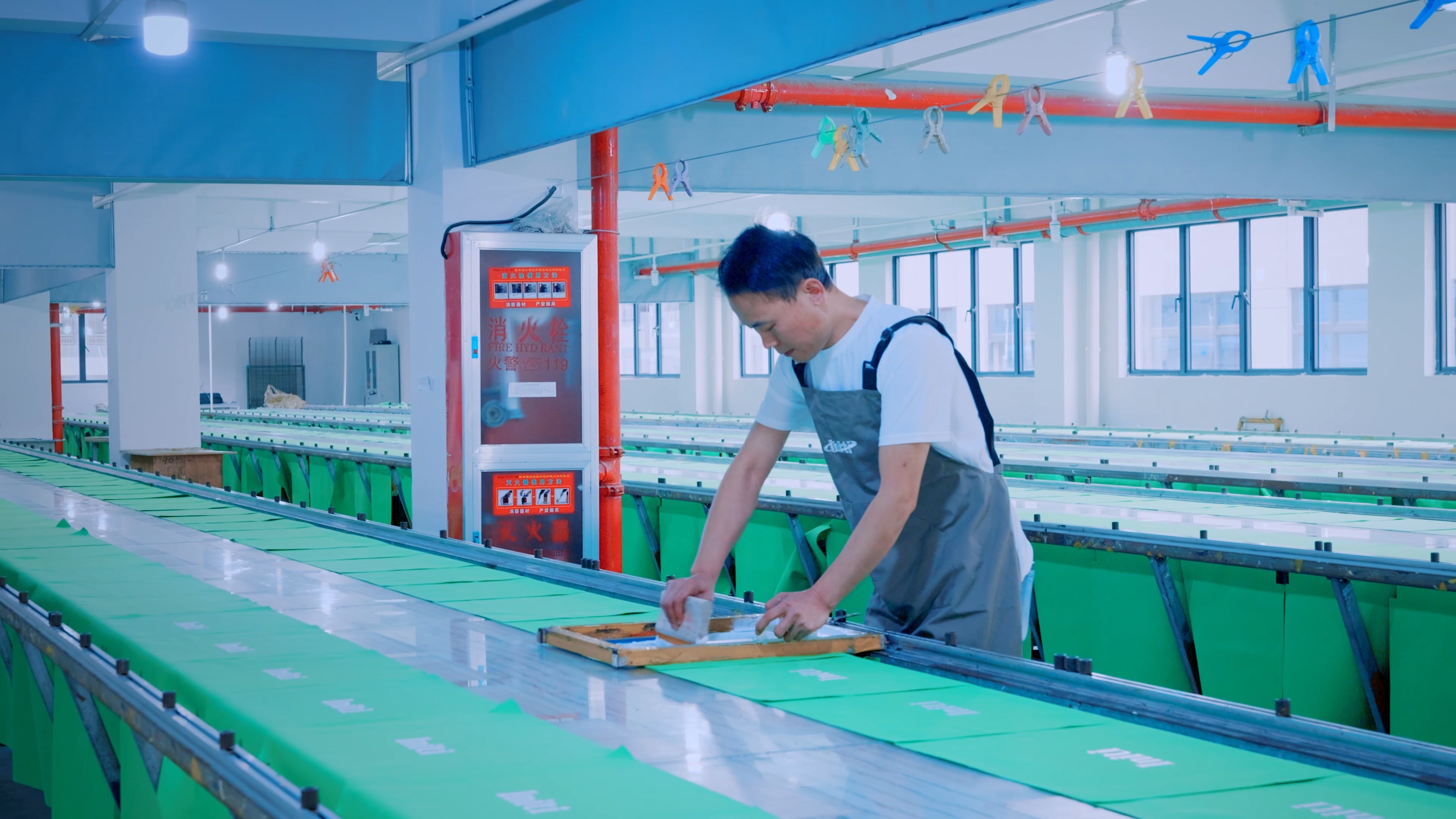
Screen printing is one of the most common logo printing methods for canvas tote bags.
It is especially suitable for simple logos, solid colors and medium to large production runs.
The process applies ink through a prepared screen onto the fabric surface. Each printing color normally requires a separate screen.
Best For
Screen printing works well for:
- Brand logos
- Text designs
- Event graphics
- Promotional campaigns
- Retail logos
- Simple illustrations
- One-color or limited-color artwork
Advantages
Good Cost Efficiency for Bulk Orders
Once the screens are prepared, screen printing becomes efficient for larger production quantities.
For this reason, it is commonly used for:
- Corporate gifts
- Retail shopping bags
- Exhibition giveaways
- Promotional campaigns
- Supermarket projects
Strong Color Coverage
Screen printing can produce strong, visible colors, especially on natural canvas and darker fabrics when the ink system is properly selected.
Suitable for Large Logo Areas
Canvas tote bags often have large flat front panels. Screen printing works well on these surfaces and can create a strong visual impact.
Limitations
Screen printing becomes less efficient when the artwork contains:
- Many colors
- Small gradients
- Photographic details
- Complex color transitions
Because each color may require separate preparation and registration, complex artwork increases cost and production difficulty.
Buyer Recommendation
Choose screen printing when the logo is:
- Simple
- Bold
- Limited in color
- Used for medium or large quantities
For many standard B2B canvas tote projects, screen printing is the most practical starting point.
2. Heat Transfer Printing
Heat transfer printing uses heat and pressure to transfer a prepared design onto the surface of the bag.
It is suitable for more detailed artwork than traditional screen printing and can support multiple colors.
Best For
Heat transfer is suitable for:
- Multicolor logos
- Detailed illustrations
- Small to medium production runs
- Promotional designs
- Fashion graphics
- Artwork with color gradients
Advantages
More Flexible for Detailed Artwork
Compared with traditional screen printing, heat transfer can reproduce more detailed graphics and complex color combinations.
Suitable for Smaller Runs
For some projects, heat transfer can be more practical when buyers need:
- Smaller quantities
- Several different designs
- More colorful artwork
Clean Graphic Appearance
When properly applied, heat transfer can create sharp edges and strong visual detail.
Limitations
The printed area may have a different surface feel from the canvas fabric.
Depending on the transfer material, buyers should evaluate:
- Flexibility
- Surface feel
- Adhesion
- Washing performance
- Edge durability
Large solid transfer areas may feel heavier or less natural than direct printing.
Buyer Recommendation
Heat transfer is a good choice when:
- The design has several colors
- Graphic detail matters
- Order volume is not extremely large
- A clean, sharp printed appearance is required
For very large solid logo areas, buyers should compare heat transfer samples with screen printing before making a final decision.
3. Digital Printing
Digital printing is suitable for detailed, colorful and image-based designs.
Unlike conventional screen printing, digital methods can reproduce complex artwork without preparing a separate screen for every color.
Best For
Digital printing works well for:
- Full-color artwork
- Illustrations
- Artistic graphics
- Gradient designs
- Photo-style images
- Limited-edition collections
Advantages
High Design Freedom
Digital printing allows buyers to use:
- Many colors
- Small details
- Gradients
- Complex graphics
This is useful for fashion, museum, art, lifestyle and creative retail projects.
Suitable for Multiple Designs
When a collection contains several artworks or seasonal graphics, digital printing may provide better flexibility than creating many different screen-printing sets.
Good for Premium Visual Projects
For brands where artwork is the main product value, digital printing provides greater design freedom.
Limitations
Digital printing may not be the most economical option for every large-volume project.
Final performance also depends on:
- Fabric preparation
- Canvas composition
- Ink system
- Surface treatment
- Required color intensity
Natural canvas texture can influence the appearance of fine details, so buyers should review actual samples.
Buyer Recommendation
Choose digital printing when the design itself is complex and visual detail is more important than achieving the lowest unit price.
It is especially suitable for:
- Creative brands
- Museum stores
- Artist collaborations
- Limited collections
- Full-color retail graphics
4. Embroidery
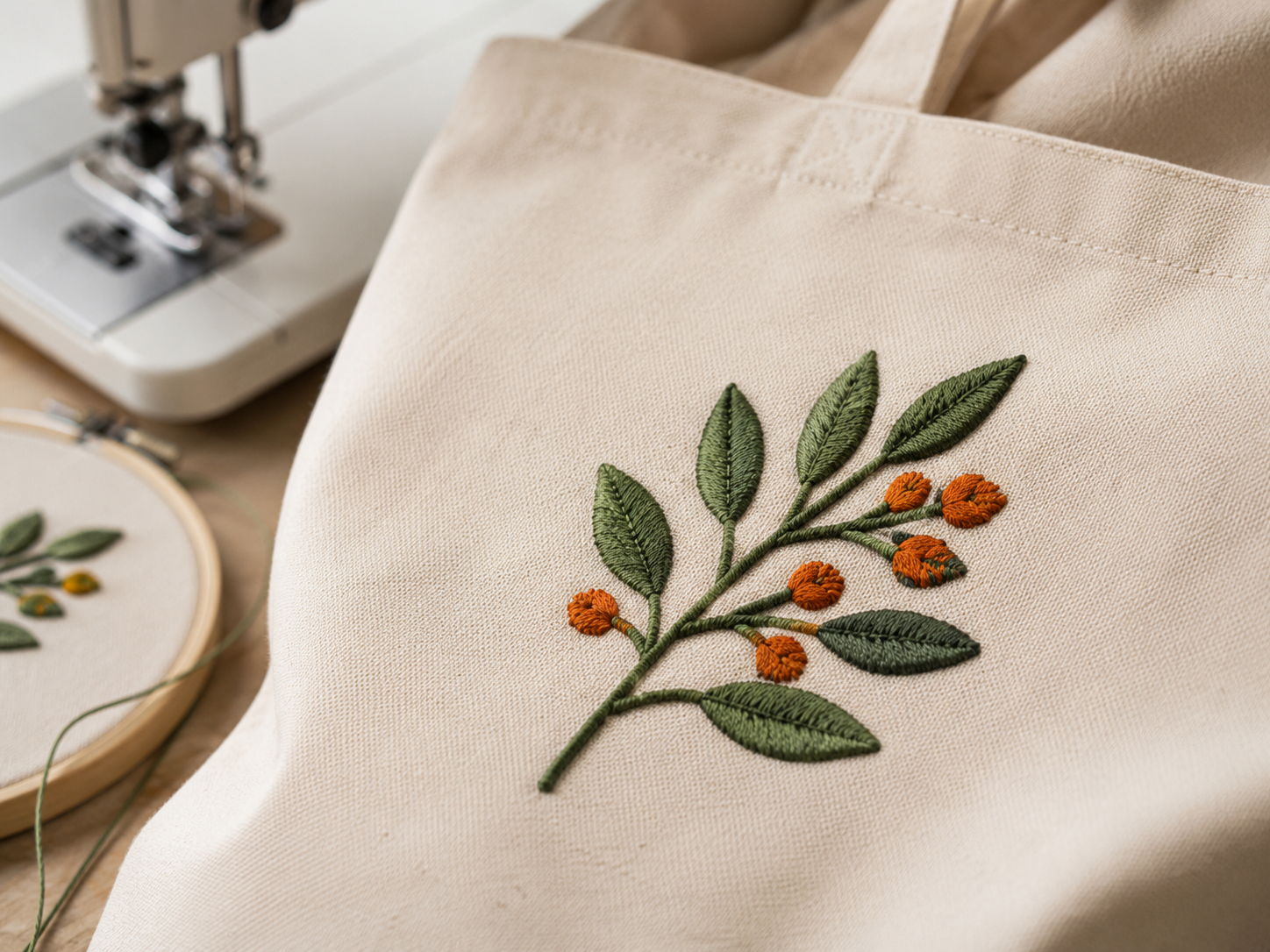
Embroidery creates the logo by stitching thread directly into the canvas fabric.
It provides a textured and premium appearance that differs significantly from printed decoration.
Best For
Embroidery is suitable for:
- Small brand logos
- Premium merchandise
- Corporate gifts
- Fashion tote bags
- Club or team branding
- Minimalist designs
Advantages
Premium Appearance
Embroidery adds visible texture and can make the bag feel more like a finished retail product than a basic promotional item.
Strong Brand Presentation
Small embroidered logos work particularly well for:
- Fashion brands
- Lifestyle collections
- Corporate gifts
- Premium events
Durable Decoration
A well-produced embroidered logo can perform well during repeated use.
Limitations
Embroidery is not suitable for every design.
It may not work well for:
- Large photographic images
- Very fine text
- Complex gradients
- Extremely large embroidery areas
Large embroidery areas can also increase:
- Cost
- Fabric stiffness
- Production time
- Bag weight
Buyer Recommendation
Use embroidery when the logo is relatively simple and the project requires a more premium positioning.
A small, clean embroidered logo often works better than filling the entire front of a canvas tote with dense embroidery.
5. Woven Labels and Sew-On Patches
Not every brand needs to print directly onto the canvas surface.
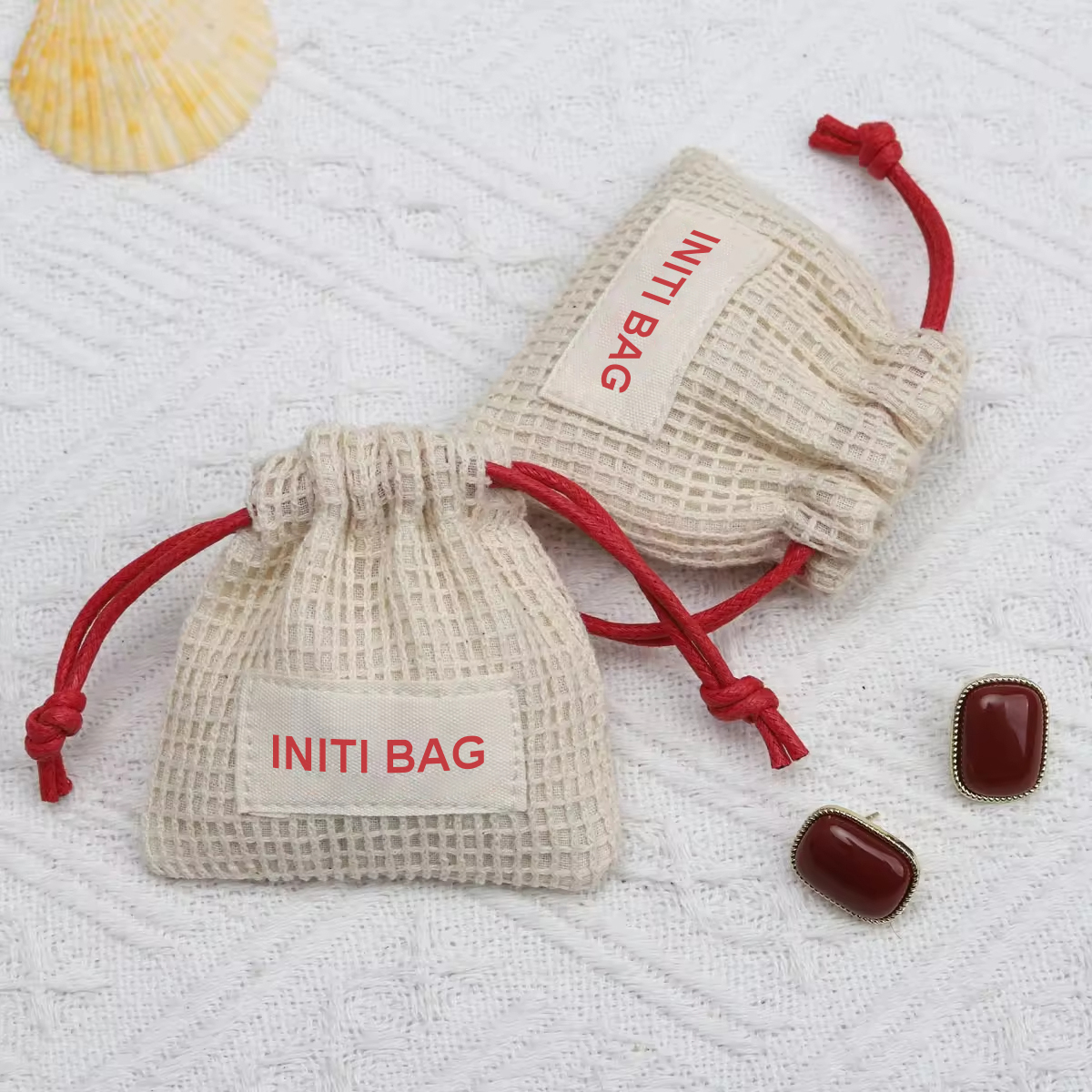
Woven labels and patches can be attached to the bag as separate branding elements.
Best For
These methods are suitable for:
- Fashion brands
- Private-label collections
- Small premium logos
- Minimalist tote bags
- Lifestyle accessories
Advantages
Strong Private-Label Appearance
A woven label can make a canvas tote feel more like a retail accessory than a promotional giveaway.
Consistent Branding Across Products
The same label can often be used across:
- Tote bags
- Cosmetic bags
- Travel bags
- Storage bags
- Accessories
This helps brands maintain consistent visual identity across a collection.
Limitations
Labels and patches are less suitable when the buyer wants a large graphic or high-impact advertising message.
They are more effective for subtle branding.
Buyer Recommendation
Choose woven labels or patches when the objective is:
- Brand identity
- Retail positioning
- Product collection consistency
rather than maximum logo visibility.
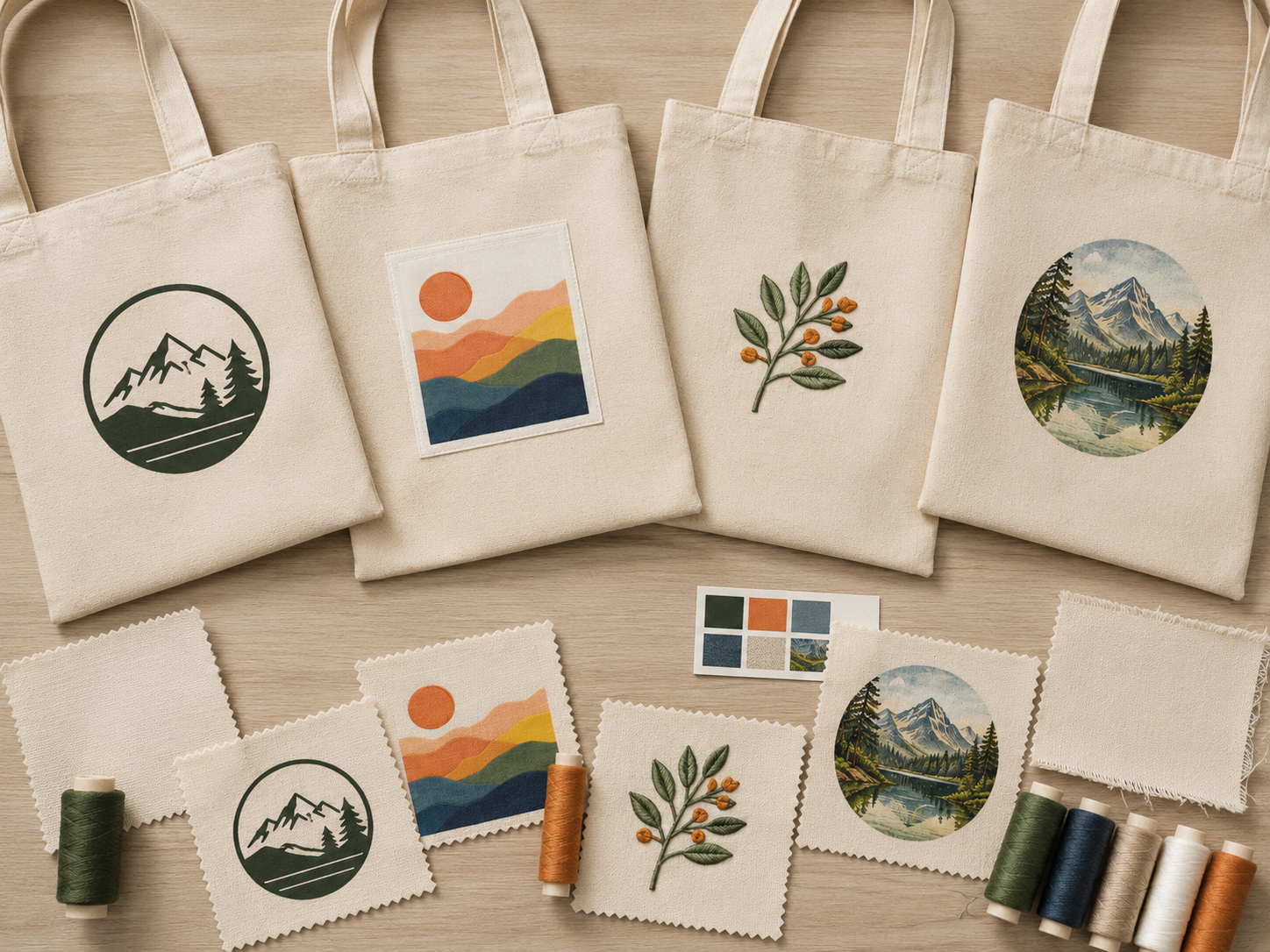
Quick Comparison of Canvas Tote Bag Logo Methods
| Printing Method |
Best For |
Color Capability |
Order Volume |
Appearance |
Cost Level |
| Screen Printing |
Simple logos and bulk orders |
Limited to moderate |
Medium to large |
Clean and bold |
Low to medium |
| Heat Transfer |
Detailed and colorful designs |
High |
Small to medium |
Sharp and modern |
Medium |
| Digital Printing |
Full-color complex artwork |
Very high |
Small to medium |
Detailed and creative |
Medium to high |
| Embroidery |
Premium logos |
Limited by thread design |
Small to large |
Textured and premium |
Medium to high |
| Woven Label |
Private-label branding |
Moderate |
Small to large |
Subtle and professional |
Medium |
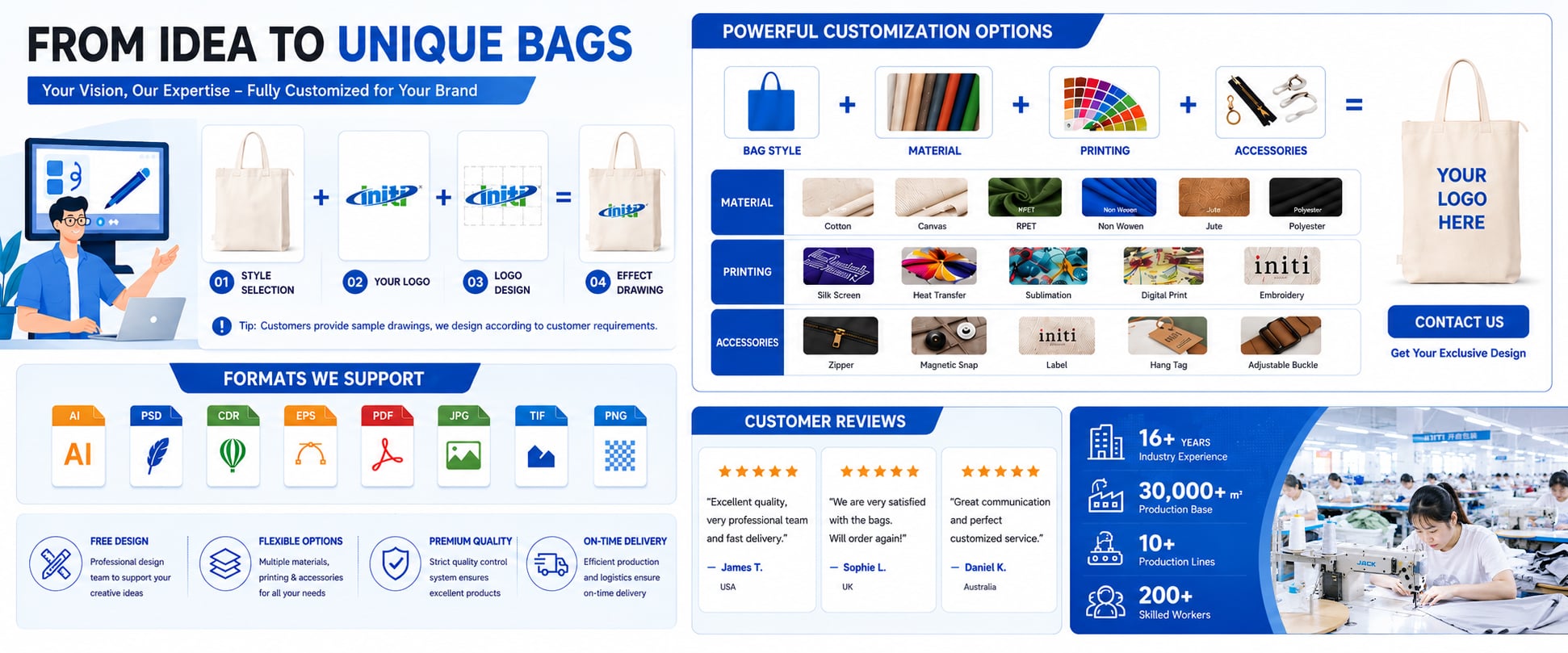
How to Choose the Right Printing Method
There is no single best logo printing method for every canvas tote bag.
The correct choice depends on the project.
For Simple One-Color Logos
Recommended:
Screen Printing
Typical applications:
- Corporate events
- Supermarket promotions
- Trade shows
- Retail shopping bags
Why:
It provides a good balance between appearance, production efficiency and cost for bulk orders.
For Multicolor Artwork
Recommended:
Heat Transfer or Digital Printing
Suitable when:
- Artwork contains many colors
- Details are important
- The design includes gradients
- Quantity is relatively limited
The final choice depends on the artwork style, canvas surface and required feel.
For Premium Branding
Recommended:
Embroidery or Woven Labels
Best for:
- Fashion brands
- Corporate gifts
- Premium retail
- Lifestyle collections
These methods provide stronger texture and a more product-oriented appearance.
For Large Promotional Campaigns
Recommended:
Screen Printing
Large campaigns usually require:
- Stable production
- Consistent logo position
- Efficient unit cost
- Fast bulk production
Simple screen-printed artwork is often the most practical solution.
For Creative Retail Collections
Recommended:
Digital Printing
This works well when the tote bag is not only packaging but also a design product.
Examples include:
- Artist collections
- Museum merchandise
- Bookstore collaborations
- Seasonal retail graphics
- Illustration-based collections
Canvas Fabric Matters Too
Logo printing should not be selected separately from the bag material.
Canvas bags can differ in:
- Fabric weight
- Cotton composition
- Surface texture
- Weave density
- Color
- Finishing treatment
These differences can affect the final printing result.
For example, a smooth, tightly woven canvas surface may show fine artwork more clearly than a coarse fabric.
Natural canvas can also create a different visual effect from dyed black or dark-colored canvas.
Before bulk production, buyers should confirm the logo on the actual selected material rather than relying only on digital artwork.
Important Sample Checks Before Bulk Production
For custom canvas tote bags, logo approval should include more than checking whether the design is correct.
Buyers should review:
Color Accuracy
Check whether the logo color matches the approved standard closely enough for the project.
Logo Position
Confirm:
- Distance from top edge
- Center alignment
- Position relative to handles
- Consistency between bags
Print Size
A logo that looks correct on a computer screen may feel too small or too large on the actual bag.
Physical sample review is important.
Edge Definition
For small text and detailed lines, check whether the edges remain clear on the canvas surface.
Adhesion and Durability
For printed methods, the logo should be evaluated according to the project's expected use and care requirements.
Fabric Distortion
For embroidery, buyers should check whether the stitching creates unwanted puckering or deformation.
Common Buyer Mistakes
Choosing the Cheapest Method Without Considering Artwork
A low-cost method may not reproduce complex artwork correctly.
Using Too Many Colors for a Large Screen-Printing Order
Multiple colors increase production complexity and cost.
Simplifying artwork can often improve both consistency and budget control.
Making the Logo Too Large
A large logo is not always more effective.
Very large printing areas may:
- Increase cost
- Affect surface feel
- Increase printing difficulty
- Reduce the bag's premium appearance
Ignoring Canvas Texture
Detailed artwork may lose clarity on rougher fabric surfaces.
Approving Only a Digital Mockup
A digital rendering cannot fully represent:
- Ink absorption
- Fabric texture
- Real color
- Surface feel
- Embroidery thickness
Physical sampling is important for branded projects.
Recommended Printing Methods by Buyer Type
| Buyer Type |
Recommended Methods |
| Supermarkets |
Screen printing |
| Promotional Companies |
Screen printing, heat transfer |
| Fashion Brands |
Embroidery, woven label, digital printing |
| Corporate Gift Buyers |
Screen printing, embroidery |
| Museums and Art Stores |
Digital printing |
| Retail Brands |
Screen printing, embroidery, woven label |
| Event Organizers |
Screen printing, heat transfer |
| E-commerce Brands |
Heat transfer, digital printing, woven label |
Our Recommendation
For most canvas tote bag buyers, the decision can be simplified:
Choose Screen Printing When:
- Quantity is large
- Logo is simple
- Cost efficiency matters
- Strong branding visibility is required
Choose Heat Transfer When:
- Artwork contains multiple colors
- Detail is important
- Order volume is moderate
Choose Digital Printing When:
- Artwork is complex
- Full-color printing is required
- The design is a major part of the product
Choose Embroidery When:
- Premium appearance matters
- The logo is relatively simple
- The tote bag is positioned as a retail accessory
Choose Woven Labels When:
- Branding should be subtle
- The product is part of a private-label collection
Why Work With INITI for Custom Canvas Tote Bags
The best printing method depends on more than the logo file. Canvas weight, fabric texture, bag color, order quantity and target positioning all influence the final result.
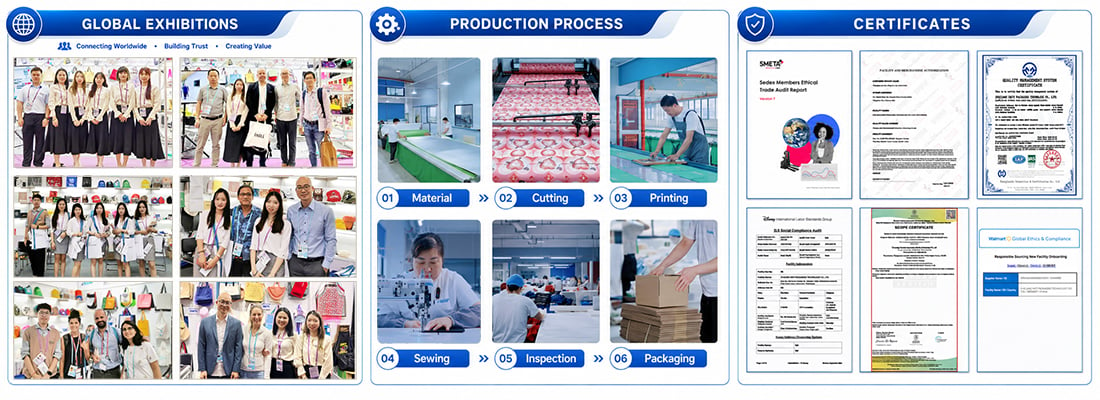
INITI supports custom canvas tote bag projects from fabric selection and bag structure development to logo sampling, color checking, bulk production and final inspection.
With more than 16 years of manufacturing experience, two factory buildings and experience supporting international brands and large-scale custom projects, we work with retailers, importers, distributors, promotional companies and brand owners.
Our production and quality systems include support related to SEDEX, DISNEY, GRS, HIGG and ISO9001, helping buyers manage custom bag projects with more stable material, printing and bulk production control.
FAQ
What is the most common printing method for canvas tote bags?
Screen printing is one of the most common choices, especially for simple logos and medium to large bulk orders.
Can full-color images be printed on canvas tote bags?
Yes. Digital printing or selected heat transfer methods are more suitable for complex, full-color artwork.
Is embroidery suitable for large logos?
It is possible, but large embroidery areas can increase cost, stiffness and production time. Embroidery is often more effective for smaller premium logos.
Which method is best for a low-cost promotional tote bag?
For simple artwork and larger quantities, screen printing is usually the most practical option.
Can the same logo use different printing methods on different bags?
Yes. A brand may use screen printing for promotional bags and embroidery or woven labels for premium retail collections.
Should buyers approve a physical sample before bulk production?
For custom branded projects, physical sample approval is strongly recommended because fabric texture, color, logo size and printing feel are difficult to judge accurately from digital artwork alone.
Conclusion
The best logo printing method for a canvas tote bag depends on the project rather than one universal answer.
For most bulk promotional and retail projects, screen printing offers a practical balance of cost, visibility and production efficiency.
For detailed graphics, heat transfer and digital printing provide more design flexibility.
For premium and private-label projects, embroidery and woven labels can create a more refined appearance.
The correct decision should consider five factors:
design complexity, color count, order quantity, canvas surface and target brand positioning.
For buyers, the goal is not simply to choose the most advanced printing method. It is to choose the method that fits the artwork, product and commercial purpose of the canvas tote bag.


 Hot News