Introduction
Wine packaging is not only used to carry a bottle. It also influences product presentation, customer experience, brand visibility and perceived value.
For wineries, wine retailers, gift suppliers, supermarkets, hotels and corporate buyers, two of the most common options are canvas wine bags and paper wine bags.
Both can be customized with logos, colors and handles, but they serve different purchasing needs.
A paper wine bag is usually more suitable for short-term retail packaging, event distribution and cost-sensitive orders. A canvas wine bag provides greater durability, higher reuse value and a more premium brand presentation.
The better option depends on the product positioning, target customer, order quantity, budget and expected use.
Quick Comparison: Canvas Wine Bag vs Paper Wine Bag
| Comparison Factor |
Canvas Wine Bag |
Paper Wine Bag |
| Durability |
High |
Low to medium |
| Reusability |
Suitable for repeated use |
Usually limited reuse |
| Product Positioning |
Premium, natural and gift-oriented |
Retail, promotional and cost-effective |
| Moisture Resistance |
Better, depending on fabric and coating |
Limited unless laminated or treated |
| Printing Options |
Screen printing, heat transfer, embroidery, digital printing |
Offset printing, flexographic printing, foil stamping, UV printing |
| Load Capacity |
Stronger for heavier bottles |
Depends on paper thickness and handle reinforcement |
| Storage Space |
Can be folded, but fabric is thicker |
Flat-packed and space-efficient |
| Unit Cost |
Generally higher |
Generally lower |
| Custom Structure |
Dividers, drawstrings, padding and pockets |
Windows, handles, reinforced tops and cardboard bases |
| Brand Exposure |
Long-term exposure through reuse |
Mainly during purchase and gifting |
| Best For |
Premium wine, corporate gifts, reusable packaging |
Retail checkout, events and short-term gifting |
What Is a Canvas Wine Bag?
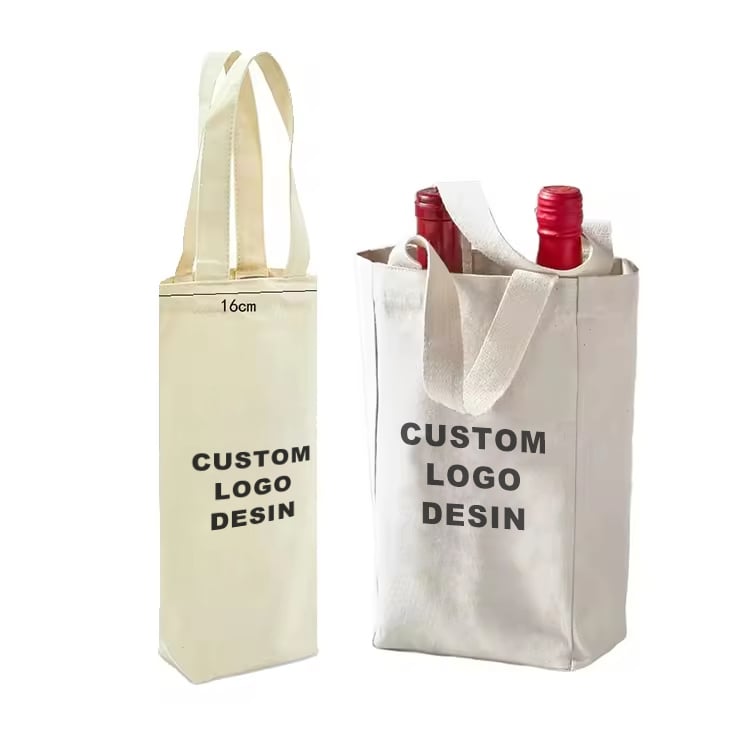
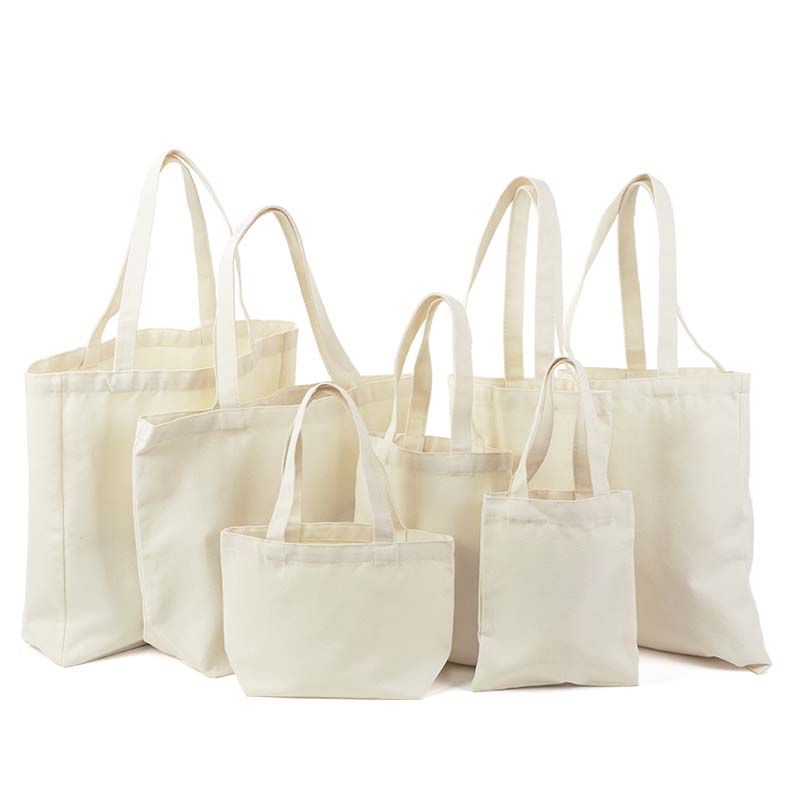
A canvas wine bag is a reusable bottle carrier made from cotton canvas, recycled cotton, polyester canvas or blended fabric.
It may be designed for one bottle, two bottles, four bottles or multiple bottles. Depending on the intended use, the bag can include:
- Reinforced cotton handles
- Drawstring closures
- Internal dividers
- Padded lining
- Flat bottoms
- Gussets
- Window panels
- Printed or embroidered logos
- Custom labels and hangtags
Canvas wine bags are commonly used by wineries, wine clubs, premium retailers, hotels, gift suppliers and corporate event organizers.
They are particularly suitable when buyers want the packaging to remain useful after the wine has been consumed.
What Is a Paper Wine Bag?
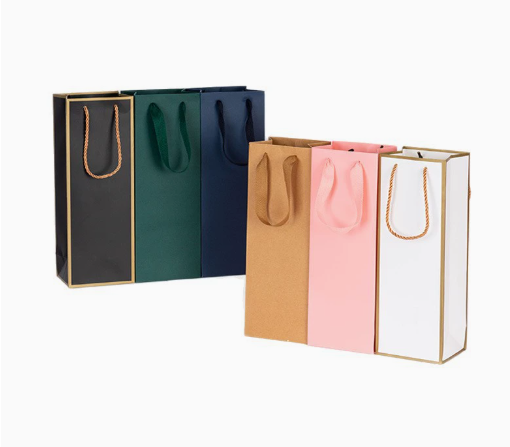
A paper wine bag is a bottle-shaped carrier made from kraft paper, coated paper, art paper or other packaging paper.
It is usually designed for one bottle, although double-bottle and multi-bottle structures are also available.
Common customization options include:
- Twisted paper handles
- Cotton rope handles
- Ribbon handles
- Reinforced top cards
- Cardboard bottom inserts
- Die-cut windows
- Foil stamping
- Spot UV
- Embossing
- Matte or gloss lamination
- Full-color logo printing
Paper wine bags are widely used in supermarkets, liquor stores, wineries, restaurants, exhibitions, seasonal promotions and gift shops.
Their main advantages are low cost, compact storage and strong graphic presentation.
1. Durability and Load-Bearing Performance
Canvas wine bags are generally stronger than paper wine bags.
A wine bottle is relatively heavy, and the packaging must support the bottle during carrying, transportation and gifting. Canvas fabric can withstand repeated handling, folding and friction more effectively than paper.
A properly designed canvas wine bag may use:
- Heavyweight fabric
- Reinforced handle stitching
- Box stitching or cross stitching
- Double-layer bottoms
- Internal dividers
- Additional lining
These features make canvas suitable for heavier bottles and repeated use.
Paper wine bags can also carry wine bottles safely, but their strength depends heavily on:
- Paper weight
- Handle attachment
- Bottom reinforcement
- Side and bottom gluing
- Humidity exposure
- Bottle weight
For paper wine bags, buyers should not evaluate only the paper thickness. The handle, reinforced top and bottom construction are equally important.
Better Choice for Durability
Canvas wine bags are the stronger option for repeated carrying, premium products and long-term customer use.
2. Cost and Large-Volume Purchasing
Paper wine bags usually have a lower unit cost than canvas bags, especially for large retail orders.
They can be produced efficiently, packed flat and shipped in relatively compact cartons. This makes them suitable for:
- Supermarket campaigns
- Liquor store checkout packaging
- Seasonal promotions
- Trade shows
- Short-term retail programs
- High-volume gifting
Canvas wine bags require fabric cutting, sewing, handle attachment and more manual production steps. Therefore, their unit price is usually higher.
However, buyers should also consider the value per use.
A paper wine bag may be used only once or a few times, while a canvas wine bag may continue to be used for shopping, bottle storage, gifting or household organization.
Better Choice for Initial Cost
Paper wine bags are usually better for price-sensitive and high-volume projects.
Better Choice for Long-Term Value
Canvas wine bags may provide better value when reuse and long-term brand visibility are important.
3. Brand Presentation and Perceived Value
Packaging affects how customers perceive the wine.
Canvas wine bags create a natural, tactile and reusable presentation. They are particularly suitable for:
- Premium wine brands
- Organic wineries
- Boutique retailers
- Corporate gift sets
- Holiday gifts
- Wine club subscriptions
- Sustainable promotional programs
Natural cotton canvas can communicate simplicity and craftsmanship, while dyed canvas can create a more modern or luxury appearance.
Paper wine bags offer greater flexibility for detailed graphics and high-resolution printing. They are suitable when buyers want:
- Full-color artwork
- Seasonal graphics
- Product photography
- Foil-stamped logos
- Premium coated surfaces
- Consistent retail branding
A high-quality paper wine bag with thick paper, rope handles and foil stamping can still provide an upscale appearance.
Better Choice for Natural and Reusable Branding
Canvas wine bags.
Better Choice for Detailed Graphic Printing
Paper wine bags.
4. Customization Options
Both options can be highly customized, but the available processes differ.
Canvas Wine Bag Customization
Common options include:
- Screen printing
- Heat transfer printing
- Digital printing
- Embroidery
- Woven labels
- Leather or PU patches
- Drawstring closures
- Cotton webbing handles
- Internal bottle dividers
- Padded structures
- Custom lining
- Multiple bottle compartments
Canvas bags are suitable for simple logos, natural branding and functional structural development.
Paper Wine Bag Customization
Common options include:
- Offset printing
- Flexographic printing
- Pantone color printing
- Foil stamping
- Embossing and debossing
- Spot UV
- Matte lamination
- Gloss lamination
- Die-cut windows
- Ribbon or rope handles
- Reinforced cardboard bottoms
Paper bags provide more opportunities for high-detail surface graphics and luxury finishing.
5. Sustainability Considerations
Neither material should automatically be described as the most sustainable option in every situation.
The environmental performance depends on:
- Material origin
- Product weight
- Manufacturing process
- Printing and coating
- Transportation
- Number of uses
- Recycling availability
- End-of-life treatment
Canvas Wine Bags
Canvas bags can offer strong reuse value. However, heavier fabric also requires more material and increases shipping weight.
Their environmental advantage becomes clearer when customers use them repeatedly.
Buyers can improve the sustainability profile by selecting:
- Recycled cotton
- Certified organic cotton
- RPET canvas
- Undyed natural fabric
- Water-based printing
- Simplified structures
- Fewer mixed-material accessories
Paper Wine Bags
Paper bags are lightweight and can be efficiently flat-packed. Uncoated paper structures may also be easier to recycle in suitable local systems.
However, plastic lamination, metallic foil, rope handles, windows and mixed-material decorations may reduce recyclability.
Buyers seeking a simpler paper structure can consider:
- Recycled kraft paper
- FSC-certified paper
- Paper handles
- Water-based inks
- No lamination
- Minimal foil decoration
- Easily removable reinforcement boards
Important Purchasing Principle
A reusable canvas wine bag is not automatically more sustainable if it is used only once. Similarly, a paper wine bag is not automatically recyclable if it contains difficult-to-separate coatings and accessories.
Environmental claims should be based on the actual material, structure and expected usage.
6. Moisture and Weather Resistance
Canvas performs better than ordinary paper when exposed to light moisture.
A canvas wine bag can usually tolerate minor splashes and humid conditions, although untreated cotton is not fully waterproof.
Optional treatments include:
- Water-resistant coating
- Waxed canvas
- RPET lining
- Laminated lining
- Waterproof internal layer
Paper wine bags are more vulnerable to rain, condensation and wet bottle surfaces.
Lamination can improve moisture resistance, but it may also make recycling more complicated.
Better Choice for Moist Conditions
Canvas wine bags generally provide better protection.
7. Storage, Packing and Shipping
Paper wine bags are normally delivered flat, making them efficient for warehouse storage and carton loading.
This is useful for retailers that need to store thousands of bags near checkout areas.
Canvas bags can also be folded flat, but the fabric and handles create more volume. Padded or structured canvas wine bags require even more carton space.
For international buyers, shipping efficiency may significantly affect the final landed cost.
Before ordering, buyers should compare:
- Pieces per carton
- Carton dimensions
- Gross weight
- Storage requirements
- Packing method
- Estimated freight cost
Better Choice for Compact Storage
Paper wine bags.
Which Wine Bag Is Better for Different Buyers?
Wineries and Wine Clubs
Canvas wine bags are suitable for membership gifts, tasting events and repeat customer programs. Paper bags are useful for daily bottle sales and seasonal promotions.
Supermarkets and Liquor Stores
Paper wine bags are generally more practical for checkout use because of their lower cost and compact storage.
Reusable canvas wine bags can be sold as a premium accessory or used for loyalty campaigns.
Corporate Gift Suppliers
Canvas wine bags are often better for premium gift sets because they provide greater reuse value and can be combined with embroidery, custom labels and multi-bottle structures.
Hotels and Restaurants
Paper bags are suitable for takeaway wine packaging. Canvas bags can support premium guest gifts, branded events and special wine packages.
Promotional Companies
The right option depends on the campaign objective. Paper bags are suitable for short-duration events, while canvas bags are better for campaigns requiring longer brand exposure.
How to Choose the Right Option
Choose a canvas wine bag when:
- The wine is positioned as premium
- Reuse is an important part of the project
- The bag needs stronger load-bearing performance
- The buyer wants long-term logo visibility
- The packaging is part of a corporate gift
- Additional compartments or padding are required
Choose a paper wine bag when:
- Unit cost is the main priority
- The order quantity is large
- The bag is mainly used at retail checkout
- Full-color printing is required
- Warehouse space is limited
- The campaign is seasonal or short-term
- Fast distribution is more important than long-term reuse
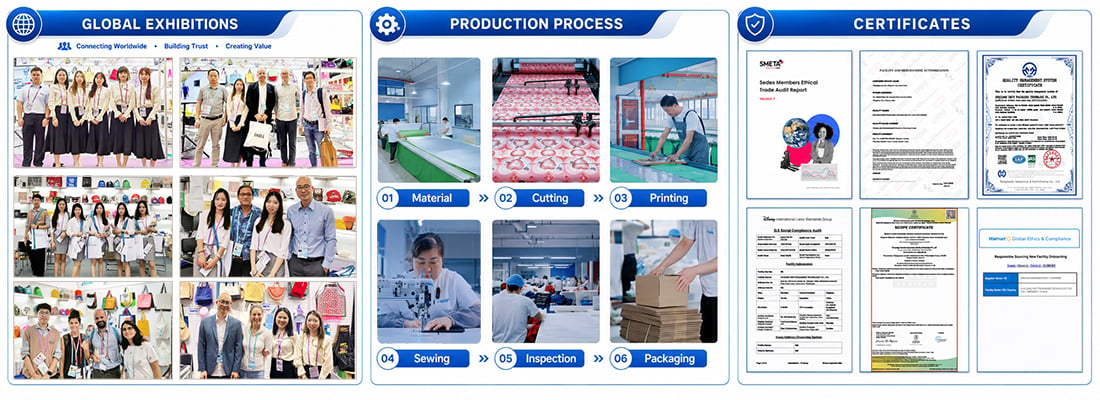
Sustainable Wine Packaging Solutions from Hangzhou INITI Imp&Exp Co., Ltd.
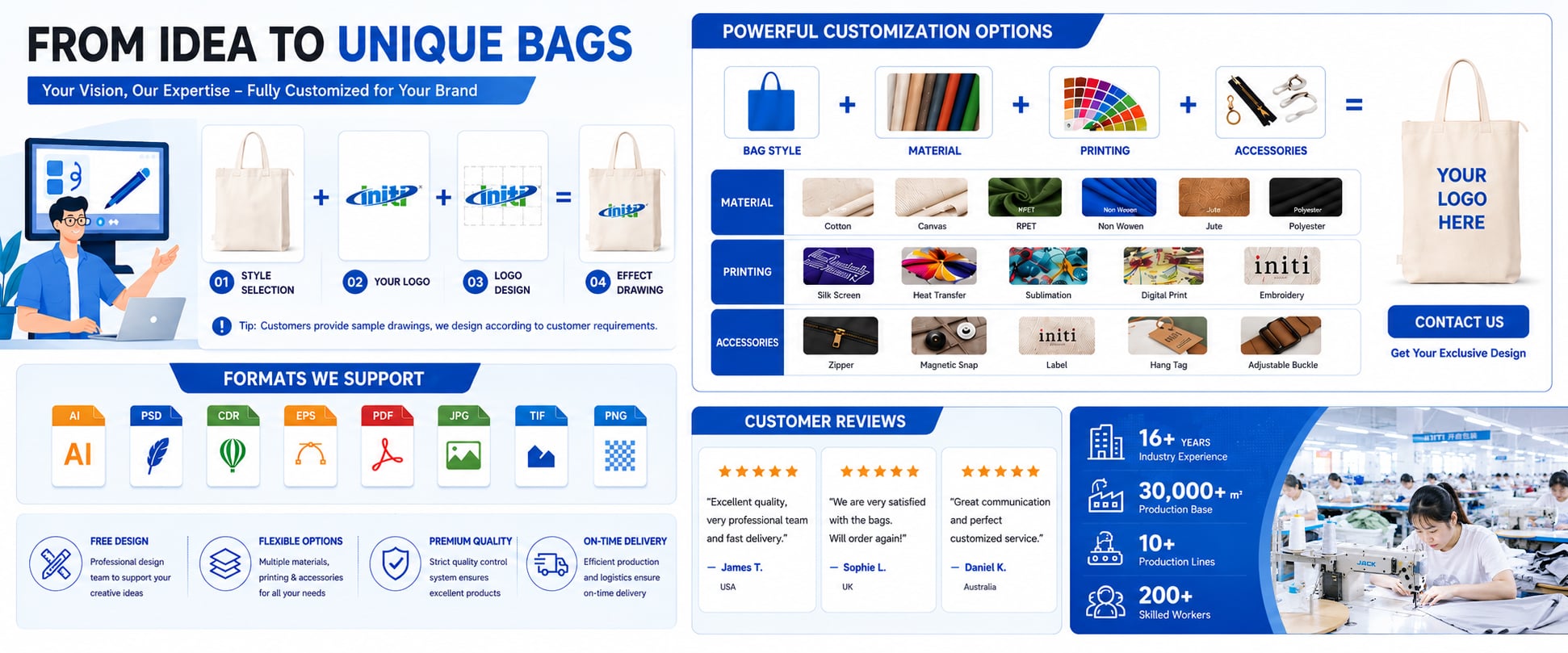
Hangzhou INITI Imp&Exp Co., Ltd. provides custom wine bags and gift packaging solutions for wineries, retailers, gift suppliers, importers, distributors, promotional companies and corporate buyers.
With more than 16 years of OEM and ODM experience, we support projects from material selection and structural development to sampling, printing, quality inspection and bulk production.
Our relevant products include:
Our production and quality systems are supported by certification and audit experience including GRS, SEDEX, DISNEY, HIGG and ISO 9001.
Buyers can customize the bag material, dimensions, bottle capacity, handle structure, reinforcement, printing, embroidery, lining, packaging and carton specifications.
For sustainability-focused projects, we can also assist with recycled material options, simplified structures, reduced packaging and more accurate material communication.
Conclusion
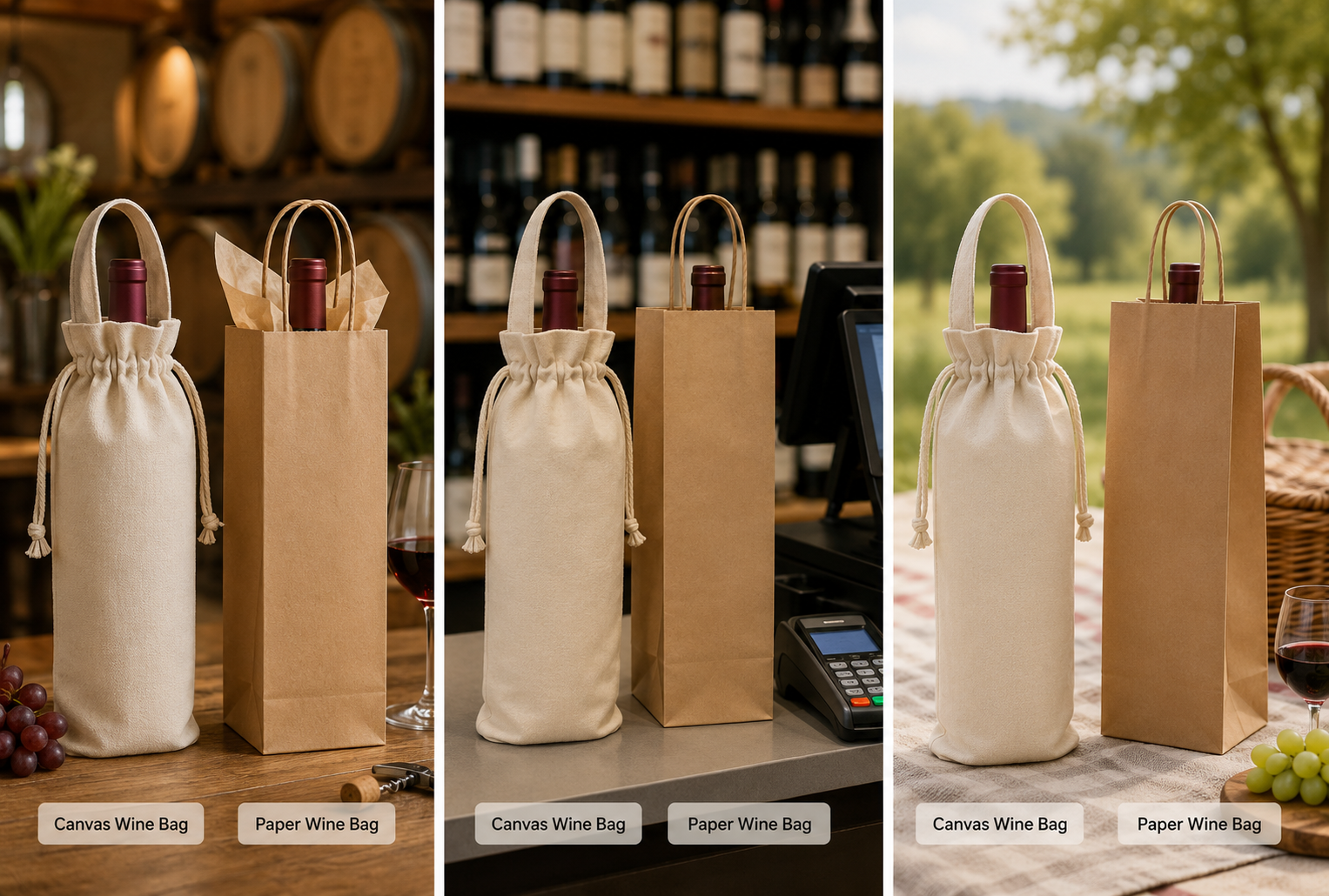
Canvas wine bags and paper wine bags are not direct substitutes in every project.
A paper wine bag is usually better for large-volume retail packaging, compact storage, detailed printing and lower initial cost.
A canvas wine bag is usually better for durability, repeated use, premium gifting and long-term brand exposure.
The right choice should be based on the expected number of uses, product positioning, shipping cost, customization requirements and target customer.
For many wine brands, the most practical strategy is to use both: paper wine bags for everyday retail sales and reusable canvas wine bags for premium gifts, loyalty programs and promotional campaigns.


 Hot News