Reusable Shopping Bag Materials: Polyester, Nylon, RPET and Cotton
Reusable shopping bags are used across supermarkets, fashion retailers, promotional campaigns, travel brands, corporate gifting, events, and lifestyle collections.
But choosing a reusable bag is not only about selecting a shape and adding a logo.
The material affects:
- Bag weight
- Carrying performance
- Foldability
- Surface appearance
- Logo printing
- Customer perception
- Retail price position
- Sustainability communication
- Production cost
Four of the most common materials are:
- Polyester
- Nylon
- RPET
- Cotton
Each material has clear advantages, but none is automatically the best for every project.
A supermarket reusable bag, a travel foldable tote, a corporate eco gift, and a premium lifestyle shopping bag may all require different materials.
This guide compares polyester, nylon, RPET, and cotton from a B2B purchasing perspective.
Quick Material Comparison
| Material |
Main Advantage |
Weight |
Foldability |
Brand Positioning |
Best Use |
| Polyester |
Cost-performance balance |
Light |
Very good |
Retail and promotion |
Shopping, events, supermarkets |
| Nylon |
Lightweight and compact |
Very light |
Excellent |
Travel and lifestyle |
Foldable bags, travel, sports |
| RPET |
Recycled-material story |
Light |
Good to very good |
Sustainability-focused |
Retail, supermarkets, corporate campaigns |
| Cotton |
Natural look and feel |
Medium to heavy |
Limited with thick fabric |
Natural and premium lifestyle |
Retail, gifts, brands |
The simple buying conclusion is:
Choose polyester for versatility and cost control.
Choose nylon for lightweight and compact folding.
Choose RPET for recycled-material positioning.
Choose cotton for natural appearance and stronger lifestyle presentation.
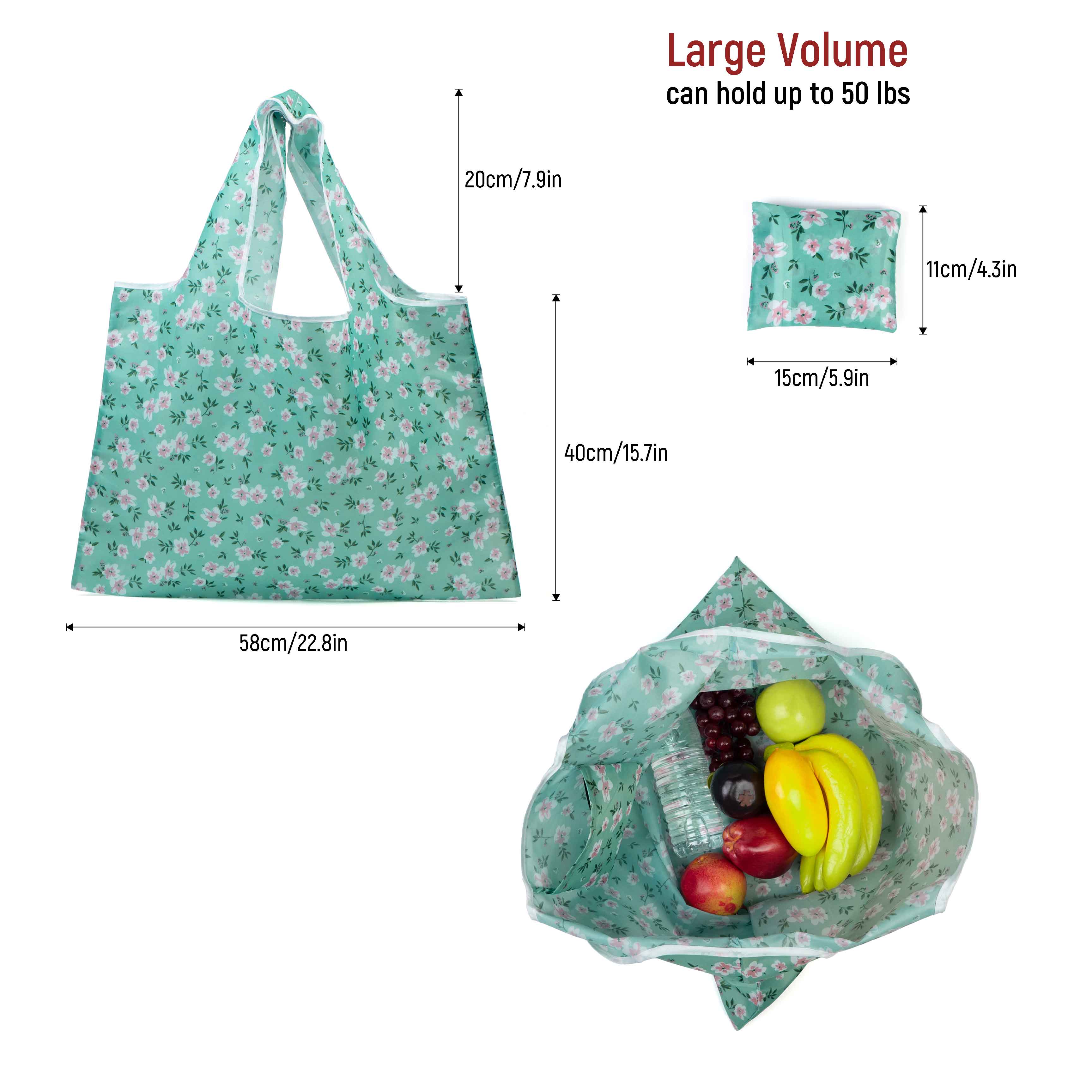
Polyester is one of the most widely used materials for reusable shopping bags.
It can be developed into:
- Foldable shopping bags
- Tote bags
- Grocery bags
- Promotional bags
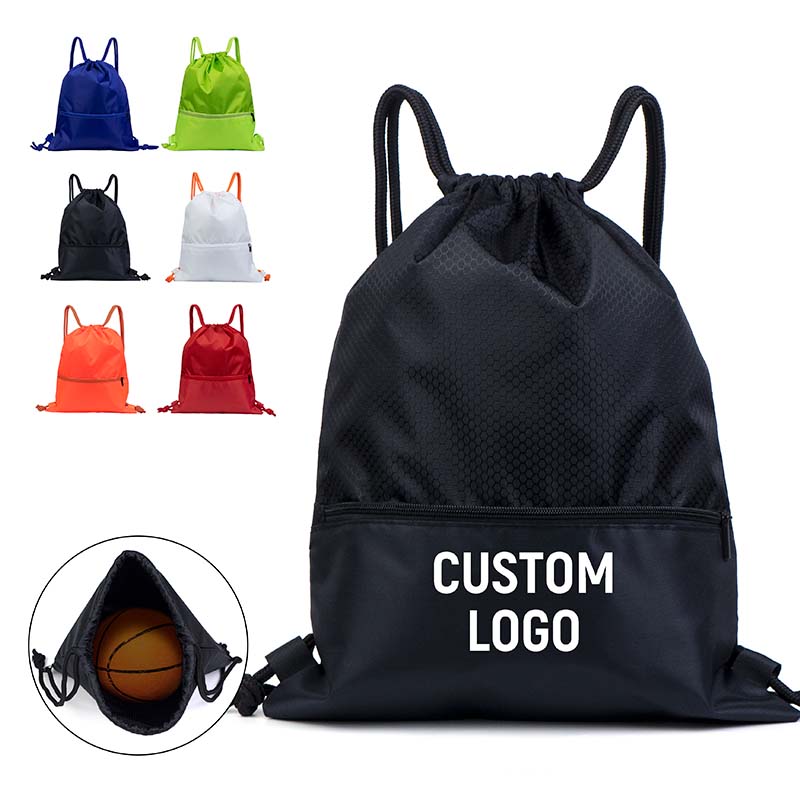
- Drawstring bags
- Event bags
- Travel shopping bags
The material offers a practical balance between weight, durability, printing, and cost.
Why Buyers Choose Polyester
Polyester is often selected because it provides:
- Lightweight construction
- Good folding performance
- Broad color options
- Flexible printing methods
- Fast drying
- Practical daily-use performance
- Competitive cost positioning
For large promotional campaigns or supermarket programs, polyester can provide a good balance between usable quality and project budget.
Best Applications
Polyester reusable bags are suitable for:
- Supermarket programs
- Promotional campaigns
- Trade shows
- Corporate giveaways
- Retail shopping
- Events
- School programs
- Daily reusable bags
Buyer Considerations
Not all polyester fabrics are the same.
Buyers should confirm:
- Fabric weight
- Yarn specification
- Weave density
- Surface finish
- Coating
- Color consistency
- Expected carrying load
A very lightweight promotional polyester bag and a stronger retail shopping bag may look similar online but perform very differently in actual use.
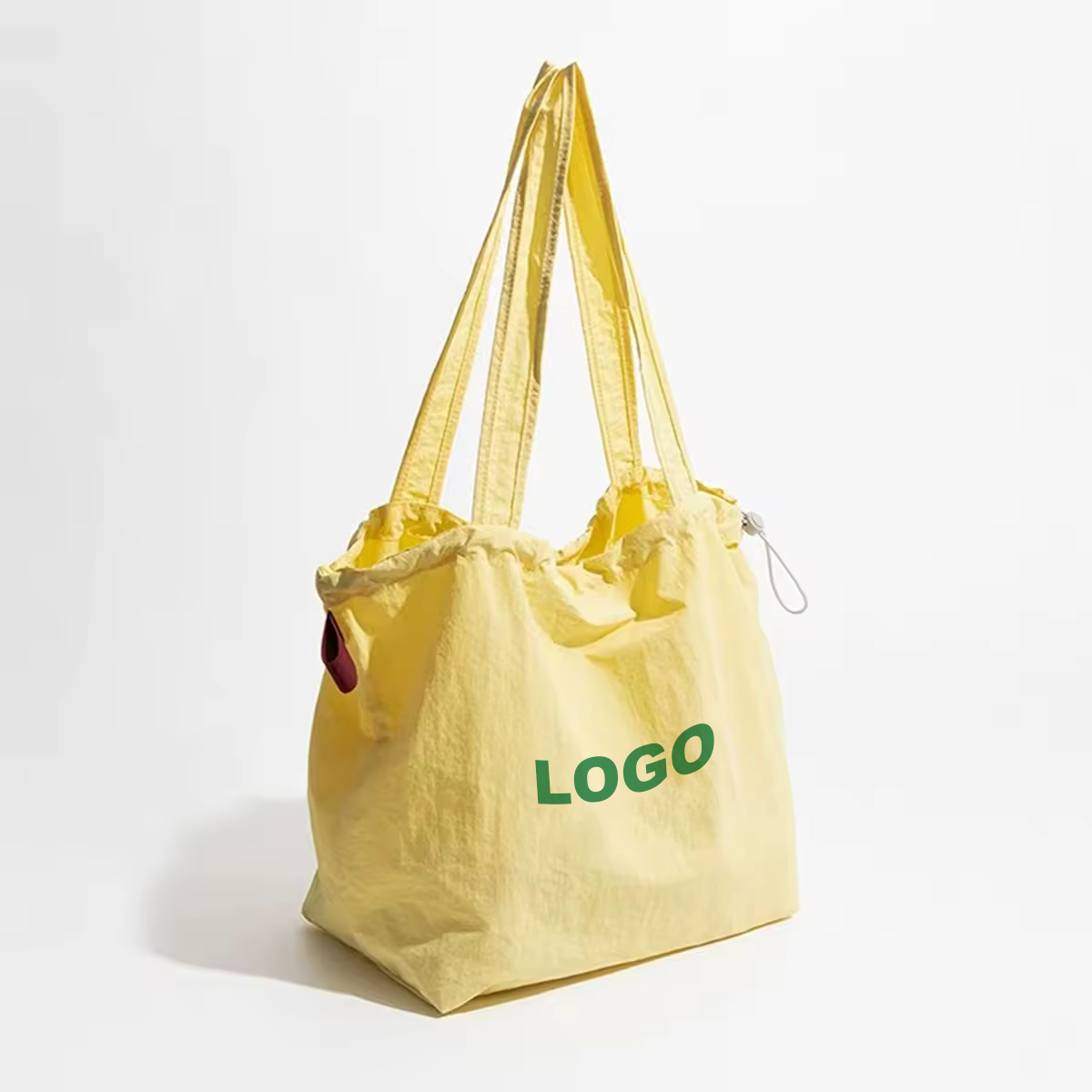
Nylon is often selected when buyers want a lightweight, soft, and compact reusable bag.
It is especially common in:
- Foldable shopping bags
- Travel bags
- Sports accessories
- Lifestyle products
- Outdoor products
- Packable totes
Compared with heavier materials, nylon can provide excellent portability.
Why Buyers Choose Nylon
Key advantages include:
- Very lightweight
- Compact folding
- Soft hand feel
- Flexible structure
- Good daily-use performance
- Suitable for travel products
- Modern lifestyle appearance
A nylon foldable tote can be carried inside a handbag, luggage compartment, or backpack without adding much bulk.
Best Applications
Nylon reusable shopping bags are suitable for:
- Travel retail
- Lifestyle brands
- Sports brands
- Outdoor promotions
- Foldable shopping bags
- Premium reusable bags
- Everyday backup totes
Buyer Considerations
For nylon projects, buyers should not judge the material only by the word “nylon.”
Important specifications include:
- Fabric density
- Denier
- Surface finish
- Coating
- Softness
- Color
- Water resistance
- Printing compatibility
Different nylon fabrics can create very different products.
A thin lightweight nylon may be ideal for a compact foldable bag, while a heavier specification may be more suitable for a travel tote or functional carry bag.
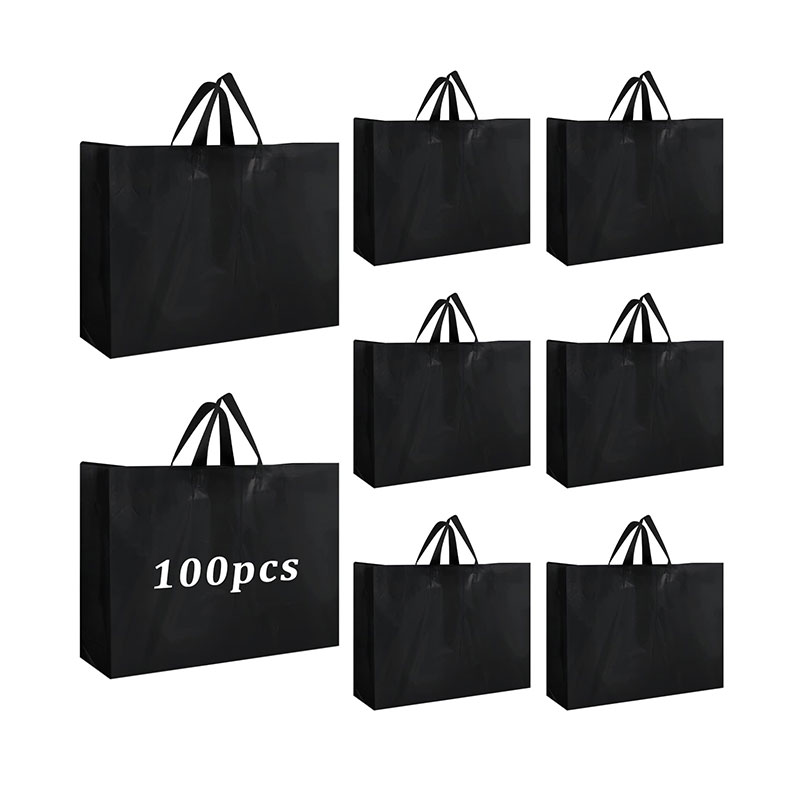
RPET is widely used for reusable bag projects that require a recycled-material story.
RPET refers to recycled PET material that can be processed into polyester fiber and then used in fabrics for bags and other textile products.
Common RPET bag types include:
- Shopping totes
- Foldable bags
- Drawstring bags
- Grocery bags
- Promotional bags
- Retail bags
Why Buyers Choose RPET
The main value of RPET is its sustainability positioning.
Buyers often select RPET for:
- Environmental campaigns
- Supermarket reusable programs
- Corporate sustainability projects
- Retail eco collections
- Promotional events
- Recycled-material gift programs
The material allows brands to combine practical product use with a recycled-material communication story.
Best Applications
RPET reusable bags are suitable for:
- Supermarkets
- Retail chains
- Corporate gifts
- Sustainability events
- Promotional campaigns
- Brand merchandise
- Eco-oriented shopping programs
Buyer Considerations
For RPET projects, buyers should confirm more than color and bag dimensions.
Important purchasing questions include:
- What recycled content is required?
- Is certification required?
- What documentation is needed?
- What fabric weight is suitable?
- What printing method works with the surface?
- Is the project for retail sale or giveaway?
Material claims should match actual product specifications and available documentation.
For buyers with certification requirements, the material supply chain and production scope should be confirmed before final project approval.
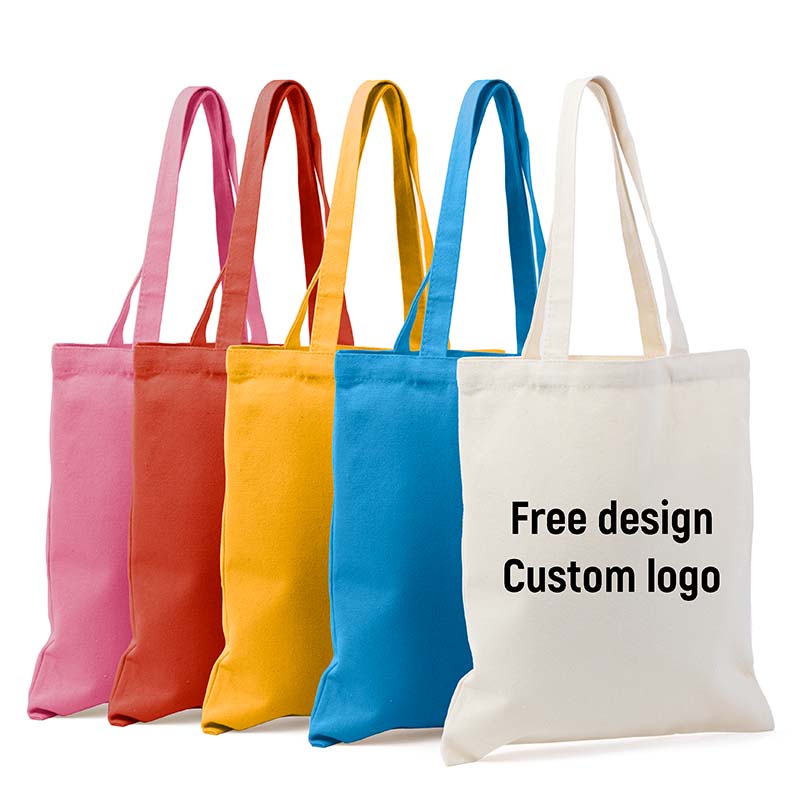
Cotton is one of the most recognizable materials for reusable tote bags.
It is commonly used for:
- Retail tote bags
- Shopping bags
- Book bags
- Gift bags
- Promotional bags
- Lifestyle products
- Museum merchandise
- Brand accessories
Cotton provides a natural appearance that synthetic fabrics do not fully replicate.
Why Buyers Choose Cotton
Cotton bags are often selected for:
- Natural fabric texture
- Strong lifestyle appeal
- Large logo area
- Printing flexibility
- Giftable presentation
- Retail product positioning
Cotton tote bags are particularly suitable when the bag itself is part of the brand experience.
Best Applications
Cotton reusable bags are suitable for:
- Fashion brands
- Bookstores
- Museums
- Cafés
- Lifestyle retailers
- Corporate gifts
- Promotional merchandise
- Natural product brands
Buyer Considerations
Cotton bags vary significantly depending on:
- Fabric weight
- Fabric weave
- Cotton composition
- Color
- Handle structure
- Gusset
- Finishing
A lightweight cotton promotional bag and a heavy canvas retail tote are different product categories.
Buyers should select the fabric weight according to:
- Bag size
- Carrying purpose
- Target price
- Desired appearance
- Printing method
Polyester vs Nylon vs RPET vs Cotton: Detailed Comparison
| Factor |
Polyester |
Nylon |
RPET |
Cotton |
| Weight |
Light |
Very light |
Light |
Medium to heavy |
| Foldability |
Very good |
Excellent |
Good to very good |
Limited with thicker fabric |
| Drying Speed |
Fast |
Fast |
Fast |
Slower |
| Natural Appearance |
Low |
Low |
Low |
Excellent |
| Sustainability Story |
Standard |
Standard |
Strong recycled-material story |
Natural-material positioning |
| Printing Flexibility |
High |
High with correct process |
High |
Excellent |
| Retail Presentation |
Good |
Modern |
Eco-focused |
Natural and premium |
| Cost Position |
Competitive |
Medium depending on grade |
Medium depending on certification |
Medium to high depending on weight |
| Best For |
Promotion and retail |
Travel and foldable bags |
Eco campaigns |
Lifestyle and gift retail |
Which Material Is Best for Supermarkets?
For supermarket projects, buyers normally focus on:
- Cost
- Capacity
- Reuse
- Printing
- Large-volume production
- Brand message
Polyester
Suitable when the priority is:
- Competitive cost
- Large-volume production
- General reusable shopping
- Strong logo visibility
RPET
Suitable when the priority is:
- Recycled-material positioning
- Sustainability campaigns
- Environmental messaging
- Corporate retail responsibility programs
Nylon
Suitable for:
- Premium compact reusable bags
- Lightweight shopping programs
- Travel-oriented retail customers
Cotton
Usually better suited to:
- Premium grocery stores
- Organic product brands
- Gift programs
- Lifestyle merchandise
For most high-volume supermarket projects, polyester and RPET are the most common practical starting points.
Which Material Is Best for Foldable Bags?
For compact foldable shopping bags, buyers should focus on:
- Fabric weight
- Folded volume
- Softness
- Handle structure
- Pouch design
Best for Very Compact Folding
Nylon
Best for Cost-Effective Promotions
Polyester
Best for Sustainability Campaigns
RPET
Less Suitable for Ultra-Compact Folding
Heavy cotton canvas
Cotton can still be used for lighter foldable bags, but thick cotton or canvas will produce a larger folded volume.
Which Material Is Best for Promotional Campaigns?
Promotional buyers often need to balance:
- Unit cost
- Logo visibility
- Distribution volume
- Customer usefulness
- Campaign message
Polyester
Best for:
- Large-volume events
- General brand promotion
- Trade shows
- Corporate giveaways
Nylon
Best for:
- Travel campaigns
- Sports promotions
- Lifestyle brands
- Functional gifts
RPET
Best for:
- Sustainability themes
- Environmental campaigns
- Corporate ESG-related programs
- Retail eco promotions
Cotton
Best for:
- Premium brand merchandise
- Museums
- Cafés
- Fashion brands
- Gift-with-purchase programs
Which Material Is Best for Retail Sales?
When the bag is sold as a product rather than given away, buyers should pay more attention to:
- Hand feel
- Construction
- Internal details
- Handle comfort
- Packaging
- Brand positioning
For retail products:
Nylon
Works well for:
- Travel collections
- Lightweight lifestyle bags
- Fashion accessories
Cotton
Works well for:
- Lifestyle brands
- Fashion retailers
- Bookstores
- Creative merchandise
RPET
Works well for:
- Eco product collections
- Sustainability-focused stores
- Corporate retail products
Polyester
Works well for:
- Functional shopping products
- General mass-market retail
- Promotional retail collections
Material Is Only One Part of Bag Performance
A common purchasing mistake is assuming that material name alone determines quality.
Actual bag performance also depends on:
- Fabric specification
- Bag dimensions
- Gusset structure
- Handle width
- Handle stitching
- Seam reinforcement
- Thread quality
- Printing method
- Quality control
For example, a large bag made from a suitable fabric can still fail if handle seams are poorly reinforced.
Similarly, a heavy fabric does not automatically create a better product if it makes the bag uncomfortable or too bulky.
B2B buyers should evaluate the complete bag structure.
Printing Methods by Material
Polyester
Common options:
- Screen printing
- Heat transfer
- Sublimation
- Digital printing
- Labels
Nylon
Common options:
- Screen printing
- Heat transfer
- Selected digital printing
- Embroidery
- Labels
- Rubber patches
Printing compatibility should be tested on the actual nylon fabric and coating.
RPET
Common options:
- Screen printing
- Heat transfer
- Sublimation
- Digital printing
- Woven labels
The exact method depends on fabric structure and surface treatment.
Cotton
Common options:
- Screen printing
- Digital textile printing
- Heat transfer
- Embroidery
- Woven labels
- Patches
Cotton usually provides a strong natural surface for brand graphics and lifestyle designs.
Sustainability: What Should Buyers Actually Evaluate?
Choosing a reusable bag material should not rely on one simple label.
Buyers should evaluate:
- Material source
- Recycled content
- Product durability
- Expected reuse
- Product weight
- Packaging
- Transportation
- Certification requirements
- End-user behavior
RPET has a clear recycled-material story.
Cotton provides natural-material positioning.
Nylon and polyester can provide long-term reusable performance when correctly designed.
The most suitable material depends on the project objective.
A bag should not be selected only because the material name sounds environmentally friendly. It should also be practical enough for customers to reuse.
How to Choose the Right Material
Choose Polyester If:
- Your project needs competitive cost
- Printing flexibility is important
- The bag is for promotion or retail
- Large-volume production is required
- Good foldability is needed
Choose Nylon If:
- Very lightweight construction is important
- Compact folding is a priority
- The bag is for travel or lifestyle use
- Soft hand feel is preferred
- Functional value is more important than an eco material story
Choose RPET If:
- Recycled-material positioning is central
- The project is for a sustainability campaign
- The buyer requires recycled-material documentation
- The bag is for supermarket or retail eco programs
- Corporate environmental communication is important
Choose Cotton If:
- Natural appearance is important
- The product is positioned as lifestyle merchandise
- The bag needs a premium or giftable feel
- Large branding surfaces are important
- The product is for retail rather than ultra-compact folding
Recommended Products
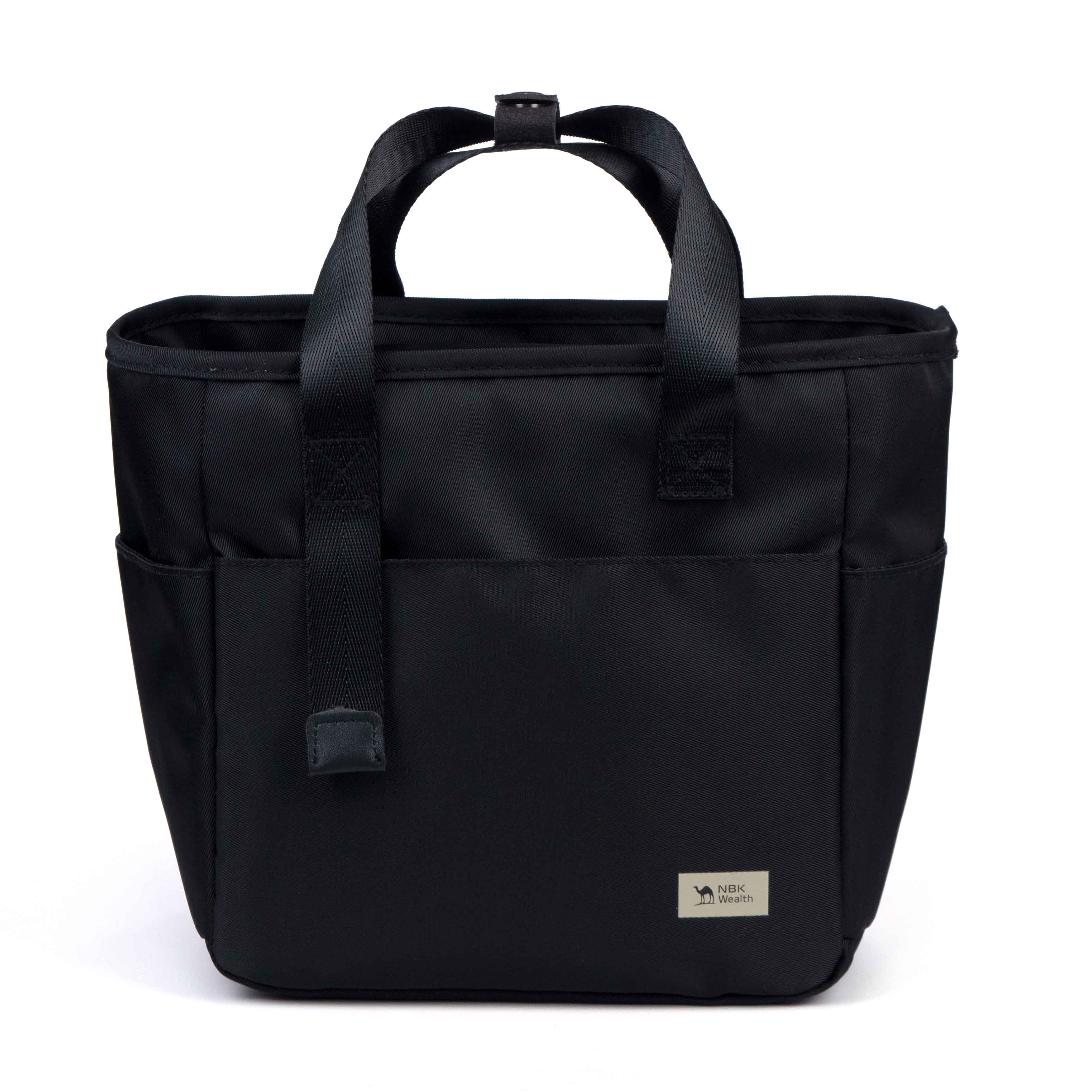
Suitable for promotional campaigns, supermarkets, events, and general retail projects requiring lightweight construction and competitive cost.
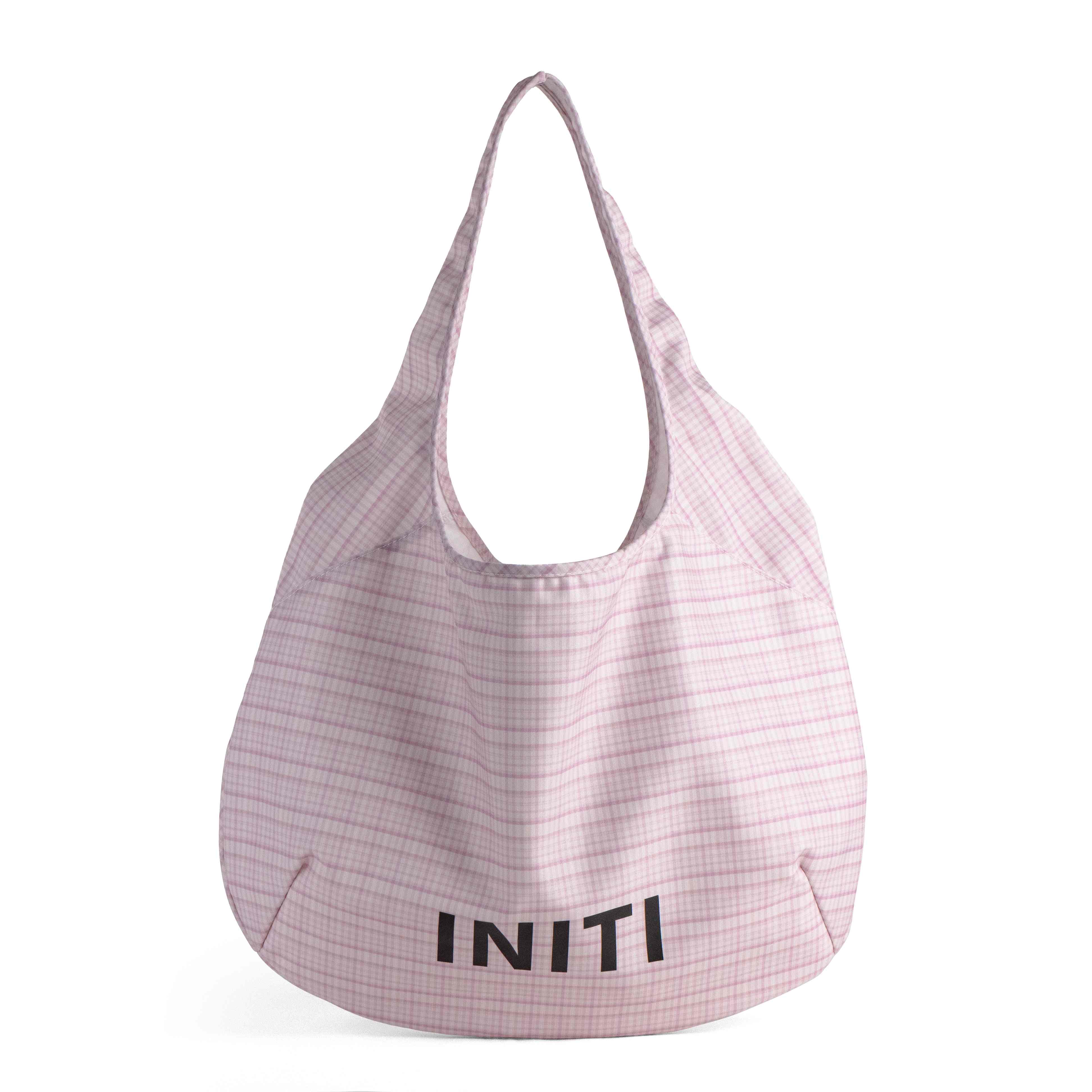
Suitable for travel, lifestyle retail, sports, and lightweight everyday carry.
Suitable for retail chains, supermarkets, sustainability campaigns, and corporate recycled-material projects.
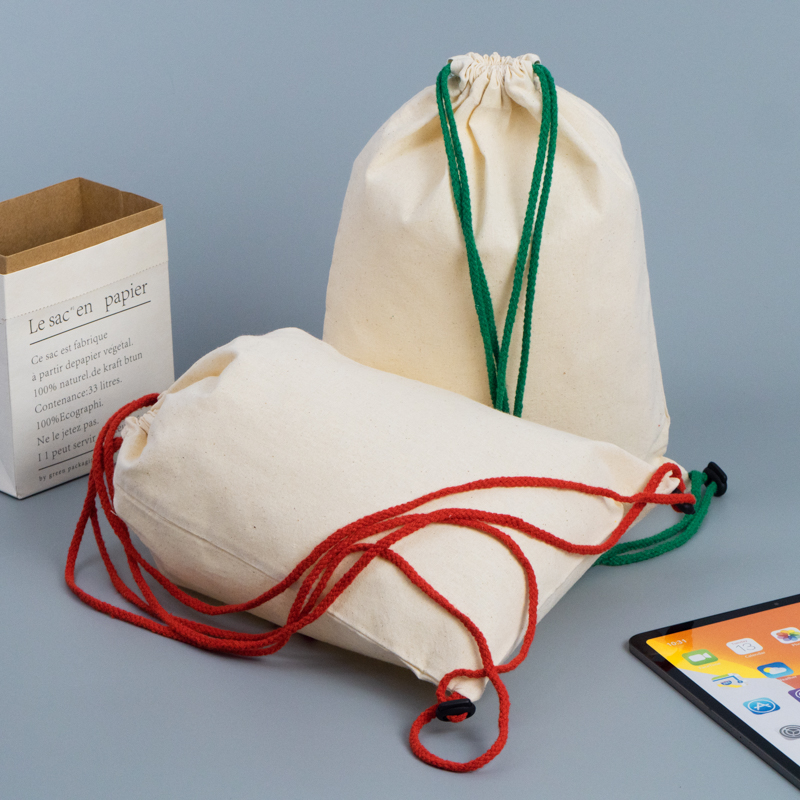
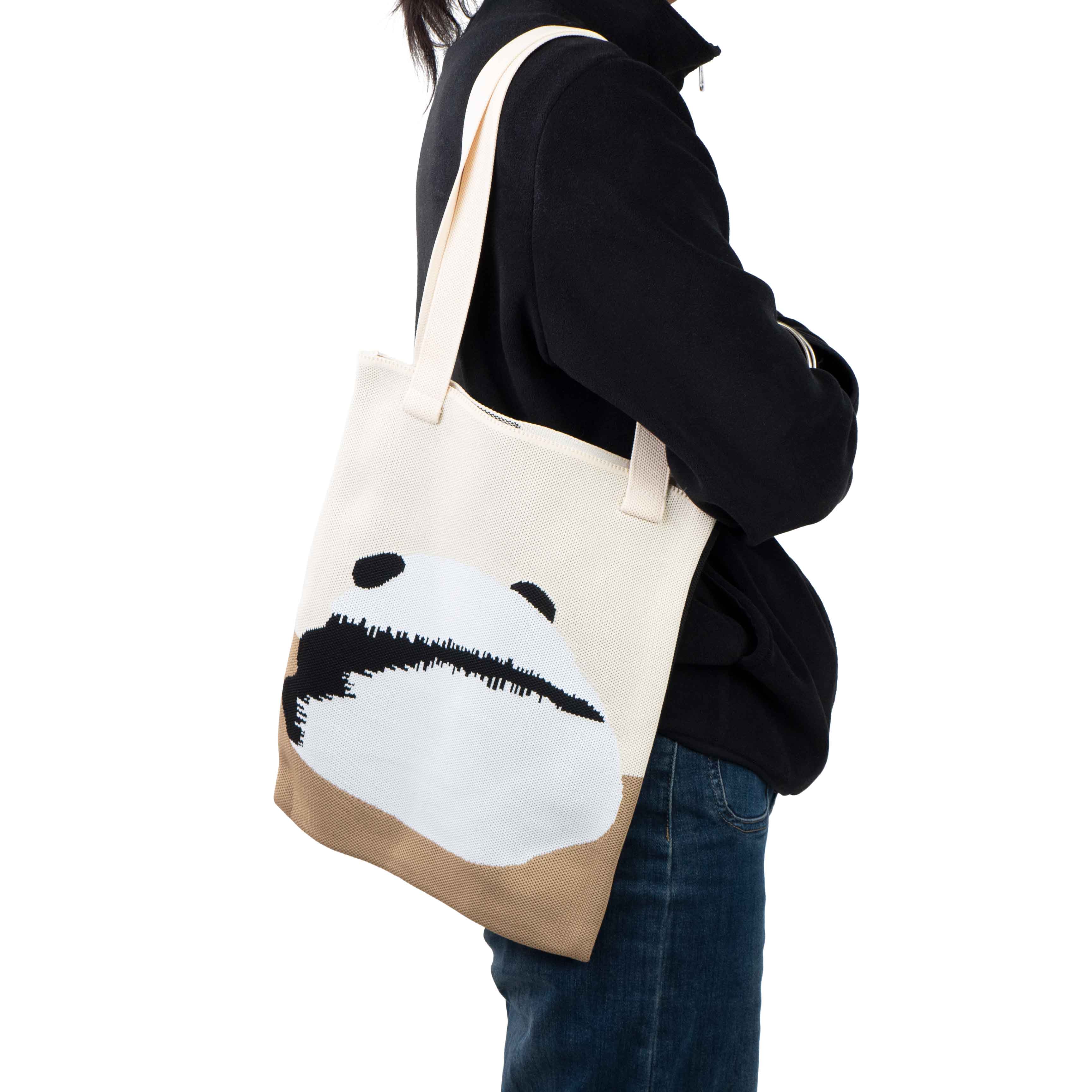
Suitable for fashion, lifestyle, gifting, retail merchandise, bookstores, and promotional programs requiring a natural appearance.
Buyer Checklist Before Selecting Material
Before confirming a reusable shopping bag project, buyers should consider:
Is the bag for:
- Shopping
- Promotion
- Retail sale
- Travel
- Corporate gifting
- Supermarket use
Target Capacity
Consider:
- Product size
- Bag dimensions
- Gusset
- Carrying weight
Brand Positioning
Does the project focus on:
- Cost efficiency
- Travel convenience
- Sustainability
- Natural lifestyle
- Premium retail
Logo Requirements
Confirm:
- Artwork complexity
- Number of colors
- Logo size
- Printing method
- Required durability
Packaging
Consider:
- Bulk distribution
- Retail hangtag
- Paper sleeve
- Barcode label
- Gift box
Why Work With Us
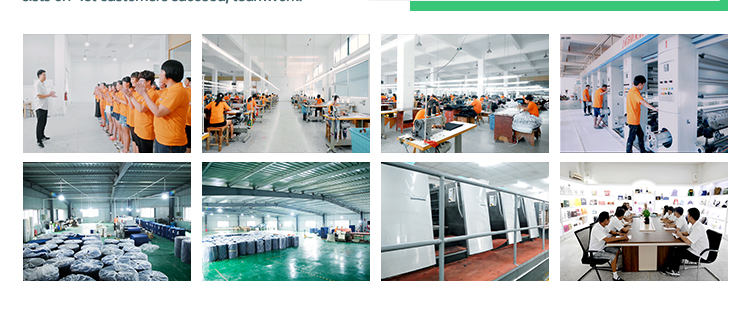
With 16+ years of manufacturing experience, two factory buildings, and project experience with global brands and Fortune 500 companies, we support reusable bag development across polyester, nylon, RPET, cotton, canvas, jute, Tyvek, felt, and other functional materials.
Our team supports buyers from material selection and sample development through size adjustment, logo testing, structural development, bulk production, quality inspection, and export packing.
Our quality and compliance systems include SEDEX, DISNEY, GRS, HIGG, and ISO9001, supporting international retailers, supermarkets, importers, distributors, promotional companies, and brand owners.
For reusable shopping bag projects, we focus on:
- Correct material selection
- Fabric consistency
- Handle strength
- Suitable bag capacity
- Logo quality
- Color consistency
- Stable repeat orders
- Efficient bulk production
The goal is to match material choice with actual use rather than simply recommend the same fabric for every buyer.
FAQ
1. Which material is best for reusable shopping bags?
There is no single best material. Polyester is versatile and cost-effective, nylon is lightweight and compact, RPET is suitable for recycled-material positioning, and cotton provides a natural retail appearance.
2. Which material is best for foldable shopping bags?
Nylon and lightweight polyester are excellent choices for compact folding. RPET can also work well depending on fabric specification.
3. Is RPET the same as polyester?
RPET is recycled PET-based polyester material. The final fabric can have a similar appearance and performance to conventional polyester, but its material sourcing and sustainability positioning are different.
4. Is cotton always more eco-friendly?
Material selection should not be judged only by one characteristic. Reuse frequency, material source, product weight, production, transportation, and actual customer behavior also matter.
5. Which material is best for logo printing?
All four materials support branding, but the best method depends on the fabric surface, coating, artwork, and required effect.
6. Can the same tote bag design be produced in different materials?
Yes. Many basic tote structures can be developed in polyester, nylon, RPET, or cotton, but dimensions, seams, handles, and printing methods may need adjustment.
7. Which material is best for supermarkets?
Polyester and RPET are common choices because they balance lightweight construction, printing, capacity, and large-volume retail use.
Conclusion
Polyester, nylon, RPET, and cotton all have a place in reusable shopping bag development.
Polyester offers a practical combination of cost, printing flexibility, and daily performance.
Nylon is particularly suitable for lightweight, compact, travel-friendly bags.
RPET provides a strong recycled-material story for sustainability-focused retail and corporate projects.
Cotton offers natural texture and stronger lifestyle or gift positioning.
For B2B buyers, the correct choice depends on:
- Product application
- Target customer
- Bag size
- Carrying weight
- Foldability
- Branding
- Sustainability requirements
- Cost target
The most effective reusable shopping bag material is the one that matches the actual project, customer behavior, and brand positioning.
Related Topics


 Hot News