Promotional bags are widely used by retailers, supermarkets, corporate buyers, event organizers, tourism brands and promotional product distributors. They provide practical carrying value while keeping a company logo, campaign message or retail identity visible during repeated use.
However, the performance of a promotional bag depends heavily on its material. Cotton, RPET, jute and polyester each offer different advantages in terms of appearance, durability, printing, cost, environmental positioning and target application.
For B2B buyers, choosing the right material is not only a design decision. It also affects:
- Product cost
- Minimum order quantity
- Printing performance
- Carrying strength
- Product lifespan
- Packaging volume
- Brand positioning
- Sustainability claims
- Target market acceptance
This guide compares four widely used materials for custom promotional bags and explains how buyers can select the most suitable option for their project.
Quick Comparison of Promotional Bag Materials
Material |
Main Advantages |
Best Applications |
Typical Brand Positioning |
Cotton |
Natural texture, strong printability, reusable |
Retail, corporate gifts, exhibitions, lifestyle brands |
Natural, versatile, premium |
RPET |
Recycled content, lightweight, flexible construction |
Supermarkets, sustainability campaigns, sports and retail |
Recycled, modern, responsible |
Jute |
Rustic appearance, firm structure, natural fiber |
Wine, food, gift packaging, agricultural and lifestyle brands |
Natural, traditional, premium |
Polyester |
Lightweight, durable, colorful, cost-efficient |
Sports, travel, events, giveaways and outdoor promotions |
Practical, energetic, functional |
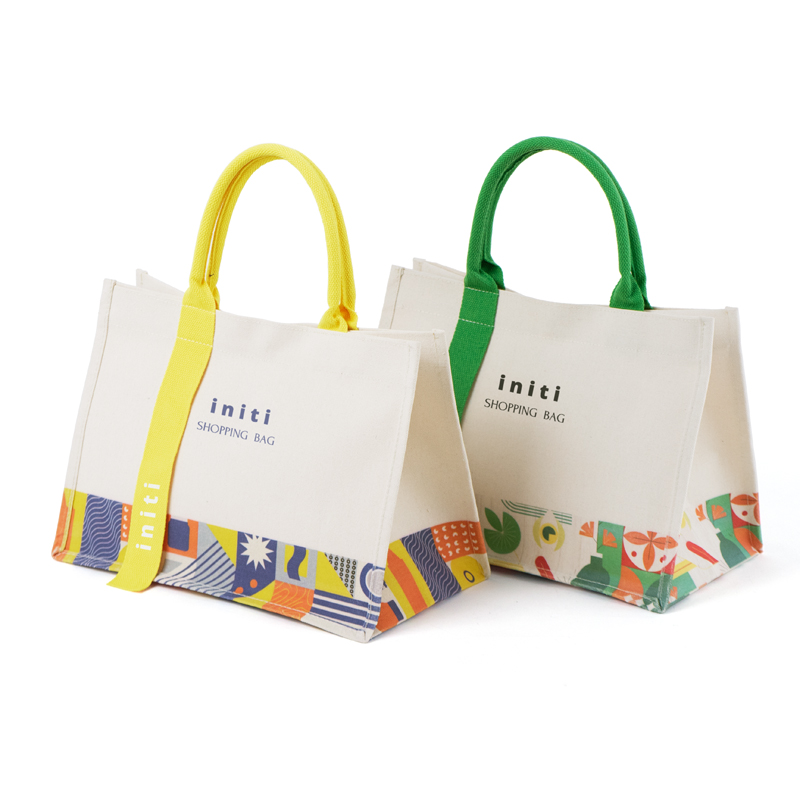
Cotton is one of the most familiar materials used for promotional tote bags, shopping bags, drawstring bags and gift bags. It has a natural woven appearance and provides a suitable surface for logos, slogans and campaign artwork.
Cotton promotional bags are commonly used by:
- Retail stores
- Bookshops
- Museums
- Corporate gift suppliers
- Trade shows
- Universities
- Lifestyle brands
- Environmental campaigns
- E-commerce sellers
Natural Appearance
Cotton provides a soft, familiar and natural texture that works well for brands seeking a reusable and approachable promotional product.
Good Printing Performance
Cotton fabric is suitable for a wide range of branding methods, including:
- Screen printing
- Heat transfer
- Digital printing
- Embroidery
- Woven labels
- Fabric patches
Simple logos can be screen printed cost-effectively, while detailed graphics can use digital or heat-transfer printing.
Multiple Fabric Weights
Cotton bags can be produced in different fabric weights depending on the required price, structure and carrying performance.
Lightweight cotton is suitable for:
- Giveaways
- Conferences
- Promotional events
- Lightweight shopping
Heavier cotton or canvas is more suitable for:
- Retail collections
- Corporate gifts
- Book bags
- Grocery bags
- Premium promotional products
Cotton Bag Limitations
Cotton may wrinkle during folding and shipping. Untreated cotton is not waterproof, and natural fabric can show minor variations in color, fiber and texture.
Buyers should also confirm:
- Fabric weight
- Shrinkage
- Colorfastness
- Handle reinforcement
- Printing coverage
- Washing instructions
Best Choice for
Cotton is a strong option when the project requires a natural look, clear logo printing and a reusable product suitable for retail, events or corporate gifts.
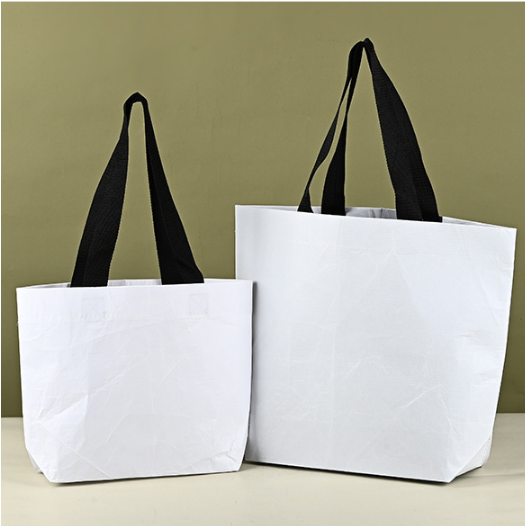
RPET is a recycled polyester material commonly made from post-consumer plastic bottles or other recycled polyester sources. It is widely used in reusable shopping bags, foldable bags, drawstring bags, cooler bags and promotional totes.
RPET bags are increasingly selected by:
- Supermarkets
- Retail chains
- Corporate sustainability programs
- Sports brands
- Outdoor companies
- Event organizers
- Promotional distributors
- Private label brands
Advantages of RPET Bags
Recycled Material Positioning
RPET gives buyers a clear recycled-material story that can support sustainability-focused campaigns and responsible sourcing programs.
Where required, buyers should confirm:
- Recycled content
- Traceability
- Certification availability
- Material composition
- Labeling requirements
- Market-specific sustainability claims
Lightweight and Flexible
RPET fabric can be developed in different structures and weights. It is suitable for:
Suitable for Colorful Printing
RPET polyester can support:
- Screen printing
- Heat transfer
- Sublimation
- Full-color printing
- Woven labels
- Rubber patches
Sublimation is particularly useful for all-over designs on suitable light-colored polyester fabrics.
RPET Bag Limitations
The term “RPET” alone does not confirm the exact recycled percentage or certification. Buyers should avoid vague environmental claims and request supporting material information when required.
The fabric feel and appearance can also vary depending on:
- Yarn type
- Fabric density
- Coating
- Lamination
- Weaving method
- Recycled content percentage
Best Choice for
RPET is suitable for buyers who need lightweight, reusable promotional bags with recycled material positioning and flexible printing options.
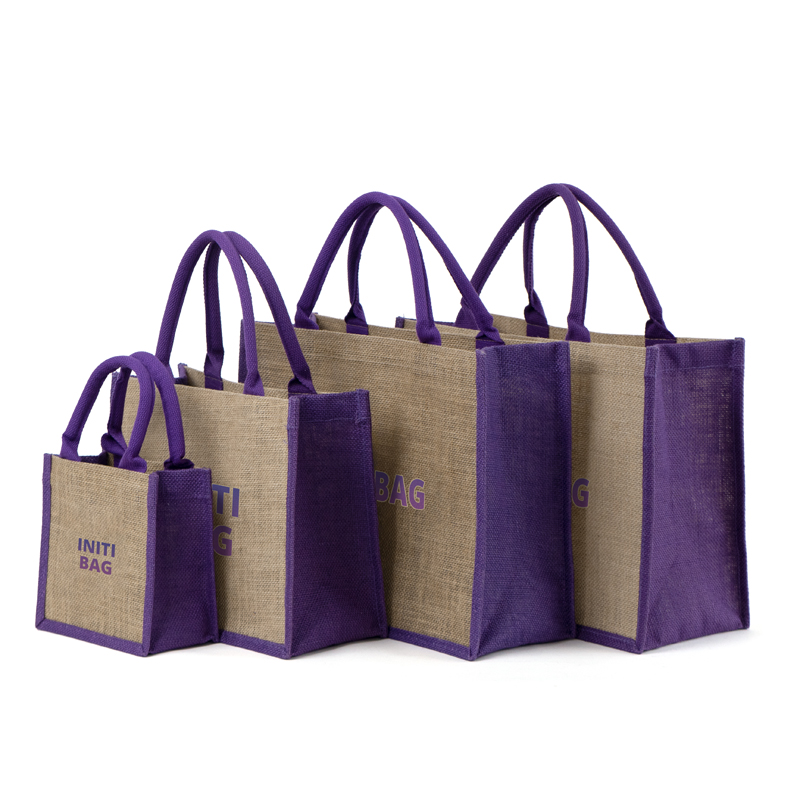
Jute is a natural plant-based fiber with a coarse texture and firm structure. It is commonly used for shopping bags, wine bags, food packaging, gift bags and rustic retail collections.
Jute promotional bags are often selected by:
- Food brands
- Wine suppliers
- Agricultural companies
- Gift stores
- Hotels
- Resorts
- Organic retailers
- Farm shops
- Corporate gift programs
Advantages of Jute Bags
Distinctive Natural Texture
Jute has a recognizable coarse appearance that helps create a rustic, traditional or natural brand image.
Strong Retail Presentation
Its firm structure allows the bag to stand more easily than lightweight cotton or polyester bags, making it useful for retail displays and gift packaging.
Suitable for Combined Materials
Jute bags can be combined with:
- Cotton handles
- Canvas panels
- Laminated interiors
- Transparent windows
- Drawstring closures
- Zippers
- Leather or PU patches
This allows buyers to create a more functional or premium product while retaining the natural jute appearance.
Printing and Branding Options
Common branding methods include:
- Screen printing
- Heat transfer on added fabric panels
- Embroidery
- Woven labels
- Leather patches
- Cotton logo panels
Because the jute surface is coarse, very fine graphics may not print as clearly as they would on smooth cotton or polyester.
Jute Bag Limitations
Jute is less suitable for projects requiring a soft, compact or highly foldable bag. The natural fiber may also show variation in texture, shade and fiber thickness.
Buyers should confirm:
- Fabric quality
- Odor control
- Surface cleanliness
- Edge finishing
- Lamination
- Handle strength
- Moisture exposure
- Printing tolerance
Best Choice for
Jute is a strong option for food, wine, natural-product and gift brands seeking a firm bag with a rustic and premium appearance.
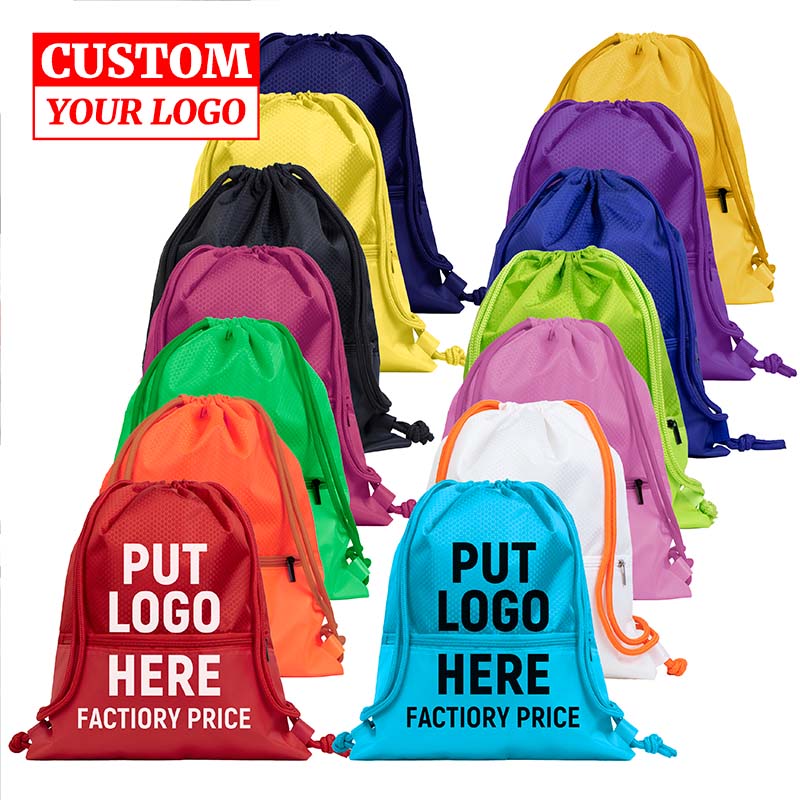
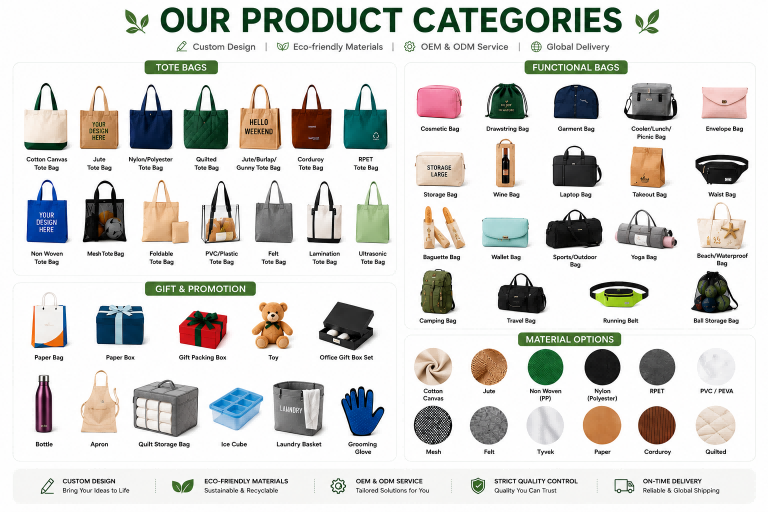
Polyester is one of the most versatile materials used in promotional bag manufacturing. It is lightweight, durable and available in a wide range of colors, coatings and fabric constructions.
Polyester is commonly used for:
Advantages of Polyester Bags
Lightweight and Durable
Polyester provides a practical balance between weight, strength and cost. It is suitable for large promotional orders where buyers need a functional product that can be transported and distributed efficiently.
Wide Color Selection
Polyester fabrics can be produced in bright colors, neutral shades or custom Pantone colors, making them useful for:
- Team programs
- Event campaigns
- Sports promotions
- School activities
- Retail collections
- Brand activations
Flexible Construction
Polyester can be developed with:
- Water-resistant coatings
- Mesh panels
- Foam padding
- Insulated lining
- Reflective trim
- Zipper pockets
- Adjustable straps
- Foldable structures
This makes it more suitable than natural fibers for technical and outdoor promotional bags.
Printing and Branding Options
Polyester works with:
- Screen printing
- Heat transfer
- Sublimation
- Embroidery
- Woven labels
- PVC or rubber patches
The correct method depends on fabric coating, color, surface texture and artwork.
Polyester Bag Limitations
Standard polyester does not provide the same natural appearance as cotton or jute. It may also be less suitable for brands whose primary message is based on natural materials.
Buyers should confirm:
- Fabric denier
- Coating
- Tear resistance
- Colorfastness
- Water resistance
- Zipper quality
- Strap reinforcement
- Printing adhesion
Best Choice for
Polyester is ideal for sports, travel, events, outdoor promotions and high-volume campaigns that require lightweight performance, bright colors and functional structures.
Cotton vs RPET vs Jute vs Polyester
Appearance
- Cotton: Soft, natural and versatile
- RPET: Modern, lightweight and adaptable
- Jute: Rustic, textured and structured
- Polyester: Functional, colorful and technical
Printing
- Cotton: Excellent for screen printing and embroidery
- RPET: Good for heat transfer and sublimation
- Jute: Best for simple graphics, labels and patches
- Polyester: Suitable for multiple printing methods
Durability
Durability depends on more than the material name. Buyers should also consider:
- Fabric weight
- Weaving density
- Handle construction
- Stitching
- Reinforcement
- Bag size
- Intended load
- Frequency of use
A well-constructed cotton bag can outperform a poorly made polyester bag, while a reinforced polyester bag may be more appropriate than jute for sports or travel applications.
Cost
General cost positioning may vary according to specification, but the final price is usually affected by:
- Material weight
- Bag dimensions
- Printing colors
- Number of pockets
- Lining
- Zippers and accessories
- Handle type
- Packaging
- Order quantity
- Certification requirements
Buyers should compare complete specifications rather than material names alone.
How to Choose the Right Material for Your Promotional Bag
Choose Cotton When:
- A natural textile appearance is important
- The logo needs a clear printing surface
- The bag will be used for shopping, retail or gifts
- The brand wants a reusable lifestyle product
- A soft or premium hand feel is preferred
Choose RPET When:
- Recycled content is part of the campaign
- Lightweight construction is required
- The project needs foldable or technical bag styles
- Bright colors or full-color graphics are important
- Documentation or recycled-material certification may be required
Choose Jute When:
- The product needs a rustic or natural appearance
- The bag will be used for wine, food or gift packaging
- A firm structure is preferred
- The brand targets organic, agricultural or lifestyle markets
- The bag will be displayed in retail environments
Choose Polyester When:
- The bag is intended for sports, travel or events
- Lightweight durability is important
- Multiple colors are required
- Pockets, zippers or technical structures are needed
- The project requires cost-efficient bulk production
Key Questions B2B Buyers Should Ask
Before confirming a promotional bag material, buyers should ask suppliers:
- What is the exact material composition?
- What fabric weight or denier is used?
- Is recycled content certified?
- Which printing method is most suitable?
- What load is the bag designed to carry?
- How are the handles reinforced?
- Is the fabric washable or water resistant?
- What color tolerance should be expected?
- What tests can be arranged?
- How will the bags be folded and packed?
- What factors affect the MOQ?
- Can samples be produced before bulk manufacturing?
These questions help reduce quality disputes and ensure that the selected bag matches the target application.
Customization Options for Promotional Bags
Regardless of material, promotional bags can be customized through:
- Bag dimensions
- Fabric weight
- Color matching
- Handle length
- Webbing type
- Zipper structure
- Pocket layout
- Interior lining
- Screen printing
- Heat transfer
- Sublimation
- Embroidery
- Woven labels
- Rubber or leather patches
- Hangtags
- Barcode labels
- Retail packaging
- Bulk carton packing
For larger projects, buyers should approve a physical sample before mass production.
Which Promotional Bag Material Is Best?
There is no single best material for every promotional bag project.
The best choice depends on the intended use:
- Choose cotton for natural retail and corporate gift bags.
- Choose RPET for recycled-material campaigns and lightweight reusable products.
- Choose jute for food, wine, gift and natural-brand applications.
- Choose polyester for sports, travel, events and functional promotional bags.
The correct decision should balance product appearance, budget, carrying performance, printing, target market and sustainability requirements.
A professional custom bag supplier can help compare materials, develop samples and recommend structures based on the buyer’s project rather than offering a single standard solution.
INITI provides OEM and ODM development for cotton, RPET, jute, polyester and other custom promotional bags.
Our services include:
- Material selection
- Product design
- Sample development
- Logo application
- Printing recommendations
- Structural customization
- Quality inspection
- Private label packaging
- Wholesale production
- Bulk order support
Our production and quality-management systems are supported by certifications including SEDEX, DISNEY, GRS, HIGG and ISO9001.
We work with retailers, supermarkets, promotional companies, corporate clients, importers, distributors, e-commerce sellers and design agencies to develop custom bags for global B2B markets.
FAQ
1. Which material is most suitable for low-cost promotional bags?
Lightweight polyester, non-woven fabric or lightweight cotton may be suitable, depending on the bag structure, printing and order quantity.
2. Which material provides the best natural appearance?
Cotton and jute provide the most recognizable natural textile appearance.
3. Which material is best for colorful full-surface printing?
Polyester and RPET are often suitable for sublimation or full-color heat-transfer applications.
4. Can recycled materials be certified?
Certification options depend on the material, supply chain and order requirements. Buyers should confirm the available documentation before production.
5. Can different materials be combined in one bag?
Yes. Cotton, jute, polyester, mesh, RPET and other materials can be combined to improve structure, appearance or function.
6. Which material is best for heavy products?
The answer depends on fabric weight, handle reinforcement, stitching and bag dimensions. Material name alone does not determine load capacity.
7. Can you produce samples before a bulk order?
Yes. Samples can be developed to confirm material, size, construction, logo, color and packaging.
8. Do you support custom logo printing?
Yes. Screen printing, heat transfer, sublimation, embroidery, woven labels and patches are available.
Bottom Internal Links
Related Products:
Cotton Canvas Tote Bags | Tote Bags | Jute Bags | Polyester Bags | Drawstring Bags | Promotional Bags | Shopping Bags | Cosmetic Bags
Applications:
Retail Promotions | Supermarket Campaigns | Corporate Gifts | Trade Shows | Sports Events | Tourism Campaigns | E-commerce Sellers | Importers & Distributors
Custom Services:
OEM/ODM Manufacturing | Material Selection | Custom Logo Printing | Sample Development | Private Label Service | Packaging Customization | Quality Inspection | Bulk Order Support


 Hot News