Global Bags, Materials and Sustainability Trends Brief
Observation Period: June 27–July 11, 2026
1. The Most Important Industry Developments of the Past 15 Days
1. The EU, UK and US Accelerate Action on Soft Plastic Bags, Films and Flexible Packaging
Date: June 28, 2026
Regions: European Union, United Kingdom and United States
Source: Reuters
Soft plastic packaging, including plastic bags, films, wrapping materials and flexible pouches, is becoming a major focus of packaging regulation.
The European Union is advancing requirements related to packaging recyclability and recycled plastic content. The United Kingdom plans to expand household collection of flexible plastics from 2027, while California is strengthening plastic packaging reduction and recycling requirements through extended producer responsibility regulations.
Major companies such as Unilever, Nestlé, Mars and PepsiCo are testing mono-material packaging structures, paper-based alternatives and new flexible plastic recycling technologies.
However, flexible plastic recycling continues to face major challenges, including insufficient collection infrastructure, high processing costs and contamination from mixed materials.
Impact on Bags and B2B Procurement
For reusable shopping bags, buyers are becoming less satisfied with a simple claim that a product is “made from RPET.”
They are increasingly asking:
- Is the RPET made from post-consumer or post-industrial waste?
- Are GRS certificates or other traceability documents available?
- Can the fabric, lamination, zippers and webbing be separated?
- Does the product use a mono-material or easily recyclable structure?
- Will printing, coating or lamination interfere with recycling?
Suppliers and factories should prepare product solutions such as:
- Mono-material polyester shopping bags
- RPET fabric combined with RPET webbing and polyester sewing thread
- Non-laminated structures or removable laminated components
- Reduced use of PVC, complex metal accessories and mixed materials
2. Reuse Is Increasingly Viewed as Supply Chain Risk Management, Not Only as Sustainability Marketing
Date: July 9, 2026
Regions: Global and European Union
Source: Reuters
Recent volatility in oil prices and plastic supply chains is causing companies to reassess their dependence on petrochemical raw materials, international transportation and disposable packaging.
Reusable packaging is increasingly being viewed as a way to reduce exposure to raw material price fluctuations, logistics disruption and the recurring purchasing cost of single-use packaging.
Reports indicate that companies are gradually moving away from the traditional “produce, use and discard” model toward circular reuse systems.
However, many international brands still focus more heavily on recyclability than on creating genuine systems for reuse, collection and material recovery.
Impact on the Custom Bag Industry
In the future, a “reusable bag” will need to represent more than simply a strong or durable product.
Buyers may increasingly evaluate measurable indicators such as:
- Estimated number of uses
- Handle load capacity
- Resistance to repeated folding and stretching
- Washability
- Repairability or replaceable components
- Collection, recycling or take-back options
This creates a stronger B2B purchasing case for:
3. European Businesses Call for Public Procurement to Support Circular Economy Products
Date: July 8, 2026
Regions: European Union and United Kingdom
Source: Reuters
European companies are encouraging governments and large institutions to move beyond comparing only the initial purchase price during procurement.
They are calling for greater use of lifecycle cost analysis, circular procurement, reuse systems, extended producer responsibility and digital product passports.
The proportion of circular materials used globally remains relatively low. Europe is therefore seeking to strengthen demand for recycled materials and circular products through upcoming circular economy policies.
Impact on B2B Bag Procurement
Government agencies, schools, hospitals, large events and corporate gift buyers may increasingly require suppliers to provide information about:
- Material origin
- Recycled content percentage
- Expected product lifespan
- Repairability
- Packaging reduction data
- Factory and supply chain information
- End-of-life treatment options
4. The EU Further Clarifies the Direction of Recycled Plastic Content Calculation and Traceability
Date: June 30, 2026
Region: European Union
Source: European Commission
The European Commission published documents related to the calculation and verification of recycled plastic content.
The current focus is mainly on PET beverage bottles, but the documents indicate the EU’s wider direction for environmental claims.
It will no longer be sufficient to say that a product “contains recycled material.” Companies may need to explain:
- Where the recycled material came from
- What percentage is recycled
- How the content was calculated
- How the material was traced through the recycling value chain
Impact on RPET Bag Procurement
Although these specific rules are not directly aimed at RPET shopping bags, they are likely to influence the purchasing habits of European buyers.
Buyers may increasingly request:
- Proof from recycled material suppliers
- GRS Transaction Certificates
- Batch information
- Recycled content declarations
- Mass balance or supply chain traceability records
- More precise claims instead of vague wording such as “100% eco-friendly”
RPET products can be divided into three sourcing levels:
Basic RPET Option
The main fabric is made from recycled polyester, but some accessories are made from virgin polyester or other materials.
High Recycled Content Option
The fabric, webbing and major polyester components are all made from recycled materials.
Mono-Material Circular Design
The product is designed mainly within a polyester material system, with fewer difficult-to-separate accessories.
This option is more suitable for European retailers, brand owners and buyers with circular design requirements.
5. Woolworths Combines High Recycled Content with In-Store Collection in a Retail Promotion
Date: Announced around July 7, 2026; campaign begins July 15
Region: Australia
Source: Woolworths-related reporting
Woolworths plans to relaunch its Disney Ooshies retail promotion.
The new collectibles are reported to contain 97% recycled material, while the campaign will also include in-store collection channels.
This indicates that major retailers are beginning to combine recycled material claims with end-of-life collection systems.
They are no longer relying only on distributing promotional products with environmental labels.
Lessons for Promotional Bag Projects
Future retail promotional bag programs can be developed as complete circular solutions:
- Distribute reusable bags during the campaign
- Print clear reuse and recycling instructions on the bag
- Add a QR code explaining the material and recycling process
- Provide in-store collection after the campaign
- Recycle collected bags into fibers, displays or secondary promotional products
6. US Local Governments Continue to Drive Alternative Bag Purchasing Through Plastic Bag Bans and Fees
Date: Reported July 10, 2026; effective July 23
Location: Jenkintown, Pennsylvania, United States
Source: Local regulatory reporting
The local government will restrict single-use plastic bags.
Consumers will need to bring reusable shopping bags or pay for paper bags and other alternatives.
The measure applies to retailers, restaurants and grocery businesses.
Significance for Export Products
US bag regulations still vary significantly between states, cities and local communities.
However, the overall direction is consistent:
- Fewer single-use plastic bags
- Possible charges for paper bags
- Increasing demand for reusable bags
- Greater regulatory attention to bag thickness, durability and definitions of reuse
Product categories worth developing include:
- Large-capacity supermarket shopping bags
- Foldable shopping bags
- Recycled polyester shopping bags
- Washable cotton canvas tote bags
- Grocery bags with flat bottoms and side gussets
- High-durability bags sold at retail checkout counters
2. Key Trend Analysis
Trend 1: The Market Is Moving from “Eco-Friendly Materials” to Verifiable Environmental Attributes
The value of vague sustainability terms is declining, including:
- Eco-friendly
- Sustainable
- Green
- Biodegradable
- Recycled
Procurement teams increasingly want to know:
- What is the recycled content percentage?
- Who has verified it?
- How many times can the product be used?
- What happens to the product at the end of its life?
- Can the claim be supported with documentation?
For bag manufacturers and suppliers, general environmental claims should be replaced with measurable and verifiable product information.
Trend 2: Reuse Value Is Becoming More Important Than Single-Use Recyclability
For bag products, the most competitive direction is not always to search for a material that disappears after disposal.
A more practical approach is to improve:
- Product lifespan
- Frequency of use
- Load-bearing performance
- Ease of cleaning
- Use across multiple scenarios
This trend applies to:
- Cotton canvas bags
- RPET bags
- Laminated non-woven bags
- Polyester shopping bags
- Grocery and retail tote bags
The environmental value of a bag increasingly depends on how long and how often it is actually used.
Trend 3: Mono-Material Design Will Become an Important European Purchasing Standard
Relevant product development directions include:
- Fully polyester RPET shopping bags
- Polyester fabric combined with polyester webbing
- Reduced use of metal and PVC decoration
- Removable reinforcement boards
- Single-color or low-ink printing
- Non-laminated or easily separable structures
- Fewer mixed-material accessories
Mono-material design can simplify recycling and make environmental claims easier to explain and verify.
Trend 4: Promotional Projects Are Beginning to Require an End-of-Campaign Treatment Plan
In the past, promotional product buyers mainly focused on:
- Logo
- Unit price
- Lead time
- MOQ
Large retail and brand projects may gradually add new requirements, including:
- Can the product be collected and recycled after the event?
- How will excess inventory be handled?
- Can the product be used for a long period?
- Is the environmental claim supported by evidence?
- Can the supplier provide sustainability data for the project?
- Can the bag be redesigned for future campaigns?
Suppliers that can provide a complete reuse, collection and recycling proposal will be more competitive in large promotional programs.
3. Regulatory and Major Buyer Alerts
EU PPWR Enters the Pre-Implementation Preparation Period
The European Union’s Packaging and Packaging Waste Regulation, commonly known as the PPWR, has already entered into force.
It will become generally applicable from August 12, 2026.
The regulation covers areas including:
- Packaging reduction
- Recyclable design
- Recycled material content
- Packaging labeling
- Reuse requirements
- Waste prevention
- Producer responsibility
Not all requirements will become fully enforceable on August 12, 2026, as some provisions will be introduced through later deadlines, delegated legislation or product-specific rules.
However, European importers, retailers and brand owners are already adjusting their supplier audits, packaging specifications and product development standards.
For bag suppliers, this means environmental compliance should no longer be treated only as a marketing topic.
It should become part of:
- Material sourcing
- Product structure design
- Certification management
- Quality control
- Buyer communication
- Order documentation
- Long-term product development
Conclusion
The global bag and packaging market is moving toward a more evidence-based sustainability model.
Buyers are increasingly interested in products that combine:
- Verified recycled content
- Traceable material sourcing
- Long service life
- Reusable design
- Mono-material structures
- Reduced packaging
- End-of-life collection or recycling plans
For custom bag manufacturers, the next stage of competition will not be based only on price, printing and delivery.
Suppliers will increasingly need to demonstrate that their environmental claims are measurable, documented and connected to practical product design.
Sustainable Bag Solutions from Hangzhou INITI Imp&Exp Co., Ltd.
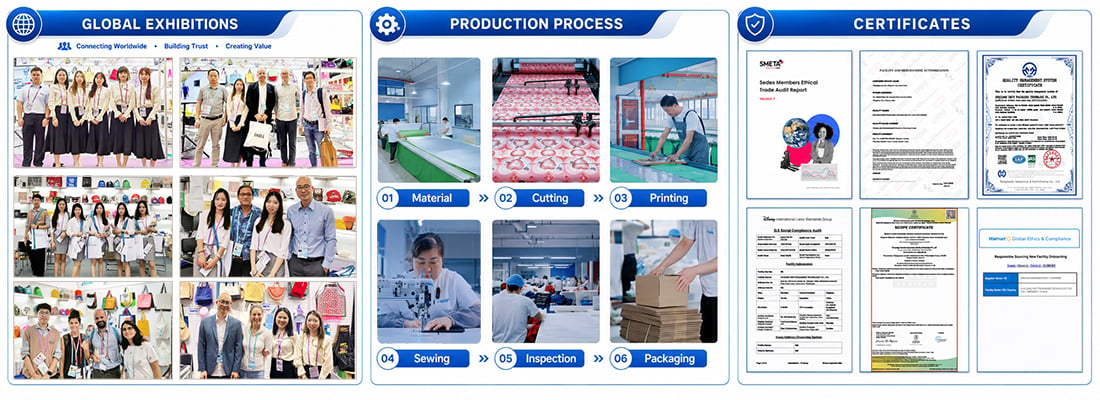
Hangzhou INITI Imp&Exp Co., Ltd. is a custom bag manufacturer and OEM/ODM supplier with more than 16 years of experience in material development, product design, sampling and bulk production. We support retailers, brand owners, promotional companies, importers, distributors, supermarkets and corporate buyers with customized bag solutions for sustainability-focused projects.
Our manufacturing and quality management systems are supported by certifications and audit experience including GRS, SEDEX, DISNEY, HIGG and ISO 9001. Depending on the project requirements, we can assist buyers with recycled material sourcing, material composition planning, custom structure development, printing selection, quality control and bulk order management.
Related Sustainable Bag Products
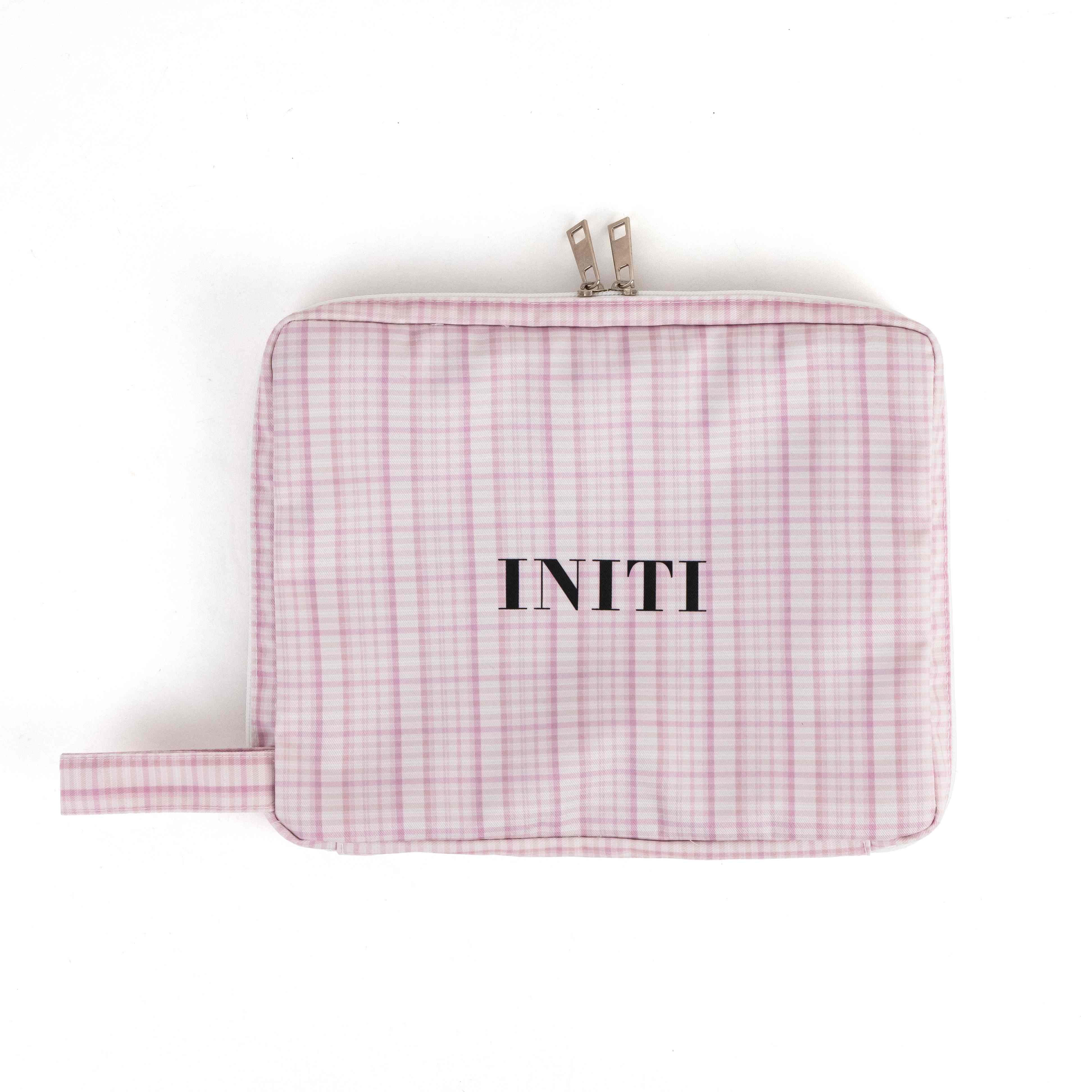
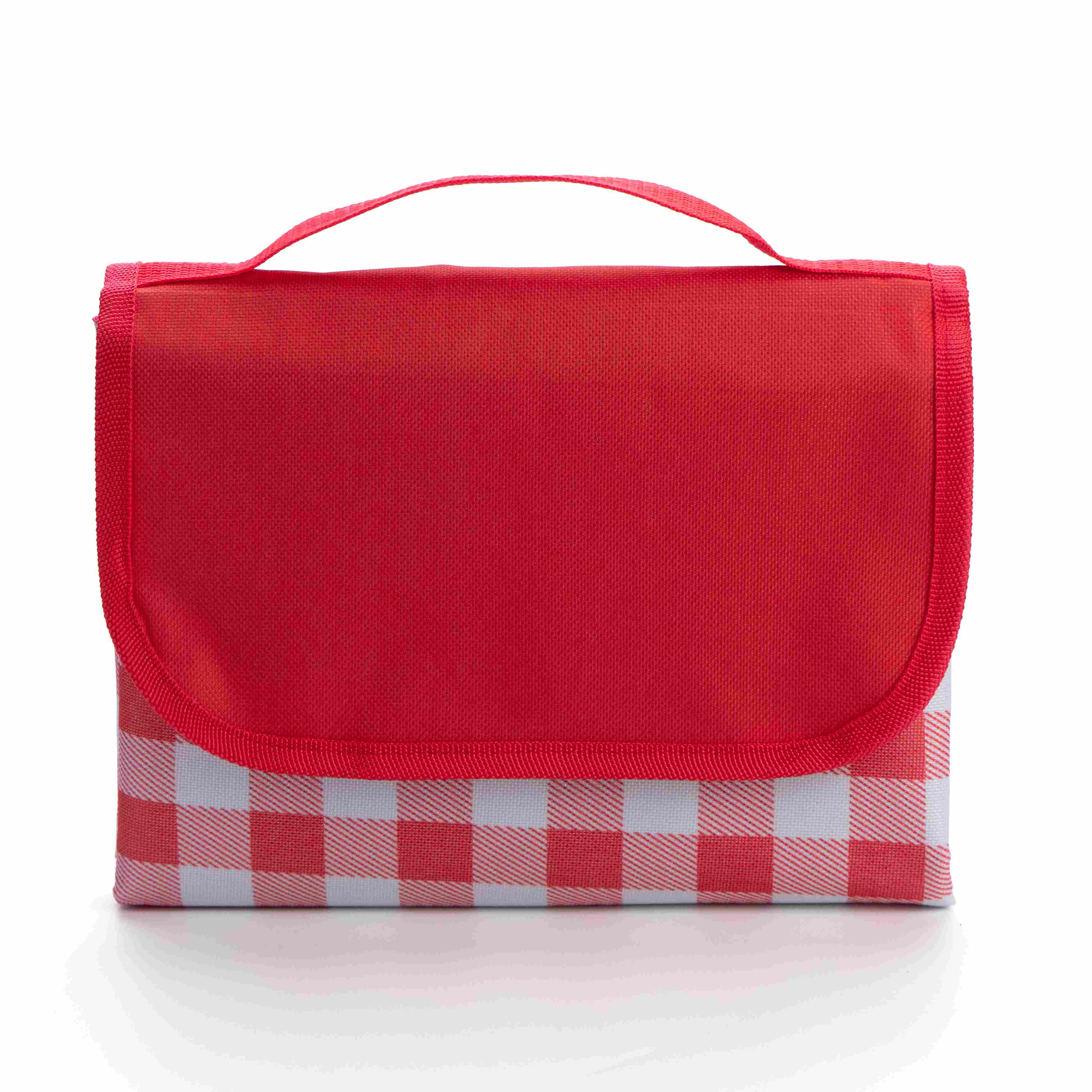
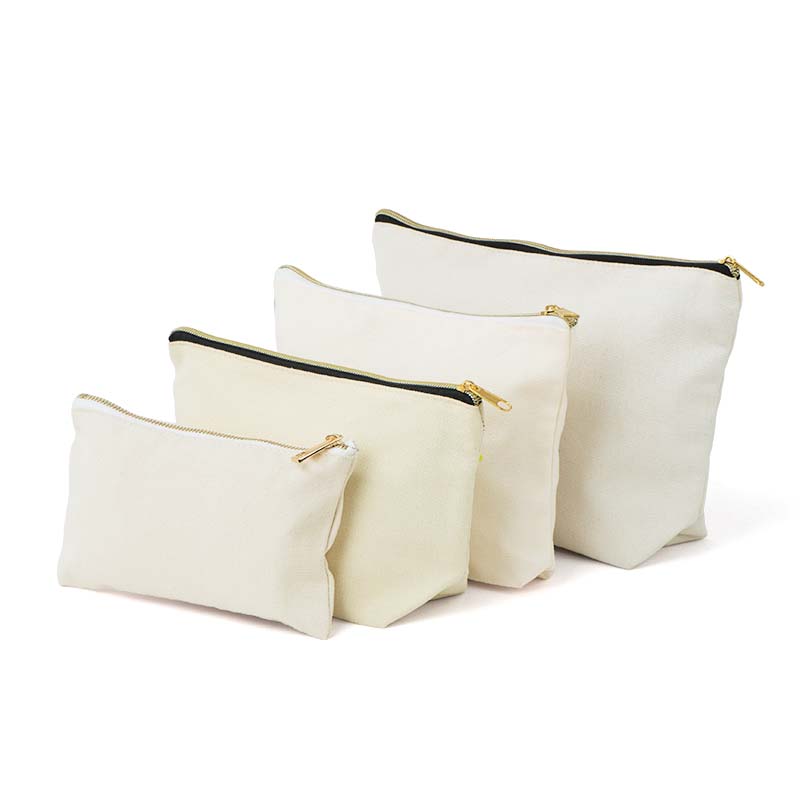
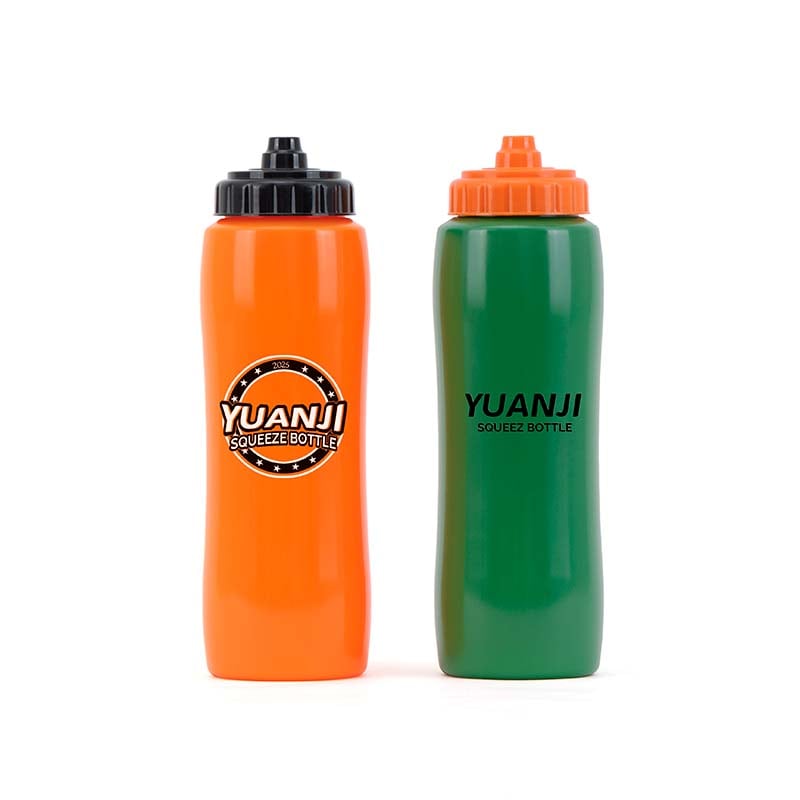
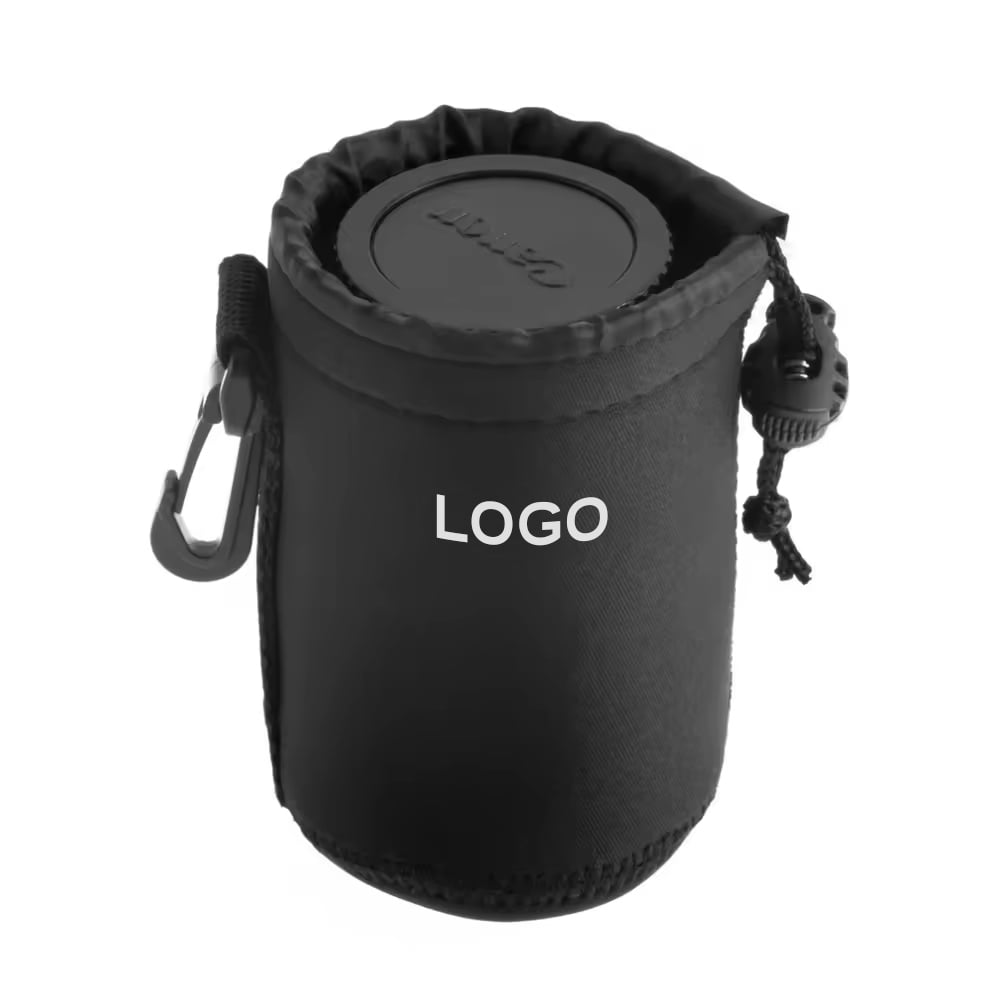
Our relevant product range includes:
For projects targeting European and international markets, we can develop different material levels, including standard RPET fabric options, high recycled content structures and simplified polyester-based mono-material designs.
Buyers can also customize:
- Bag size and structure
- Fabric weight and recycled content
- Handle length and load capacity
- Printing and embroidery
- Zippers, webbing and internal compartments
- Reinforcement and washable structures
- Retail packaging and carton specifications
- Private label and custom branding
Our goal is to help buyers move beyond general “eco-friendly” claims by developing bag products with clearer material information, stronger durability, practical reuse value and more transparent supply chain documentation.



 Hot News