Food delivery packaging has a difficult job.
It needs to hold hot, cold, greasy or liquid food during transport, arrive without leaking, remain easy for customers to carry and still meet increasingly strict packaging requirements.
For restaurants, this means packaging decisions are moving beyond simply choosing between a paper box and a plastic container.
In 2026, the more important trends are about using less unnecessary material while improving actual delivery performance.
Here are the developments that matter most when restaurants and food-service brands source takeaway packaging.
1. Paper and Fiber Packaging Is Moving Beyond Basic Takeaway Boxes
Paper-based packaging is becoming more common in food-service applications, but the change is not simply replacing plastic with ordinary kraft paper.
The real development is in functional fiber packaging.
Suppliers are improving:
- Grease resistance
- Moisture resistance
- Heat retention
- Structural rigidity
- Folding closures
- Barrier coatings
This allows paperboard and molded-fiber packaging to handle foods that were previously difficult to package without plastic.
For restaurants, this opens more options for:
- Burgers
- Fried food
- Bakery products
- Rice and noodle meals
- Prepared meals
- Desserts
- Food-to-go products
The key purchasing question is therefore no longer:
“Is it paper?”
It should be:
“Can this paper structure handle the actual food inside it?”
A bakery box and a container for oily fried chicken have very different barrier requirements.

2. Recyclability Is Becoming More Important Than a General “Eco-Friendly” Claim
Packaging buyers are becoming more careful about sustainability terminology.
Terms such as:
- Eco-friendly
- Green
- Sustainable
- Biodegradable
are too broad unless the supplier can explain what they actually mean.
A more useful packaging specification asks:
- What material is used?
- Is there a plastic coating?
- Can the components be separated?
- Is the packaging recyclable in the target market?
- Is the coating compatible with the paper recycling stream?
- Is supporting material documentation available?
This is why simpler and more recyclable structures are receiving more attention.
For example, replacing a difficult-to-recycle multi-layer structure with paperboard plus a compatible barrier coating may make disposal easier.
Restaurants should evaluate packaging according to the waste system where it will actually be sold rather than relying only on a sustainability logo printed on the box.
3. Plastic-Free Does Not Automatically Mean Better Packaging
Another visible trend is the move toward plastic-free takeaway packaging.
However, restaurants should be careful not to treat “plastic-free” as the only procurement target.
Food packaging still needs to control:
- Oil
- Water
- Steam
- Temperature
- Compression
- Leakage
If a plastic-free container becomes soft before reaching the customer, the sustainability benefit does not compensate for poor delivery performance.
A better approach is to balance:
material reduction + food protection + realistic end-of-life options.
For oily or wet food, the barrier layer deserves particular attention.
Buyers should ask suppliers exactly what coating or treatment provides the grease and moisture resistance rather than simply accepting the description “waterproof paper.”
4. PFAS-Free Grease Resistance Is Becoming an Important Purchasing Requirement
Grease resistance is especially important for:
- Fast food
- Fried food
- Pizza
- Bakery products
- Takeaway meals
Historically, some paper food-packaging applications used PFAS-containing grease-resistant treatments.
This has changed significantly in major markets.
Restaurants and packaging buyers sourcing for the United States should now pay closer attention to whether food-contact paper uses suitable PFAS-free grease-barrier systems.
In practical procurement terms, ask:
- Is the grease-resistant treatment PFAS-free?
- What creates the oil barrier?
- Is the material suitable for direct food contact?
- What test or compliance documentation is available?
For restaurants operating across several countries, these questions should become part of the packaging specification rather than being handled only after production.
5. Reusable Takeaway Packaging Is Becoming a Real Operating Model
Reusable food packaging has existed for years, but regulation and organized return systems are pushing it closer to mainstream food service.
This is particularly relevant in Europe.
Restaurants increasingly need to think about two separate packaging systems:
Single-Use Packaging
Still necessary for many delivery situations where containers leave the restaurant and are unlikely to return.
Reusable Packaging
More suitable for:
- Office campuses
- Universities
- Corporate catering
- Closed delivery networks
- Restaurant chains
- Local takeaway systems
- Deposit-return programs
The major challenge with reuse is not manufacturing a stronger container.
It is managing:
- Collection
- Return rates
- Cleaning
- Hygiene
- Inventory
- Tracking
- Replacement
This means restaurants should not switch to reusable packaging purely because the container itself looks more sustainable.
The reuse system is as important as the packaging.

6. Delivery Packaging Is Being Designed Around the Food, Not Just the Restaurant Logo
Restaurants traditionally chose standard takeaway containers and then added a printed logo.
More delivery-focused brands are now developing packaging around the meal itself.
For example:
Fried Food
Needs ventilation so steam does not immediately soften the product.
Soup and Sauces
Require stronger leak control and secure lids.
Drinks
Need cup stability and separation from hot food.
Desserts
Need protection from compression and movement.
Multi-Item Orders
Need packaging that organizes several containers without allowing them to tip over.
This creates demand for more purposeful structures such as:
- Dividers
- Cup holders
- Flat-bottom bags
- Side gussets
- Reinforced bases
- Locking closures
- Tamper-evident seals
For food delivery, good packaging design should reduce movement before additional packaging material is added.
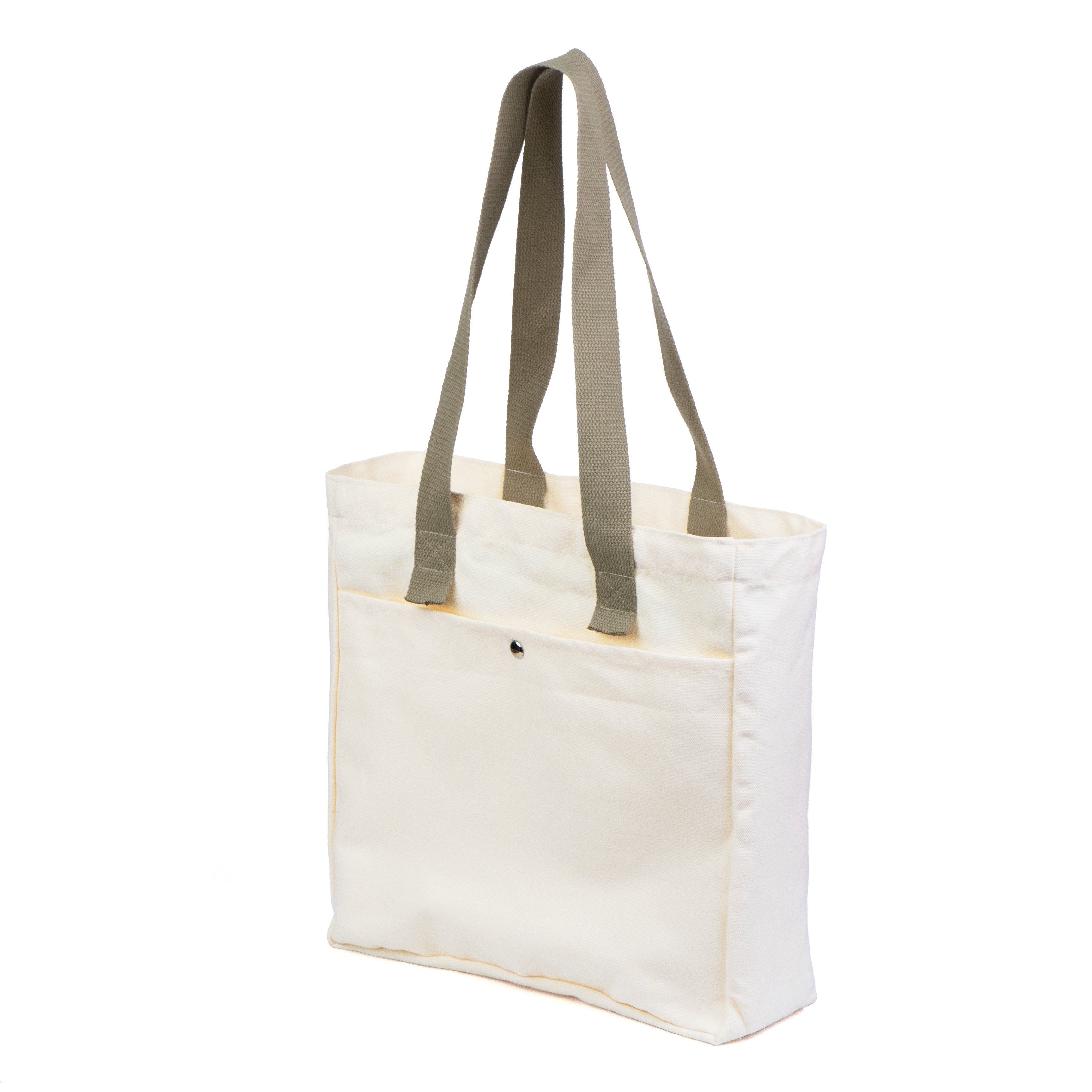
7. The Outer Takeaway Bag Is Becoming More Functional
Restaurants often focus heavily on the food container but overlook the outer bag.
That bag is the part customers and delivery drivers actually carry.
For delivery packaging, useful structures include:
- Flat bottoms
- Wide side gussets
- Reinforced handles
- Rectangular bodies
- Stable openings
These features help keep food containers upright.
A narrow shopping bag may work for clothing but perform poorly when carrying several rectangular meal boxes.
Depending on the order type, restaurants may use:
- Kraft paper takeaway bags
- Non-woven takeaway bags
- Reusable shopping bags
- Insulated food bags
The material should follow the intended use.
For a one-time takeaway order, excessive material may add unnecessary cost.
For supermarket meal programs, catering or branded reusable takeaway programs, a stronger reusable bag may provide more value.
8. Insulated Bags Are Expanding Beyond Traditional Food Delivery
Insulated carriers are no longer used only by professional delivery riders.
They are increasingly relevant for:
- Restaurant takeaway programs
- Meal subscriptions
- Catering
- Grocery delivery
- Bakery delivery
- Corporate lunches
- Chilled beverage promotions
The basic construction usually combines:
- Outer fabric
- Insulation
- Thermal lining
- Closure system
For buyers, insulation should not be judged only by whether the inside looks silver.
Actual performance also depends on:
- Insulation thickness
- Bag dimensions
- Closure
- Frequency of opening
- External temperature
- Initial food temperature
Restaurants should define the expected delivery time before specifying the bag.
A carrier intended for a 15-minute local takeaway route does not necessarily need the same construction as a chilled-food delivery bag used for several hours.

9. Packaging Is Becoming More Material-Efficient
Sustainable packaging does not always require a completely new material.
Sometimes the better solution is simply using less packaging.
Restaurants are increasingly reviewing:
- Oversized takeaway bags
- Unnecessary inner wrapping
- Double packaging
- Excessive void space
- Oversized food containers
- Decorative packaging layers
Right-sizing can reduce:
- Material consumption
- Carton volume
- Storage space
- Freight cost
- Packaging cost per meal
This is particularly important for restaurants with multiple menu sizes.
Using one oversized box for every meal may simplify inventory, but it can create unnecessary material use and poor product presentation.
A better system may use a small number of standardized packaging sizes matched to the major menu groups.
10. Packaging Compliance Is Becoming Part of Supplier Selection
In Europe, the Packaging and Packaging Waste Regulation is now changing how companies approach packaging design, recyclability, waste prevention and reuse.
The regulation generally began applying on 12 August 2026.
For restaurants and takeaway operators, upcoming requirements also make reuse increasingly relevant.
This changes the role of packaging suppliers.
Restaurants selling into regulated markets should increasingly request:
- Material composition
- Food-contact information
- Recyclability information
- Recycled-content information where relevant
- Coating details
- Packaging weight
- Compliance documentation
The supplier should be able to describe the actual packaging structure instead of providing only broad terms such as “eco paper.”
What Restaurants Should Prioritize When Sourcing Delivery Packaging
The most useful approach is to start with the food rather than the packaging material.
| Requirement |
What to Check |
| Hot food |
Heat resistance and steam management |
| Greasy food |
Oil-barrier performance |
| Soup or sauce |
Leak resistance |
| Chilled food |
Insulation and closure |
| Multi-box orders |
Stable outer bag and base |
| Delivery transport |
Compression and movement |
| Branding |
Print area and ink suitability |
| Sustainability |
Material composition and recyclability |
| Export markets |
Food-contact and packaging compliance |
| High-volume orders |
Unit cost and packing efficiency |
A packaging material should solve the delivery problem first.
Environmental claims, printing and branding should then be built around a structure that already works.
What Is Likely to Define Better Food Delivery Packaging in 2026?
The direction is becoming clearer.
Better restaurant packaging will increasingly combine:
Less Material
Remove unnecessary layers and oversized formats.
Better Recyclability
Prefer structures that work with realistic recycling systems.
Functional Fiber Packaging
Use paper and fiber where they can provide the required food protection.
PFAS-Free Barrier Solutions
Especially for grease-resistant paper food packaging.
Reuse Where It Makes Operational Sense
Particularly in closed-loop or organized return systems.
Better Delivery Structure
Prevent leaks, tipping and food movement through design rather than excessive secondary packaging.
Clearer Supplier Data
Restaurants and distributors will increasingly need to know exactly what their packaging is made from.
FAQ
Is paper packaging always better than plastic for food delivery?
No. The correct material depends on food type, barrier requirements, delivery conditions and local waste infrastructure. Poorly designed paper packaging may require additional coatings or layers that change its environmental profile.
What should restaurants check when buying grease-resistant paper packaging?
Confirm the barrier treatment, direct food-contact suitability, PFAS requirements and performance with the actual type of food being packed.
Are reusable containers suitable for all food delivery orders?
No. They work best when there is a realistic return and cleaning system. Long-distance or anonymous third-party delivery can make container recovery difficult.
Why is the outer delivery bag important?
A stable outer bag keeps food containers upright and reduces movement. Flat bottoms, side gussets and suitable handles are especially useful for multi-container orders.
Should restaurants use insulated bags for takeaway?
It depends on delivery time and temperature requirements. Insulated carriers are useful for longer routes, catering, chilled products and reusable delivery programs, but the insulation structure should match the actual use.
Conclusion
The main food delivery packaging trend is not simply replacing plastic with paper.
Restaurants are moving toward packaging that uses less unnecessary material while providing better food protection and clearer end-of-life options.
For buyers, the most important specifications are increasingly:
- Material composition
- Barrier performance
- Leakage control
- Packaging size
- Carrying structure
- Recyclability
- Food-contact suitability
- Compliance documentation
A successful food delivery packaging system needs to work during the entire journey from the restaurant counter to the customer—not just look sustainable before the food is packed.
Inquiry Support
For custom takeaway or insulated food-delivery bags, buyers can provide:
- Intended food or packaging type
- Estimated quantity
- Required bag dimensions
- Expected loaded weight
- Preferred material
- Insulation requirements if applicable
- Logo artwork
- Required colors
- Packaging requirements
If all specifications have not been finalized, the intended use and target quantity can be provided first so an appropriate structure can be recommended.
Related Products


 Hot News