What is Neoprene fabric?
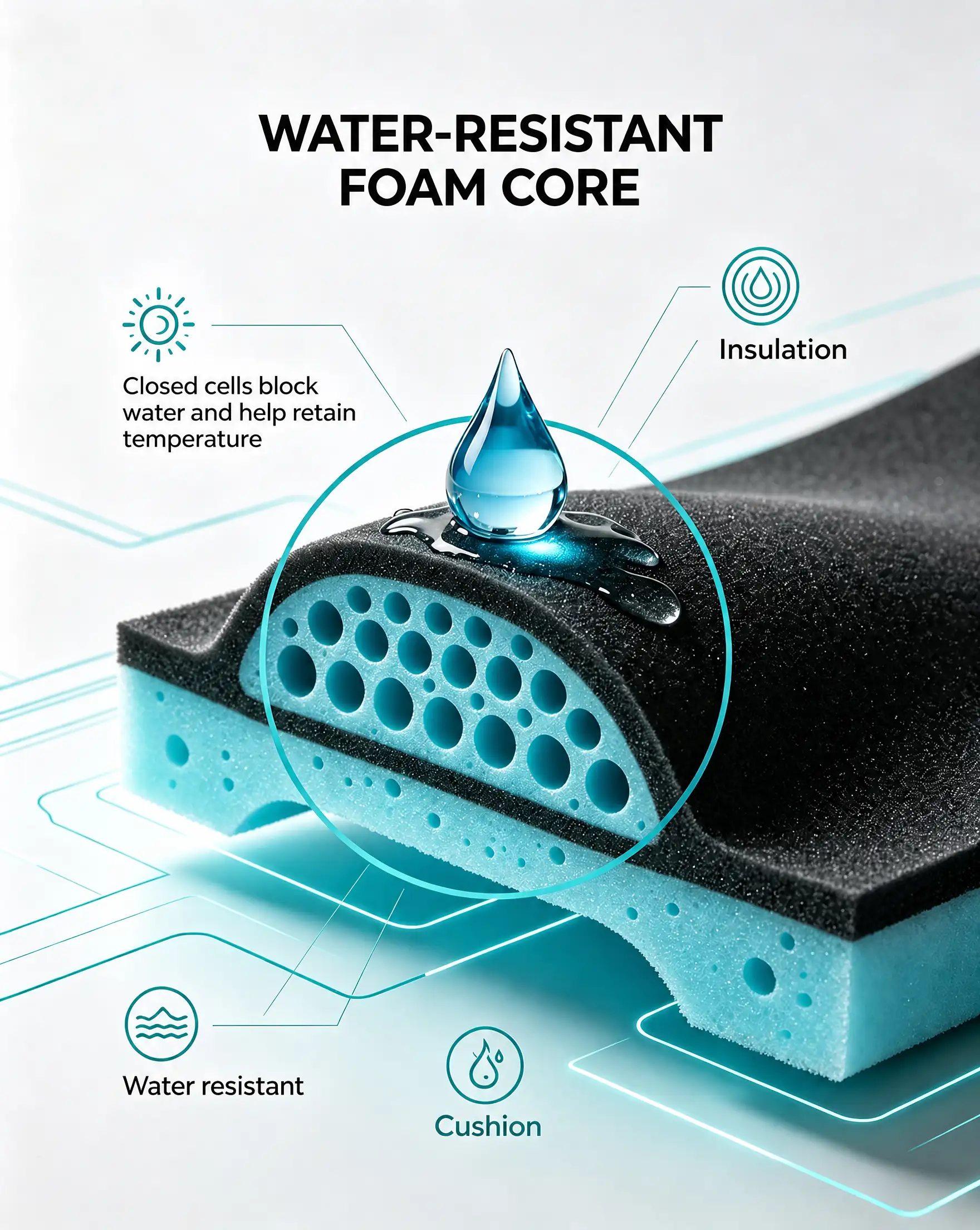
If you have ever carried a neoprene laptop sleeve, packed a lunch bag, or slung a neoprene tote over your shoulder, you have already met this fabric. Neoprene is a synthetic rubber known chemically as polychloroprene, as a substitute for natural rubber. Among other things, Neoprene is entirely waterproof and an excellent insulator, and the same closed-cell foam has become one of the most versatile materials in the bag industry—smooth to the touch, thick enough to protect, and light enough to carry all day.
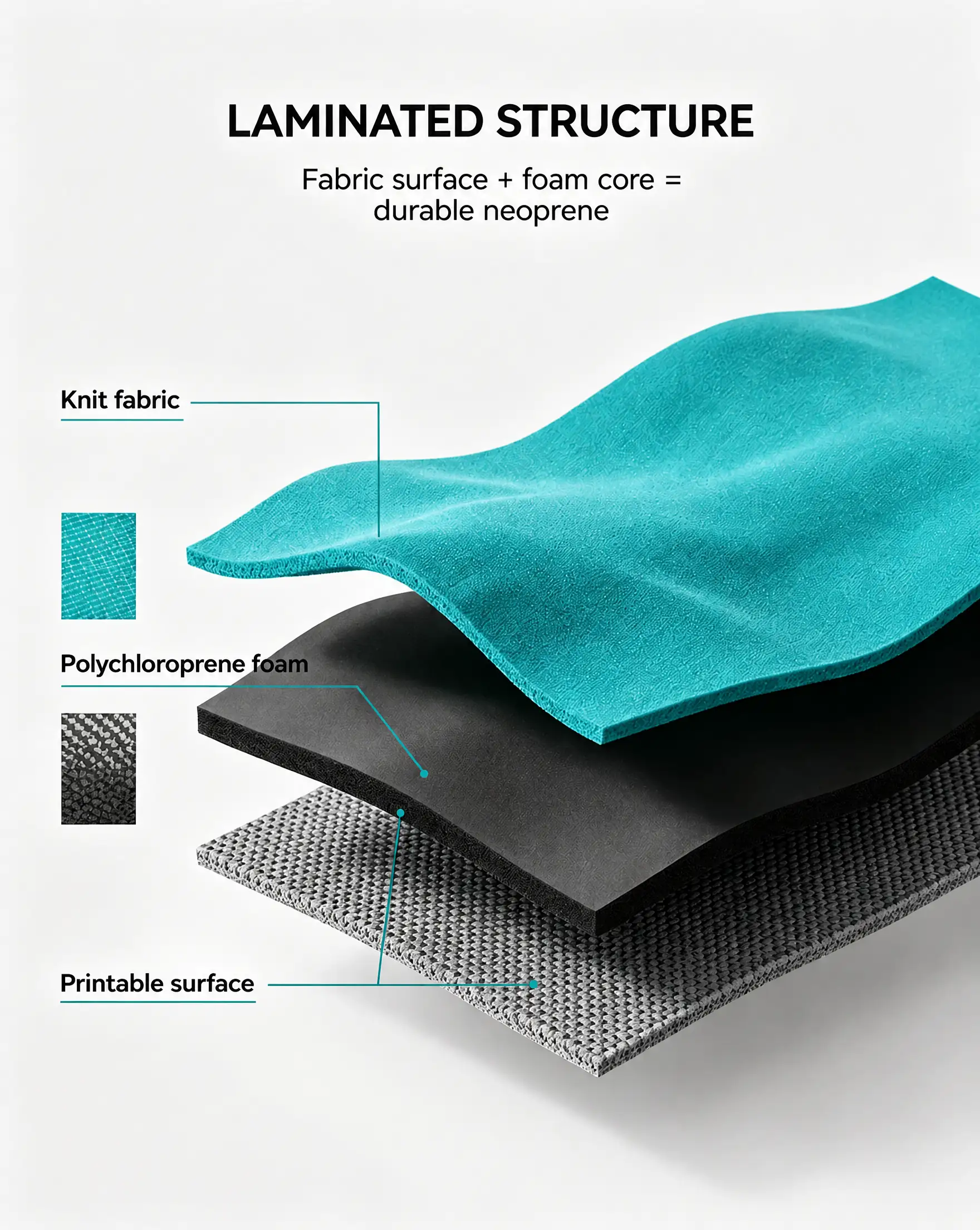
Neoprene fabric is almost never used on its own. In nearly every bag application, the foam core is laminated with a knitted fabric—usually nylon, polyester, or spandex—on one or both sides. This lamination gives the material its clean surface, vivid printability, and resistance to pilling, while the foam core underneath supplies the cushioning, insulation, and waterproofing that bags need.
Why Neoprene Outperforms Traditional Natural Rubber
|
|
Neoprene Fabric |
|
|
|
Full waterproof, closed-cell barrier, resists rain, spills and condensation completely |
Basic waterproof, poor sealing performance |
|
|
High-density foam core, excellent cushioning, protects items from scratches and minor drops |
Soft but single buffer performance, weak targeted protection |
|
|
Stable cold & heat insulation, keeps food/drinks chilled for hours |
Ordinary insulation, performance declines rapidly after aging |
Durability & Weather Resistance |
Anti-aging, UV-resistant, anti-oxidation, no deformation, cracking or hardening in long-term use |
Prone to yellowing, hardening and aging, short service life |
|
|
Moderate and resilient stretch, fits items of different sizes perfectly |
Good elasticity but poor shape retention |
|
|
Smooth laminated surface, vivid color printing, stereo shaping, no collapse when empty
|
Single surface, poor printability, dull appearance |
|
|
High-end positioning, high retail premium, low after-sales risk, suitable for brand upgrading |
Mid-range positioning, limited application scenarios |
Neoprene today
1. Impermeability
Neoprene forms a solid barrier between the bag's contents and the elements. While this attribute completely eliminates breathability, it also provides insulation from environmental conditions that would otherwise be uncomfortable or harmful—rain, spills, and condensation never reach what is inside the bag.
2. Elasticity
Despite providing a perfect barrier against moisture, Neoprene fabric is also quite stretchy. Bags made from it conform around their contents—a laptop sleeve grips the device like a glove, and a lunch bag stretches to fit an extra container. The give also means the same bag comfortably holds items of different sizes.
3. Heat retention
Neoprene provides excellent insulation against cold, and its closed-cell structure works both ways. Cooler bags and lunch bags keep food chilled for hours, while bottle carriers keep drinks cold on a summer hike. Because polychloroprene is a petrochemical foam, it melts at high heat, but for everyday carrying temperatures, its insulation is a genuine advantage.
4. Formability
While most fabrics are woven, Neoprene is formed. It can be pre-made into practically any shape and size, which saves work for bag designers. Panels are die-cut into exact shapes, edges are heat-sealed into clean curves, and the material holds a structured silhouette without linings, interfacing, or internal frames—a quality no woven fabric can match.
The latest on Neoprene
In the bag world, neoprene has moved far beyond laptop sleeves. Today it appears in everyday totes, premium backpacks, travel organizers, pet carriers, and designer collaborations. Two trends dominate: customization—brands printing bold graphics directly onto the laminated surface—and sustainability, with limestone-based polychloroprene and recycled PET laminates gaining ground among eco-conscious manufacturers.
How is Neoprene fabric made?
Neoprene is a petrochemical substance, which means that it is made from petroleum in a factory. Polychloroprene is made with a process called free radical emulsion polymerization, which turns natural chloroprene into synthetic polychloroprene. These two substances are molecularly very similar, but they have very different attributes.
Polychloroprene is usually delivered to textile factories in liquid form. Once it arrives, it is combined with additives to increase elasticity or highlight other traits. Next, it is placed in a mixer and baked in an industrial oven. The hardened chloroprene rubber is called a "loaf," and this loaf can then be sliced into chunks of various widths—from a thin 1.5 mm for cosmetic pouches to a thick 7 mm for laptop protection. The average thickness for bag fabric is 3–5 millimeters.
Most bag-grade neoprene is then laminated: a nylon, polyester, or spandex knit is bonded to one or both faces of the foam sheet. This step defines the fabric's hand feel, durability, and print quality, which is why most bag makers specify the lamination as carefully as the foam itself.
The laminated sheet is loaded onto pallets and shipped to bag manufacturers. Upon arrival, patterns are traced onto the neoprene, and bag panels are cut with die-cutting machines—several dozen at a time. Panels are then printed (screen printing, heat transfer, or sublimation) if the design calls for graphics. Next comes assembly: panels are sewn together with flatlock or overlock stitches, or welded with high-frequency heat sealing for a seamless, waterproof edge. Zippers, webbing straps, buckles, and metal hardware are attached, and the finished bag is inspected, packed, and shipped to the retailer.
How is Neoprene fabric used?
This unique type of fabric is used in various sectors. In the bag industry, its applications span the following product categories:
1. Electronics cases
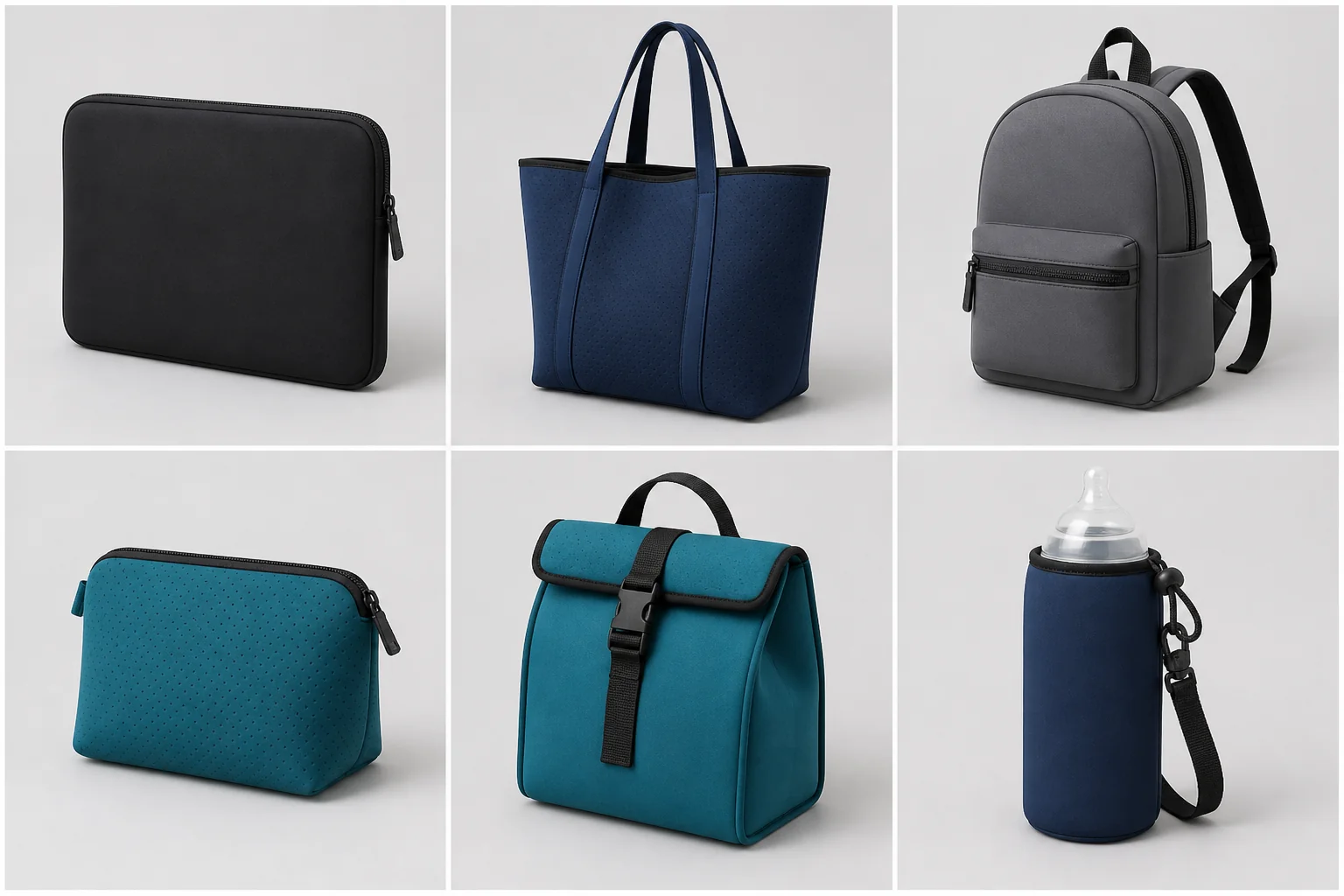
Neoprene's shock-absorbing foam makes it the default material for laptop sleeves, tablet cases, and camera pouches. The closed-cell structure cushions devices from minor drops, and the waterproof surface shields them from rain and spills. While neoprene does not absorb heavy impacts as well as a hard shell, it provides a minimal buffer that protects electronics from scratches and minor drops—at a fraction of the weight.
Everyday totes and shopper bags in neoprene are lightweight, water-repellent, and surprisingly structured. The foam gives the bag a soft yet defined silhouette that holds its shape even when empty, and the laminated surface accepts vivid prints—which is why neoprene totes are a favorite canvas for bold branding and designer graphics.
Neoprene daypacks and kids' backpacks pair the foam's cushioning with padded straps for all-day comfort. The material is soft against the body, molds to the wearer's back, and shrugs off light rain. Many urban commuter packs use neoprene for the entire body; others use it for protective laptop compartments inside conventional backpacks.
Cosmetic pouches and wash bags love neoprene for two reasons: the waterproof surface protects against leaking bottles, and the stretchy material accommodates oddly shaped containers. The soft, squeezable body also makes these pouches easy to pack into already-overstuffed luggage.
The same insulation that keeps divers warm keeps lunch cool. Neoprene cooler bags, lunch bags, and bottle carriers rely on the foam's heat-retention properties to keep food and drinks chilled for hours—making them staples of the commuter and picnic markets. Many are paired with a waterproof lining for easy cleaning.
6. Baby and mom bags
Neoprene diaper bags, bottle holders, and changing pads combine cushioning, water resistance, and easy-to-wipe surfaces—exactly what parents need on the go. The stretchy fabric grips bottles snugly, and the foam protects them from bumps in the stroller basket.
Where is Neoprene fabric produced?
China is the world's largest producer of neoprene fabric and neoprene bags, and its production is organized around two complementary clusters. Raw neoprene sheet production and lamination are concentrated in Fujian Province, while the bag-making ecosystem—cutting, sewing, printing, and hardware—is spread across Guangdong, Zhejiang, and Fujian.
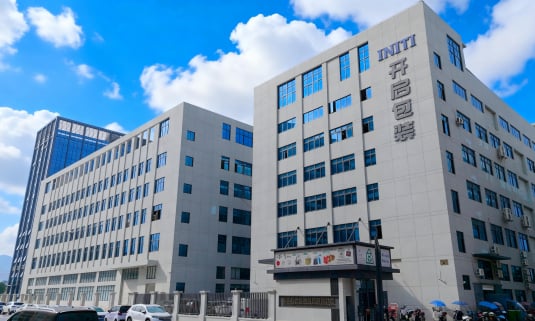
Our own factory sits in Wenzhou, Zhejiang,one of China's most established manufacturing clusters for bags and leather goods, just a few hours from the Fujian sheet suppliers. That proximity, combined with a mature local network of hardware, webbing, and skilled sewing workshops, lets us source premium neoprene sheets at competitive prices—without middlemen.
Every step of your custom neoprene bag happens under one roof: fabric selection, die-cutting, sewing, logo printing, hardware installation, and final packaging. Because the process is vertically integrated, we control quality end to end, respond faster to changes, and keep costs transparent.
For international brand partners, this translates into practical advantages: flexible OEM and ODM support, shorter lead times, competitive pricing, and one dedicated project contact who manages everything from sample approval to delivery.


 Hot News