How to Use and Clean a Shaker Bottle
A shaker bottle makes it easier to prepare protein shakes, meal replacements and other powdered drinks without an electric blender. Most manual designs use a mixing ball, grid or specially shaped internal component to help disperse powder.
Using one takes only a few steps. Keeping it clean and using it safely requires more attention.
Protein residue can remain around the drinking spout, lid threads, seals and mixing accessories. A loose flip cap may leak during shaking. Heating a sealed bottle or leaving a prepared drink unrefrigerated can create separate safety problems.
This guide explains how to use and clean a shaker bottle, whether it can go in a dishwasher or microwave, how to choose its capacity and how to handle prepared protein drinks.
It also addresses questions about plastic wear and the features brands should consider when sourcing custom shaker bottles.
1. How to Use a Shaker Bottle
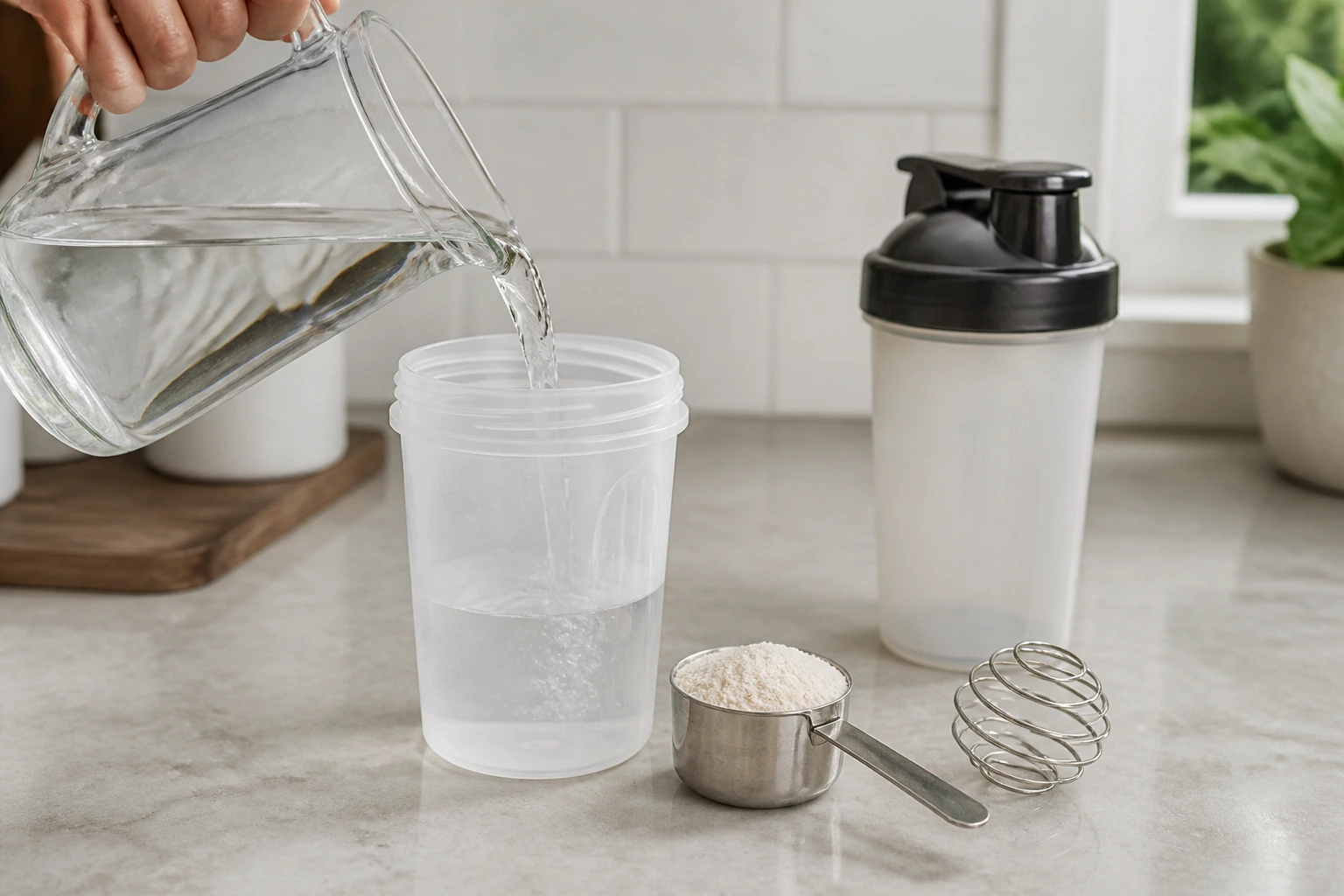
A manual shaker works by moving liquid and powder through the container. A wire ball or mixing grid helps break apart clumps and distribute the ingredients.
The correct procedure depends on the bottle and the powder formulation.
How to Use Blender Bottle
BlenderBottle is a specific shaker bottle brand. Its conventional wire-ball products follow a straightforward mixing process that is also familiar to users of other manual shakers.
- Check the components. Make sure the bottle, lid, drinking cap and mixing ball are clean and undamaged.
- Add liquid first. Use the amount recommended by the protein or supplement manufacturer.
- Add the powder. Follow the serving instructions and leave sufficient space for mixing.
- Place the mixing accessory correctly. For a wire-ball shaker, the ball normally sits inside the bottle.
- Close both openings. Secure the screw-on lid and fully close the flip cap.
- Shake the bottle. Follow the drink instructions and avoid shaking beyond the product's approved conditions.
- Open carefully and drink. Keep the spout directed away from your face when opening.
- Clean promptly. Remove the remaining drink and wash the bottle after use.
For a shaker with a mixing grid rather than a loose ball, the grid may need to be installed below the lid before shaking.
The same basic mixing principles apply to many manual shakers, but cleaning, heating and capacity specifications are product-specific.
For fitness brands and wholesale buyers, this distinction matters. A private-label shaker should have its own confirmed instructions and performance requirements rather than rely on another brand's documentation.
Why Is My Protein Powder Still Clumpy?
Powder clumping can result from the formulation, amount of liquid, mixing method or internal bottle design.
Before blaming the mixing system, check whether:
- The recommended liquid-to-powder ratio was followed.
- Enough free space was left inside the bottle.
- The mixing ball can move freely.
- The mixing grid is installed correctly.
- The powder manufacturer recommends a particular mixing procedure.
Some ingredients disperse or remain suspended rather than dissolve completely. A shaker cannot guarantee a perfectly smooth result for every formulation.
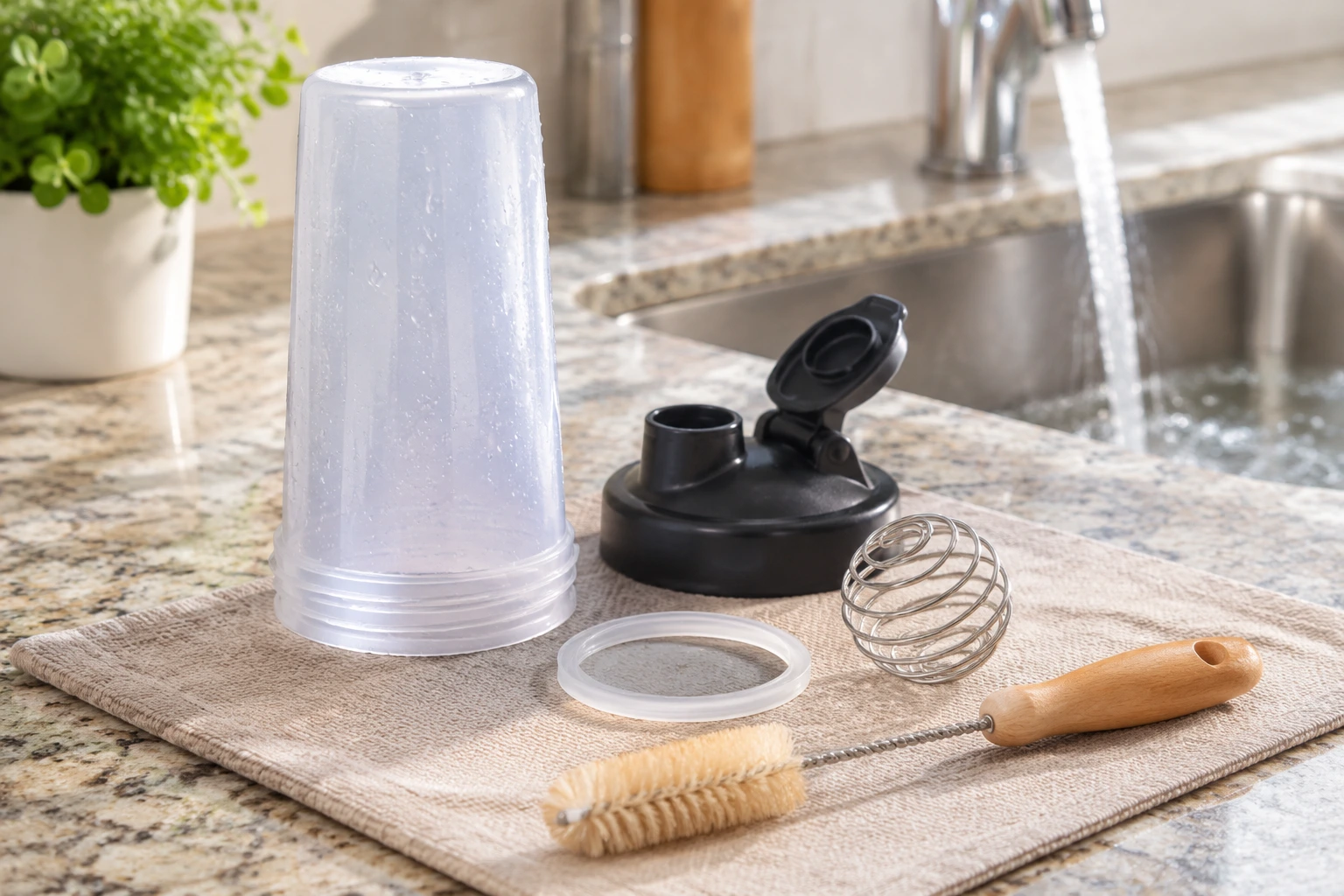
A quick rinse helps remove loose residue, but a bottle used for protein drinks should be washed properly after each use.
The areas most likely to retain residue are the lid threads, drinking spout, flip-cap hinge, gaskets, mixing grid and bottom corners.
A Practical Cleaning Routine
- Empty any remaining drink.
- Separate the lid, mixing ball or removable grid.
- Remove detachable storage compartments if present.
- Wash accessible surfaces with warm water, mild dishwashing detergent and a soft brush or sponge.
- Clean the drinking opening and sealing areas carefully.
- Rinse thoroughly.
- Let all components dry completely before reassembling or storing.
Only remove gaskets or other fitted components if the manufacturer permits disassembly.
Do not force apart a sealed component that is not designed to be removed.
Are Blender Bottles Dishwasher Safe?
Many conventional BlenderBottle cups and lids are dishwasher-safe, with the manufacturer recommending the top rack for suitable plastic components and the silverware basket for the wire mixing ball.
However, its guidance includes exceptions. Certain insulated models require hand-washing, and custom-printed bottles may also need to be washed by hand to protect the decoration.
This does not establish that every shaker bottle is dishwasher-safe.
For other products, compatibility depends on the bottle material, lid, seals, printing and approved cleaning conditions.
| Component |
What to Check |
| Plastic bottle body |
Whether the specific model permits dishwasher cleaning |
| Flip lid |
Approved rack placement and cleaning temperature |
| Mixing ball |
Material and manufacturer care instructions |
| Silicone seal |
Whether it can be removed and how it should be cleaned |
| Printed logo |
Whether the decoration has been assessed for repeated washing |
| Insulated construction |
Any model-specific hand-wash requirement |
For private-label projects, a dishwasher-safe claim should be supported by testing or other appropriate evidence for the finished product, including its branding.
How Do You Remove Odors From a Shaker Bottle?
An unpleasant smell is often caused by drink residue that has remained in the bottle or lid.
Start by washing the separate components thoroughly. Use a soft brush around the threads, drinking opening and accessible gasket areas.
If odor remains, use only an additional cleaning or odor-removal method approved for that product. Rinse well and let the bottle dry with the lid off.
Avoid abrasive scrubbers and unapproved chemical cleaners that may damage plastic surfaces or printing.
If the bottle remains contaminated, the seal cannot be cleaned properly, or the plastic is cracked or seriously deteriorated, replacement may be appropriate.
The most effective odor-prevention routine is simple: empty, wash and fully dry the shaker soon after use.
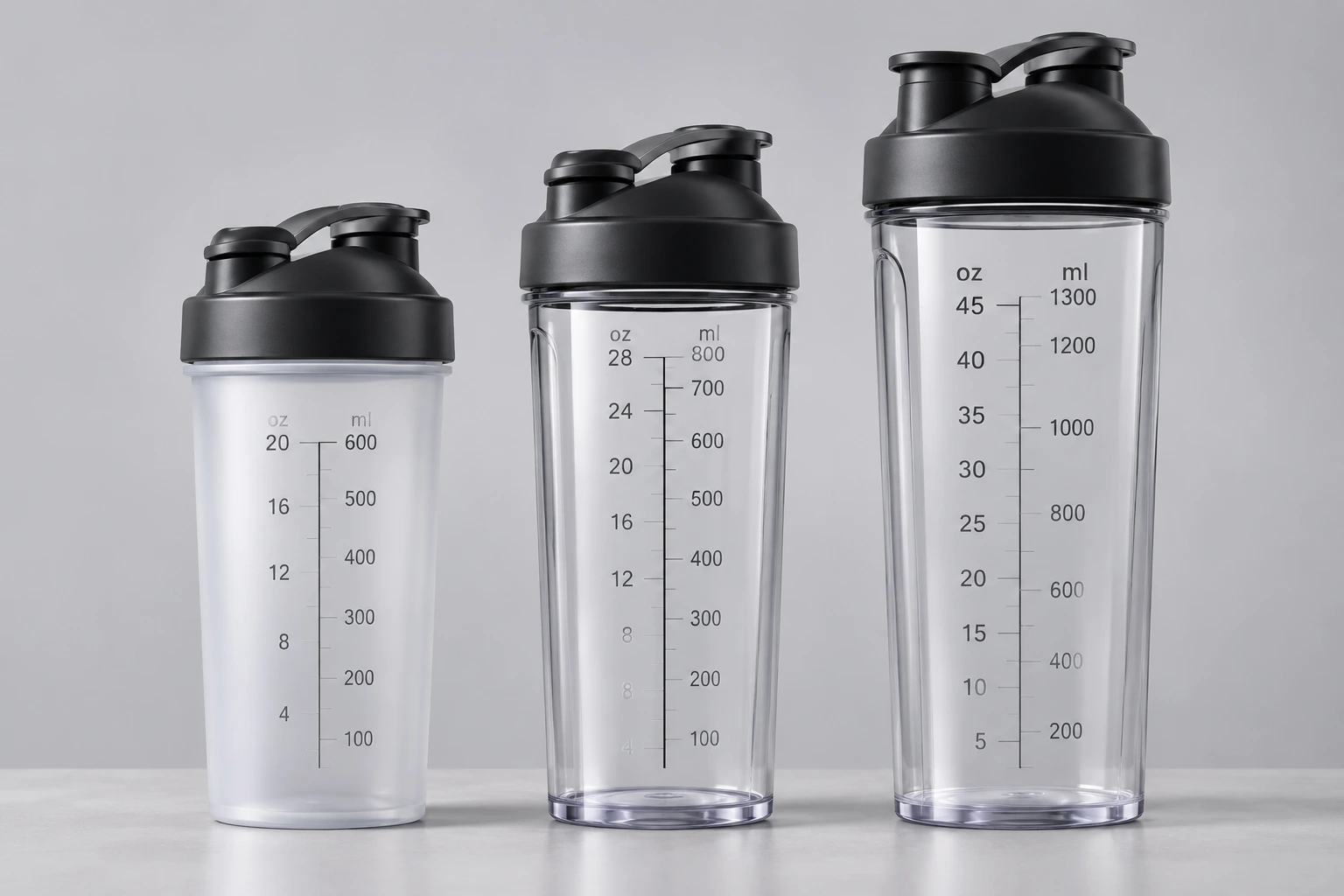
Shaker bottles are sold in different capacities. The right size depends on the drink serving, the free space needed for mixing and how the bottle will be carried.
How Many Ounces Are in a Shaker Bottle?
There is no standard capacity for every shaker bottle.
Commonly marketed capacities include 16, 20, 24, 28 and 32 US fluid ounces, with larger versions also available.
| Example Size |
Typical Consideration |
| 16–20 US fl oz |
Compact bottle for smaller intended servings |
| 24–28 US fl oz |
General fitness use and protein drinks |
| 32 US fl oz or more |
Larger servings or greater carrying capacity |
These are examples rather than fixed industry categories.
US fluid ounces measure liquid volume, not powder weight.
A larger bottle is not automatically better. Its recommended mixing fill level may be lower than its total capacity, allowing space for the liquid and mixing accessory to move.
How Many Ounces Are Blender Bottles?
Capacity depends on the product range.
For example, the BlenderBottle Classic range has been offered in 20, 28 and 45 US fl oz versions.
These are specifications for that particular series, not for every product sold under the brand.
Another important distinction is the difference between:
- Total capacity: The volume measured to the brim under the manufacturer's stated conditions.
- Printed measurement scale: The volume indicated by the markings on the bottle.
- Recommended mixing volume: The amount suitable for shaking under the product's instructions.
The highest printed marking may be lower than the bottle's stated total capacity.
When developing custom shaker bottles, buyers should specify which capacity is being quoted and verify the scale against measured liquid volumes.
4. Microwave and Warm-Liquid Safety
A shaker bottle should not be treated as microwave-safe simply because it is reusable or made from a familiar plastic.
Are Blender Bottles Microwave Safe?
BlenderBottle's official care instructions advise against microwaving its shaker bottles.
Heating can create pressure inside a sealed container and may cause the lid or flip cap to open unexpectedly.
A bottle containing a stainless steel wire mixing ball must not be microwaved.
For other shaker brands, microwave compatibility must be verified for the actual container and all relevant components.
BPA-free does not mean microwave-safe.
Can You Shake Protein Powder With Warm Water?
Do not assume a sealed shaker is suitable for warm or hot drinks.
Temperature changes, gas-producing ingredients and pressure buildup can create hazards. Foaming mixtures may also spray when a cap is opened.
A stronger lid latch is not the same as a purpose-designed pressure-release mechanism.
There is no universal safe limit, such as 40°C or 50°C, that applies to every shaker.
Unless a product is specifically designed and validated for warm-liquid mixing, follow its temperature restrictions and use cool or room-temperature liquids.
Never shake carbonated drinks in a conventional sealed shaker unless its manufacturer explicitly approves that use.
Warm water used for washing an open, disassembled bottle is different from shaking warm liquid in a sealed one.
5. How Long Can a Protein Shake Stay in the Bottle?
Storage safety depends on the drink ingredients, preparation hygiene and temperature—not just the bottle.
How Long Can I Keep Protein Shake in Bottle?
There is no single safe storage period for every prepared protein shake.
Drinks containing milk, yogurt or other perishable ingredients should be refrigerated promptly.
Under general US food safety guidance, perishable foods should not remain unrefrigerated for more than 2 hours, or more than 1 hour when the surrounding temperature exceeds 90°F (32°C).
Refrigeration should be maintained at 40°F (4°C) or below.
These are general food-safety limits, not a promise that every protein drink remains suitable until the time limit is reached.
For mixed drinks:
- Follow the ingredient or beverage manufacturer's storage instructions.
- Use clean equipment and suitable ingredients.
- Refrigerate perishable drinks promptly.
- Avoid leaving a milk-based shake in a warm car or gym bag.
- Discard a drink when safe storage conditions cannot be confirmed.
Do not assume that all shakes remain safe for 24 or 48 hours, even when refrigerated.
A normal smell is not proof of safety, while signs of spoilage are reasons to discard the drink.
Is It Better to Keep Powder Separate Until Drinking?
For users preparing a drink later in the day, carrying dry powder separately can be more convenient than storing a mixed beverage.
Some shaker bottles include a detachable powder compartment.
For example, INITI's Shaker Bottle with Storage Compartment includes a separate bottom container alongside its mixing components.
The compartment should be kept clean and used according to its intended purpose.
6. Plastic Shaker Bottles and Microplastics
Reusable plastic drinkware has become a subject of research into particle release during use.
The evidence needs to be interpreted carefully.
Do Plastic Shaker Bottles Have Microplastics?
Plastic shaker bottles can release microplastic particles under certain conditions, including mechanical wear.
A 2026 study published in the Journal of Hazardous Materials examined polypropylene, polycarbonate and Tritan shaker bottles.
The researchers detected particles during tests without a mixing ball, and found that contact between a stainless steel mixing ball and the plastic bottle wall increased particle release under the tested conditions.
Release varied with material, shaking procedure and product aging.
The findings identify a potential exposure mechanism. They do not establish that every shaker releases the same quantity of particles or that the measured exposure necessarily causes a particular health outcome.
The US FDA has also stated that scientific evidence remains insufficient to conclude that the levels of microplastics currently detected in foods pose a demonstrated human health risk.
Particle detection, exposure estimates and proven health effects are different questions.
What Can Users Do?
Practical precautions include:
- Follow the manufacturer's temperature and cleaning instructions.
- Avoid unnecessary abrasive cleaning.
- Inspect plastic bodies for cracks and serious wear.
- Replace damaged mixing accessories or bottle components.
- Avoid unsupported claims that any material or shaker is completely microplastic-free.
For brands, the relevant product-development issues include material selection, internal surface wear, mixing accessory contact and performance after repeated use.
A stainless steel bottle may avoid some plastic-body abrasion mechanisms, but its lid and other accessories may still contain plastic.
7. Making a Shaker Bottle: Home Use vs OEM Production
The phrase make a shaker bottle can describe either a simple household alternative or the industrial development of a commercial product.
How to Make a Shaker Bottle
If a dedicated shaker is unavailable, a clean food-contact-suitable container with an appropriate lid may be used to hold a cool or room-temperature drink.
A practical temporary method is to mix powder and liquid with a clean utensil in a suitable container, then transfer the drink if necessary.
Do not add ordinary metal springs, marbles or unknown plastic objects as improvised mixing accessories.
Do not modify a lid to create a supposed pressure-release feature.
A household mixing container is not equivalent to a purpose-designed, tested shaker bottle.
How Are Custom Shaker Bottles Developed?
For retail or promotional programs, the development process normally includes:
- Defining the target drink, capacity and user.
- Selecting suitable bottle and lid materials.
- Choosing an available or custom component design.
- Selecting the mixing ball, grid or other system.
- Confirming the lid, thread and seal arrangement.
- Approving samples and relevant performance tests.
- Verifying applicable food-contact requirements.
- Finalizing colors, branding, packaging and production specifications.
Actual molding and assembly arrangements depend on the selected manufacturing supply chain.
For a commercial product, reliable sealing, appropriate material documentation and repeatable assembly matter more than the appearance of the bottle alone.
8. Common Problems When Using a Shaker Bottle
| Problem |
Likely Area to Investigate |
Practical Response |
| Powder remains at the bottom |
Mixing procedure, powder formulation or insufficient agitation |
Check liquid-to-powder ratio and mixing accessory |
| Bottle leaks while shaking |
Main lid, flip cap or seal |
Inspect both closures and the sealing surfaces |
| Persistent odor |
Trapped protein residue |
Thoroughly clean permitted removable components |
| White residue or film |
Drink residue, minerals or detergent |
Clean and identify whether it is residue or damage |
| Fading measurement marks |
Printing durability or unsuitable cleaning |
Follow care instructions; check marking quality |
| Difficult-to-close lid |
Misaligned threads, residue or damage |
Clean and inspect without forcing the lid |
| Cracked or badly scratched body |
Impact or repeated wear |
Replace damaged components or the bottle |
A bottle that does not leak while standing upright may still leak during vigorous shaking.
For finished-product evaluation, leakage tests should use defined fill levels, movement procedures and acceptance criteria.
9. What Should Wholesale Buyers Check?
For fitness brands, supplement companies and promotional distributors, using and cleaning instructions are part of the finished-product specification.
A shaker may look attractive on a retail shelf but still generate complaints if its lid leaks, measurement scale is inaccurate or components are hard to clean.
| Purchasing Item |
Main Check |
| Material |
Actual resin or metal grade and relevant food-contact documents |
| Capacity |
Nominal volume, usable mixing volume and marking accuracy |
| Mixing system |
Performance with the intended powder and ease of cleaning |
| Main lid |
Thread fit, sealing and repeated operation |
| Flip cap |
Closure retention and opening behavior |
| Cleaning |
Dishwasher or hand-washing conditions for the finished product |
| Temperature |
Approved use and cleaning limits |
| Branding |
Logo adhesion and durability under approved cleaning |
| Packaging |
Clear user instructions, warnings and destination-market requirements |
| Bulk quality |
Agreed sample, components and final inspection criteria |
Shaker Bottle Design References from INITI
INITI's existing products illustrate different configurations rather than one universal specification.
The Plastic Shaker Bottle with Mixing Ball uses a plastic body, flip lid and stainless steel wire ball—an uncomplicated reference for manual powder mixing.
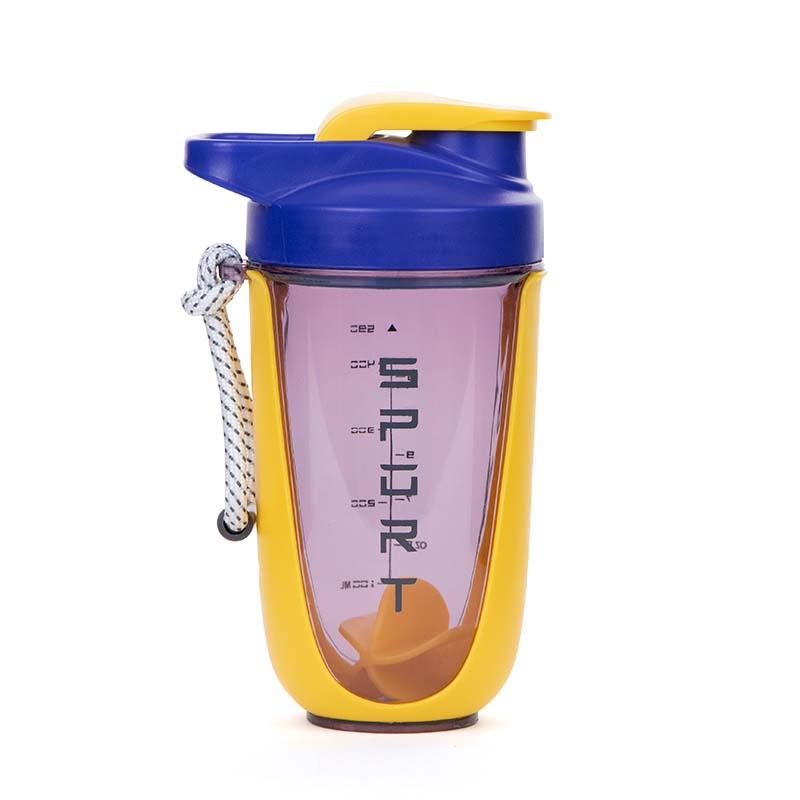
The Custom Shaker Bottle with Mixing Ball adds measurement markings and a carrying feature. For this style, marking accuracy and component attachment deserve attention.
The Shaker Bottle with Storage Compartment combines a mixing ball, removable strainer and detachable bottom container. It offers additional storage but also introduces more surfaces and connections to clean.
These products can serve as starting points for OEM/ODM development. Dishwasher suitability, food-contact documentation and other claims must be confirmed for the selected design.
Why Choose INITI for Custom Shaker Bottles?
Hangzhou INITI Imp&Exp Co., Ltd. has over 16 years of experience in custom bags, packaging and promotional product programs.
Our drinkware collection includes shaker designs with mixing balls, measurement markings, carrying accessories and detachable storage compartments.
INITI supports OEM/ODM product development, component selection, color and logo customization, sampling, quality-control coordination and export packaging.
For fitness and supplement brands, shaker bottles can also be developed as coordinated merchandise with gym bags, drawstring bags or gift packaging.
Material documentation, care instructions and testing requirements are confirmed according to the product and destination market.
We provide fast quotations and free design support for custom shaker bottle projects.
FAQ
1. Should I wash a shaker bottle before first use?
Yes. Clean the bottle and all manufacturer-approved removable components before using it for the first time.
2. Is a BPA-free shaker bottle automatically dishwasher-safe?
No. BPA-free and dishwasher-safe are different claims. Cleaning suitability depends on the finished bottle, lid, seals and decoration.
3. Can a protein shaker be used for ordinary water?
Yes, when permitted by the product instructions. A manual shaker can also serve as a drinking bottle, although its mixing components may be unnecessary for plain water.
4. When should I replace a plastic shaker bottle?
Replace a bottle or affected component if it develops cracks, serious wear, unreliable closures or persistent contamination that cannot be properly removed.
5. Can INITI supply custom shaker bottles with logos?
Yes. INITI supports customizable shaker bottle projects covering materials, capacities, mixing accessories, colors, logos and packaging. Specifications and minimum quantities are confirmed for each order.
Conclusion
A shaker bottle is simple to use, but its performance depends on more than the mixing ball.
Correct filling, secure closures, prompt cleaning and appropriate drink storage all matter.
Dishwasher and microwave suitability should be checked for the specific product. Likewise, nominal capacity, printed measurement markings and practical mixing volume should not be confused.
For brands and wholesale buyers, these details affect consumer instructions, product specifications and quality control.
Related Blog & Application Articles
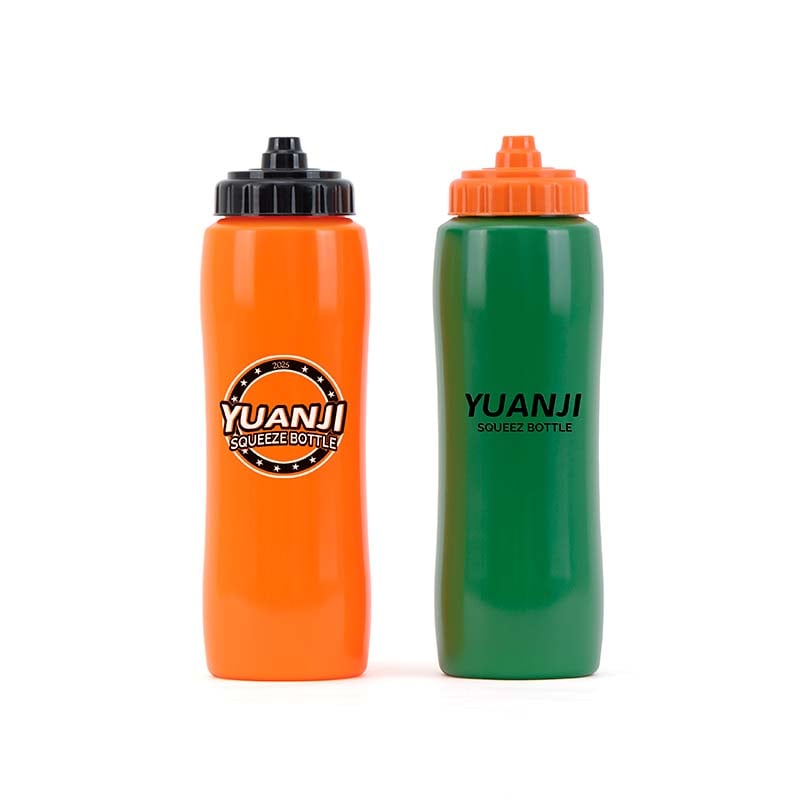
Sports Squeeze Bottle vs Shaker Bottle: Which Product Fits Your Market?
Professional Shaker Bottle Manufacturer — Fitness and Nutrition Solutions
Reference Notes
BlenderBottle — Official Use & Care; Frequently Asked Questions; Classic product specifications. Brand-specific information only.
FoodSafety.gov — Four Steps to Food Safety; guidance on refrigeration and the two-hour/one-hour rule for perishable foods.
US Food and Drug Administration — Microplastics and Nanoplastics in Foods.
Yang, C., et al. (2026). “Polymer-specific abrasion and aging govern microplastic release from reusable plastic shaker bottles.” Journal of Hazardous Materials, 515, 143125. DOI: 10.1016/j.jhazmat.2026.143125.
Inquiry Support
Looking for custom shaker bottles for a supplement brand, fitness chain, sports retailer or promotional campaign?
Send us your preferred material, capacity, mixing system, lid design, logo artwork, destination market, estimated quantity and packaging requirements.
Email us at [email protected] for a fast quotation, free design support and OEM/ODM shaker bottle development.




 Hot News