Professional custom recyclable bags, storage & gift products maker since 2010. Full customization, one-stop design-sample-production service for supermarkets & distributors.
Suit Garment Bag vs Coat Cover Bag: What’s the Difference?
Nov 19, 2026
Suit Garment Bag vs Coat Cover Bag: What’s the Difference?
A suit garment bag and a coat cover bag serve a similar basic purpose: protecting hanging apparel from dust, airborne debris and mechanical friction during storage, transit or retail presentation.
However, they are engineered around fundamentally different garment construction principles and internal volume requirements.
A suit garment bag is designed around the three-dimensional anatomy of structured formalwear—protecting floating chest canvas, delicate shoulder padding, natural lapel rolls and pressed wool trousers. In contrast, a coat cover bag is engineered to accommodate substantial vertical length, heavy fabric bulk, wide sleeve circumferences and significant depth without compressing the outerwear inside.
While a versatile garment cover can hold both garments under the right dimensions, treating them as identical products often leads to crushed tailored jackets, distorted overcoat shoulders or strained zippers.
For apparel brands, bespoke tailors, dry cleaners, luxury hotels and wholesale distributors, choosing the right specification requires understanding garment fit, textile breathability, seam reinforcement and intended commercial use.
1. Suit Garment Bag vs Coat Cover Bag: Key Differences
The primary distinction lies in garment architecture and internal volume rather than just a difference in length.
Engineering Feature
Suit Garment Bag
Coat Cover Bag
Intended Garments
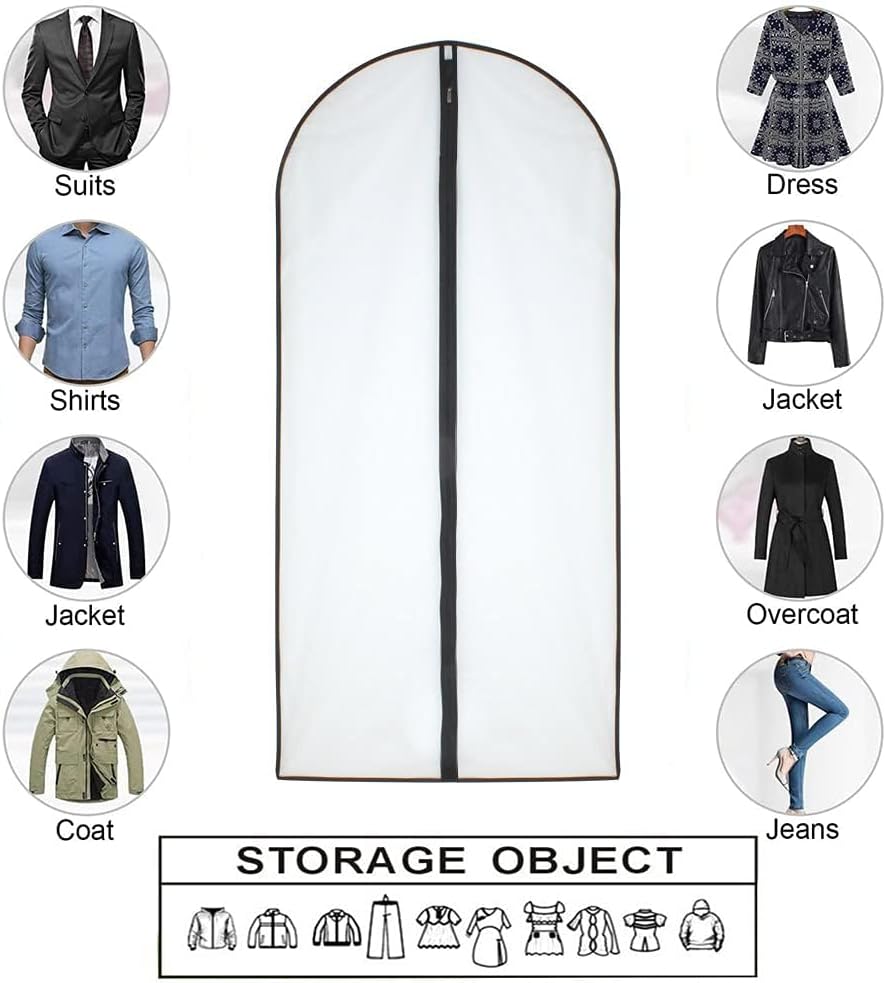
Tailored two-piece/three-piece suits, blazers, tuxedos and formal trousers
Trench coats, heavy wool overcoats, down puffers, parkas and seasonal outerwear
Primary Protective Function
Preserving internal canvas memory, shoulder pads, lapel roll and wool drape
Providing vertical hem clearance and 3D depth to prevent insulation/fabric compression
Cover Architecture
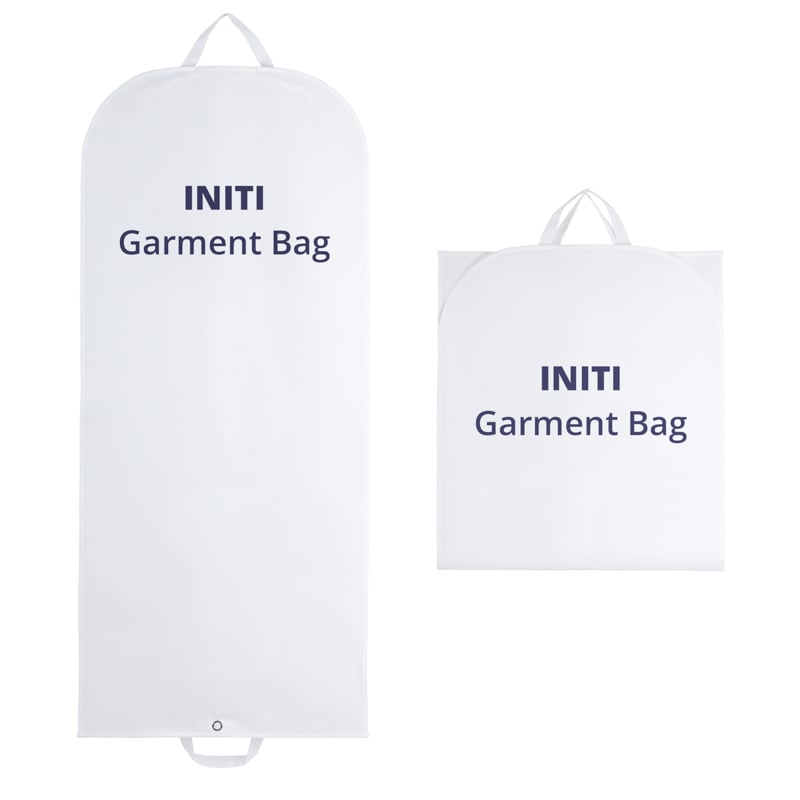
Frequently flat (for single suits) or bi-fold/tri-fold with carry handles
Flat (for light trench coats) or gusseted (3–5 inches of depth) for heavy winter outerwear
Depth Allowance
Minimal depth needed for a single tailored suit on a contoured hanger
Substantial perimeter or side gusset required for thick woolens or down filling
Material Priority
High air permeability (breathable non-woven or cotton) to prevent humidity traps
Durable tear-resistant fabric (polyester/Oxford or thick PEVA) to bear heavy garment weight
Handling & Transit
Webbing handles, fold-over snaps and internal securing straps common for business travel
Typically straight-hanging closet storage; heavy-duty top hanger loop for multi-coat support
Outerwear brands, dry cleaners, seasonal wardrobe organizers and hospitality suppliers
A flat suit cover may temporarily hold a lightweight summer trench coat, and a deep gusseted coat cover can easily store a suit. However, specifying the correct dimensions, gusset and fabric ensures professional presentation and avoids costly returns.
A suit garment bag is an engineered protective cover built specifically around the three-dimensional architecture and delicate natural fibers of tailored formalwear.
Unlike unstructured casual clothing, a tailored suit jacket is constructed with delicate internal layers—including chest canvas, shoulder pads and sleeve heads—that require dedicated structural protection during storage, retail handover and transit.
Why Does a Tailored Suit Require a Dedicated Garment Bag?
To understand why tailored suits require specialized garment bags, one must look beneath the lining at the suit’s internal anatomy:
Protecting Internal Canvas Architecture (Floating Chest Piece): High-grade tailored suits feature a floating half-canvas or full-canvas internal chest piece made from natural horsehair, wool and linen. This internal skeleton is steam-molded to fit the natural curve of the wearer's chest. Storing a suit compressed tightly against other garments in a crowded closet can crush or break this canvas memory, causing irreversible bubbling or rippling across the chest. A dedicated suit bag provides an isolated micro-space that preserves this three-dimensional roll.
Preventing Shoulder Pad and Sleeve-Head Distortion: The shoulder defines a tailored silhouette. High-twist wool jackets incorporate needle-punched shoulder pads and shaped sleeve heads (wadding). Without structured hanging protection, external compression or sliding against neighboring rough outerwear can permanently flatten shoulder wadding and misalign the sleeve drape.
Allowing Fine Worsted Wool to "Breathe" and Self-Recover: Premium suits are crafted from high-twist merino wool (such as Super 110s–150s), cashmere or wool-silk blends. Wool is an active protein fiber that absorbs body moisture during wear.
Sealing a suit in non-breathable plastic (like cheap PVC or dry-cleaning polyethylene film) traps humidity, risking mildew, fiber degradation and moth attraction.
Quality suit covers use breathable high-density non-woven polypropylene or natural cotton canvas. This barrier keeps airborne dust and fiber-damaging moth larvae out while allowing air circulation, enabling the wool to naturally shed moisture and release minor wear creases under gentle gravity hanging (drape recovery).
Preserving Lapel Roll and Preventing Glazing: A fine suit jacket features a soft, uncreased roll from the top button to the collar notch (the lapel roll). A flat, unprotective cover or a heavy zipper rubbing directly against delicate wool can crush this lapel curve and cause mechanical abrasion, leading to permanent fabric shine (glazing).
Trouser Bar Crease and Slippage Protection: In a two-piece suit setup, trousers are typically draped over the hanger crossbar. During transit or retail delivery, trousers frequently slide off smooth bars and bunch up at the bottom of the bag. A properly proportioned suit bag provides adequate vertical clearance below the jacket hem so folded trousers hang freely without dragging or hem-crinkling.
Storage Suit Cover vs Travel Suit Carrier: Two Distinct Directions
For apparel brands and tailors, a suit bag serves two distinct commercial purposes:
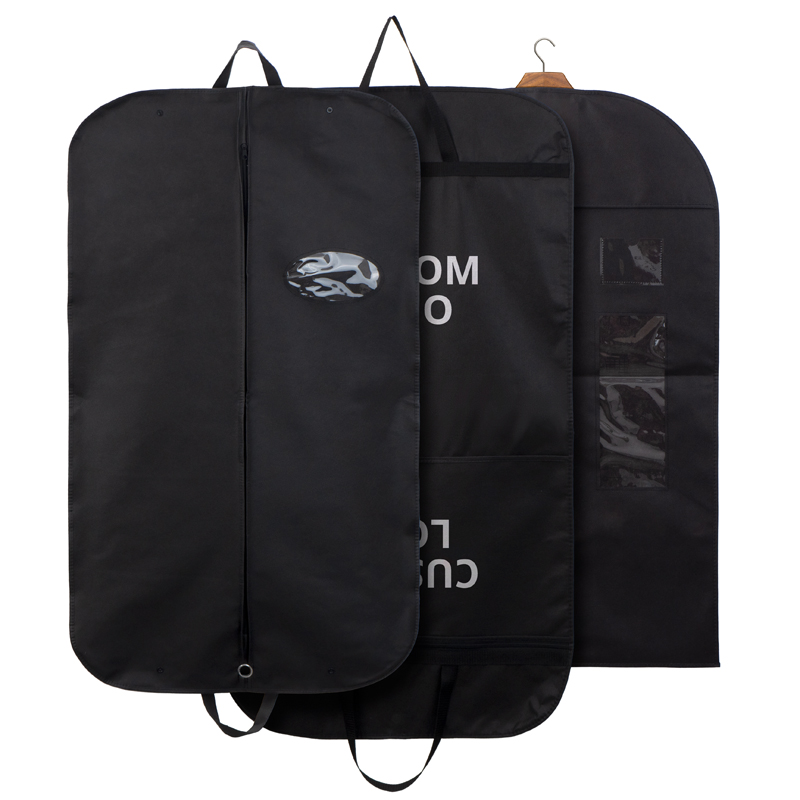
Retail Handover and Wardrobe Storage Covers: Prioritizes lightweight dust protection, fiber breathability, garment presentation and clear branding. They typically feature a full-length nylon zipper, top hanger slot and an ID window.
Business Travel Garment Carriers: Requires durable exterior fabrics (such as 300D/600D polyester or heavy cotton canvas), reinforced carrying handles, dual fold-over hardware (snap buttons or quick-release buckles) and interior tie-down straps to hold the jacket and trousers securely in place when folded in half.
A basic retail dust cover should never be marketed as a travel carrier without handle reinforcement, fabric upgrades and folding stability.
3. What Is a Coat Cover Bag?
A coat cover bag is an elongated, high-capacity protective cover designed for heavier, longer and bulkier outerwear.
It is commonly specified for retail protection, seasonal wardrobe storage, dry cleaning and apparel logistics.
Unlike a lightweight suit jacket, a winter coat occupies substantial three-dimensional space across the shoulders, chest, sleeves and hemline.
Why Do Coats Demand More Internal Space?
Coat thickness matters as much as garment length.
A padded winter down coat, shearling jacket or heavy cashmere overcoat may be short enough to fit inside a standard suit cover, but its physical bulk creates severe tension against flat fabric panels.
If an outerwear cover is too tight:
The shoulders are compressed, crushing down insulation or wool loft.
Wide winter sleeves are forced flat against the front zipper.
The heavy hem cannot hang freely, creating stubborn lower creases.
The zipper is placed under continuous lateral tension, increasing the risk of split teeth or slider jamming.
Adding length alone does not solve depth starvation. For heavy seasonal coats, a gusseted cover is essential to maintain structural loft.
Can One Coat Cover Hold Several Garments?
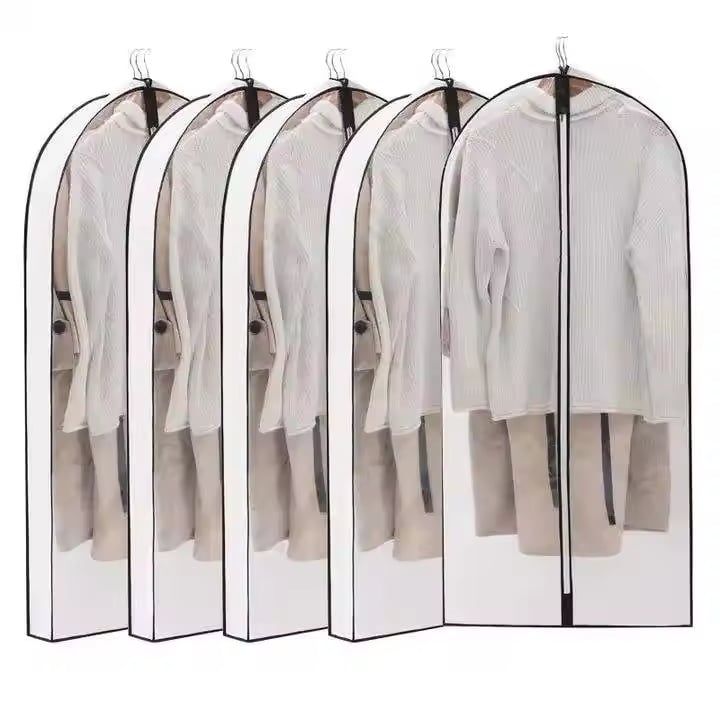
Yes, provided the cover is engineered as a multi-garment organizer with a full perimeter gusset (typically 4 to 6 inches / 10 to 15 cm deep).
Total capacity depends on garment bulk, hanger spacing and the weight-bearing strength of the top hanger opening.
For long-term storage, garments must be completely clean and dry before enclosure to prevent mold growth in enclosed environments.
Choosing between a flat pattern and a gusseted construction is often more critical to garment preservation than the product name on the tag.
Flat Garment Covers
A flat cover consists of a front panel and a back panel stitched directly together at the perimeter, offering minimal built-in depth.
It is the standard choice for:
Single tailored two-piece suits and tuxedos
Lightweight blazers and formal dress shirts
Tailor shop handover and retail boutique packaging
Basic dust protection for slim garments in spacious closets
Flat patterns require fewer sewing operations and less fabric consumption, making them a cost-effective solution for retail packaging where volume production is required.
Gusseted Garment Covers
A gusseted cover incorporates side and bottom panels (or a continuous perimeter band) that create a three-dimensional box structure.
Commercial stockroom storage where garments are packed closely on racks
However, gusset depth must be paired with an appropriately sized zipper opening and a reinforced hanger opening to support the combined weight of multiple items.
4–6 in gusset, clear front panel or document ID pocket
5. How to Choose the Right Size for Suits and Coats
There is no universal "one-size-fits-all" garment bag. The correct dimensions depend on the garment's cut and how it hangs on its hanger.
Four Critical Measurements
Hanging Length: Measure from the top of the hanger hook down to the lowest edge of the coat hem or folded trousers. Add 2 to 4 inches (5–10 cm) of clearance so the hem does not bunch or crumple at the bottom of the bag.
Shoulder Width: Measure the full span across the hanger tips while the garment is hung. The cover width should exceed this measurement by at least 2 inches (5 cm) to prevent the side seams from pinching the sleeve heads.
Internal Depth Bulk: Measure the horizontal thickness across the chest and upper sleeves. If this exceeds 2 inches (5 cm), a gusseted design is strongly recommended.
Hanger Opening Clearance: Verify whether the bag will accommodate a single heavy-duty wooden suit hanger, a slim wire dry-cleaning hook or multiple commercial hangers simultaneously.
Ensures both fabric breathability and quick garment identification
The Breathability Reality: Balancing Air Permeability and Moisture
For long-term storage of natural animal fibers (wool, cashmere, silk):
Breathable fabrics (non-woven or cotton canvas) allow ambient air exchange, enabling wool to regulate internal moisture and preventing stale, humid microclimates that attract silverfish and moths.
Continuous plastic films (PEVA/PVC) create an impermeable moisture barrier. While useful for preventing liquid spills or wiping clean in commercial dry cleaning, sealing slightly damp garments inside plastic can trap moisture and accelerate mold growth.
Regardless of fabric, a stitched garment bag is not completely waterproof due to needle perforations along the seams and the top hanger opening. Storage areas must remain dry and temperature-controlled.
7. Essential Features for Retail, Travel and Commercial Storage
The functional accessories attached to a garment cover dictate how well it performs in practical use.
Contoured Hanger Opening
The top opening should closely match the hanger neck profile. A reinforced slit with a neat overlap flap minimizes dust entry while allowing smooth hanger insertion. For multi-garment bags, a reinforced metal eyelet or structured bracket is necessary to bear cumulative hanger weight.
Full-Length Zipper with Protective Guard
A center zipper running the entire length of the bag allows garments to be removed horizontally without catching the fabric. For delicate worsted wool and silk linings, a protective fabric flap behind the zipper teeth prevents accidental snagging.
Clear Identification Window & Document Pocket
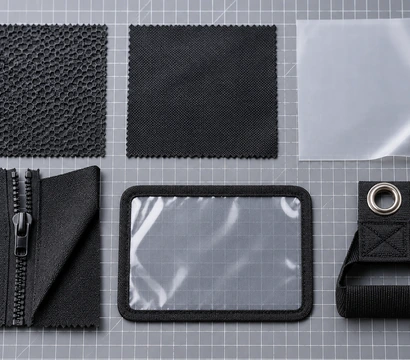
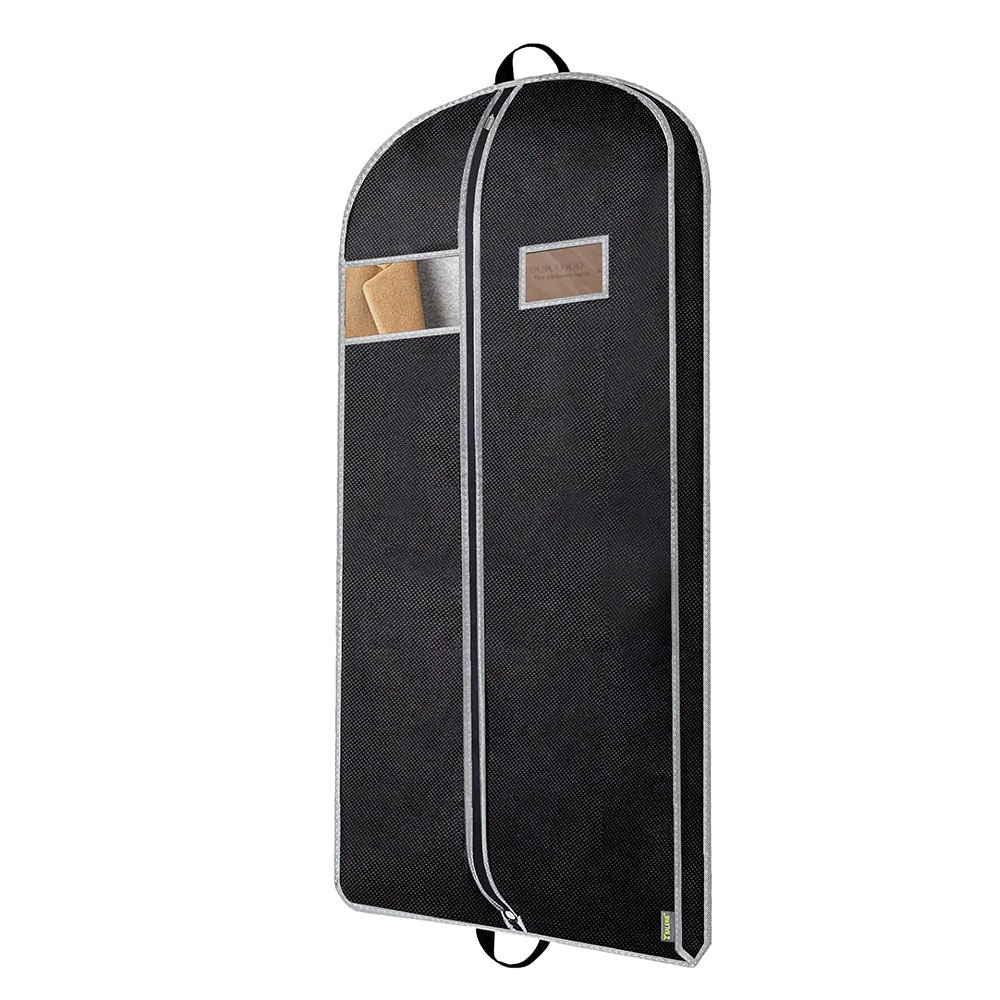
A transparent PEVA/PVC window (typically 4 × 6 inches) at the upper chest allows retail staff or wardrobe owners to identify the suit or coat instantly. An adjacent card pocket holds tailoring invoices, dry-cleaning tickets or size labels.
Reinforced Webbing Handles and Fold-Over Fasteners
For foldable travel styles, handles must be cross-stitched or Box-X reinforced through the main fabric panel. Dual metal snaps, loop-through eyelets or side buckles keep the bag securely folded in half during transit.
8. Sourcing Recommendations for Different B2B Buyers
Industry Buyer
Core Operational Requirement
Recommended Specification
Bespoke Tailoring Shops
Elegant customer handover, breathable suit care
80–100 GSM breathable non-woven or 8 oz cotton canvas, flat cut, custom screen-printed logo
Luxury Formalwear Retailers
Brand prestige, complete wrinkle and dust protection
100 GSM non-woven suit cover with contoured shoulders, clear ID window, metal hanger eyelet
Winter Outerwear Brands
Accommodating heavy wool, down bulk and length
210D polyester or PEVA, 48–54 in length, 4 in side gusset, heavy-duty zipper slider
Commercial Dry Cleaners
High throughput, quick garment tagging, low unit cost
Lightweight non-woven or clear PEVA cover, full zipper, large transparent ticket pocket
Hospitality & Hotel Chains
Durability for guest laundry and staff uniform management
Before approving bulk production of custom suit or coat covers, evaluate the pre-production sample with real garments on their intended hangers:
Loaded Fit Verification: Hang the intended suit or heavy coat inside. Confirm the hem does not drag on the bottom seam and the shoulder wadding is not pinched or distorted by the top corners.
Zipper Tension Test: Zip and unzip the bag five times while fully loaded. Ensure the slider glides smoothly across the thickest section of the garment without fabric bunching or tooth separation.
Load-Bearing Stress Inspection: Hang a fully loaded multi-garment bag for 24 hours. Check the top hanger slit, seams and eyelets for tearing, thread elongation or fabric deformation.
Handle and Fold-Over Security: For foldable carriers, lift the loaded bag by its handles and check the snap fasteners or buckles under dynamic carrying movement.
Print Adhesion and Odor Check: Inspect printed logos for clean edges, opacity and flex durability. Ensure PEVA or coated fabrics are completely free from chemical odors that could transfer to wool garments.
10. INITI Garment Bag Design References
INITI manufactures an extensive range of custom garment covers engineered for bespoke tailors, fashion retailers, uniform suppliers and hospitality operations.
Retail Suit Cover with Clear Window
The Custom Suit Garment Bag with Clear Window features a full-length nylon zipper, transparent viewing window, card pocket and tailored hanger slit. Available in standard lengths from 60 × 80 cm to 60 × 140 cm, it is the industry benchmark for suit handover and boutique retail presentation.
Gusseted Polyester Outerwear Cover
The Polyester Gusseted Garment Bag incorporates a 4-inch (10 cm) full-length side gusset, durable 210D/300D Oxford fabric, dual carrying handles and reinforced edge binding. Available in 43-, 54- and 60-inch lengths, it accommodates bulky winter overcoats and multi-suit sets without crushing.
Breathable Clear-Front Multi-Garment Organizer
The Breathable Clear-Front Multi-Garment Cover combines a breathable non-woven back panel with a crystal-clear PEVA front panel and a 4-inch box gusset. It provides the ideal balance of internal air exchange and instant visual identification for commercial stockrooms and hotel uniform management.
Luxury Foldable Canvas & Heavy-Duty Options
For high-end bespoke brands and luxury fashion labels, INITI also produces custom foldable canvas garment carriers and heavy-duty promotional covers. Browse the complete INITI Garment Bag Collection for structural options and material swatches.
11. Custom Suit and Coat Cover RFQ Checklist
When requesting a wholesale manufacturing quotation, providing detailed specifications ensures an accurate price and efficient sample development:
RFQ Item
Details to Specify
Garment Type
Tailored suit, blazer, overcoat, puffer coat, uniform or multi-garment set
Commercial Application
Retail customer handover, wardrobe dust storage, commercial dry cleaning or business travel
Target Dimensions
Width, overall hanging length and side/bottom gusset depth (e.g., 24 × 40 in flat, or 24 × 54 × 4 in gusseted)
Zipper size (#3, #5), full-length or three-quarter, standard puller or custom branded puller
Hanger Opening
Standard slit, reinforced fabric flap, bound opening or metal eyelet bracket
Functional Accessories
Transparent ID window, document pocket, carrying handles, fold-over snaps or bottom loop-through grommet
Custom Branding
Logo placement, printing method (silk screen, heat transfer, woven label), Pantone color codes
Packaging & Delivery
Bulk carton packing, individual polybagging, carton volume constraints and destination port
Minimum order quantities (MOQs) depend on fabric availability, custom dyeing and specific accessory requirements.
Why Choose INITI for Custom Garment Bags?
Hangzhou INITI Imp&Exp Co., Ltd. brings over 16 years of OEM/ODM manufacturing expertise to custom garment covers, protective apparel packaging and fabric accessories. Supported by dual production facilities, we deliver scalable manufacturing solutions for international apparel retailers, bespoke tailoring houses, global hotel groups and corporate uniform distributors.
INITI provides end-to-end manufacturing support—from pattern drafting and gusset depth optimization to fabric sourcing, precision logo printing, sample development and rigorous bulk AQL quality inspection.
Whether you require cost-effective non-woven retail handover covers, luxury pure cotton canvas tailor bags or heavy-duty gusseted outerwear storage systems, our engineering team ensures your packaging protects the craftsmanship of the garments inside.
We offer fast quotation turnaround, structural guidance and dedicated sample support for global B2B buyers.
FAQ
1. What is the fundamental difference between a suit garment bag and a coat cover bag?
A suit garment bag is built to protect the delicate internal architecture of tailored jackets (canvas chest pieces, shoulder wadding and lapel rolls), typically using a flat, breathable construction. A coat cover bag requires additional vertical length and significant side gusset depth (3–5 inches) to accommodate heavy wool, down insulation and wide sleeves without crushing fabric loft.
2. Why should high-end wool suits never be stored in cheap plastic dry-cleaning bags?
Cheap polyethylene or non-breathable PVC film traps ambient humidity and residual body moisture inside the bag. This stale microclimate degrades natural wool protein fibers, encourages mold or mildew growth, and attracts clothes moths. High-grade suits require breathable non-woven polypropylene or cotton canvas covers that allow natural air exchange and gravity-assisted drape recovery.
3. Can I use a flat suit garment bag for a winter coat?
Only for very lightweight, unpadded trench coats. For heavy wool overcoats or padded puffers, a flat bag compresses the garment, crushes the shoulder wadding, strains the zipper and causes deep wrinkles. Heavy outerwear requires a gusseted cover.
4. What is the difference between a wardrobe suit cover and a travel garment carrier?
A wardrobe suit cover is designed for static closet hanging, focusing on dust protection, breathability and visual branding. A travel garment carrier is constructed from heavy-duty woven fabric (such as 300D/600D polyester), incorporating reinforced carry handles, bi-fold or tri-fold hardware and interior garment tie-down straps to survive dynamic transit.
5. Can INITI manufacture custom garment bags with specific dimensions, gussets and logos?
Yes. INITI provides complete OEM/ODM customization across dimensions, materials (non-woven, polyester, PEVA, cotton canvas), gusset depths, zipper specifications, clear identification windows and branded printing. Exact specifications and production timelines are confirmed upon project review.
Conclusion
Suit garment bags and coat cover bags share a protective role, but they are engineered for distinct apparel silhouettes and physical requirements.
A fine tailored suit requires an isolated, breathable environment that shields internal horsehair canvas, preserves natural lapel rolls and protects pressed trousers from friction. A winter coat demands three-dimensional volume, generous length and structural depth that respects fabric loft.
For fashion brands and wholesale buyers, specifying the right garment cover protects the garment's integrity, elevates the customer unboxing experience and builds lasting brand loyalty.
Developing custom suit garment bags, outerwear covers or commercial garment storage programs for an apparel brand, tailoring chain, hotel group or wholesale catalog?
Send us your garment specifications, preferred materials, dimensions, gusset requirements, logo artwork and estimated order volume.
Email us at [email protected] for rapid quotation turnaround, technical design support and OEM/ODM garment bag manufacturing.
Tell us your product type, size, material, quantity, and logo requirements. Our team will provide free design support, custom sample development, and a tailored quotation to help turn your idea into a reliable bulk production solution.
· Free design support
· Custom samples
· OEM & ODM service
· Fast response



 Hot News