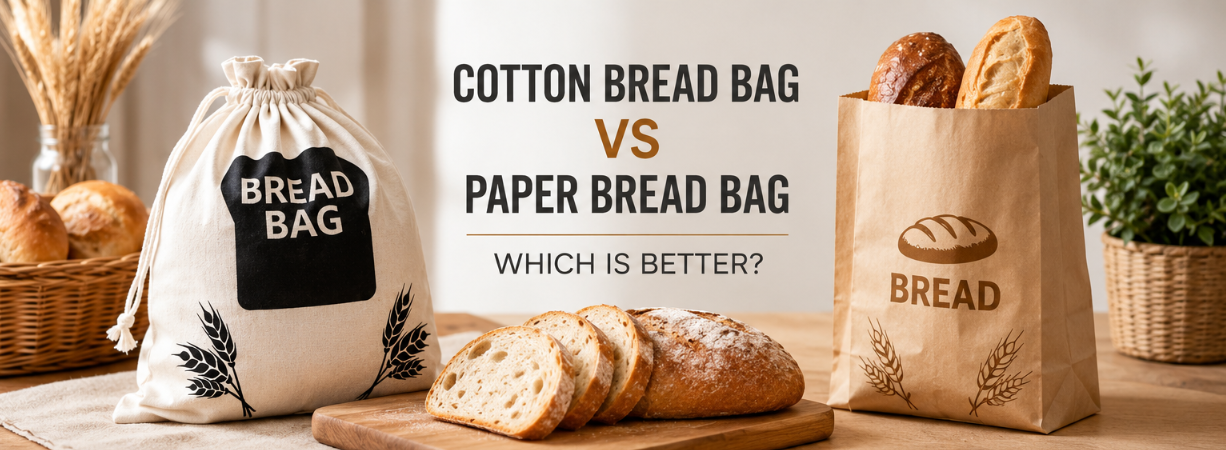
Cotton Bread Bag vs Paper Bread Bag: Which Is Better?
Bread packaging is not only used to carry baked products. For bakeries, cafés, supermarkets, food gift brands, and retail buyers, the right bread bag also affects product presentation, customer experience, brand image, and packaging cost.
Two common choices are cotton bread bags and paper bread bags.
A cotton bread bag is usually made from cotton, canvas, cotton-linen blend, or similar reusable fabric. It is commonly used for artisan bread, baguettes, loaves, bakery gift sets, eco-friendly packaging programs, and reusable storage.
A paper bread bag is usually made from kraft paper, white food-grade paper, greaseproof paper, or coated paper. It is commonly used for daily bakery takeaway, supermarket bakery counters, quick food packaging, and cost-efficient retail sales.
Both options are useful, but they serve different purposes. This guide compares cotton bread bags and paper bread bags to help buyers choose the right packaging for bakery products.
1. What Is a Cotton Bread Bag?
A cotton bread bag is a reusable fabric bag designed for storing, carrying, or packaging bread products. It is often made from natural cotton, cotton canvas, linen blend, or recycled cotton fabric.
Common cotton bread bag styles include:
- Drawstring cotton bread bags
- Cotton canvas bread storage bags
- Baguette bags
- Fold-over bread bags
- Printed bakery bags
- Reusable loaf bags
- Bakery gift packaging bags
Cotton bread bags usually have a soft body, natural fabric texture, and strong customization flexibility. They can be printed with bakery logos, wheat graphics, brand slogans, food icons, or custom artwork.
The main value of cotton bread bags is:
Reusable packaging, natural appearance, stronger brand value, and better long-term customer engagement.
They are especially suitable for bakeries and food brands that want to promote reusable packaging or create a more premium handmade bakery image.
2. What Is a Paper Bread Bag?
A paper bread bag is a disposable or semi-disposable packaging bag made from paper materials. It is widely used in bakeries, cafés, supermarkets, and food takeaway counters.
Common paper bread bag styles include:
- Kraft paper bread bags
- White paper bread bags
- Window paper bread bags
- Greaseproof paper bags
- Flat bread bags
- Handle paper bags
- Paper baguette sleeves
- Custom printed bakery bags
Paper bread bags are popular because they are cost-efficient, lightweight, easy to print, and convenient for fast retail use. For daily bakery sales, paper packaging is often the most practical choice.
The main value of paper bread bags is:
Simple, cost-efficient, easy to use, and suitable for high-volume bakery sales.
They are especially suitable for takeaway counters, supermarket bakery sections, cafés, and daily bread packaging.
3. Cotton Bread Bag vs Paper Bread Bag: Quick Comparison
| Comparison Point |
Cotton Bread Bag |
Paper Bread Bag |
| Material |
Cotton, canvas, linen blend, recycled cotton |
Kraft paper, white paper, greaseproof paper |
| Reusability |
High |
Low |
| Cost |
Higher unit cost |
Lower unit cost |
| Brand Value |
Stronger and more giftable |
Practical and cost-efficient |
| Appearance |
Natural, soft, reusable, eco-style |
Clean, simple, bakery-style |
| Logo Customization |
Printing, embroidery, woven label, hangtag |
Printing, window, sticker, paper finish |
| Best Use |
Gift packaging, reusable storage, premium bakery brands |
Daily bakery takeaway, fast retail sales |
| Sustainability Positioning |
Strong reusable value |
Disposable but paper-based |
| Packaging Speed |
Medium |
Fast |
| Retail Presentation |
High |
Medium |
In simple terms:
Cotton bread bags are better for reusable and premium bakery packaging.
Paper bread bags are better for daily, fast, and cost-controlled bakery packaging.
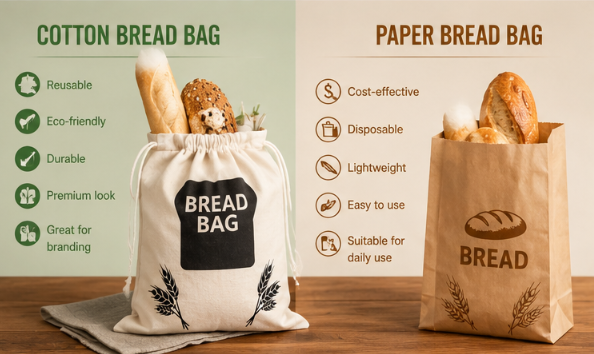
4. Material and Appearance
Cotton bread bags have a natural fabric texture. They often look softer, warmer, and more premium than disposable packaging. This makes them suitable for artisan bakeries, organic food brands, handmade bread products, gift sets, and eco-conscious retail programs.
Paper bread bags look clean and practical. Kraft paper gives a natural bakery feel, while white paper creates a cleaner and more modern retail appearance. Window paper bags can also help customers see the product inside.
For buyers, the material choice should match the brand positioning.
Choose cotton if the brand wants:
- Natural fabric packaging
- Reusable customer value
- Giftable presentation
- Artisan bakery image
- Eco-friendly branding
Choose paper if the brand wants:
- Fast packaging
- Lower cost
- Daily takeaway use
- Simple bakery presentation
- High-volume retail packaging
5. Reusability and Customer Experience
Reusability is one of the biggest advantages of cotton bread bags.
A cotton bread bag can be used repeatedly for bread storage, bakery shopping, food gift packaging, or home kitchen organization. When customers reuse the bag, the brand logo continues to appear in daily life. This creates longer brand exposure than disposable packaging.
Paper bread bags are usually designed for single-use or short-term use. They are convenient for takeaway and daily bakery sales, but they do not create the same long-term customer connection.
For marketing value:
Cotton bread bags work more like a reusable branded product.
Paper bread bags work more like practical daily packaging.
This is why cotton bread bags are often used for bakery gift sets, membership programs, promotional campaigns, and premium bread product launches.
6. Cost and Order Strategy
Cost is another key difference.
Paper bread bags usually have a lower unit cost, making them suitable for daily bakery operations and large-volume use. For bakeries that package hundreds or thousands of items per day, paper bags are often more practical.
Cotton bread bags have a higher unit cost because of fabric material, sewing, printing, drawstring, and finishing processes. However, they offer stronger perceived value and can be positioned as reusable merchandise, gift packaging, or premium retail packaging.
A smart bakery packaging strategy may use both:
- Paper bread bags for daily takeaway sales
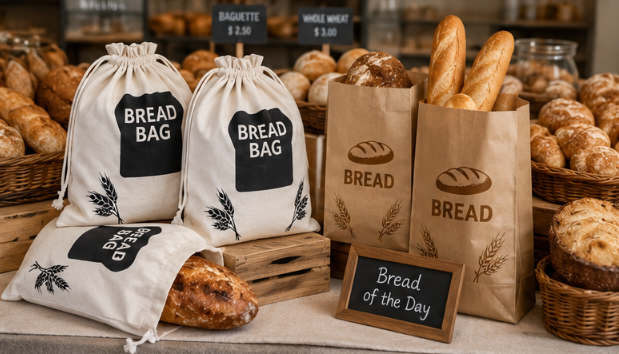
- Cotton bread bags for gift sets, premium bread, seasonal promotions, or reusable packaging programs
This combination helps buyers control daily packaging cost while still offering premium packaging options for higher-value products.
7. Branding and Logo Customization
Both cotton and paper bread bags can be customized, but the branding effect is different.
Cotton Bread Bag Branding Options
- Screen printing
- Heat transfer printing
- Digital printing
- Embroidery
- Woven label
- Hangtag
- Paper sleeve packaging
- Drawstring color customization
Cotton bags usually create a more durable and giftable branding effect. Simple one-color logos, wheat graphics, bakery icons, and natural-style typography work especially well.
Paper Bread Bag Branding Options
- Flexographic printing
- Offset printing
- Digital printing
- Sticker label
- Window design
- Kraft paper printing
- Handle and gusset customization
Paper bags are suitable for clear bakery logos, product information, store names, and simple graphic designs. They are efficient for large-volume bakery packaging.
For stronger long-term brand exposure, cotton is better. For cost-efficient daily brand visibility, paper is better.
8. Food Packaging Considerations
Bread packaging must consider product type, moisture, oil content, direct food contact, and local market requirements.
Paper bread bags are commonly used for direct bakery packaging, especially when made from suitable food-grade paper or greaseproof paper. They are practical for fresh bread, pastries, croissants, sandwiches, and takeaway products.
Cotton bread bags are often used for reusable storage or as outer packaging. If the bag is intended for direct food contact, buyers should confirm material safety, washing requirements, fabric treatment, printing safety, and local compliance standards.
For products with oil, cream, butter, or moisture, buyers may need:
- Inner paper wrapping
- Greaseproof liner
- Food-safe paper insert
- Washable cotton fabric
- Clear usage instructions
- Food-contact compliant material testing
The best packaging depends on how the bread will be sold, stored, transported, and consumed.
9. Sustainability Positioning
Both cotton and paper can support a more eco-friendly packaging image, but in different ways.
Cotton bread bags support sustainability through reuse. A well-made cotton bread bag can reduce repeated use of disposable packaging and help brands promote long-term environmental value.
Paper bread bags support sustainability through paper-based disposable packaging, especially when using recyclable kraft paper, responsibly sourced paper, or reduced plastic packaging.
However, neither material is automatically “best” in every situation. Buyers should consider the full use case:
- How many times will the bag be reused?
- Is the paper recyclable in the target market?
- Is the cotton bag washable and durable?
- Is the product for daily takeaway or premium gift packaging?
- Does the packaging match the customer’s actual behavior?
For eco-focused retail programs, cotton bread bags are stronger when customers are likely to reuse them. For daily takeaway packaging, paper bags may be more practical and easier to scale.
10. Which Bread Bag Should Buyers Choose?
Choose Cotton Bread Bags If:
- You need reusable bakery packaging
- Your brand focuses on eco-friendly concepts
- The product is for gift packaging or premium retail
- You want stronger customer reuse value
- You need a more natural fabric appearance
- The bag will be used for bread storage or bakery merchandise
- You want longer brand exposure after purchase
Choose Paper Bread Bags If:
- You need cost-efficient daily packaging
- The product is for bakery takeaway counters
- Packaging speed is important
- The order requires high volume and lower cost
- Direct food packaging is the main use
- You need simple printed bakery bags
- The product is sold in supermarkets, cafés, or fast retail environments
Choose Both If:
- You operate both daily retail and gift packaging programs
- You need paper bags for normal sales and cotton bags for premium sets
- You want a complete bakery packaging system
- Your brand serves both cost-sensitive and eco-conscious customers
For many bakery buyers, the best answer is not choosing only one material. It is building the right packaging mix.
Recommended Products
1. Reusable Cotton Bread Bags
Suitable for bakeries, cafés, organic food brands, and gift packaging projects. These bags can be customized with drawstring closure, bakery logos, wheat graphics, and different sizes for loaves, rolls, or pastries.
Suggested internal link: Bread Bag
2. Baguette Bags
Designed for long bread products such as baguettes and French bread. They can be made in cotton, canvas, kraft paper, or other customized materials depending on the packaging style.
Suggested internal link: Bread Bag
3. Custom Paper Bags
Suitable for daily bakery takeaway, supermarket bakery sections, food retail packaging, and café packaging. Kraft paper, white paper, window paper, and handle paper bag options are available.
Suggested internal link: Paper Bag
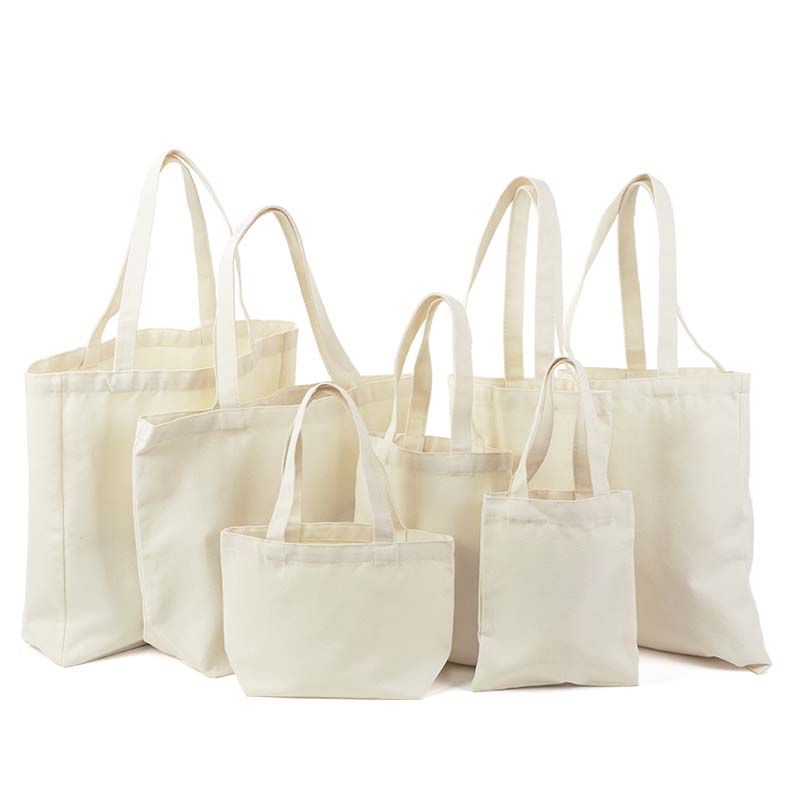
4. Cotton Canvas Tote Bags
Suitable for bakery gift sets, bread-and-coffee promotions, reusable shopping programs, and lifestyle retail packaging. These bags offer larger capacity and stronger brand visibility.
Suggested internal link: Cotton Canvas Tote Bag
5. Gift Packing Boxes
Suitable for premium bakery sets, pastry gifts, seasonal food packaging, and corporate bakery gift programs. Box structure, paper material, insert design, and logo finish can be customized.
Suggested internal link: Gift Packing Box
Buyer Checklist Before Ordering Bread Bags
Before confirming a cotton or paper bread bag project, buyers should check:
-
Bread type
Confirm whether the bag is for baguettes, loaves, croissants, buns, pastries, or gift sets.
-
Packaging purpose
Decide whether the bag is for takeaway, storage, retail display, or gift packaging.
-
Material selection
Choose cotton, canvas, linen blend, kraft paper, white paper, or greaseproof paper.
-
Size and structure
Confirm bag dimensions, gusset, closure, handle, or drawstring structure.
-
Logo method
Choose printing, embroidery, woven label, sticker, paper sleeve, or hangtag.
-
Food-contact requirement
Confirm whether the material needs food-contact testing or inner wrapping.
-
Packaging style
Decide bulk packing, paper sleeve, individual pack, retail label, or gift packaging.
-
Sample confirmation
Check material feel, size fit, logo clarity, closure function, and final presentation before production.
Conclusion
Cotton bread bags and paper bread bags are both useful packaging options, but they are suitable for different bakery needs.
Cotton bread bags are better for reusable packaging, bakery gift sets, eco-friendly branding, premium presentation, and long-term customer engagement. They help brands create a natural and reusable packaging experience.
Paper bread bags are better for daily bakery takeaway, cost control, fast packaging, direct retail sales, and high-volume use. They are practical, lightweight, and easy to print.
For bakeries, cafés, supermarkets, importers, distributors, and food gift buyers, the best choice depends on product type, customer habits, price target, branding goals, and packaging scenario.
As a professional custom packaging and bag manufacturer, we support OEM/ODM development for cotton bread bags, canvas bread bags, paper bakery bags, gift boxes, and promotional food packaging. With experience serving global brands and Fortune 500 projects, plus compliance systems including SEDEX, DISNEY, GRS, HIGG, and ISO9001, we help buyers develop bakery packaging that matches both market needs and brand standards.
Contact our sales team to discuss your bread bag project and request a custom quote or material sample.
FAQ
1. Are cotton bread bags better than paper bread bags?
Cotton bread bags are better for reusable packaging, gift sets, and eco branding. Paper bread bags are better for daily takeaway, lower cost, and high-volume bakery sales.
2. Can cotton bread bags be used for baguettes?
Yes. Cotton bread bags can be customized into long baguette bags, standard loaf bags, drawstring bread bags, or larger bakery packaging bags.
3. Are paper bread bags suitable for direct food packaging?
Paper bread bags can be suitable when made with the correct food-grade or greaseproof paper. Buyers should confirm food-contact requirements based on the target market.
4. Which bread bag is better for bakery gift packaging?
Cotton bread bags are usually better for gift packaging because they look more premium, reusable, and brandable. Gift boxes can also be used for higher-end bakery sets.
5. Can both cotton and paper bread bags be customized with logos?
Yes. Cotton bread bags can use printing, embroidery, labels, or hangtags. Paper bread bags can use printed graphics, stickers, windows, sleeves, and custom paper finishes.
6. Which bread bag is more cost-effective?
Paper bread bags are usually more cost-effective for daily use. Cotton bread bags cost more but provide reusable value and stronger brand presentation.
7. What should buyers confirm before production?
Buyers should confirm bread size, material, structure, logo design, packaging purpose, food-contact requirements, quantity, and final sample quality.
Related Topics


 Hot News