In global textile manufacturing and promotional product engineering, few materials balance cost, durability, and tactile aesthetics as effectively as PolyCotton (polyester-cotton blend). PolyCotton combines natural cellulosic cotton fibers with synthetic petroleum-derived polyester filaments or staple fibers. The resulting hybrid solves the chronic weaknesses of both parent fibers: cotton’s vulnerability to wrinkling, shrinkage, and tearing, and polyester’s lack of breathability, static generation, and slick synthetic hand-feel.
However, PolyCotton is not a single standardized fabric specification. Its performance can vary considerably depending on the cotton-to-polyester ratio, yarn construction, weaving method, fabric weight, and finishing treatments. A 65/35 blend, for example, may behave differently from a 50/50 or 80/20 blend, even when both fabrics are marketed under the same name.
For businesses sourcing custom bags, promotional merchandise, packaging, and textile products, understanding these differences is important. Selecting a fabric based only on its material name can lead to unexpected differences in appearance, printing results, durability, and production costs.
This guide explains what PolyCotton fabric is, how it is manufactured, its main properties and limitations, how different blend ratios affect performance, and what buyers should evaluate before using it in a custom product.
What Is PolyCotton Fabric?
Defining the Hybrid Textile
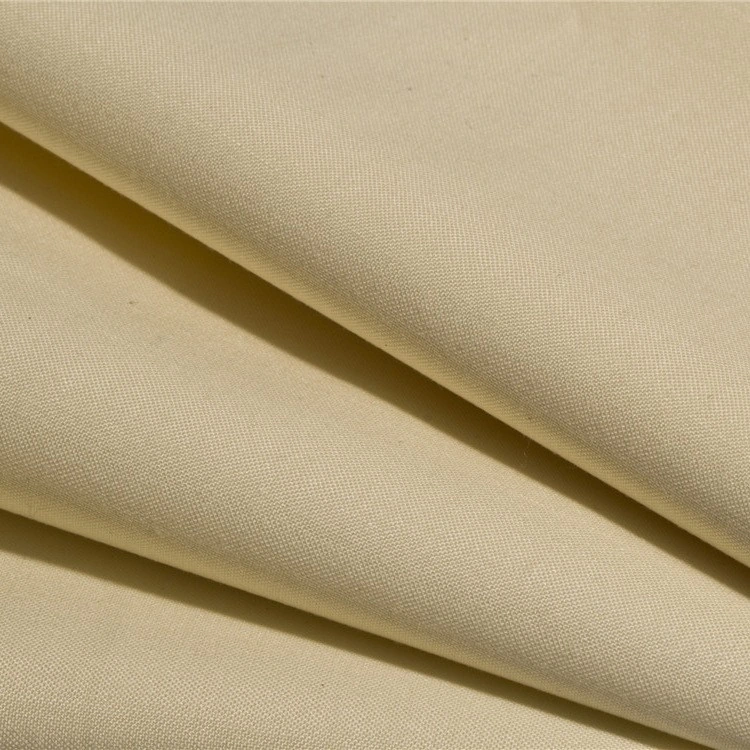
PolyCotton—frequently written as poly-cotton, poly/cotton, or TC/CVC in textile trade nomenclature—is a hybrid fabric composed of varying proportions of synthetic polyester fibers (polyethylene terephthalate, or PET) and natural cotton staple fibers.
Unlike a "pure" fabric, which relies on a single organic or synthetic polymer, PolyCotton is an engineered blend. In the global textile supply chain, the material is generally classified under two primary trade codes:
- TC (Tetron Cotton / Polyester-Rich): Fabrics where polyester constitutes the majority of the blend (e.g., 65% Polyester / 35% Cotton or 80% Polyester / 20% Cotton).
- CVC (Chief Value Cotton / Cotton-Rich): Fabrics where cotton constitutes 50% or more of the blend (e.g., 60% Cotton / 40% Polyester or 80% Cotton / 20% Polyester), retaining cotton's higher tariff and trade categorization while benefiting from synthetic reinforcement.
The Molecular & Structural Synergy
To understand why PolyCotton dominates mass commercial production, we must examine fiber physics:
Cotton Fibers (Cellulose): Cotton consists of elongated single cells of almost pure crystalline cellulose arranged in a spiral ribbon structure. These microfibrils feature abundant hydroxyl (−OH) groups that form strong hydrogen bonds with water molecules. This structure makes cotton highly hydrophilic (water-absorbing), breathable, soft, and skin-friendly. However, when wet or agitated under heat, these hydrogen bonds break and reform in distorted configurations, leading to severe wrinkling and dimensional shrinkage.
Polyester Fibers (PET): Polyester is an extruded synthetic polymer made from ester bonds linking terephthalic acid and ethylene glycol. Its molecular chains are tightly packed, crystalline, and completely devoid of hydrophilic chemical groups. Polyester is hydrophobic (water-repelling), exhibits an exceptional tensile modulus, resists microbial rot, and possesses high elastic recovery.
When spun together into an intimate blend yarn, polyester serves as an internal structural "skeleton" that locks the dimensional grid of the fabric, while cotton wraps the exterior bundle with moisture-absorbing, soft cellulosic fibers.
Historical Context and Industrial Rise
PolyCotton emerged as a dominant global textile in the late 1950s and 1960s, driven by commercial chemical innovations from companies like DuPont (Dacron) and ICI (Terylene).
Post-war textile mills faced soaring demand for daily apparel, industrial work uniforms, and hospitality linens that did not require hours of manual boiling, starches, and heavy steam ironing. Pure cotton uniforms deteriorated quickly under harsh industrial laundering chemicals, while pure nylon and early polyester garments suffered from unbearable heat retention and electrostatic cling.
The introduction of 65/35 and 50/50 PolyCotton blends revolutionized commercial laundry, reducing pressing labor by over 70% and tripling garment lifecycles. Today, PolyCotton represents one of the largest production volumes in both woven and knit goods worldwide.
What Does PolyCotton Mean?
The term PolyCotton simply describes a textile made from polyester and cotton.
The word does not indicate a fixed blend ratio, fabric weight, weaving structure, or quality level.
Two fabrics can both be called PolyCotton but have very different specifications.
For example:
- 65% cotton / 35% polyester
- 50% cotton / 50% polyester
- 80% cotton / 20% polyester
- 35% cotton / 65% polyester
Each composition produces a different balance of material characteristics.
For procurement teams, the important point is that specifying PolyCotton alone is insufficient when requesting quotations or approving production samples. The exact fiber percentages and fabric construction should also be included in the product specification.
What Are the Main Components of PolyCotton?
To understand why PolyCotton behaves differently from pure cotton or pure polyester, it is useful to examine the characteristics of its two main components.
Cotton: Softness, Breathability, and Moisture Absorption
Cotton is a natural staple fiber widely used in apparel, home textiles, and reusable textile products.Its structure allows it to absorb moisture, while its relatively soft surface gives cotton fabrics a comfortable and familiar feel.
In PolyCotton, cotton contributes several important characteristics.
1. Soft hand feel
Cotton fibers generally create a softer, less synthetic feel than polyester alone. This can make cotton-rich PolyCotton fabrics suitable for products where touch and appearance are important.
2. Breathability
Cotton fabrics can allow air to pass through their structure. However, actual breathability depends on the fabric construction, yarn density, thickness, and finishing.
3. Moisture absorption
Cotton absorbs water more readily than polyester. This can be useful for textile products that need to absorb small amounts of moisture.However, greater absorbency also means that cotton-rich fabrics may take longer to dry after becoming wet.
4. Natural textile appearance
Cotton can provide a matte, familiar fabric appearance that works well with casual, retail, and promotional product designs.
Polyester: Strength, Shape Retention, and Wrinkle Resistance
Polyester is a synthetic fiber commonly used in clothing, bags, sports products, and industrial textiles.Unlike cotton, polyester absorbs relatively little moisture. Its physical characteristics make it useful when a fabric needs to retain its appearance through repeated handling and use.
In PolyCotton, polyester contributes several advantages.
1. Dimensional stability
Polyester generally has better dimensional stability than untreated cotton. It can help reduce the tendency of a fabric to shrink or distort during washing and handling.However, the final result still depends on the fabric construction and finishing process.
2. Wrinkle resistance
Polyester has better crease recovery than cotton. Adding polyester to a cotton blend can help the fabric maintain a neater appearance after folding, transportation, and storage.
3. Durability
Polyester fibers offer good resistance to many forms of everyday wear. They can contribute to a fabric's strength and abrasion performance.However, the strength of a finished PolyCotton fabric cannot be determined from fiber composition alone. Yarn quality, fabric density, weave, and finishing are equally important.
4. Faster drying
Because polyester absorbs less water than cotton, polyester-rich blends generally retain less moisture and dry faster than comparable cotton-rich fabrics.This can be useful for reusable textile products that may occasionally require cleaning.
How Do Cotton and Polyester Work Together?
The purpose of blending cotton and polyester is not simply to combine two fibers. It is to adjust the performance of the finished textile.
Cotton contributes softness and absorbency, while polyester can improve crease recovery, shape retention, and resistance to dimensional changes.
The balance depends on the percentage of each component.
Fabric Characteristic |
Cotton Contribution |
Polyester Contribution |
Softness |
Provides a natural, soft hand feel |
Can create a smoother or more synthetic feel |
Breathability |
Supports air permeability |
Generally contributes less moisture absorption |
Moisture absorption |
Absorbs water readily |
Absorbs relatively little water |
Drying speed |
Can retain moisture longer |
Generally dries faster |
Wrinkle resistance |
More likely to crease |
Improves crease recovery |
Shape retention |
May shrink or distort depending on construction |
Helps improve dimensional stability |
Abrasion performance |
Depends on fiber and fabric construction |
Can improve resistance to everyday wear |
Heat response |
Generally tolerates higher ironing temperatures |
Can be damaged by excessive heat |
Cost |
Depends on cotton grade and supply |
Often provides a cost-efficient synthetic component |
The table describes general fiber characteristics rather than guaranteed performance specifications. A tightly woven cotton fabric may outperform a loosely constructed PolyCotton fabric in certain applications.
Common PolyCotton Blend Ratios Explained
One of the most important considerations when purchasing PolyCotton fabric is its blend ratio.The ratio represents the percentage of cotton and polyester in the textile.Not all PolyCotton fabrics perform the same way. The ratio of polyester to cotton fundamentally alters mechanical performance, hand-feel, shrinkage, dye affinity, and unit cost.
80/20 PolyCotton: A More Cotton-Oriented Blend
An 80/20 blend contains 80% cotton and 20% polyester.
Because cotton accounts for most of the composition, this fabric generally retains more of the natural characteristics associated with cotton.
Potential advantages include:
- A softer and more natural hand feel.
- Good moisture absorption.
- A relatively natural matte appearance.
- Some improvement in crease recovery compared with 100% cotton.
- Less tendency to change dimensions than comparable untreated cotton fabrics.
However, the relatively low polyester content means that its influence on wrinkle resistance and drying speed may be limited.
For buyers developing retail merchandise or promotional products where the natural textile appearance is important, an 80/20 blend may be worth evaluating.
It is also important to remember that a cotton-rich blend does not automatically have the same appearance as cotton canvas. The weave, yarn thickness, and fabric weight determine whether the final material looks lightweight, smooth, coarse, or structured.
65/35 PolyCotton: A Practical Balance
The 65/35 blend is a commonly encountered composition in commercial textiles.
With 65% cotton and 35% polyester, it retains a substantial cotton component while incorporating enough polyester to influence the fabric's maintenance and dimensional stability.
Its potential benefits include:
- A balance between softness and durability.
- Better wrinkle recovery than comparable cotton fabrics.
- Reduced shrinkage tendency when properly manufactured and finished.
- Reasonable moisture absorption.
- Versatility across different textile applications.
For promotional products and reusable bags, this composition can be a practical starting point when buyers want a fabric that does not feel entirely synthetic but also does not require the same level of care as some untreated cotton fabrics.
50/50 PolyCotton: An Equal Blend
A 50/50 blend contains equal amounts of cotton and polyester.
It is often selected when manufacturers or buyers want a more balanced combination of natural and synthetic fiber characteristics.
Compared with a cotton-rich blend, 50/50 PolyCotton generally has:
- Less cotton content.
- Greater influence from polyester on crease recovery.
- Lower moisture absorption than cotton-rich alternatives.
- Potentially faster drying.
- A different hand feel and surface appearance.
Primary Applications: Retail promotional t-shirts, mid-weight canvas tote bags, custom cosmetic pouches, hoodies, school uniforms, and hotel bed sheets.
Trade-off: Susceptible to surface pilling over extended laundry cycles if lower-grade short-staple cotton is used.
35/65 PolyCotton: A Polyester-Oriented Blend
A 35/65 blend contains 35% cotton and 65% polyester.
The polyester component has a greater influence on the finished fabric, which can make it more suitable for products requiring easier maintenance, crease resistance, and relatively quick drying.
Potential advantages include:
- Better wrinkle recovery than cotton-rich alternatives.
- Lower moisture absorption.
- Reduced drying time.
- Good shape retention when properly constructed.
- Potentially lower material costs, depending on sourcing conditions.
The trade-off is that the fabric may feel less like natural cotton.
For brands prioritizing a natural cotton appearance or a high cotton content for product positioning, this composition may not be the preferred option.
Quick Comparison
Blend Ratio (Cotton/Polyester) |
Main Characteristics |
Potential Advantages |
Suitable Applications |
80/20 |
Cotton-dominant |
Softer feel, good moisture absorption, more natural appearance |
Premium textile products, casual bags, apparel |
65/35 |
Cotton-rich balanced blend |
Good balance of softness, durability, and crease resistance |
Uniforms, promotional bags, everyday textile products |
60/40 |
Cotton-rich blend |
Retains substantial cotton characteristics while improving shape retention |
Retail bags, workwear, home textiles |
50/50 |
Equal fiber composition |
Balanced material characteristics and relatively easy maintenance |
Promotional products, uniforms, general-purpose textiles |
35/65 |
Polyester-dominant |
Greater polyester influence, faster drying, improved crease recovery |
Functional textiles, cost-sensitive products |
These are indicative material-selection references, not universal performance rankings. Fabric weight, yarn quality, construction, and finishing can significantly change the result.
Does a Higher Cotton Percentage Always Mean Better Quality?
No.
A higher cotton percentage does not automatically mean that the fabric is stronger, more durable, or better suited to a particular product.
Likewise, a higher polyester percentage does not guarantee superior performance.
Consider two fabrics:
- Fabric A: 80% cotton / 20% polyester, 180 GSM, loosely woven.
- Fabric B: 65% cotton / 35% polyester, 220 GSM, tightly woven.
Fabric B may provide better abrasion resistance or structural performance in certain applications, even though it contains less cotton.
The comparison demonstrates why fiber composition should be evaluated alongside other fabric specifications.
For buyers, the goal should be to select the appropriate combination of fiber ratio, fabric weight, construction, and finishing rather than choosing the highest percentage of one component.
How Is PolyCotton Fabric Manufactured?
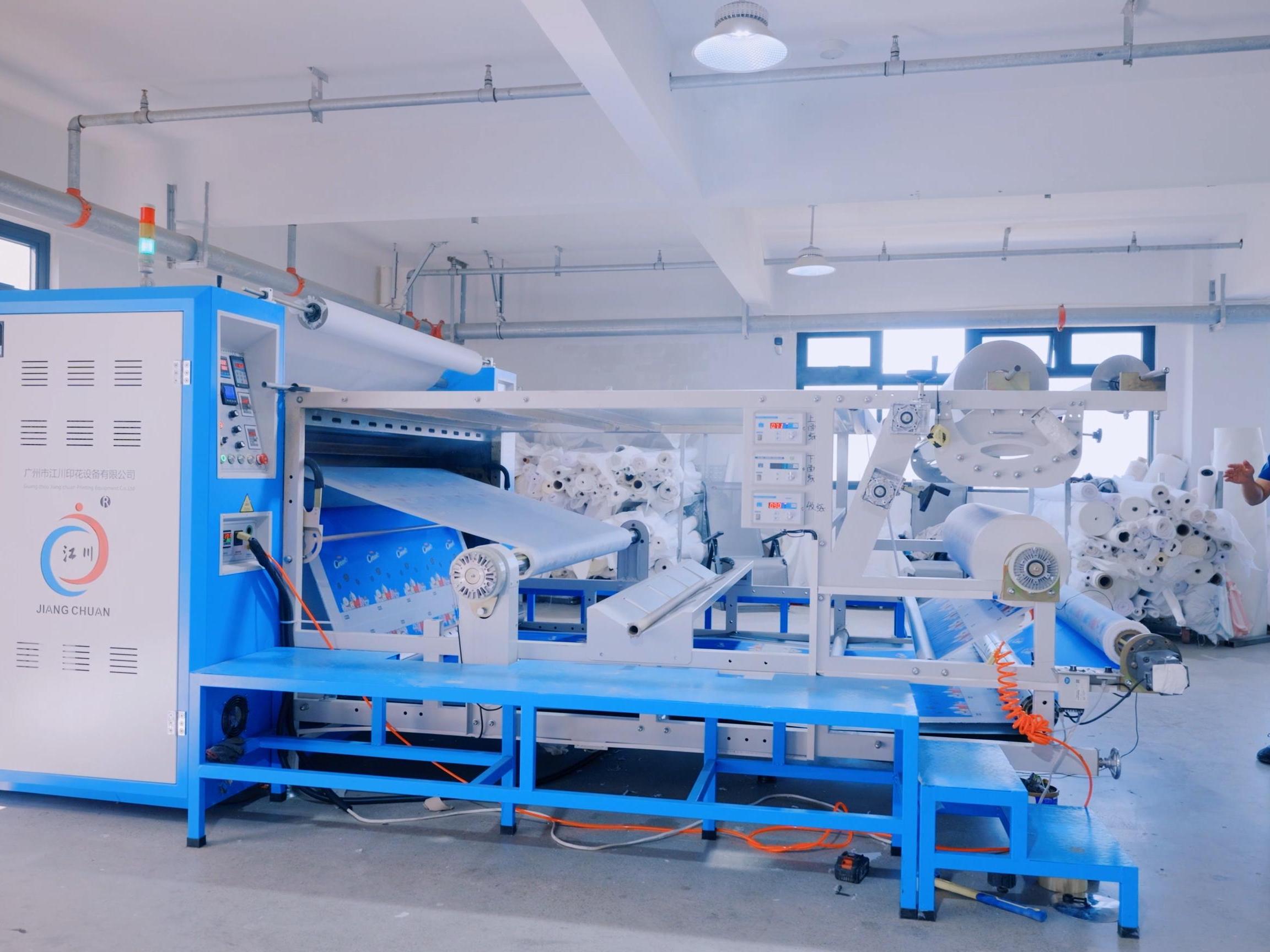
PolyCotton fabric production involves several stages, from fiber preparation to yarn production, fabric formation, dyeing, and finishing.
Step 1: Fiber Selection and Preparation
The manufacturing process begins with selecting cotton and polyester fibers.Cotton is typically supplied as natural staple fibers, while polyester can be produced in staple-fiber form for blending with cotton.The quality of the raw fibers influences the consistency and characteristics of the finished yarn.
Important considerations include:
- Cotton fiber length and quality.
- Polyester staple length.
- Fiber cleanliness.
- Fiber fineness.
- Consistency between production batches.
For example, inconsistent fiber lengths can affect yarn uniformity and may influence the appearance and performance of the finished fabric.
Step 2: Fiber Blending
In a conventional blended-spun PolyCotton fabric, cotton and polyester staple fibers are mixed before yarn spinning.The fibers are prepared and blended according to the target composition.
For example, a 65/35 cotton/polyester blend requires the two fiber components to be combined in the specified proportion.
The blending process aims to distribute the fibers consistently throughout the yarn.Uniformity matters because poor blending can result in inconsistent yarn properties, uneven dyeing, or visible differences between sections of the fabric.Not all cotton-polyester textiles are produced through exactly the same method. Some constructions use different yarn types in the warp and weft rather than blending both fibers into one yarn.This distinction can influence the fabric's surface, appearance, and performance.
Step 3: Spinning the Blended Yarn
After blending, the fibers are processed into yarn.Spinning transforms loose staple fibers into continuous yarn structures through drawing and twisting or other spinning techniques.Different spinning methods can produce different yarn characteristics.
For example:
- Ring-spun yarn generally offers a more controlled yarn structure and can provide good strength and surface quality.
- Rotor-spun yarn is commonly used for economical textile production and may have a different surface appearance and handle.
The best spinning method depends on the required fabric quality, production volume, and cost target.
For buyers, it is usually more useful to evaluate the finished fabric than to select a spinning method without considering the intended application.
Step 4: Weaving or Knitting
Once the yarn is prepared, it is converted into fabric.
PolyCotton can be manufactured using either weaving or knitting.
Woven PolyCotton
Woven fabric is produced by interlacing two sets of yarns: warp yarns running lengthwise and weft yarns running across the width.
Common woven structures include plain weave, twill, and other decorative or functional constructions.
Woven PolyCotton is widely used for shirts, uniforms, curtains, bedding, and certain bag applications.It generally offers more dimensional stability than many knitted structures, although actual performance depends on the construction.
Knitted PolyCotton
Knitted fabric is produced by forming interconnected loops of yarn.
It can provide more flexibility and stretch than a comparable woven structure.
Knitted PolyCotton is frequently used in T-shirts, casual apparel, and other products where softness and flexibility are important.
For most conventional tote bags and structured sewn carriers, woven PolyCotton is more relevant than knitted PolyCotton.
Step 5: Dyeing and Printing
After fabric formation, the material may undergo dyeing or printing.
Cotton and polyester have different dyeing characteristics.
Cotton is commonly dyed using reactive or direct dyes, while polyester generally requires disperse dyes.
When both fibers are present in one fabric, the dyeing process needs to account for the different behavior of the two components.Depending on the required color and production method, manufacturers may use appropriate dyeing processes or combinations of dye classes.Poorly controlled dyeing can lead to uneven coloration or differences in shade between the cotton and polyester components.For customized bags, buyers should approve the actual fabric color and printed sample rather than relying entirely on a digital color reference.
Step 6: Finishing and Quality Control
The final stage involves finishing treatments designed to improve the fabric's appearance, feel, and functional performance.
Common finishing processes include:
- Heat setting to improve dimensional stability, particularly in polyester-containing constructions.
- Softening to improve hand feel.
- Mechanical finishing to adjust surface texture.
- Shrinkage control to improve dimensional consistency.
- Calendaring to modify surface smoothness and appearance.
- Functional treatments where required by the application.
Not every PolyCotton fabric receives all these treatments.The appropriate finishing process depends on the intended use, target specifications, and manufacturing budget.For example, a promotional tote fabric may prioritize stable dimensions and consistent color, while an apparel fabric may require a softer hand feel.
What Are the Different Types of PolyCotton Fabric?
PolyCotton is not limited to one fabric structure.The same cotton-polyester blend can be manufactured in different weaves, weights, and surface finishes, resulting in materials with noticeably different characteristics.
For bag buyers, understanding the fabric construction is particularly important because it affects the finished product's shape, handling, appearance, and carrying performance.
Plain-Weave PolyCotton
Plain weave is one of the simplest and most widely used fabric structures.
Each weft yarn passes alternately over and under the warp yarns, creating a relatively regular surface.
Characteristics include:
- Simple and uniform appearance.
- Relatively stable construction.
- Versatility across different fabric weights.
- Compatibility with various dyeing and printing processes.
Plain-weave PolyCotton can be suitable for lightweight promotional bags, basic shopping carriers, and simple textile products.
However, a plain weave does not automatically mean that the fabric is strong. Yarn quality and weave density remain important.
Twill-Weave PolyCotton
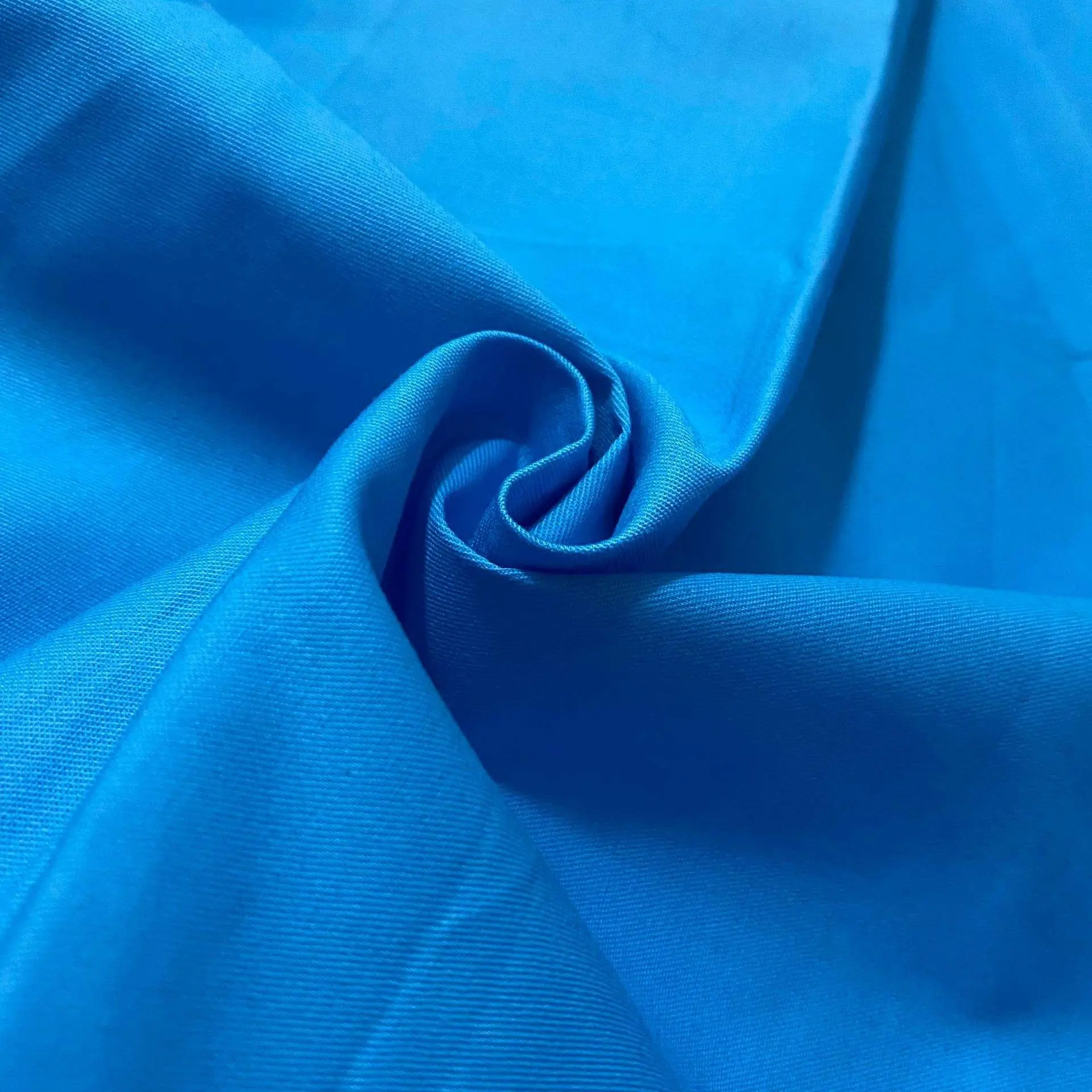
Twill weave is recognized by its characteristic diagonal lines.
Unlike plain weave, the yarns interlace in a way that creates a visible diagonal pattern on the fabric surface.
Depending on the yarn and construction, twill fabrics can provide:
- A distinctive textured appearance.
- Good drape.
- A relatively durable structure.
- A different surface feel from plain-weave alternatives.
Twill PolyCotton is frequently used for uniforms, workwear, trousers, and other textile products.
For bags, it may be considered when the design requires a more refined or textured appearance.
Poplin PolyCotton
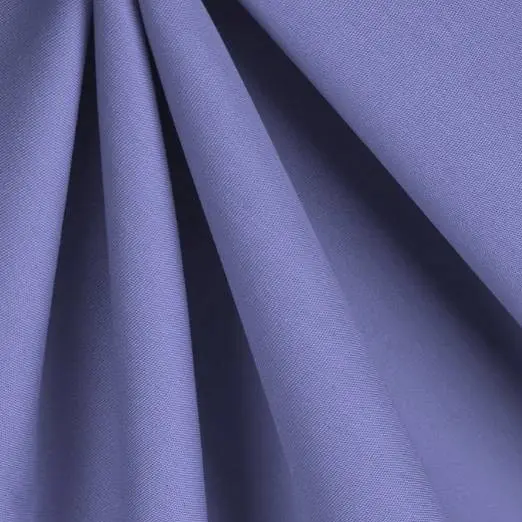
Poplin is a fabric construction commonly associated with a fine, smooth surface and relatively crisp hand feel.
PolyCotton poplin is often used for shirts, uniforms, and lightweight textile applications.
Its relatively smooth surface can be useful for printed designs, but the fabric may be too lightweight for bags that require substantial carrying capacity unless additional reinforcement is incorporated.
Brushed PolyCotton
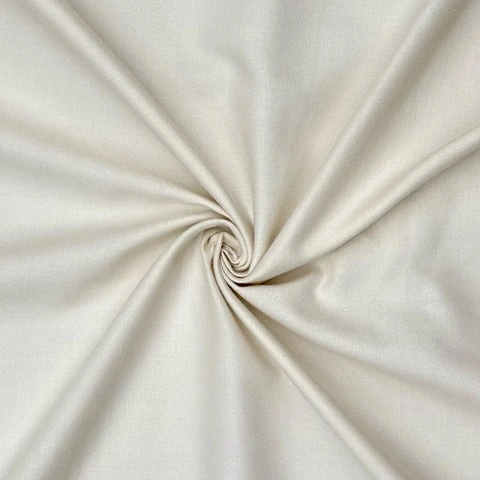
Brushed PolyCotton undergoes mechanical finishing that raises some fibers on the surface.
This creates a softer, slightly fuzzy texture.
Depending on the fabric weight and construction, brushed PolyCotton may be suitable for:
- Bedding.
- Casual clothing.
- Soft textile accessories
- Certain pouch or lining applications.
For bags, the raised surface should be evaluated for pilling, lint transfer, and printing compatibility.
Printed PolyCotton
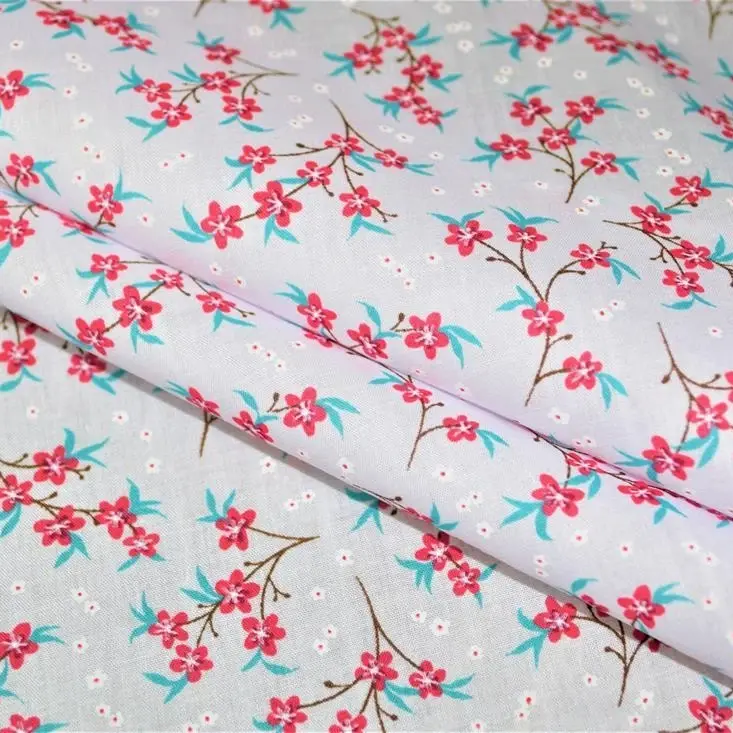
Printed PolyCotton refers to a fabric that has been decorated with a printed pattern or design.The printing process can vary depending on the fiber composition and required visual result.Possible methods include screen printing, pigment printing, and other processes suitable for the fabric construction.Printed PolyCotton is useful for products requiring custom patterns, logos, promotional graphics, or coordinated branding.
Buyers should evaluate color consistency, print adhesion, rubbing fastness, and the appearance of the design after handling or washing.
What Are the Key Properties of PolyCotton Fabric?
PolyCotton is often selected because it offers a compromise between cotton and polyester. However, its performance should be evaluated according to the requirements of the finished product.
For procurement teams, the following properties are particularly relevant.
Durability and Wear Resistance
Durability is one of the main reasons manufacturers use polyester in cotton blends.
Polyester fibers generally provide good tensile and abrasion performance, while cotton contributes a natural textile structure and a comfortable surface.
When blended appropriately, the two fibers can produce a fabric that performs well in everyday applications.
However, it is important to distinguish between several different types of durability.
Tensile strength refers to the force required to break a fabric when it is pulled.
Tear resistance measures how well the fabric resists the growth of an existing tear.
Abrasion resistance describes how well the surface withstands repeated rubbing.
Seam strength refers to the ability of the stitched fabric assembly to withstand pulling forces without the seam opening or the fabric failing around the stitches.
These properties are related but are not interchangeable.
For example, a fabric may have reasonable tensile strength but poor tear resistance if its construction allows a small cut to spread easily.
For reusable bags, buyers should pay attention to both fabric performance and the finished bag construction. Handle attachment, seam allowances, stitching density, and reinforcement can have as much influence on product durability as the fiber composition.
Breathability and Air Permeability
Cotton is naturally capable of absorbing moisture and allowing air to move through suitable fabric constructions.
Polyester generally absorbs less moisture, and its contribution can change the overall moisture behavior of the blend.
As a result, PolyCotton can provide a reasonable level of breathability, although it may not perform identically to pure cotton.
Actual air permeability depends on:
- The cotton-to-polyester ratio.
- Yarn thickness.
- Fabric density.
- Weave or knit structure.
- Fabric thickness.
- Finishing treatments.
A lightweight, loosely woven PolyCotton fabric may allow more airflow than a dense, tightly woven cotton fabric.
For bag applications, breathability can matter when designing laundry bags, storage bags, or certain textile carriers. However, it should not be confused with ventilation performance or food-safety suitability.
Moisture Absorption and Drying Speed
Cotton and polyester behave differently when exposed to water.
Cotton is hydrophilic, meaning it readily absorbs moisture. Polyester is relatively hydrophobic and absorbs much less water into the fiber itself.
When combined, these characteristics influence how much moisture the fabric can absorb and how quickly it dries.
In general:
- Cotton-rich PolyCotton absorbs more moisture.
- Polyester-rich PolyCotton tends to retain less moisture.
- Balanced blends provide an intermediate moisture response.
- Fabric thickness and construction can significantly affect drying time.
For reusable shopping bags or everyday promotional bags, this difference may influence cleaning and maintenance.
For products that are frequently exposed to rain or spills, however, ordinary PolyCotton should not be treated as waterproof.Even a polyester-rich blend can allow water to pass through the fabric structure.
If a bag needs reliable water resistance, buyers should evaluate a suitable coating, lamination, lining, or alternative material rather than relying on the polyester content alone.
Wrinkle Resistance
Wrinkle resistance is another important advantage of polyester-cotton blends.
Pure cotton fabrics can develop creases during folding, transportation, and storage. Polyester generally has better elastic recovery, helping the blended fabric return closer to its original shape.
This can make PolyCotton useful for products that are manufactured in large quantities and shipped in folded or compressed packaging.
However, wrinkle resistance varies according to:
- Fiber composition.
- Yarn construction.
- Weave density.
- Fabric thickness.
- Finishing treatment.
- Storage conditions.
A cotton-rich blend may still show noticeable creases, while a polyester-rich blend may retain a neater appearance.
For buyers sourcing promotional bags in bulk, this characteristic can help improve the presentation of products when they are unpacked and distributed at events.
Shrinkage and Dimensional Stability
Cotton fabrics can shrink when exposed to moisture, heat, and certain washing conditions.
Polyester generally has better dimensional stability, so adding polyester can help reduce the overall shrinkage tendency of the blended fabric.
However, PolyCotton is not completely shrink-proof.
Shrinkage can still occur because of:
- Relaxation of yarn tension after weaving.
- Fabric construction.
- Dyeing and finishing conditions.
- Washing temperature.
- Drying temperature.
- Mechanical stress during production.
For custom bags, dimensional stability is especially important because shrinkage can affect the finished bag size, handle length, printed logo position, and overall appearance.
Buyers should request pre-production samples and, where relevant, evaluate dimensional changes after the intended care process.
If the product is not designed to be machine-washed, it is still worth confirming whether the fabric has been properly stabilized during manufacturing.
Color Retention and Appearance
PolyCotton can offer good color performance, but its dyeing characteristics are more complicated than those of a single-fiber fabric.
Cotton and polyester generally require different dye systems.
The final color result depends on the dyeing process, dye compatibility, finishing, and quality control.
Potential issues include:
- Uneven color development.
- Shade variation between production batches.
- Different color behavior between the cotton and polyester components.
- Fading after repeated washing.
- Color transfer during rubbing.
For promotional and retail products, consistent color is particularly important when the fabric needs to match a brand's identity.
A buyer should approve a physical color sample or lab dip before bulk production, especially when ordering a large quantity of customized bags.
Softness and Hand Feel
PolyCotton does not have one universal texture.Depending on the fiber ratio and finishing, it can feel soft, crisp, smooth, slightly coarse, or relatively structured.
Cotton-rich blends generally have a more natural textile feel, while polyester-rich blends may feel smoother or more synthetic.
The yarn type and fabric construction also matter.
For example, a brushed PolyCotton fabric may feel softer than an untreated fabric with a higher cotton percentage.
For cosmetic bags, gift pouches, and retail products, hand feel can contribute to the perceived quality of the finished item.
It is therefore better to evaluate an actual fabric swatch than to make a decision based only on the composition label.
Heat Resistance
Pure Cotton: Ignites easily and burns with a yellow flame, producing light gray ash with no melting. It can be safely ironed at high temperatures (up to 200°C).
Pure Polyester: Shrinks away from flames and melts into hard plastic beads at ~250°C–260°C.
PolyCotton Blends: Pose a unique hazard when exposed to open flame. Cotton acts as a structural wick that supports combustion, while polyester melts into liquid polymer that absorbs into the burning cotton. This "scaffolding effect" can cause severe melting burns. As a result, PolyCotton must be chemically treated with fire-retardant (FR) additives (like Proban or Pyrovatex) when used for industrial foundry uniforms or military garments.This is particularly important for customized bags because the printing temperature and pressure can affect not only the fabric but also its color, texture, and dimensional stability.
Pilling and Surface Appearance
Pilling occurs when loose fibers become entangled on a fabric surface and form small balls.
PolyCotton can develop pilling depending on the fiber quality, yarn structure, fabric construction, and finishing.
The presence of polyester does not automatically prevent pilling. In some blended fabrics, polyester fibers can help hold pills on the surface because of their strength.
Factors that influence pilling include:
- Fiber length and quality.
- Yarn twist.
- Spinning method.
- Fabric density.
- Surface finishing.
Frequency and intensity of rubbing.
For bags, pilling may be more noticeable around corners, bottom panels, and areas that repeatedly rub against other objects.
If appearance retention is important, buyers should consider requesting a pilling test on the proposed fabric.
Factory Solutions: Professional mills prevent pilling by using:
- Long-staple combed cotton mixed with high-tenacity, low-pill polyester.
- High-speed gas singeing to burn off surface microfibers.
- Enzymatic bio-polishing (cellulase wash treatments) to clear loose cellulosic ends.
- Vortex spinning systems that wrap loose fibers securely inside the yarn core.
Static Electricity
Polyester generally has lower moisture absorption than cotton, which can make polyester-rich textiles more susceptible to static electricity under certain dry conditions.
Cotton can help moderate this behavior because it absorbs more moisture from the surrounding environment.
However, static performance is also affected by humidity, surface finishing, fabric structure, and the presence of other materials.
For most promotional bags, static electricity is not a major purchasing concern.
It may become more relevant for specialized packaging or products designed to handle sensitive components.
PolyCotton vs. Cotton vs. Polyester: What Is the Difference?
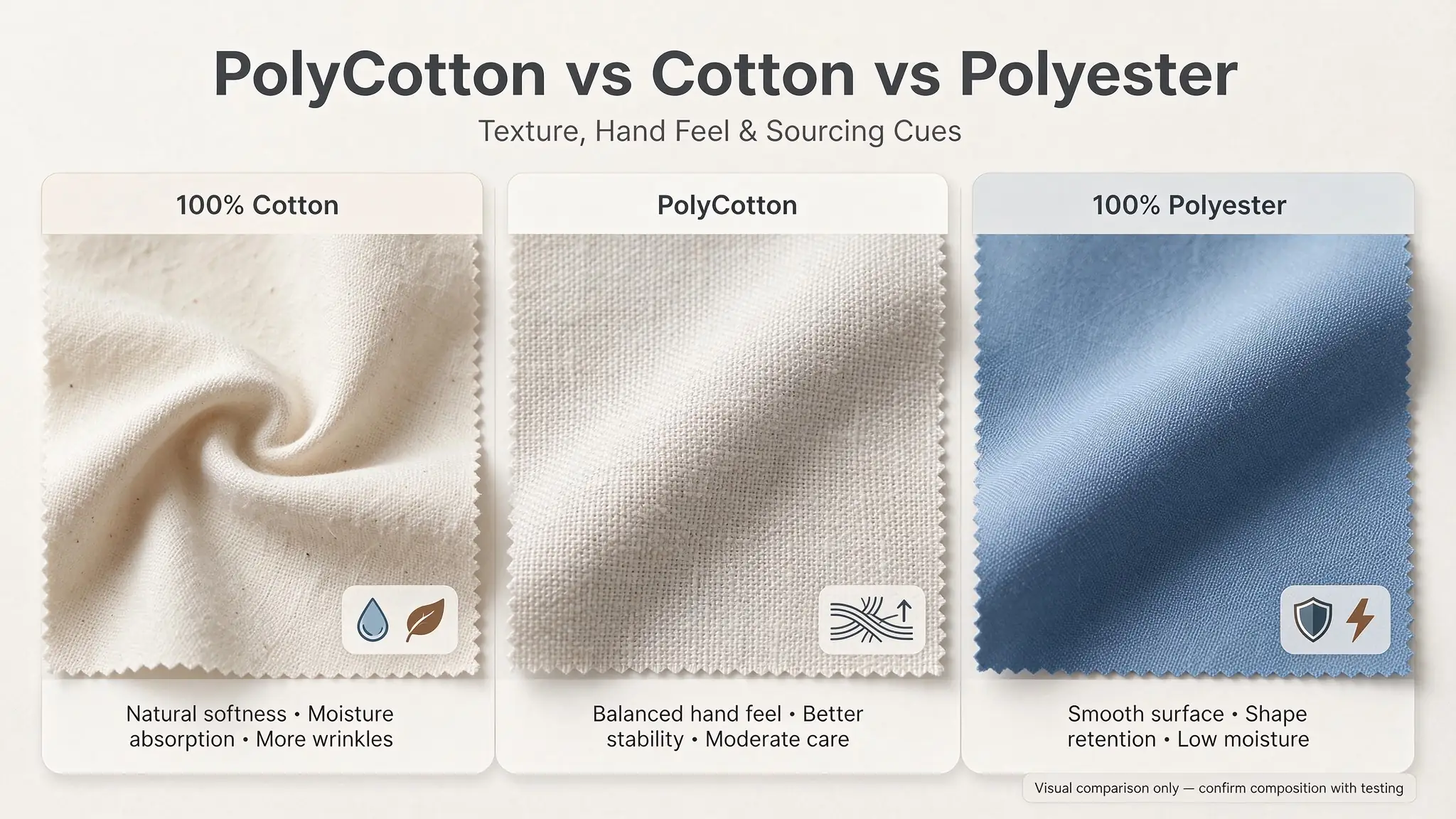
PolyCotton is often compared with 100% cotton and 100% polyester because these materials have different advantages.
The best choice depends on the required balance between natural appearance, maintenance, durability, cost, and intended product use.
Quick Comparison Table
Comparison Factor |
100% Cotton |
PolyCotton |
100% Polyester |
Fiber source |
Natural |
Natural and synthetic |
Synthetic |
Hand feel |
Generally soft and natural |
Varies with blend ratio |
Smooth or synthetic, depending on construction |
Breathability |
Generally good |
Moderate to good, construction-dependent |
Varies by fabric construction |
Moisture absorption |
High |
Intermediate, depending on ratio |
Low |
Drying speed |
Generally slower |
Generally faster than cotton |
Generally faster |
Wrinkle resistance |
Lower |
Moderate to good |
Generally high |
Shrinkage tendency |
Can be higher |
Generally lower than comparable untreated cotton |
Generally low when properly heat-set |
Shape retention |
Depends on construction and finishing |
Generally good |
Generally good |
Printing compatibility |
Good for many cotton-compatible processes |
Requires process matching |
Good for polyester-compatible processes |
Natural fiber content |
100% |
Partial |
0% |
Biodegradability |
Biodegradable under suitable conditions |
Not fully biodegradable |
Not readily biodegradable |
Typical cost |
Depends on cotton grade and construction |
Often positioned between cotton and polyester |
Depends on polyester quality and construction |
When Is 100% Cotton the Better Choice?
Pure cotton may be more appropriate when a product needs:
- A natural fiber composition.
- A soft and familiar cotton feel.
- Good moisture absorption.
- A natural, matte textile appearance.
- Cotton-specific printing and finishing options.
- A material that can biodegrade under suitable conditions, provided it does not contain problematic coatings or components.
For example, premium cotton tote bags may be selected because their natural appearance supports a particular retail or promotional identity.
Cotton can also be a preferred option when a brand wants to communicate a clear natural-fiber material story.
However, cotton may require more attention to shrinkage, wrinkles, and moisture retention.
When Is PolyCotton the Better Choice?
PolyCotton is worth considering when buyers want to balance cotton's natural characteristics with some of polyester's functional advantages.
Potential applications include:
- Promotional merchandise.
- Retail shopping bags.
- Everyday reusable carriers.
- Lightweight storage bags.
- Textile pouches.
- Uniforms and workwear.
It can be especially useful when the product needs a fabric that maintains a reasonably natural appearance but is also relatively easy to maintain.
However, buyers should specify the blend ratio and fabric construction to avoid unexpected differences in the finished product.
When Is 100% Polyester the Better Choice?
Pure polyester may be more suitable when the product requires:
- Low moisture absorption.
- Relatively quick drying.
- High crease recovery.
- Lightweight constructions.
- Specific synthetic fabric finishes.
- Polyester-compatible printing methods.
Polyester is widely used for sports bags, backpacks, drawstring bags, and other products requiring a different combination of weight and performance.
For example, a lightweight polyester bag may be more appropriate than PolyCotton when the product needs to be compact, quick-drying, and frequently exposed to outdoor conditions.
Is PolyCotton More Durable Than Cotton?
It can be, but the answer depends on the specific fabric.
The polyester component may improve certain durability characteristics, including abrasion resistance and dimensional stability.
However, it does not guarantee that every PolyCotton fabric will outperform every cotton fabric.
A heavy, tightly woven cotton fabric can be more suitable for some demanding applications than a lightweight, loosely woven PolyCotton fabric.
The correct comparison should consider the same or similar fabric weight, construction, and finishing conditions.
Dyeing, Printing, and Custom Branding Technologies
The Dual-Dyeing Challenge
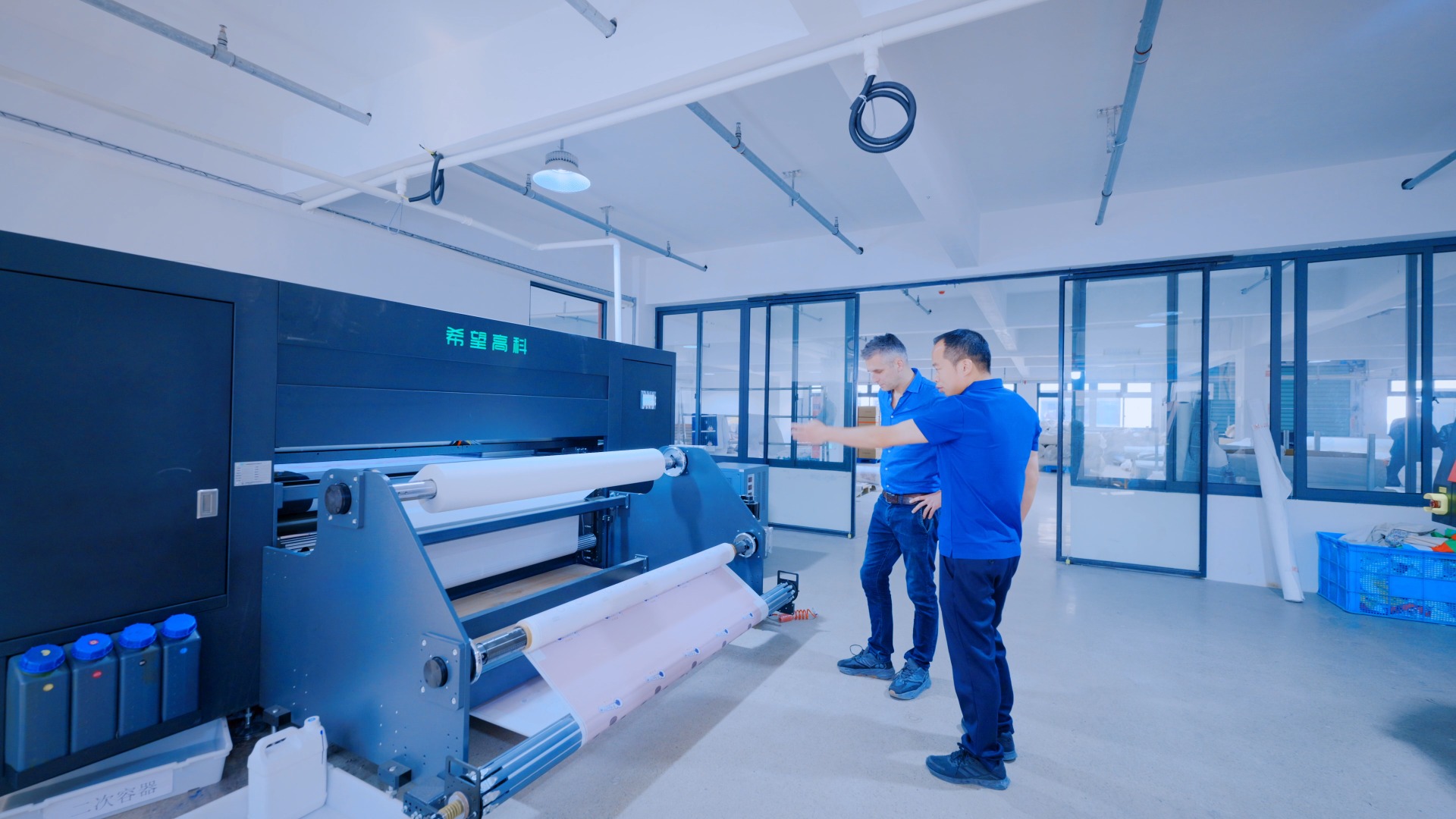
Dyeing PolyCotton is more complex than dyeing single-fiber fabrics. Cotton requires reactive dyes or vat dyes that bond with cellulose hydroxyl groups in alkaline conditions, while polyester requires disperse dyes applied at high temperatures (130°C / 266°F) and pressure.
Factory dyeing methods:
- Two-Bath Dyeing: The fabric passes through high-temperature disperse dyeing for the polyester component, followed by a separate alkaline bath for cotton reactive dyeing. This process yields superior color fastness (Grade 4.5+).
- One-Bath Dyeing: Uses blended disperse and reactive dye formulations with pH-buffering chemicals. This method reduces water and energy use by ~40%, but requires tight process control to prevent cross-staining and color shifting.
- Cross-Dyeing (Heather / Melange Effects): Mills can deliberately dye only the cotton or polyester fibers while leaving the other untouched (or dyeing it a contrasting shade), creating sophisticated heather-gray, cross-color, and vintage effects without using specialty novelty yarns.
Silk Screen Printing: Plastisol vs. Water-Based Inks
- Plastisol Inks: The industry standard for PolyCotton bags, hoodies, and workwear. Because polyester cures at higher temperatures, print shops use low-bleed, low-cure plastisol inks (curing at 130°C–140°C) with chemical dye blockers to prevent dye migration (where synthetic disperse dyes gasify and tint white ink into pink or grey).
- Water-Based Discharge Inks: Discharge inks work by stripping the reactive dye from cotton fibers and replacing it with pigment. On PolyCotton, discharge inks only react with the cotton fibers. The polyester fibers retain their original color, resulting in an attractive, soft-hand vintage/distressed print.
Dye Sublimation Printing on PolyCotton
Dye sublimation uses heat and pressure to turn solid disperse inks into gas, bonding directly with synthetic polyester chains.
- On 100% Polyester: Produces photorealistic, razor-sharp, full-color prints that never crack or peel.
- On 50% Polyester / 50% Cotton: Sublimation dyes bond exclusively with the 50% polyester fibers. When washed, ink resting on the cotton washes out, creating a muted, heathered vintage aesthetic.
- On 65% Polyester / 35% Cotton TC: Delivers clean, vibrant prints with approximately 80%–85% of pure polyester color density, while preserving the soft, matte feel of woven cotton.
- On 80% Cotton / 20% Polyester : Sublimation is not recommended, as over 80% of the pigment washes away from the cotton, resulting in a faded, uneven image.
Direct-to-Garment (DTG) & Direct-to-Film (DTF)
- Direct-to-Garment (DTG): Standard DTG inks are formulated to bond with cotton cellulose. On PolyCotton, printers apply specialized synthetic pretreatments to help the ink anchor to both fiber types. DTG produces clean results on 80% Cotton / 20% Polyester CVC and 50% Polyester / 50% Cotton blends, but struggles with color vibrancy on 65% Polyester / 35% Cotton TC polyester-rich fabrics.
- Direct-to-Film (DTF): Currently the most versatile digital printing method for PolyCotton. Artwork is printed onto a PET film, backed with hot-melt polyurethane adhesive powder, and heat-pressed at 140°C–150°C. DTF bonds securely to any PolyCotton blend ratio, delivering high opacity, sharp detail, and reliable stretch recovery.
Precision Embroidery & Heat Transfer Vinyl (HTV)
- Embroidery: PolyCotton’s reinforced yarn grid provides an exceptionally stable base for dense embroidery (up to 15,000+ stitches). Unlike lightweight cotton, which can pucker under high stitch counts, PolyCotton maintains clean dimensional stability around logos and brand patches.
- Heat Transfer Vinyl (HTV): Industrial CAD-cut PU vinyl presses smoothly onto PolyCotton. Using low-temperature application cycles helps prevent heat pressing marks on the synthetic fibers.
Industrial & Commercial Applications Across Key Sectors
PolyCotton is a versatile material used across a wide range of B2B industries, from retail packaging to protective workwear.
Custom Bags, Reusable Packaging & Storage Products
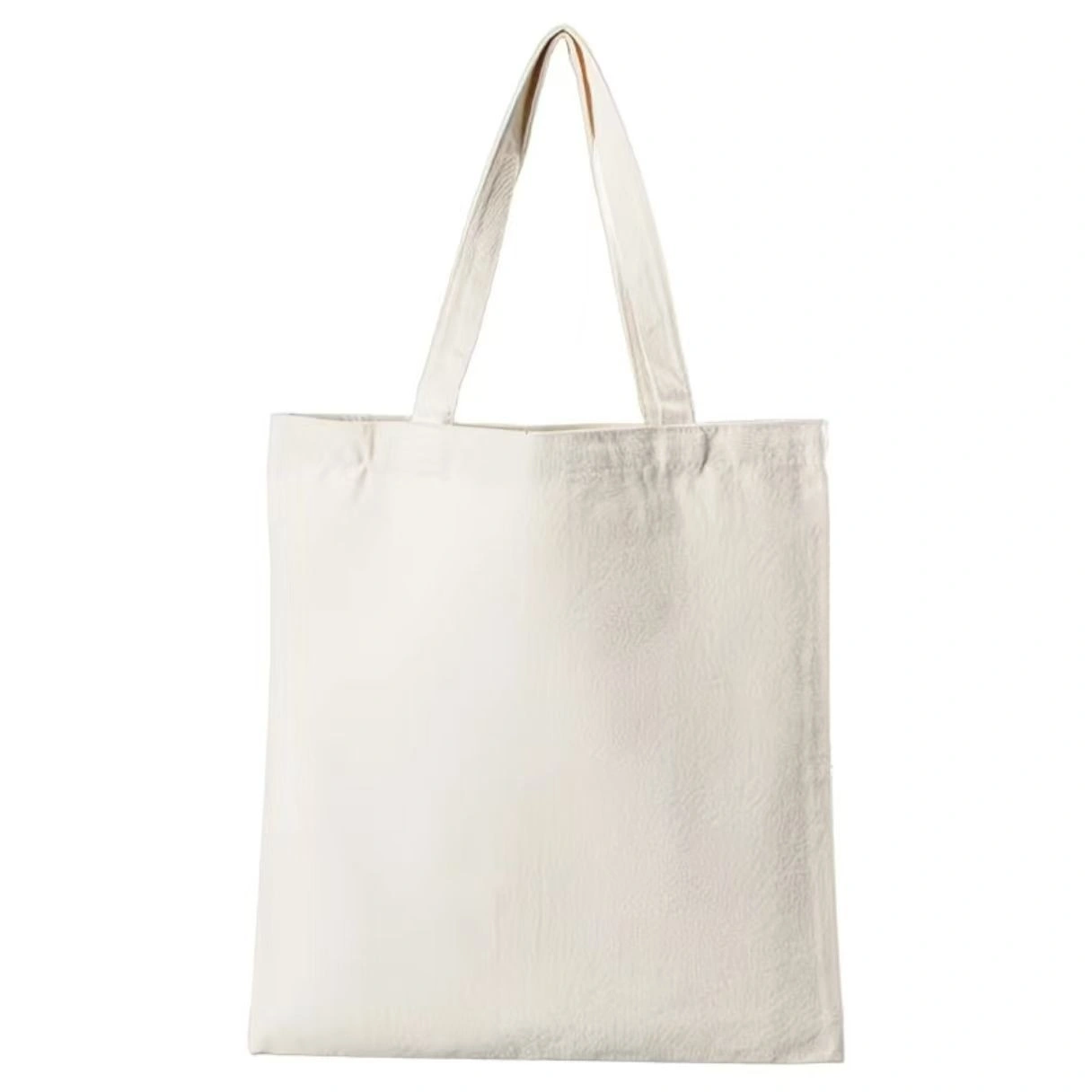
PolyCotton is widely used in high-volume, eco-friendly bag manufacturing, balancing cost, durability, and print clarity.
| Bag Product Category |
Recommended Blend Ratio |
Recommended Fabric & Weight (GSM) |
Key Technical Advantages |
| Heavy-Duty Tote Bags |
65% Polyester / 35% Cotton or 50% Polyester / 50% Cotton |
Canvas / Heavy Twill (240–320 GSM) |
High load-bearing capacity, prevents bottom sagging, wash-fast, long lifespan |
| Drawstring Gift Pouches |
50% Polyester / 50% Cotton or 65% Cotton / 35% Polyester |
Plain Weave / Poplin (120–160 GSM) |
Smooth drawstring glide, wrinkle-free, crisp logo print rendering |
| Garment Dust Covers |
65% Polyester / 35% Cotton |
Twill / Woven Mix (100–140 GSM) |
Breathable air exchange, dust protection, long-term dimensional shape retention |
| Cosmetic & Travel Bags |
65% Polyester / 35% Cotton |
Oxford with PU Coating (200–280 GSM) |
Stain release, water-repellent backing, semi-rigid structured body |
Disclaimer: The recommended ratios and fabric parameters are for reference only. Performance will vary by yarn, weave, finishing and dyeing. Please confirm sample approval before mass production.
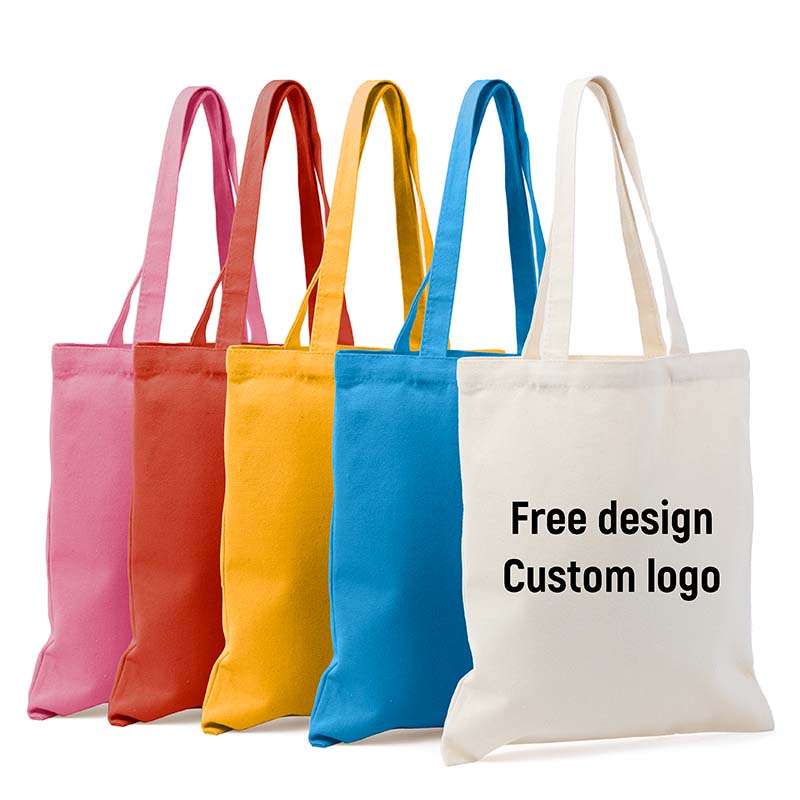
- Heavy-Duty Reusable Shopping & Event Totes: Custom bags made from 65% Polyester / 35% Cotton TC canvas (220–280 GSM) maintain their structural shape through repeat grocery and shopping trips. Unlike pure cotton bags that shrink into wrinkled bundles after washing, PolyCotton totes dry flat and retain their printed logos.
- Premium Drawstring Gift & Jewelry Pouches: 50% Polyester / 50% Cotton poplin provides a soft, matte exterior that takes sharp silk screen prints or metallic foil transfers, while remaining sturdy along high-friction drawstring channels.
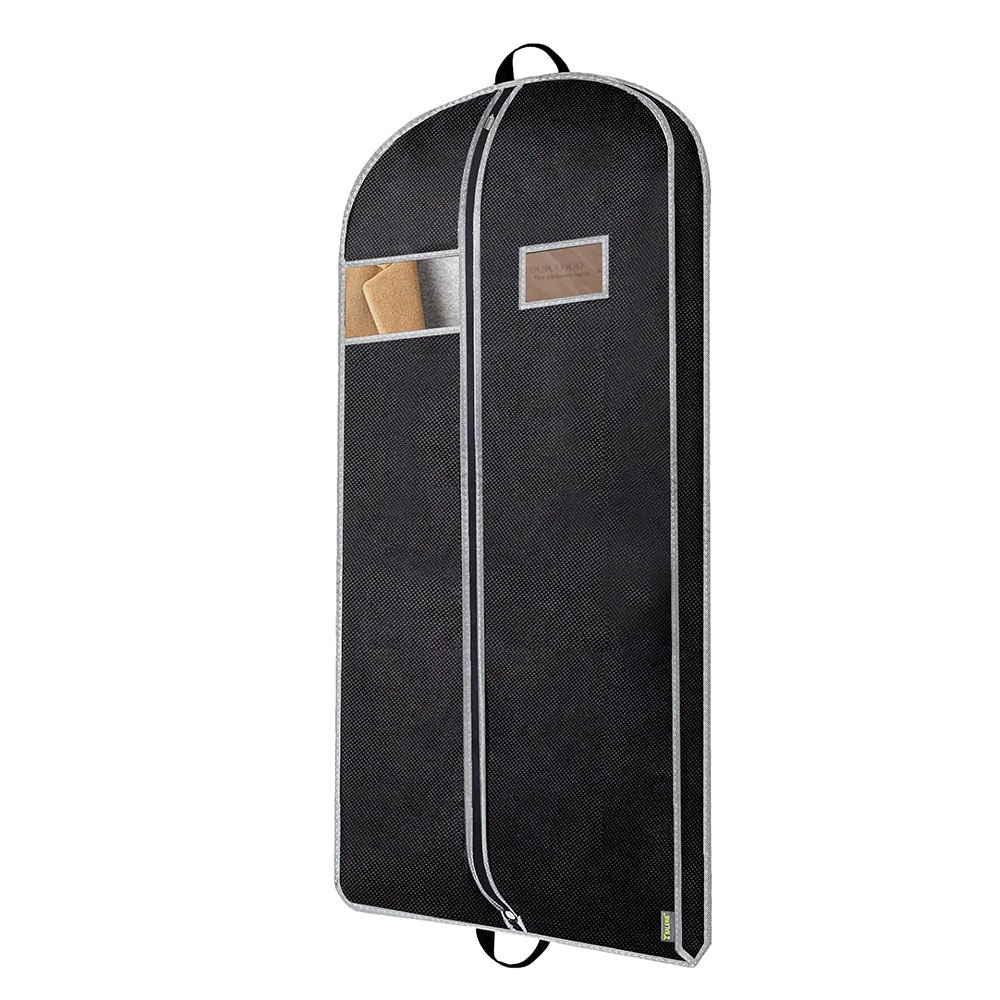
- Garment Storage Bags & Dust Covers: Provides breathable air exchange to protect fine suits and dresses from moisture buildup, while resisting rips and snags during warehouse handling and transport.
Corporate Apparel, Workwear & Healthcare
- Hospital Medical Scrubs: Subjected to daily high-temperature wash cycles (71°C / 160°F) and bleach disinfection. A 65% Polyester / 35% Cotton TC blend prevents seam shrinkage, resists tears, and holds dye through hundreds of shifts.
- Hospitality Uniforms & Aprons: Restaurant staff need aprons that resist oil splashes and stay presentable without daily steam ironing. PolyCotton treated with fluorocarbon or silicone stain-release coatings provides long-lasting protection and a clean presentation.
- Industrial Overalls & High-Visibility Workwear: PolyCotton twills (240–300 GSM) provide the abrasion resistance required on construction and manufacturing floors, while cotton fibers provide essential breathability for physical labor.
Hospitality Linens & Home Textiles
- Commercial Hotel Bed Sheets & Pillowcases: Hotels rely on 50% Polyester / 50% Cotton and 60% Cotton / 40% Polyester percale or sateen weaves with thread counts from 200TC to 300TC. These sheets offer the soft hand-feel guests expect while cutting industrial tumble-dryer energy costs by ~35%.
- Table Linens & Banqueting Cloths: Polyester content prevents wine, grease, and food stains from soaking deep into the yarn core, enabling commercial laundries to wash out spills at lower temperatures.
How Should PolyCotton Fabric Be Washed and Maintained?
PolyCotton is generally relatively easy to maintain, but its care requirements depend on the blend ratio, construction, dyeing, and finishing.
Because it contains both cotton and polyester, the care process should account for the characteristics of both fibers.
General Washing Recommendations
Care Factor |
General Recommendation |
Reason |
Washing temperature |
Follow the fabric care label; cooler or moderate temperatures are often suitable |
Helps reduce unnecessary shrinkage and color damage |
Detergent |
Use a suitable mild detergent |
Helps maintain fabric appearance |
Bleach |
Avoid unless specifically approved |
Some bleach treatments can damage fibers or affect color |
Drying |
Air drying or low-temperature drying where permitted |
Reduces excessive heat exposure |
Ironing |
Use a temperature suitable for the polyester content |
Prevents heat-related damage |
Storage |
Keep the fabric clean and completely dry |
Helps reduce odor and mildew risks |
Does PolyCotton Shrink After Washing?
Yes, PolyCotton can shrink after washing, although its shrinkage tendency is generally lower than that of comparable untreated cotton fabric.
The actual result depends on the cotton percentage, fabric construction, finishing process, and washing conditions.
A fabric that has undergone appropriate shrinkage control may show better dimensional stability than an untreated fabric with the same composition.
Can PolyCotton Be Machine Washed?
Many PolyCotton fabrics can be machine washed.
However, the appropriate washing temperature and cycle should follow the manufacturer's care instructions.
Products with printed logos, decorative elements, linings, or additional coatings may require different care from the fabric alone.
For custom bags, buyers should not assume that the entire product is machine washable simply because the outer material is PolyCotton.
Can PolyCotton Be Ironed?
Yes, but temperature control is important.
Cotton can generally withstand higher ironing temperatures than polyester.
Because PolyCotton contains polyester, excessive heat may damage the synthetic component.
Use the care label as the primary reference and test the temperature on an inconspicuous area when necessary.
Does PolyCotton Fade Over Time?
PolyCotton can fade, depending on the dyeing process, colorfastness, washing conditions, and exposure to sunlight.
The polyester component does not guarantee that the entire fabric will retain its original color indefinitely.
For colored or printed products, colorfastness testing is a more reliable way to evaluate expected performance than relying on the fiber ratio alone.
How to Choose the Right PolyCotton Fabric for Your Project
Selecting PolyCotton for a custom product requires more than choosing a blend ratio.The most suitable fabric should meet the product's functional requirements, appearance expectations, budget, and production conditions.
The following factors can help procurement teams evaluate different options.
2.Select the Appropriate Blend Ratio
Once the application is clear, evaluate the fiber composition.
The following guide provides a practical starting point.
Project Priority |
Blend Ratio Worth Evaluating |
Reason |
More natural textile feel |
80/20 cotton/polyester |
Higher cotton content |
Balanced comfort and maintenance |
65/35 cotton/polyester |
Combines substantial cotton content with polyester |
General-purpose promotional products |
50/50 cotton/polyester |
Balanced fiber composition |
Greater polyester influence |
35/65 cotton/polyester |
More emphasis on crease recovery and lower moisture absorption |
These are starting points rather than fixed recommendations.
The final choice should be confirmed through fabric sampling and product testing.
3.Check Fabric Weight (GSM)
GSM stands for grams per square meter.
For example, when requesting quotations, buyers should avoid simply asking for a PolyCotton tote bag.
Instead, they should specify:
- Cotton/polyester ratio.
- Target GSM.
- Fabric construction.
- Color.
- Finishing requirements.
- Intended bag dimensions and application.
This makes supplier quotations easier to compare.
4.Evaluate Fabric Density and Weave
Fabric density affects how closely the yarns are arranged within the textile structure.
A more compact construction may improve certain aspects of fabric stability and surface coverage.
However, excessively dense fabric can also increase stiffness and material consumption.
For custom bags, buyers should evaluate whether the fabric structure is appropriate for the intended design.
A small drawstring pouch may work well with a flexible lightweight fabric, while a larger shopping bag may require a more substantial construction.
5.Consider the Required Surface Appearance
PolyCotton can have different surface finishes.
Some fabrics have a smooth and crisp appearance, while others have a more textured or natural-looking surface.
Buyers should consider:
- Matte versus slightly lustrous appearance.
- Smooth versus textured surface.
- Soft versus structured hand feel.
- Uniformity of color.
- Surface consistency.
- Compatibility with the intended printing method.
For retail products, the appearance of the fabric can influence how customers perceive the finished bag.
6.Match the Printing Method to the Fabric
Customization is an important consideration for promotional and branded bags.
PolyCotton can accommodate several printing methods, but the best option depends on the fiber composition and design requirements.
7.Evaluate Lining and Reinforcement Requirements
The outer fabric is only one part of a finished bag.
Depending on the design, PolyCotton may need additional components to improve structure, protection, or carrying performance.
These may include:
- Polyester lining.
- Nonwoven interlining.
- Foam padding.
- Reinforced bottom panels.
- Webbing handles.
- Additional stitching.
- Zippers or other closures.
For example, a PolyCotton cosmetic pouch may need a separate lining to make the interior easier to clean.
A large promotional tote may need reinforcement around the handles and bottom corners.
The complete product construction should therefore be considered during material selection.
8.Compare Total Product Cost, Not Just Fabric Price
The lowest fabric quotation does not necessarily produce the lowest finished product cost.
A fabric with a lower unit price may require additional reinforcement, more complicated printing, or extra finishing.
A higher-quality fabric may reduce certain production difficulties and provide more consistent bulk results.
When comparing suppliers, buyers should evaluate:
- Raw fabric price.
- Fabric weight and usable width.
- Cutting efficiency.
- Fabric consumption per bag.
- Printing cost.
- Sewing and reinforcement requirements.
- Finishing costs.
- Packaging and transportation.
For large orders, even a small difference in material consumption per bag can affect the overall project budget.
FAQ
Is PolyCotton waterproof or water-resistant?
Standard untreated PolyCotton is neither waterproof nor naturally water-resistant. Cotton fibers absorb water, while plain woven polyester allows liquid to penetrate between the yarns.
However, PolyCotton can be made highly water-repellent by applying a Durable Water Repellent (DWR) finish to the fabric surface, or by laminating the back with a thin Polyurethane (PU) or PVC backing membrane. This is common in custom backpacks, insulated cooler bags, and outdoor jackets.
What Is the Most Common PolyCotton Ratio?
Commonly encountered ratios include 65/35, 50/50, 80/20, and 35/65 cotton/polyester.
The most suitable ratio depends on the intended application, required hand feel, maintenance expectations, and budget.
Is 65/35 PolyCotton Good Quality?
A 65/35 blend can offer a practical balance between cotton and polyester characteristics.
However, the ratio alone does not establish quality.Fabric weight, yarn quality, weave density, dyeing, and finishing should also be evaluated.
Does PolyCotton Stretch?
It depends on the fabric construction.Woven PolyCotton generally has limited stretch, while knitted PolyCotton can offer greater flexibility.The presence of elastane or another stretch fiber can also change the fabric's elasticity.
Is PolyCotton More Affordable Than Cotton?
PolyCotton is often more cost-efficient than comparable pure cotton fabric because polyester can be a relatively economical component.
However, the final price depends on fiber quality, fabric weight, construction, finishing, and order quantity.
Conclusion
PolyCotton offers a practical combination of cotton's natural textile characteristics and polyester's dimensional stability, wrinkle resistance, and lower moisture absorption.
Its versatility makes it suitable for various textile applications, including promotional bags, shopping totes, drawstring bags, pouches, and selected retail products.
However, choosing the right PolyCotton requires more than looking at its blend ratio. Fabric weight, weave, yarn quality, finishing, printing compatibility, and finished-product construction all influence the final result.
For businesses developing custom textile bags, the most effective approach is to match the material specification with the intended use, expected product life, branding requirements, and target budget.
At INITI, material selection is considered alongside bag construction, customization, and production requirements. Choosing the appropriate fabric specification from the beginning helps create custom bags that meet both functional expectations and brand presentation goals.
Related Blog Articles



 Hot News